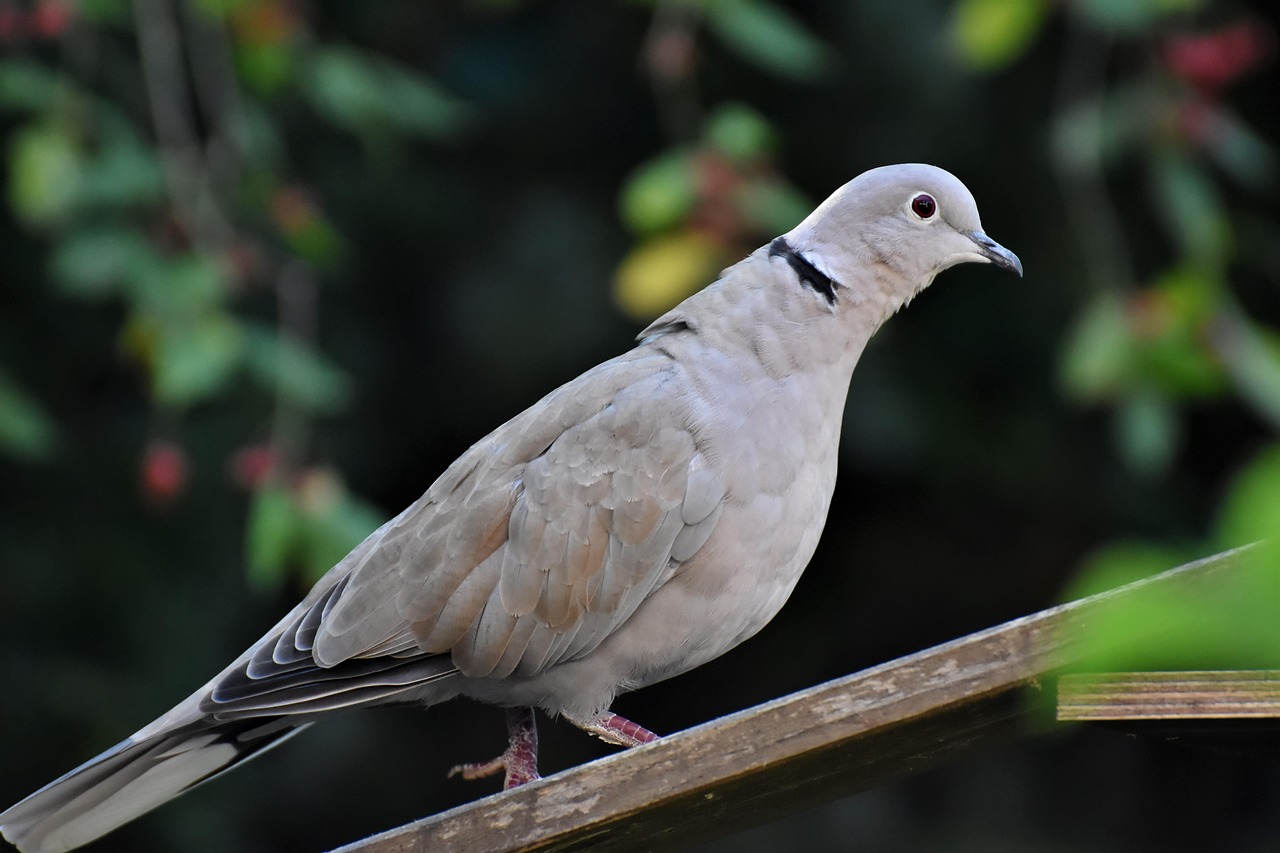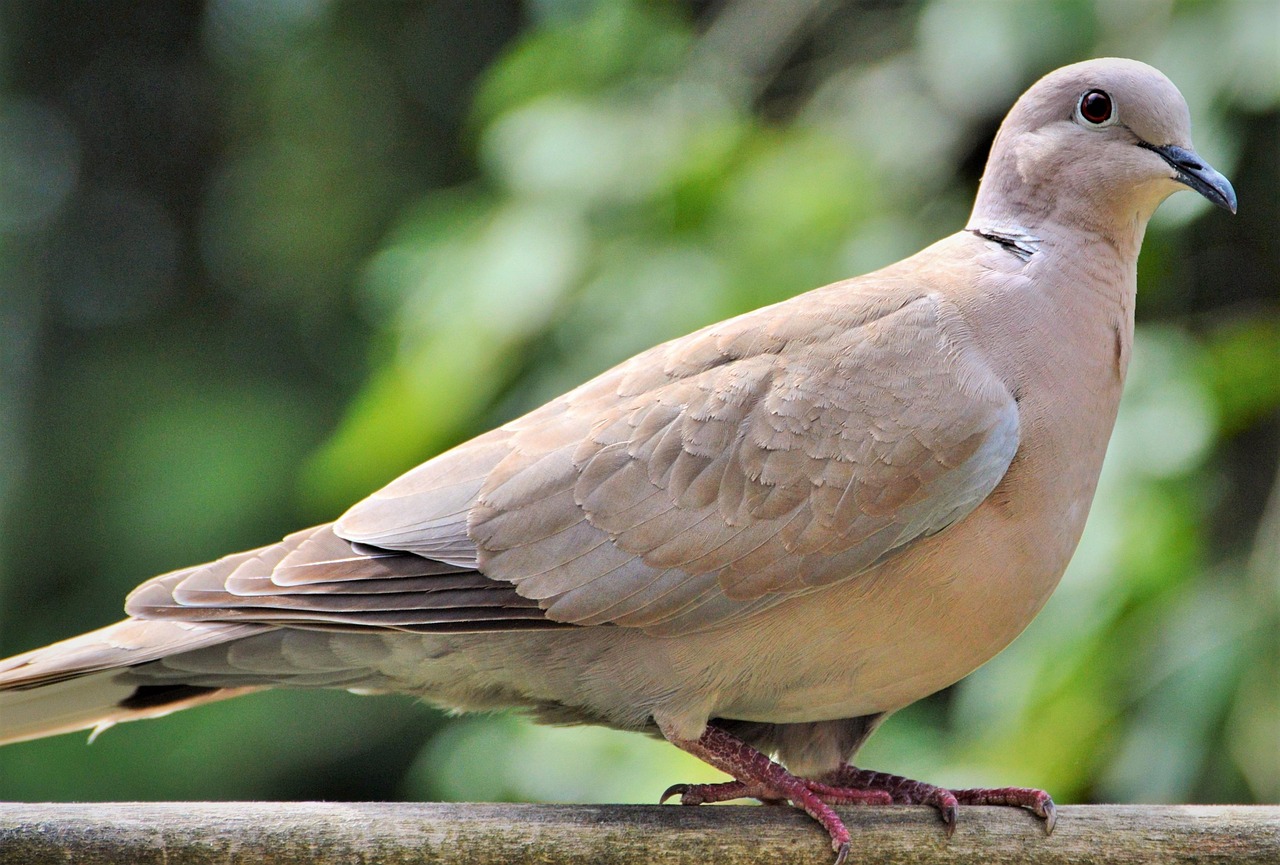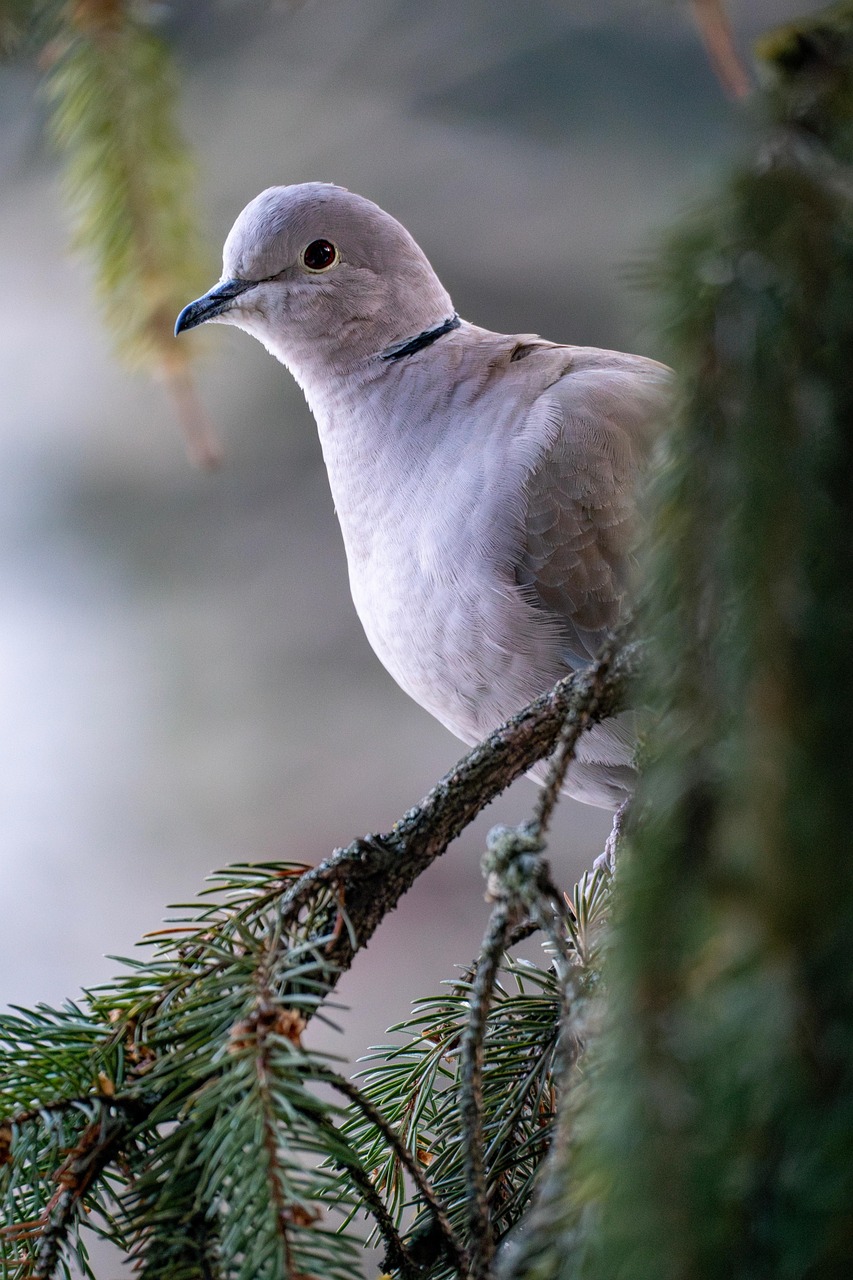
The Kashki pigeon, a distinguished member of the Arabian pigeon breeds, captivates enthusiasts with its unique blend of beauty and heritage. This article delves into the aesthetic allure and practical considerations for selecting these birds, offering insights into their characteristics and care. By exploring both the advantages and challenges, we aim to provide a comprehensive guide for pigeon fanciers.
The Aesthetic Appeal of Kashki Pigeons
Kashki pigeons are renowned for their striking appearance, which sets them apart in the world of Arabian breeds. Their visual charm is not just superficial but rooted in centuries of selective breeding, making them a favorite among connoisseurs. Understanding their aesthetic qualities is key to appreciating their value and ensuring proper selection.
Physical Characteristics and Beauty Standards
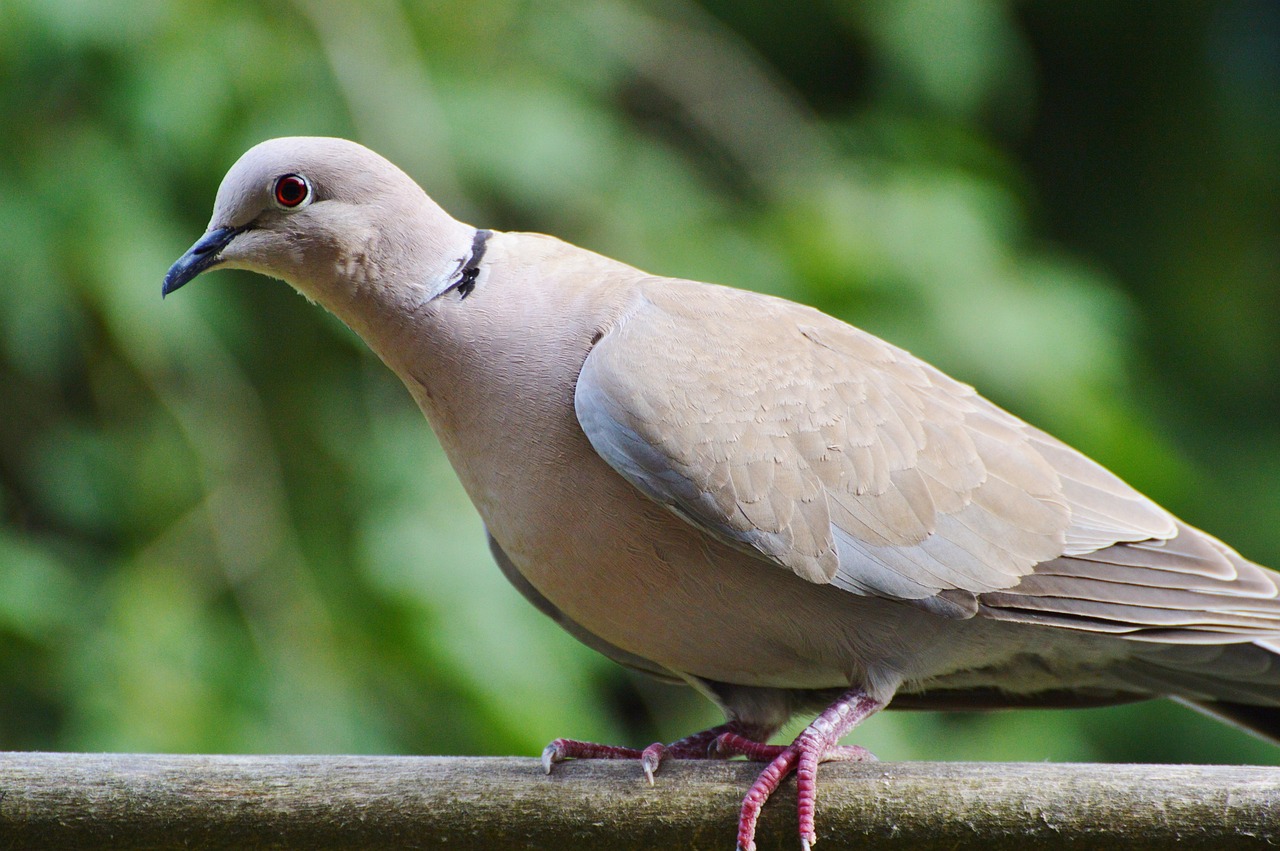
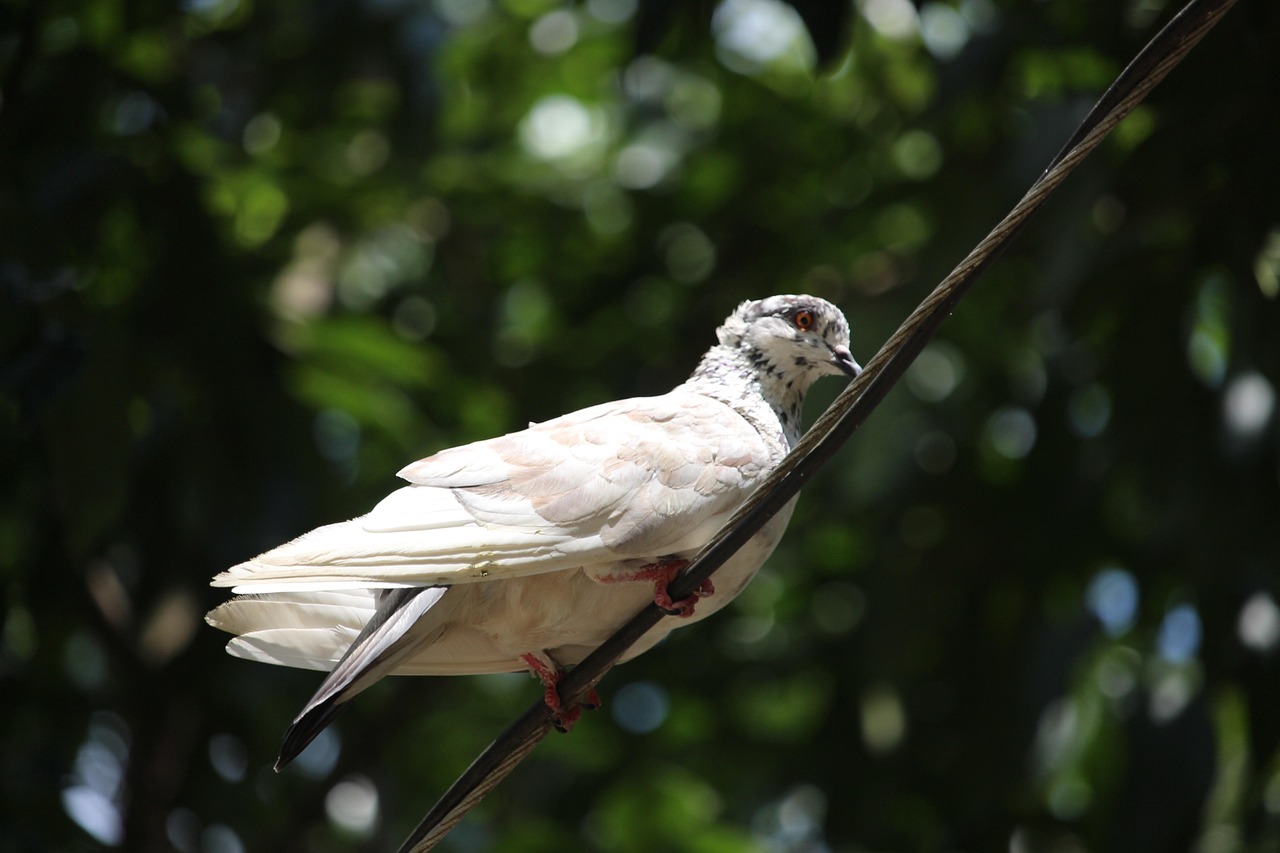
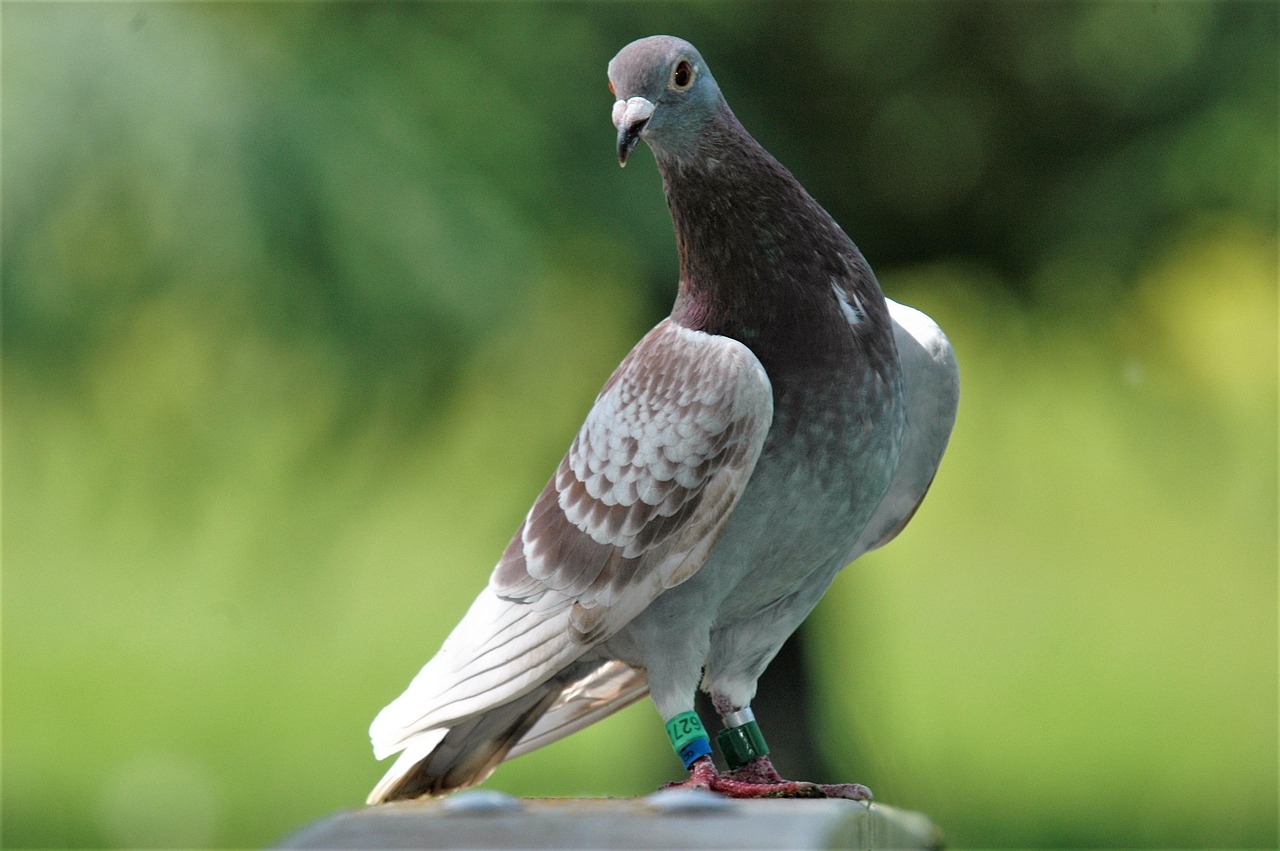
Kashki pigeons typically exhibit a robust build with a graceful posture, often characterized by a well-proportioned body and elegant neck. Their plumage can vary, but common features include vibrant colors and intricate patterns that enhance their visual appeal. Breed standards emphasize symmetry and balance, with judges looking for traits like clear eyes, strong beaks, and smooth feathering. These physical attributes not only contribute to their beauty but also reflect their health and genetic purity, making them a prized addition to any collection.
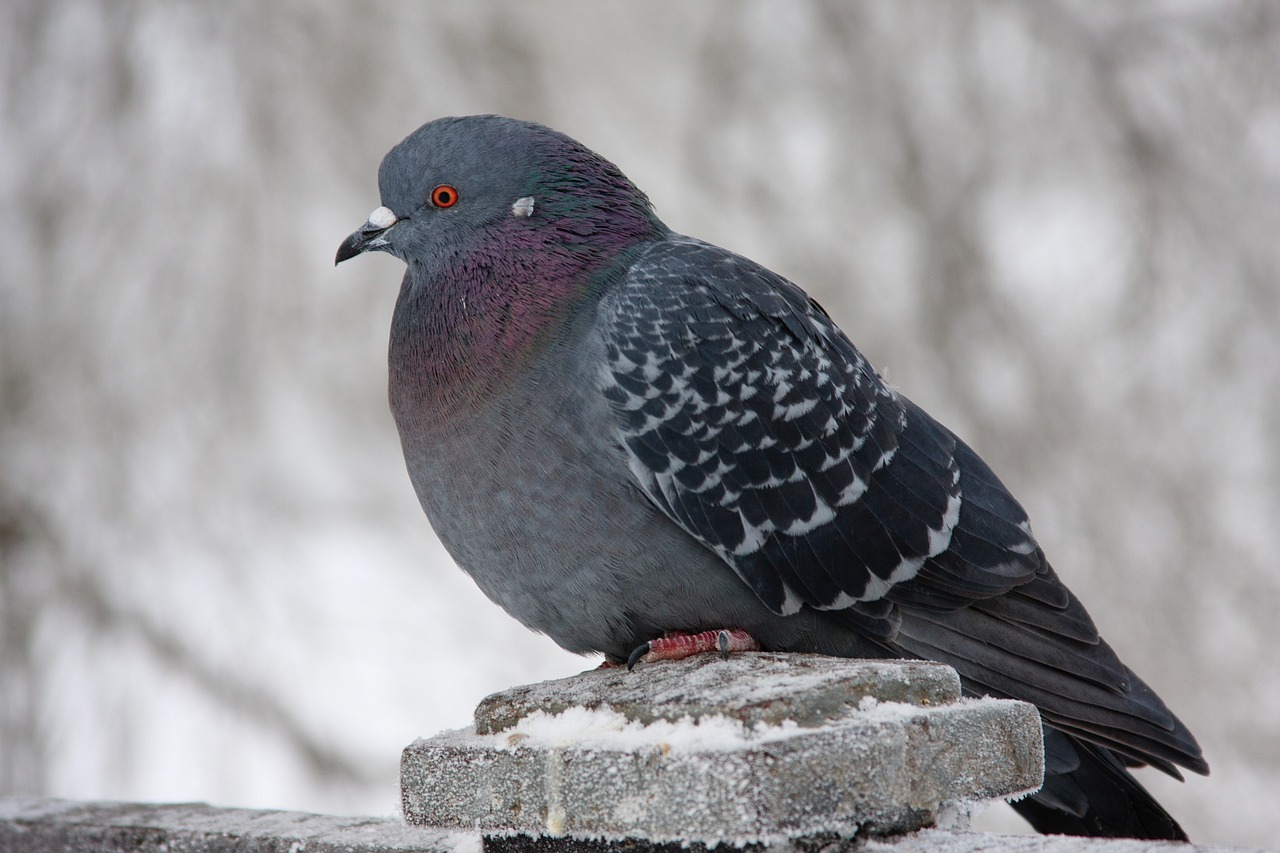
Beyond basic traits, the aesthetic evaluation of Kashki pigeons involves assessing subtle details such as feather texture and color intensity. Enthusiasts often prize birds with glossy, iridescent feathers that catch the light, adding to their majestic presence. The interplay of colors, from deep hues to soft pastels, can indicate lineage and breeding quality. By focusing on these aspects, breeders can select pigeons that not only look stunning but also uphold the breed's heritage, ensuring their continued admiration in shows and competitions.
Cultural and Historical Significance
The beauty of Kashki pigeons is deeply intertwined with their cultural roots in the Arabian region, where they have been bred for centuries as symbols of status and artistry. Historically, these birds were favored by royalty and nobility, who valued them for their aesthetic contributions to gardens and aviaries. This legacy has shaped modern breeding practices, with an emphasis on preserving traditional traits while adapting to contemporary tastes. Understanding this background enriches the appreciation of their aesthetic value, highlighting how they embody a living art form.
In many communities, Kashki pigeons are celebrated in festivals and exhibitions, where their beauty is showcased alongside other Arabian breeds. This cultural context adds layers to their appeal, making them more than just pets but ambassadors of heritage. By recognizing this significance, enthusiasts can make informed choices that honor tradition while fostering innovation in breeding. This balance between past and present ensures that the aesthetic standards of Kashki pigeons remain relevant and cherished, contributing to their enduring popularity among pigeon lovers worldwide.
Advantages of Owning Kashki Pigeons
Owning Kashki pigeons offers numerous benefits, from their gentle temperament to their adaptability in various environments. These advantages make them a rewarding choice for both novice and experienced breeders, enhancing the overall pigeon-keeping experience. By highlighting their strengths, we can better understand why they are so highly regarded in the avian community.
Behavioral and Temperamental Benefits
Kashki pigeons are known for their calm and friendly demeanor, making them easy to handle and train compared to more skittish breeds. This temperament allows for closer interaction with owners, fostering strong bonds and reducing stress during care routines. Their sociable nature also means they thrive in group settings, promoting harmony in aviaries and minimizing conflicts. These behavioral traits contribute to a positive ownership experience, as they are less likely to exhibit aggressive or destructive behaviors that can complicate management.
Additionally, their intelligence and curiosity make them engaging companions, often displaying playful antics that delight observers. This can enhance the joy of pigeon keeping, turning it into a fulfilling hobby rather than just a responsibility. By leveraging these advantages, breeders can create enriching environments that support the well-being of their birds. Overall, the behavioral benefits of Kashki pigeons make them a practical and enjoyable choice, especially for those seeking low-maintenance yet interactive pets.
Practical Advantages in Breeding and Care
From a practical standpoint, Kashki pigeons are relatively hardy and adaptable, requiring less specialized care than some exotic breeds. They can thrive in a range of climates, provided basic needs like shelter, food, and water are met, making them accessible to breeders in diverse regions. Their robust health reduces veterinary costs and ensures longevity, with many birds living for years with proper attention. This resilience is a key advantage, as it minimizes the challenges associated with pigeon ownership and allows focus on enjoyment rather than constant troubleshooting.
- Easy to feed with standard pigeon diets
- Low susceptibility to common avian diseases
- Minimal grooming requirements beyond regular cleaning
In breeding, Kashki pigeons often exhibit good fertility rates and strong parental instincts, leading to successful offspring production. This makes them ideal for those looking to expand their flocks or participate in breeding programs. By capitalizing on these practical advantages, enthusiasts can build sustainable collections without excessive effort, ensuring that their investment in time and resources yields rewarding results. Ultimately, these benefits underscore why Kashki pigeons are a smart choice for anyone passionate about avian care.
Challenges and Considerations for Kashki Pigeons
While Kashki pigeons have many strengths, they also present certain challenges that require careful attention from owners. Addressing these issues proactively can prevent problems and ensure the birds' well-being, making it essential to weigh both pros and cons before commitment. This section explores common drawbacks and how to mitigate them effectively.
Common Health and Maintenance Issues
One of the primary challenges with Kashki pigeons is their susceptibility to specific health issues, such as respiratory infections or feather mites, especially in crowded or unclean environments. Regular monitoring and preventive measures, like vaccinations and parasite control, are crucial to maintaining their health. Neglecting these aspects can lead to costly treatments and reduced quality of life for the birds. By staying vigilant, owners can minimize risks and ensure their pigeons remain vibrant and active, supporting long-term happiness and productivity.
Maintenance can also be demanding, as Kashki pigeons require clean living spaces to prevent disease spread and maintain aesthetic appeal. This involves frequent cleaning of aviaries, proper waste management, and ensuring adequate ventilation. For busy individuals, this might pose a time commitment that needs to be balanced with other responsibilities. However, with organized routines and possibly automated systems, these tasks can become manageable. Understanding these challenges helps prospective owners prepare adequately, turning potential obstacles into routine aspects of care that enhance the overall experience.
Behavioral and Social Challenges
Despite their generally calm nature, Kashki pigeons can sometimes exhibit territorial behaviors or stress-related issues, particularly during breeding seasons or when introduced to new environments. This may lead to conflicts within flocks or difficulty in integrating new birds. To address this, providing ample space and enrichment activities can reduce tension and promote harmony. Observing individual personalities and adjusting management strategies accordingly is key to preventing behavioral problems that could impact the birds' welfare and the owner's satisfaction.
Social challenges also arise from their need for companionship; isolated Kashki pigeons may become lonely or depressed, affecting their health and behavior. Ensuring they have compatible mates or flock members is essential for their emotional well-being. This requires careful selection and monitoring to avoid incompatibilities that could lead to aggression or neglect. By acknowledging these aspects, owners can create supportive social structures that enhance the birds' lives, turning challenges into opportunities for deeper engagement and learning in pigeon keeping.
Selection Criteria for Kashki Pigeons
Choosing the right Kashki pigeons involves a blend of aesthetic judgment and practical assessment, ensuring that selected birds meet both beauty standards and health requirements. This process is critical for building a successful collection, as it influences breeding outcomes and overall satisfaction. By following clear criteria, enthusiasts can make informed decisions that align with their goals and resources.
Evaluating Physical and Genetic Quality
When selecting Kashki pigeons, start by examining physical traits such as body conformation, feather quality, and color patterns, as these indicate adherence to breed standards. Look for signs of good health, like bright eyes, clean nostrils, and active behavior, which suggest vitality and genetic robustness. Consulting with experienced breeders or using tools like pedigree records can provide insights into lineage, helping avoid inherited defects and ensuring desirable traits are passed on. This thorough evaluation minimizes the risk of acquiring birds with hidden issues that could affect future breeding or show performance.
Genetic considerations extend to temperament and adaptability, as these traits influence how well pigeons integrate into existing flocks. Observing birds in their current environment can reveal their social dynamics and stress levels, offering clues about their suitability. By prioritizing both physical and genetic factors, selectors can build a foundation for healthy, beautiful flocks that thrive over time. This approach not only enhances individual bird quality but also contributes to the preservation and improvement of the Kashki breed as a whole.
Practical Considerations for Acquisition and Care
Beyond aesthetics, practical factors like sourcing, cost, and ongoing care requirements play a crucial role in selection. Purchase from reputable breeders who provide health guarantees and support, reducing the risk of diseases or misrepresentation. Consider the initial investment, including setup costs for aviaries and supplies, to ensure it fits within budget constraints. Planning for long-term care, such as dietary needs and veterinary access, helps prevent surprises and ensures sustainable ownership.
- Verify breeder credentials and reviews
- Assess compatibility with existing flock dynamics
- Plan for seasonal adjustments in care routines
By integrating these practical elements into the selection process, enthusiasts can avoid common pitfalls and set themselves up for success. This holistic approach ensures that chosen Kashki pigeons not only look impressive but also lead healthy, fulfilling lives under their care. Ultimately, thoughtful selection is the cornerstone of a rewarding pigeon-keeping journey, blending passion with practicality.
Conclusion
In summary, Kashki pigeons offer a captivating blend of aesthetic beauty and practical benefits, making them a valuable addition to any avian collection. By understanding their advantages and challenges, and applying careful selection criteria, enthusiasts can enjoy these birds to the fullest. For those looking to streamline their management, consider using Ghawy – Pigeon Manager (غاوي – إدارة الحمام) to enhance your pigeon-keeping experience with efficient tools and support.