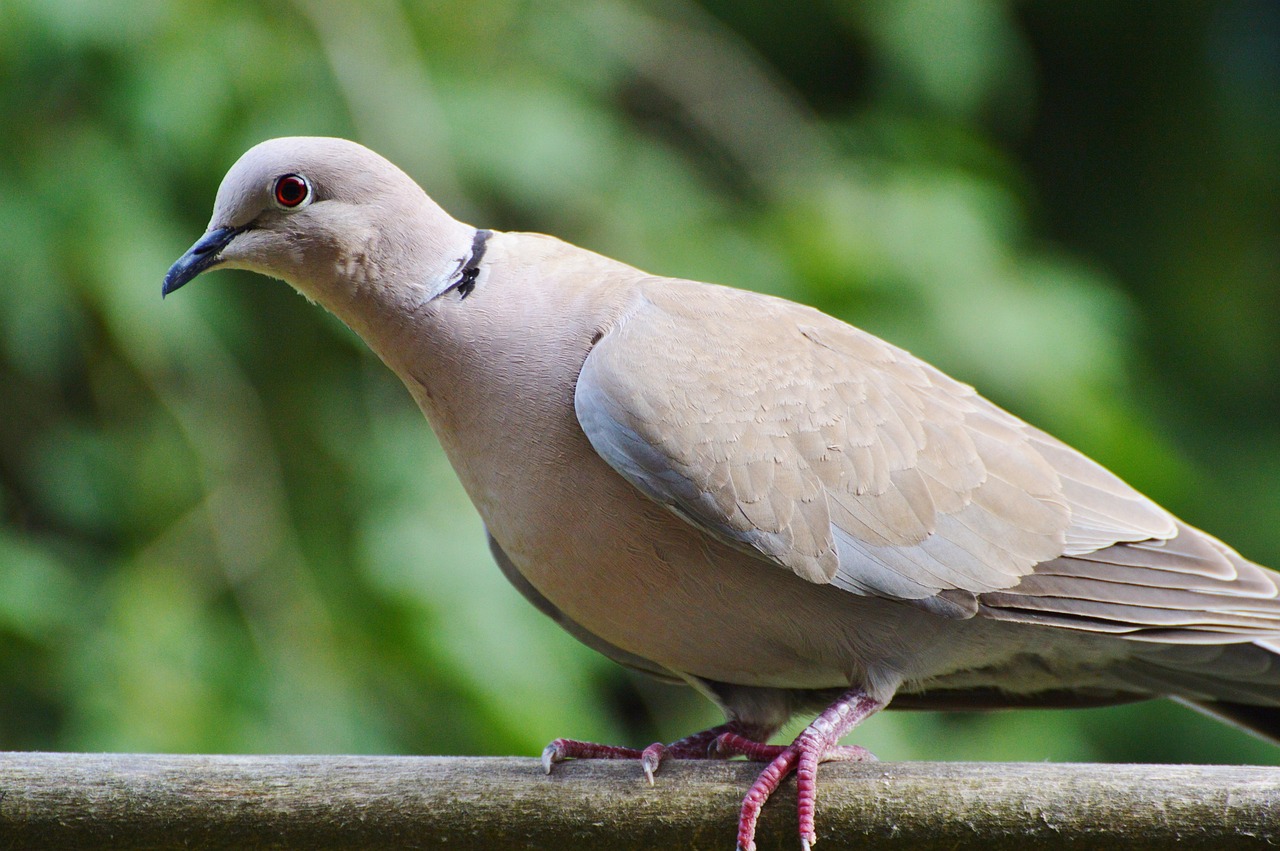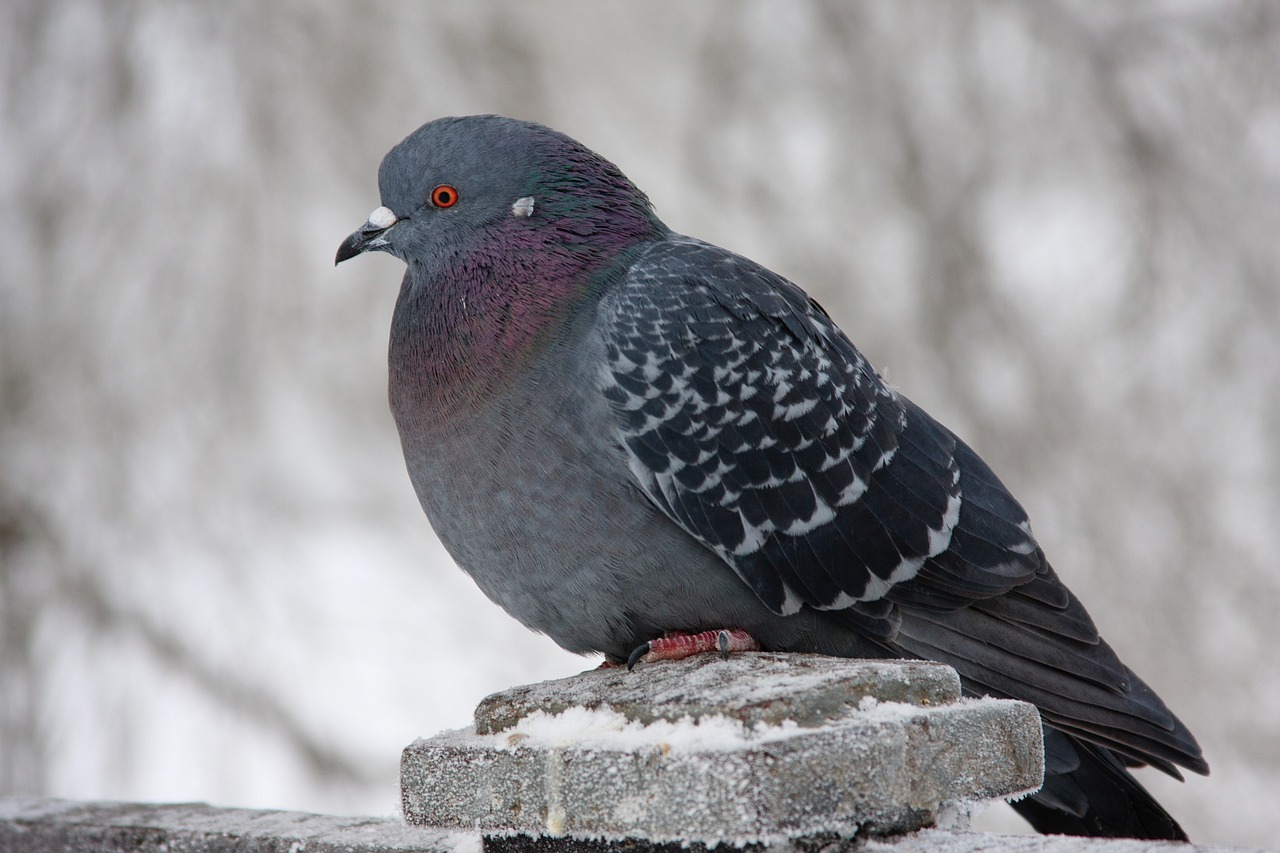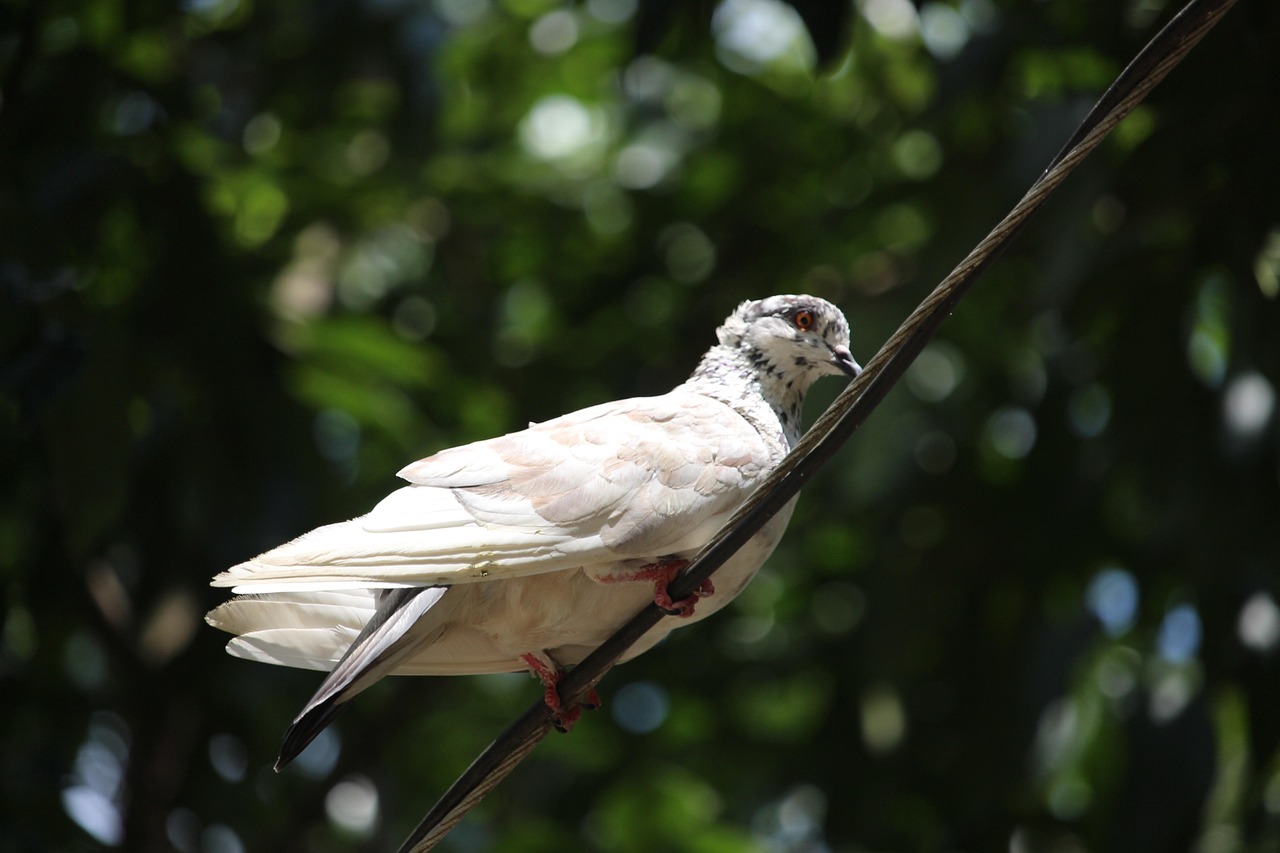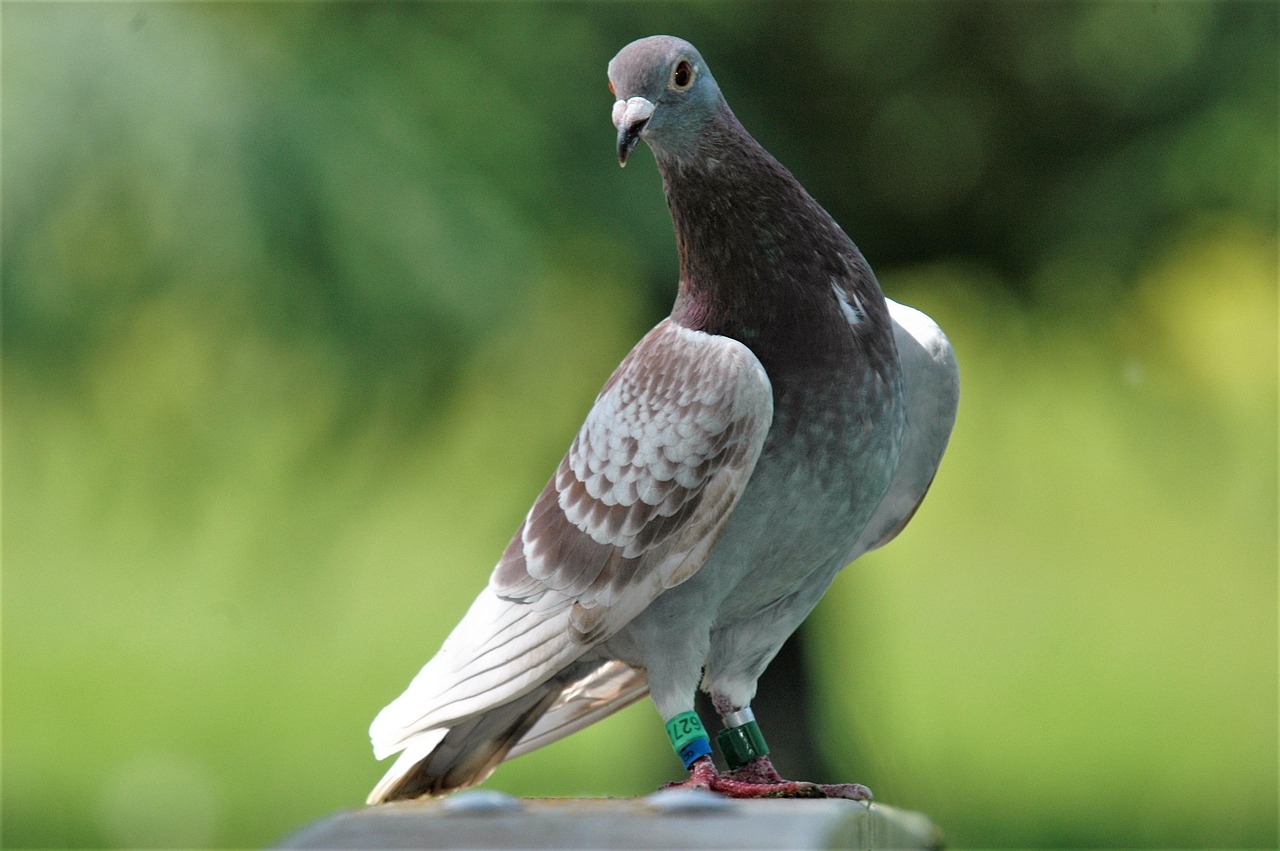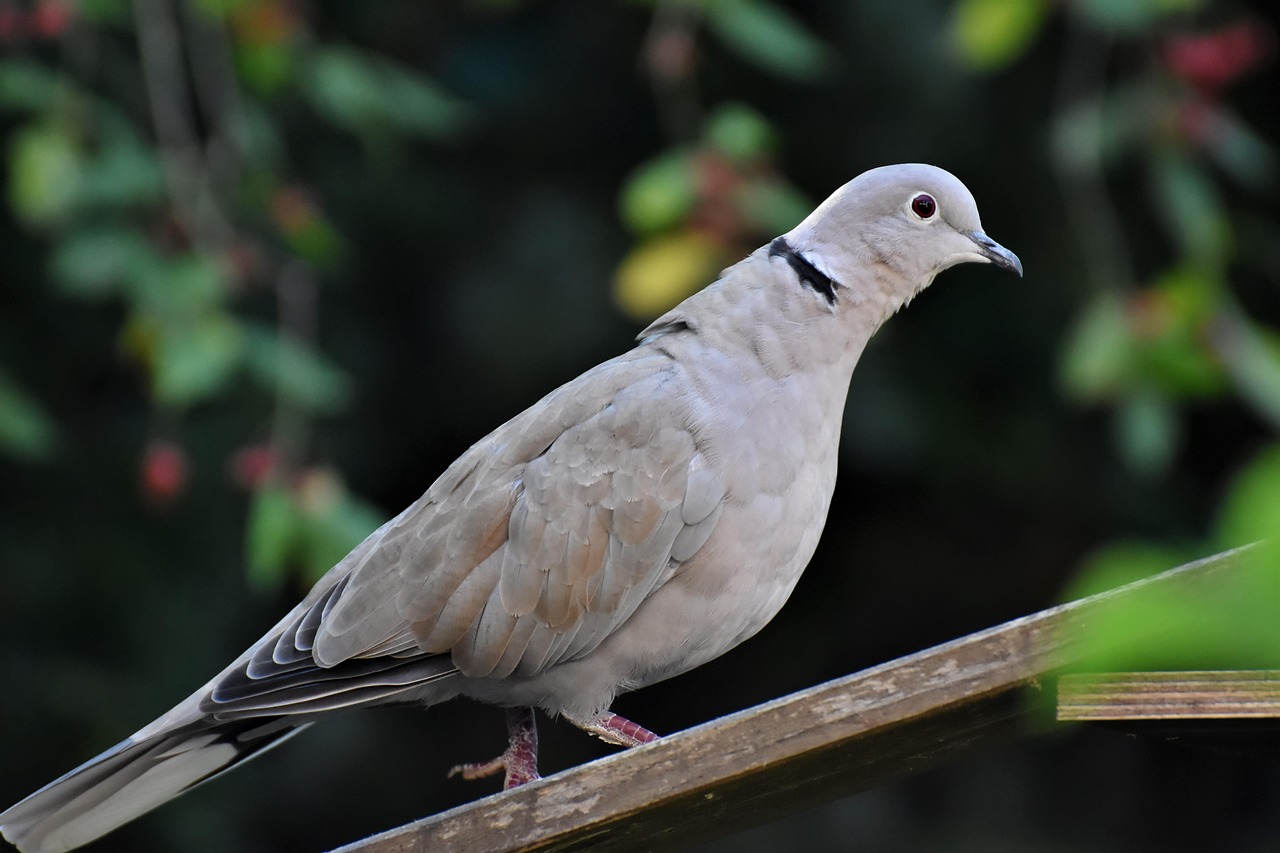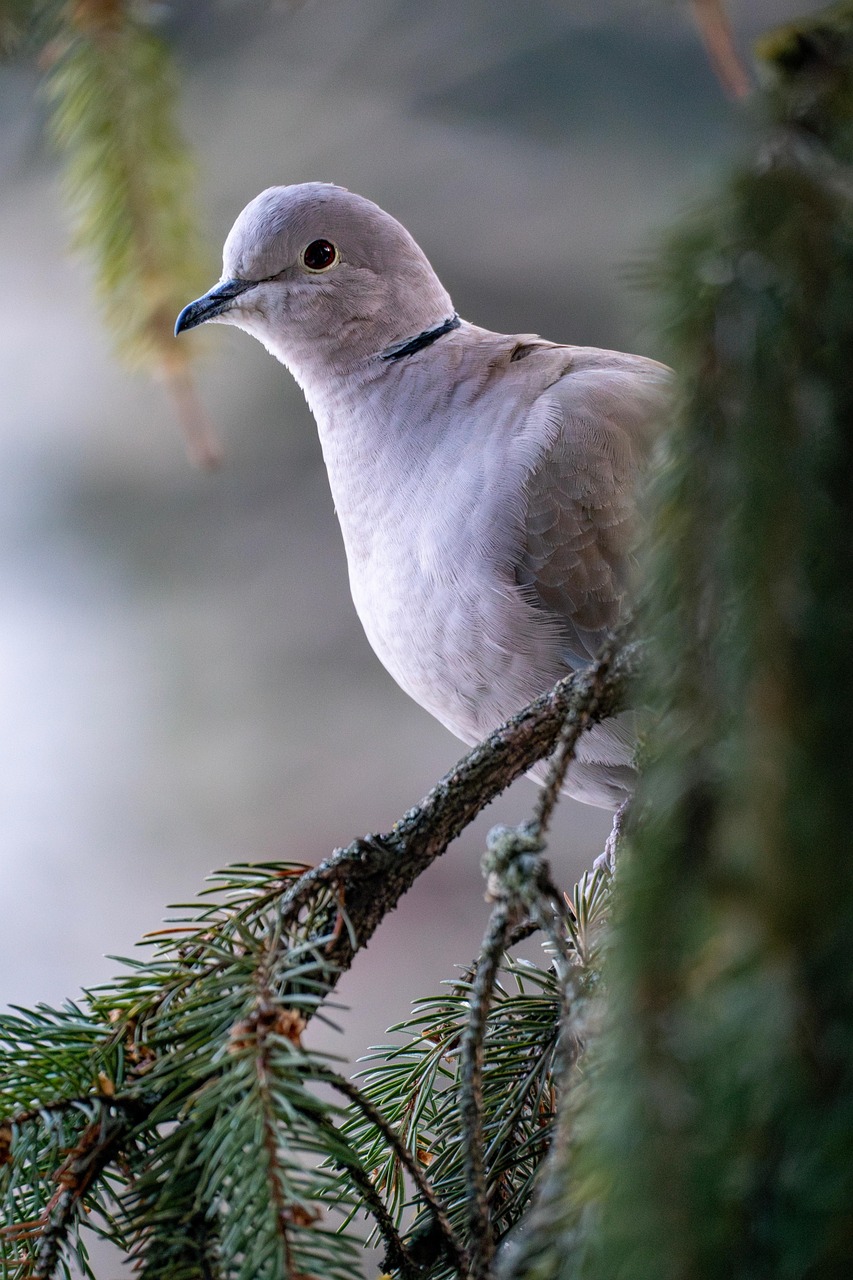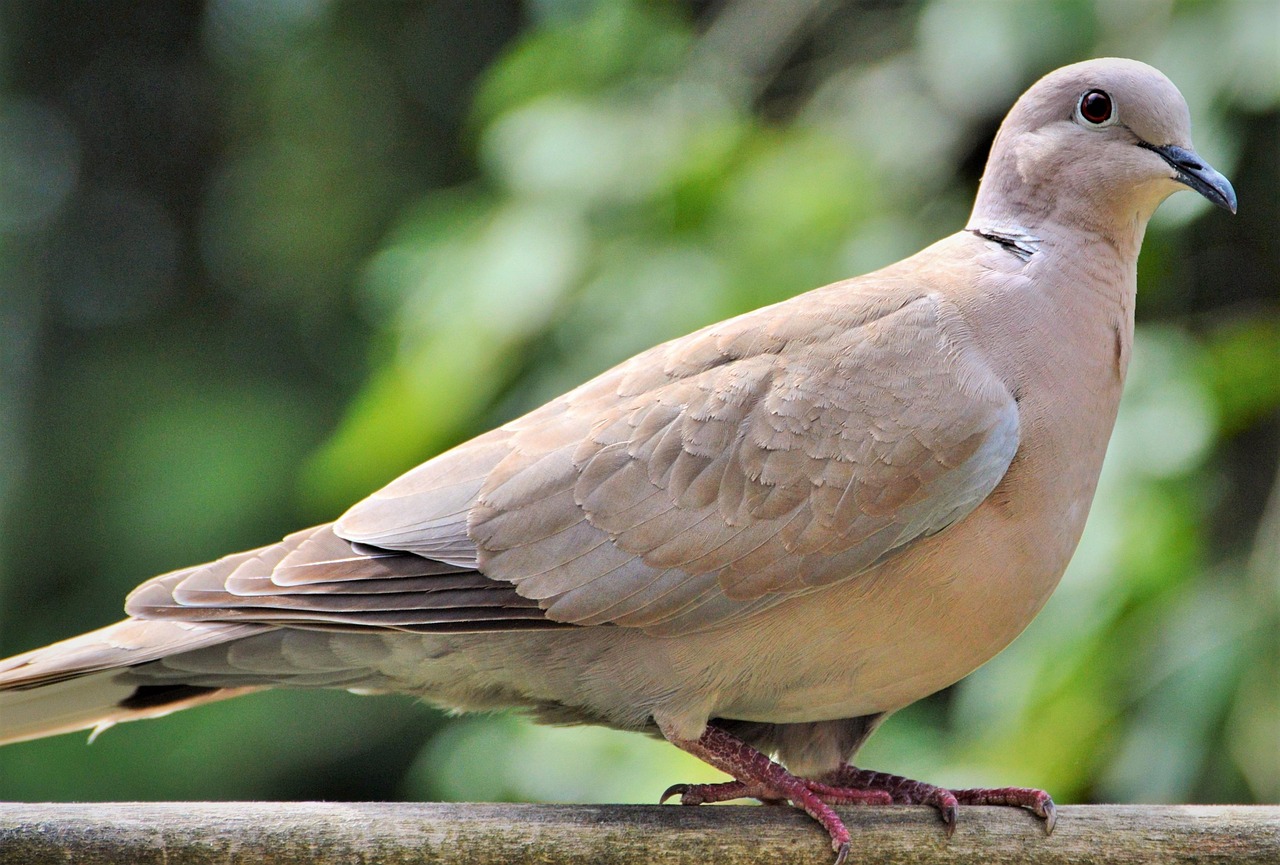
The Syrian pigeon, known as 'الحمام الشامي' in Arabic, is a cherished breed among pigeon enthusiasts worldwide, celebrated for its vibrant colors, distinctive features, and cultural significance. This comprehensive guide delves into everything you need to know about these elegant birds, from their unique characteristics to current market trends, helping you make informed decisions whether you're a beginner or a seasoned fancier.
Understanding the Syrian Pigeon Breed
The Syrian pigeon, or حمام شامي, is a breed that has captivated pigeon lovers for centuries, originating from the Levant region and prized for its beauty and resilience. These birds are not just pets; they are a symbol of heritage and artistry in pigeon breeding, often featured in competitions and exhibitions for their aesthetic appeal.
Historical and Cultural Significance
The history of the Syrian pigeon dates back to ancient times, where they were bred by royalty and commoners alike in the Middle East. In regions like Syria, Lebanon, and Jordan, these pigeons are more than just birds; they represent a deep-rooted tradition of pigeon keeping, often associated with status and community bonding. Their role in cultural events and folklore adds to their allure, making them a living testament to regional heritage.
Over the years, the breed has evolved, with breeders selectively enhancing traits like color and form. This historical context enriches the appreciation for حمام شامي, highlighting why they remain a popular choice among enthusiasts who value both beauty and tradition in their avian companions.
Physical Characteristics and Standards
Syrian pigeons are known for their medium size, typically weighing between 300 to 500 grams, with a graceful posture and smooth feathers. Key physical traits include a rounded head, bright eyes, and a strong beak, which contribute to their overall elegance. Breed standards emphasize symmetry and health, ensuring that these birds not only look good but are also robust and active.
When evaluating a Syrian pigeon, experts look for specific markers such as feather quality, leg strength, and overall demeanor. These characteristics are crucial for maintaining the breed's integrity, especially in breeding programs aimed at preserving or improving the lineage. Understanding these standards helps enthusiasts identify high-quality birds and avoid common pitfalls in selection.
Exploring the Color Varieties of Syrian Pigeons
One of the most captivating aspects of the Syrian pigeon is its diverse color palette, which ranges from solid hues to intricate patterns. This variety not only enhances their visual appeal but also influences their value in the market, with certain colors being more sought after by collectors and breeders.
Common Color Patterns and Their Appeal
Syrian pigeons come in a wide array of colors, including white, black, red, blue, and yellow, often with unique markings like spots or bars. Popular patterns include the 'Ashqar' (light-colored) and 'Aswad' (dark-colored) varieties, each with its own fan base. These colors are not just aesthetic; they can indicate genetic traits and breeding history, making them a key factor in pigeon shows and sales.
The appeal of specific colors often ties into cultural preferences and trends. For instance, white Syrian pigeons are highly valued for their purity and are commonly used in ceremonial events, while multicolored birds might attract hobbyists looking for rarity. By understanding these patterns, enthusiasts can better appreciate the artistry behind حمام شامي breeding and make choices that align with their interests.
Rare and Premium Color Mutations
Beyond common colors, Syrian pigeons occasionally exhibit rare mutations, such as albino or piebald variations, which can command higher prices due to their uniqueness. These mutations result from genetic diversity and selective breeding, offering a glimpse into the breed's evolutionary potential. Breeders often prize these rare birds for their novelty and potential to produce offspring with desirable traits.
Acquiring a pigeon with a rare color requires careful research and often a higher investment, as they may be less available in the market. Enthusiasts interested in these premium varieties should connect with reputable breeders who specialize in genetic lines, ensuring they get healthy and authentic حمام شامي that stand out in any collection.
Key Specifications and Care Requirements
Owning Syrian pigeons involves more than admiration; it requires a commitment to their well-being through proper care and understanding of their specific needs. This section covers essential specifications and practical tips for maintaining healthy, happy birds.
Housing and Environmental Needs
Syrian pigeons thrive in spacious, clean environments that mimic their natural habitats. A well-ventilated loft with protection from extreme weather is essential, as these birds are sensitive to temperature fluctuations. Ideal housing includes perches, nesting boxes, and regular cleaning routines to prevent diseases and ensure comfort.
Environmental factors like light exposure and social interaction also play a role in their health. Providing ample daylight and opportunities for flight can enhance their physical fitness, while keeping them in pairs or small groups supports their social nature. By meeting these housing needs, owners can foster a thriving environment for their حمام شامي, promoting longevity and vitality.
Diet and Health Management
A balanced diet is crucial for Syrian pigeons, consisting of grains, seeds, and occasional supplements like vitamins or minerals. Common feed options include wheat, corn, and peas, which provide the necessary nutrients for energy and feather health. Fresh water should always be available, and feeding schedules should be consistent to avoid overeating or malnutrition.
Health management involves regular check-ups for common issues such as parasites or respiratory infections. Preventive measures, like vaccinations and clean living conditions, can reduce risks. Owners should also monitor for signs of stress or illness, such as lethargy or loss of appetite, and consult avian veterinarians when needed. Proper care ensures that أسعار الحمام الشامي reflect not just beauty but also robust health.
Pricing Insights for Syrian Pigeons
The cost of Syrian pigeons varies widely based on factors like color, age, and breeding quality, making it essential for buyers to understand market dynamics. This section breaks down pricing trends and offers guidance on making smart purchases.
Factors Influencing Syrian Pigeon Prices
Several elements affect أسعار الحمام الشامي, including rarity of color, pedigree, and overall health. Birds with proven lineage or award-winning traits often fetch higher prices, sometimes ranging from $50 to over $500 per pigeon. Age is another factor, with younger birds typically being more affordable but requiring more training, while mature, proven breeders command premium rates.
Market demand and geographic location also play roles; in regions with active pigeon communities, prices might be higher due to competition. By considering these factors, enthusiasts can budget effectively and avoid overpaying for حمام شامي, ensuring they get value for their investment while supporting ethical breeding practices.
Where to Buy and Negotiation Tips
Purchasing Syrian pigeons can be done through various channels, such as specialized breeders, online marketplaces, or local pigeon clubs. Reputable sources often provide health guarantees and documentation, which can justify higher أسعار الحمام الشامي. It's advisable to visit in person when possible to assess the birds' conditions and build trust with sellers.
Negotiation is common in pigeon trading, especially for bulk purchases or rare varieties. Tips for successful deals include researching average prices, asking about breeding history, and being patient to find the right match. Whether buying for hobby or breeding, a careful approach helps secure quality حمام شامي at fair prices, enhancing the overall experience of pigeon keeping.
Breeding and Training Syrian Pigeons
Breeding and training Syrian pigeons require skill and dedication, offering rewards like lineage preservation and behavioral development. This section explores best practices for successful breeding programs and effective training techniques.
Breeding Strategies for Quality Offspring
Successful breeding of حمام شامي involves selecting compatible pairs based on traits like color, health, and temperament. Breeders often use selective mating to enhance desirable characteristics, keeping detailed records to track genetic lines. The breeding season typically aligns with warmer months, requiring attentive care for eggs and chicks to ensure survival and growth.
Challenges in breeding can include infertility or genetic disorders, which underscores the importance of starting with healthy stock. By following ethical breeding practices, such as avoiding inbreeding and providing proper nutrition, enthusiasts can contribute to the breed's sustainability while potentially increasing the value of their أسعار الحمام الشامي through high-quality offspring.
Training Techniques for Behavior and Performance
Training Syrian pigeons focuses on developing skills like homing, flying, and socialization, which can enhance their value and enjoyment. Basic training starts at a young age, using positive reinforcement like treats to encourage desired behaviors. Flight training, for example, involves gradual exposure to open spaces, building confidence and stamina over time.
Advanced training might include participation in pigeon races or shows, where حمام شامي can showcase their abilities. Consistency and patience are key, as these birds respond well to routine and gentle handling. By investing time in training, owners not only improve their pigeons' performance but also strengthen the bond between human and bird, making the experience more fulfilling.
Conclusion
In summary, the Syrian pigeon, or حمام شامي, is a remarkable breed that offers a blend of beauty, tradition, and practical engagement for enthusiasts. From understanding their diverse colors and specifications to navigating أسعار الحمام الشامي, this guide provides a comprehensive overview to help you appreciate and care for these birds. Whether you're starting your journey or deepening your expertise, remember that successful pigeon keeping relies on knowledge, dedication, and a passion for these elegant creatures. For those looking to streamline their pigeon management, consider exploring tools like Ghawy – Pigeon Manager (غاوي – إدارة الحمام) to enhance your experience.