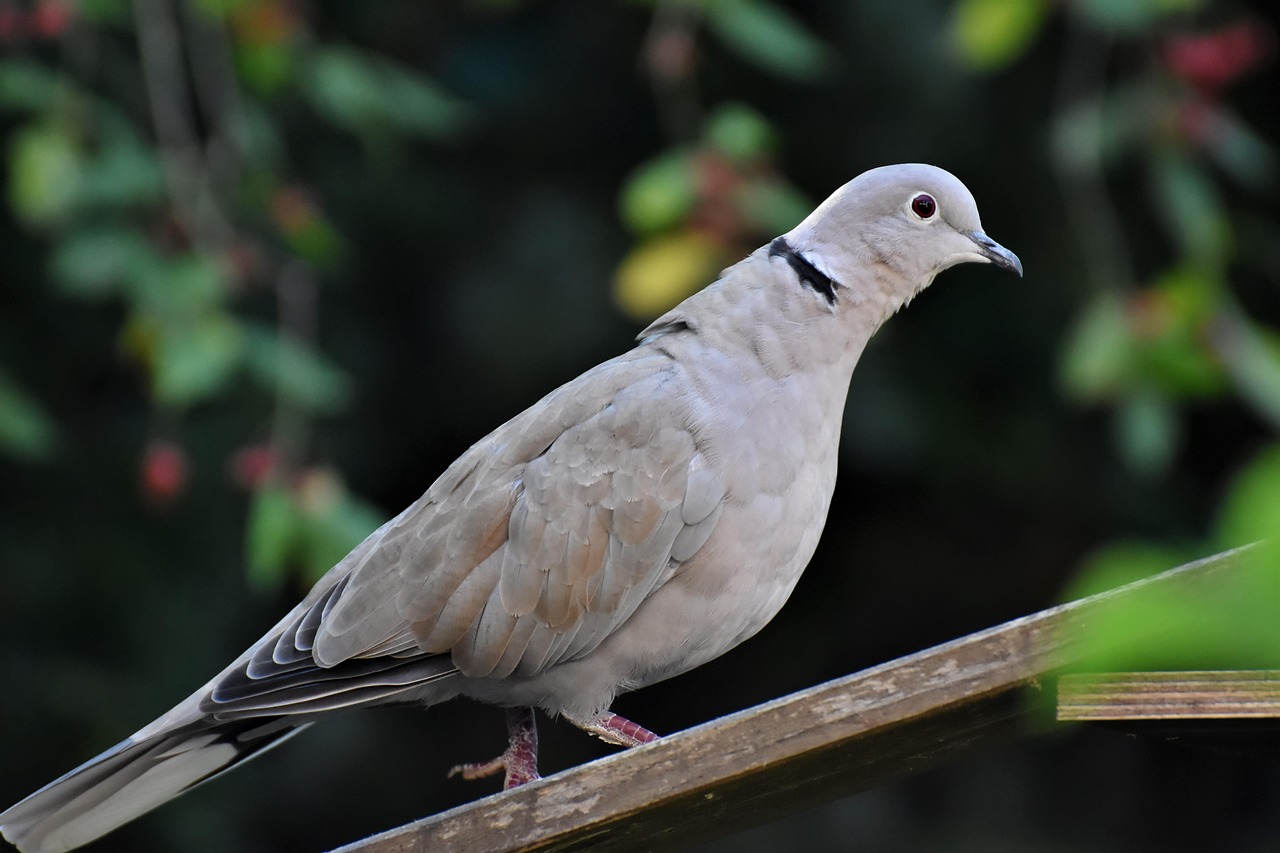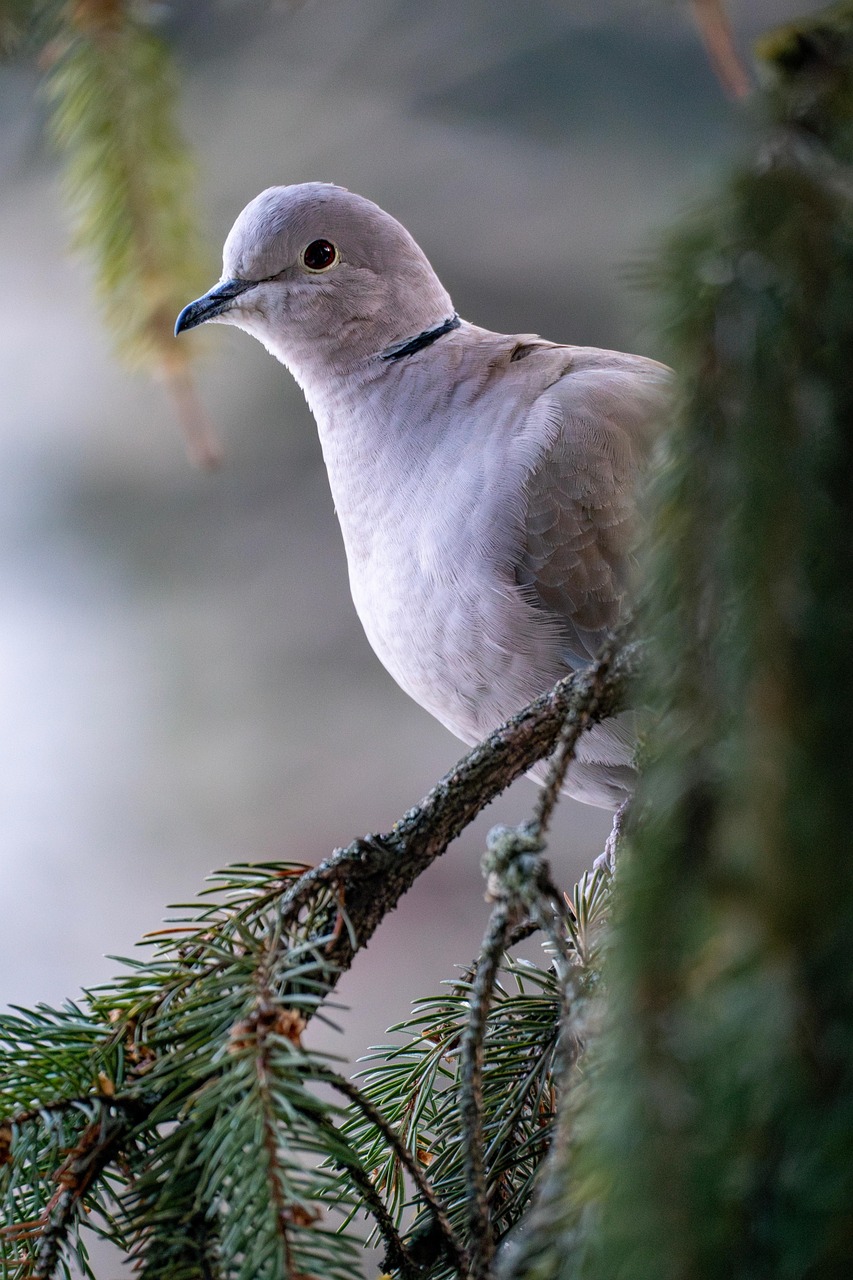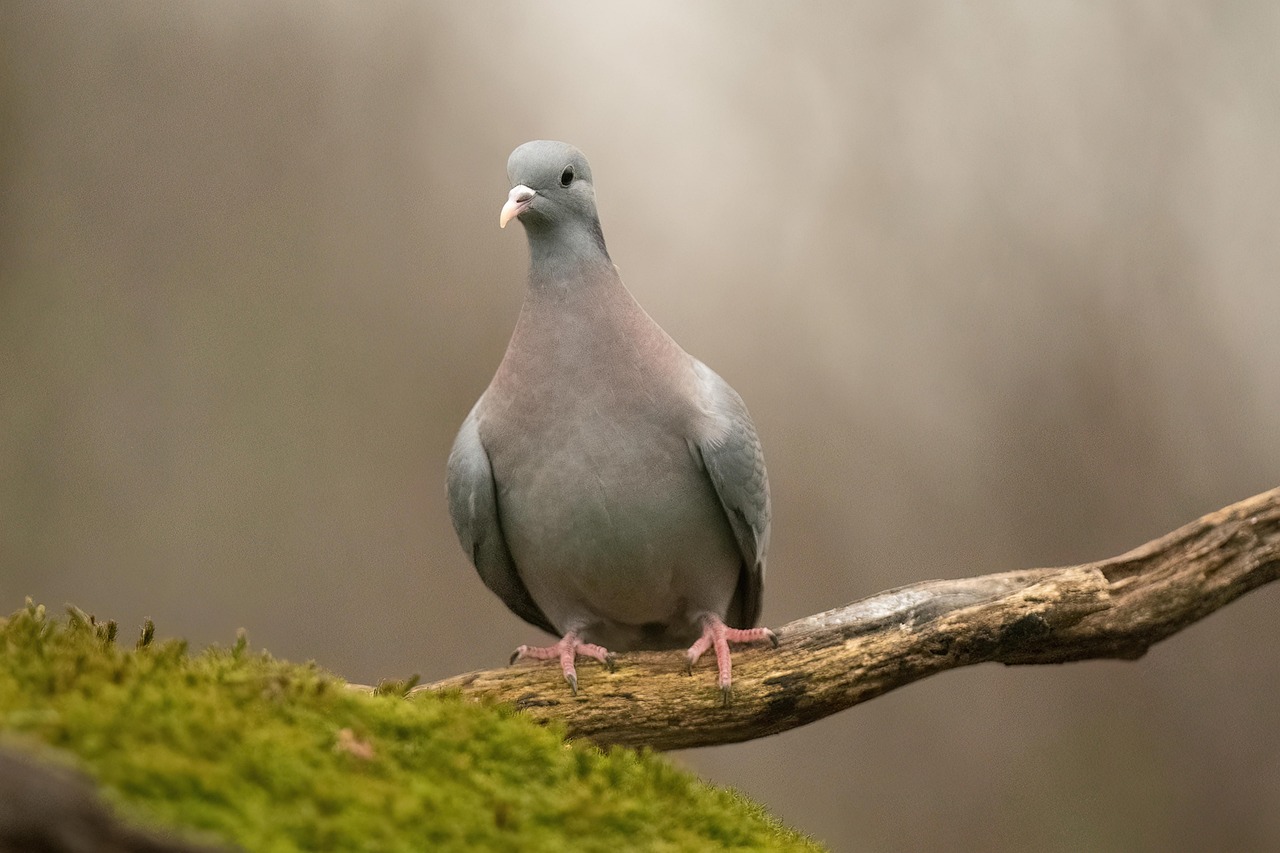
The King Pigeon, known as 'حمام كنجي' in Arabic, has emerged as a premier breed captivating enthusiasts across the Gulf region. With its majestic appearance and robust characteristics, this pigeon has become a symbol of prestige and passion in the vibrant السوق الخليجي. This article delves into the unique specifications driving its popularity, offering insights for breeders and collectors alike.
Understanding the King Pigeon: A Breed of Distinction
The King Pigeon, originally developed in the United States, has found a fervent following in the Gulf due to its dual-purpose nature as both a show bird and a utility breed. In the السوق الخليجي, where pigeon keeping is deeply rooted in cultural traditions, the حمام كنجي stands out for its impressive size and gentle demeanor. This section explores the breed's origins and its adaptation to the regional climate and preferences, highlighting why it has become a staple in collections from Saudi Arabia to the UAE.
Historical Background and Global Appeal
The King Pigeon was first bred in the late 19th century, primarily for meat production, but its striking features quickly made it a favorite in exhibition circles. In the Gulf, its introduction coincided with a growing interest in exotic breeds, blending utility with aesthetic appeal. The حمام كنجي's ability to thrive in varied environments, from arid deserts to urban settings, has contributed to its widespread adoption. Breeders in the السوق الخليجي often prize these pigeons for their resilience and adaptability, making them a reliable choice for both novice and experienced keepers.
Moreover, the global pigeon community has recognized the King Pigeon for its consistent breeding standards, which have been refined over decades. In the Gulf, this has led to a niche market where high-quality specimens command premium prices. The breed's popularity is not just a trend but a testament to its enduring qualities, with enthusiasts often sharing success stories of breeding programs that enhance local stocks. This historical context sets the stage for understanding why the حمام كنجي remains in high demand, as it represents a fusion of practicality and beauty.
Key Physical Characteristics
The King Pigeon is renowned for its large, muscular build, typically weighing between 900 to 1100 grams, which makes it one of the heaviest pigeon breeds. Its broad chest and short, stout legs give it a powerful stance, while the smooth, tight feathering comes in a variety of colors, including white, black, blue, and red. In the السوق الخليجي, breeders often seek out specific color patterns that align with regional tastes, such as pure white or pied varieties, which are considered auspicious in some cultures.
Additionally, the breed's head features a prominent frontal shield and bright, alert eyes, adding to its regal appearance. These physical traits not only make the حمام كنجي a standout in shows but also contribute to its utility, as its size ensures ample meat yield. For Gulf enthusiasts, maintaining these characteristics through selective breeding is crucial, as it preserves the breed's integrity and market value. Understanding these specifications helps buyers identify quality birds and avoid common pitfalls in the competitive السوق الخليجي.
Market Dynamics: Why the King Pigeon Thrives in the Gulf
The السوق الخليجي for pigeons is characterized by high demand, driven by cultural significance, economic factors, and a growing community of hobbyists. The حمام كنجي, in particular, benefits from this dynamic, as it appeals to both traditional breeders and modern collectors. This section examines the economic and social factors fueling its popularity, providing a comprehensive view of the market landscape.
Economic Factors and Pricing Trends
In recent years, the value of King Pigeons in the Gulf has surged, with top-quality specimens fetching prices ranging from $200 to over $1000, depending on lineage and conformation. This economic boom is partly due to increased disposable income in regions like Qatar and Kuwait, where pigeon keeping is seen as a lucrative hobby or investment. The حمام كنجي's dual role as a show bird and meat producer adds to its financial appeal, as breeders can diversify their income streams through sales and competitions.
Furthermore, the rise of online platforms and specialized auctions has made it easier for buyers and sellers to connect, expanding the السوق الخليجي beyond local boundaries. This accessibility has led to a more competitive environment, where knowledge of breed standards and market trends is essential. For those looking to enter this market, understanding pricing factors such as age, color, and health status can help in making informed purchases. The economic vitality surrounding the حمام كنجي underscores its status as a high-demand asset in the Gulf's pigeon industry.
Cultural and Social Influences
Pigeon keeping in the Gulf is more than just a pastime; it is a cultural tradition that fosters community and pride. The حمام كنجي, with its impressive stature, often becomes a centerpiece in social gatherings and competitions, symbolizing status and expertise. In countries like Saudi Arabia and the UAE, pigeon clubs and events provide platforms for enthusiasts to showcase their birds, strengthening bonds and promoting the breed's popularity.
This social aspect drives demand, as new breeders are inspired by peers and seek to acquire King Pigeons to enhance their collections. The breed's gentle nature also makes it suitable for family settings, appealing to a broader audience. As the السوق الخليجي evolves, these cultural ties ensure that the حمام كنجي remains a cherished part of regional heritage, with its demand reflecting deeper values of tradition and innovation. By engaging with these social dynamics, breeders can better navigate the market and contribute to its growth.
Breeding and Care: Essential Practices for Success
Successfully raising King Pigeons requires attention to detail in breeding, housing, and health management. In the السوق الخليجي, where environmental conditions can be challenging, adopting best practices is key to maintaining high-quality stocks of حمام كنجي. This section offers practical advice for breeders, covering everything from genetics to daily care routines.
Selective Breeding Techniques
To preserve and enhance the desirable traits of the King Pigeon, selective breeding is paramount. Breeders in the Gulf often focus on pairing birds with complementary characteristics, such as size, color, and temperament, to produce offspring that meet exhibition standards. The حمام كنجي's genetic diversity allows for experimentation, but consistency is crucial for maintaining breed integrity. Tools like pedigree records and health screenings can aid in this process, ensuring that only the best specimens are used for reproduction.
In the السوق الخليجي, where competition is fierce, advanced breeding programs have emerged, incorporating techniques like line breeding and outcrossing to avoid inbreeding depression. By staying informed about global trends and collaborating with other enthusiasts, breeders can improve their stocks and command higher prices. This proactive approach not only benefits individual collections but also elevates the overall quality of حمام كنجي available in the market, supporting sustainable growth.
Housing and Nutritional Needs
Providing adequate housing is essential for the health and well-being of King Pigeons. In the Gulf's hot climate, shelters should offer ventilation, shade, and protection from predators, with spacious lofts that allow for free movement. The حمام كنجي, being a larger breed, requires more room than smaller pigeons, so designing lofts with ample perching and nesting areas is recommended. Regular cleaning and disinfection prevent diseases, which is critical in maintaining a thriving flock.
Nutritionally, a balanced diet is key to supporting the King Pigeon's growth and vitality. A mix of grains, legumes, and supplements, tailored to the breed's high energy needs, ensures optimal health. In the السوق الخليجي, access to quality feed can vary, so breeders should source from reputable suppliers and adjust diets based on activity levels and breeding cycles. By prioritizing these care aspects, enthusiasts can enhance the longevity and performance of their حمام كنجي, making them more attractive in the competitive market.
Challenges and Opportunities in the Gulf Market
While the demand for King Pigeons in the السوق الخليجي is strong, breeders face challenges such as climate adaptation and market saturation. However, these obstacles also present opportunities for innovation and growth. This section explores how to navigate these dynamics, ensuring the حمام كنجي remains a high-value breed in the region.
Climate Adaptation and Health Issues
The Gulf's extreme temperatures and humidity can pose health risks for King Pigeons, including heat stress and respiratory problems. To mitigate these issues, breeders must implement cooling systems, such as fans or misters, in their lofts and provide constant access to fresh water. The حمام كنجي's thick feathering requires regular grooming to prevent overheating, making seasonal adjustments a necessity. By monitoring weather patterns and adapting care routines, breeders can maintain healthy stocks and reduce mortality rates.
Common health challenges in the السوق الخليجي include parasitic infections and nutritional deficiencies, which can be addressed through preventive measures like vaccinations and balanced diets. Collaborating with veterinarians who specialize in avian care can provide valuable insights, helping breeders stay ahead of potential issues. Embracing these adaptive strategies not only safeguards the حمام كنجي but also enhances its reputation as a resilient breed, appealing to buyers who prioritize animal welfare.
Market Saturation and Innovation
As more breeders enter the السوق الخليجي, competition intensifies, potentially leading to market saturation for common varieties of King Pigeons. To stand out, innovators are focusing on niche areas, such as breeding rare color mutations or developing hybrid strains that combine the حمام كنجي with other breeds. This creativity drives demand for unique specimens, keeping the market dynamic and engaging.
Opportunities also exist in leveraging technology, such as online marketing and genetic testing, to reach wider audiences and improve breeding outcomes. By staying agile and responsive to trends, breeders can capitalize on the حمام كنجي's enduring appeal while addressing challenges head-on. This proactive mindset ensures that the King Pigeon remains a cornerstone of the Gulf's pigeon industry, with growth potential for years to come.
Conclusion
The King Pigeon, or حمام كنجي, has firmly established itself as a high-demand breed in the السوق الخليجي, thanks to its impressive specifications, cultural relevance, and economic value. By understanding its traits, market dynamics, and care requirements, enthusiasts can thrive in this vibrant industry. As the community grows, tools like Ghawy – Pigeon Manager (غاوي – إدارة الحمام) offer valuable support for managing collections and connecting with peers. Embrace the passion for pigeon keeping and explore the endless possibilities with this majestic breed.