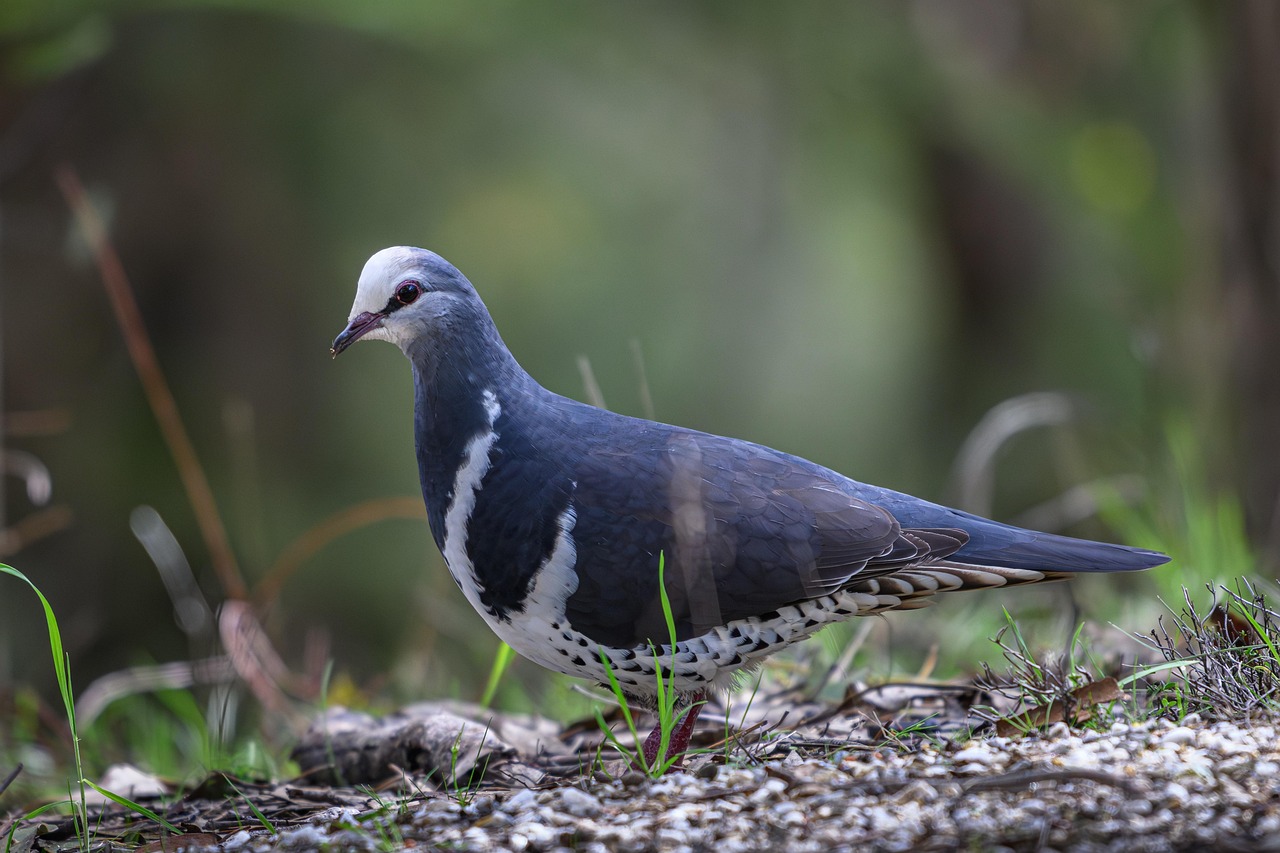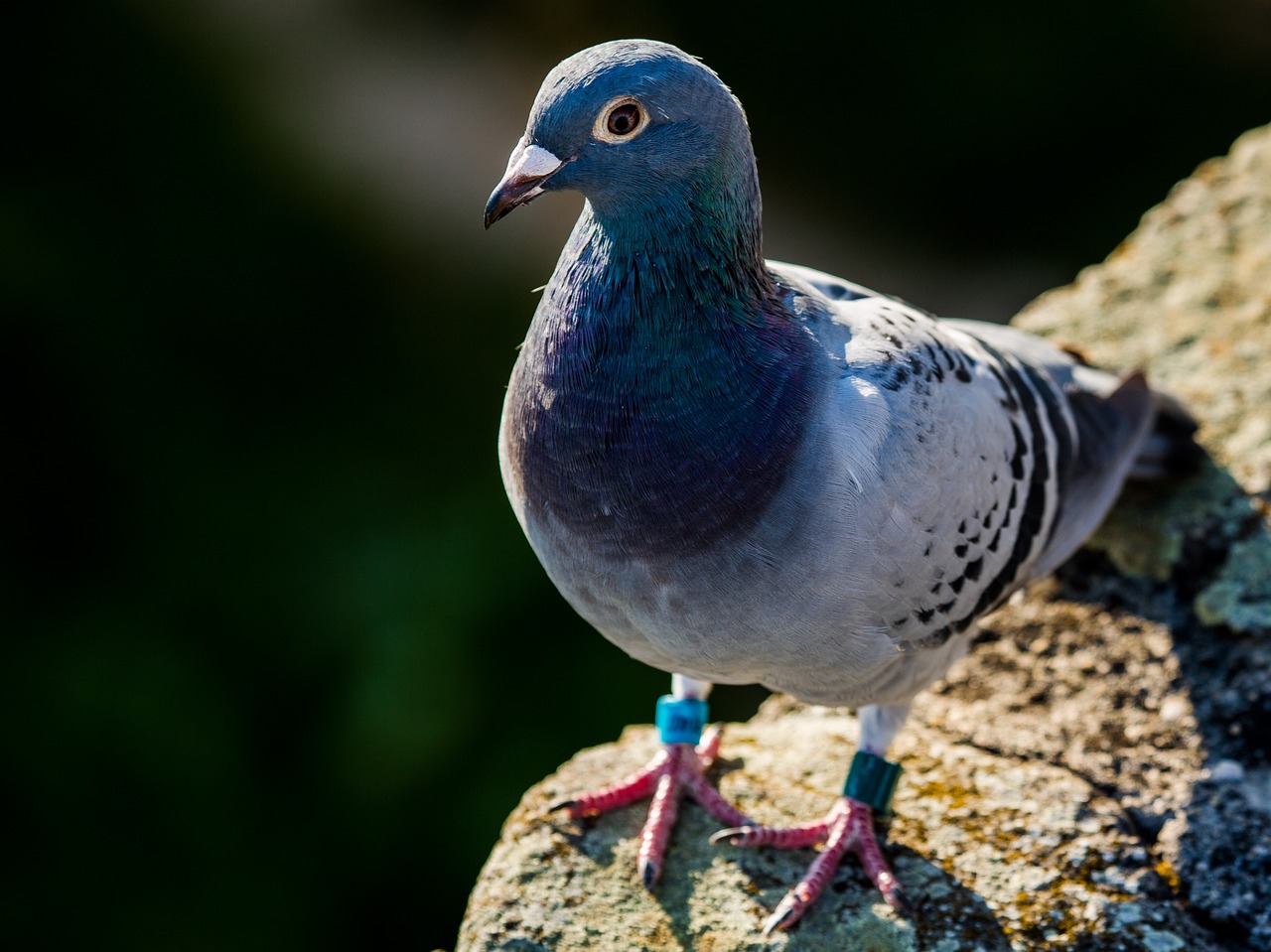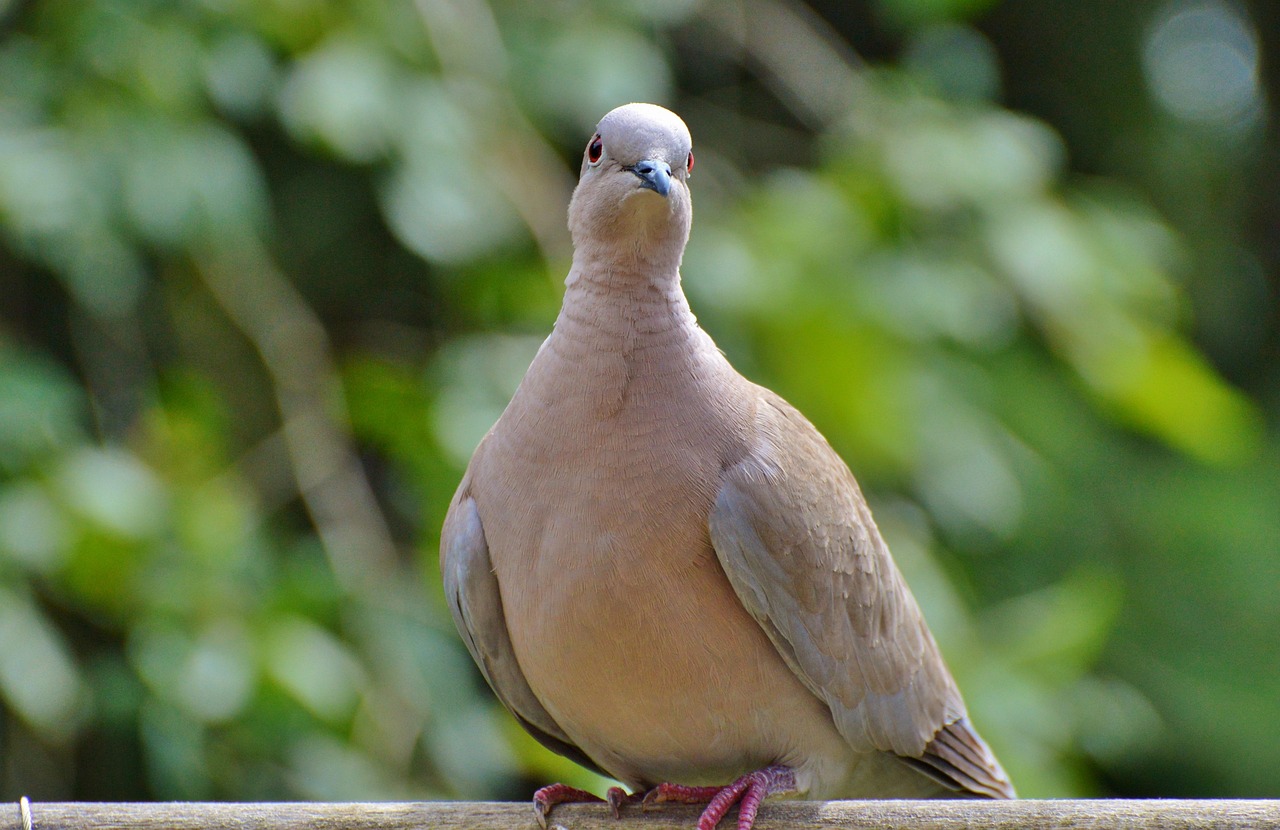
For pigeon enthusiasts, showcasing rare breeds is an art that demands precision and passion. The right equipment transforms a simple display into a breathtaking exhibition, highlighting every unique feather and graceful posture. This guide delves into the essential gear for creating stunning visual presentations that captivate judges and audiences alike.
The Foundation: Crafting the Perfect Show Cage Setup
A well-designed show cage setup is the cornerstone of any successful pigeon exhibition. It provides a secure, comfortable environment that allows birds to look their best while ensuring their safety and well-being. Investing in quality cages tailored to your breed's specific needs can make a significant difference in how your pigeons are perceived.
Choosing the Right Cage Design and Materials
Selecting an appropriate cage involves considering size, material, and aesthetics. For rare breeds, spacious cages that allow natural movement are crucial to prevent stress and feather damage. Opt for durable, non-toxic materials like stainless steel or powder-coated wire, which are easy to clean and maintain. The design should include smooth edges and secure latches to protect your pigeons from injury. Additionally, consider cages with removable perches and feeding stations to facilitate easy access during shows. Aesthetic elements, such as elegant finishes or custom colors, can enhance the overall presentation, making your setup stand out in competitive environments.
Beyond basic functionality, innovative features like modular panels or adjustable dividers offer flexibility for different breed sizes and show formats. These allow you to customize the space based on the pigeon's behavior and exhibition requirements. For instance, larger breeds may benefit from wider cages to showcase their wingspan, while smaller breeds might thrive in cozier setups that emphasize their delicate features. Always prioritize ventilation and visibility, ensuring that judges and spectators can appreciate your pigeons from all angles without obstruction.
Enhancing Comfort and Safety in the Setup
Comfort is paramount in a show cage setup, as stressed pigeons are less likely to display their natural beauty. Incorporate soft, non-slip flooring materials like rubber mats or natural bedding to provide a stable surface. This helps prevent foot injuries and encourages relaxed postures. Regularly inspect cages for sharp edges or loose components that could harm your birds. Temperature control is also vital; ensure the setup is placed in a well-ventilated area away from direct drafts or excessive heat, which can cause discomfort or health issues.
Safety measures extend to securing the cage against potential escapes or disturbances. Use reliable locks and consider adding privacy screens or covers to reduce external stimuli that might agitate your pigeons. During transport, invest in sturdy travel cages with shock-absorbent features to minimize stress. By prioritizing both comfort and safety, you create an environment where rare breeds can thrive, allowing their unique characteristics to shine through effortlessly. Remember, a calm and content pigeon is more likely to impress in any show setting.
- Opt for spacious, durable cages with smooth edges
- Use non-slip flooring and ensure proper ventilation
- Implement secure locks and transport solutions
Mastering Lighting for Pigeons in Display and Photography
Lighting for pigeons is a critical element that can make or break a presentation. Proper illumination highlights the intricate details of feathers, enhances colors, and creates a professional ambiance. Whether for live shows or photography, understanding how to manipulate light is key to showcasing rare breeds effectively.
Natural vs. Artificial Lighting Techniques
Natural light offers a soft, flattering effect that brings out the true colors of pigeon plumage. Position cages near windows with indirect sunlight to avoid harsh shadows or overheating. However, relying solely on natural light can be unpredictable due to weather changes. Supplement with artificial lighting, such as LED panels or softbox lights, to ensure consistent illumination. These tools allow you to control intensity and direction, creating a balanced setup that accentuates features like iridescent feathers or unique markings. For photography, use diffusers to soften light and reduce glare, ensuring every detail is captured crisply.
Artificial lighting also enables creative effects, such as backlighting to silhouette a pigeon's shape or side lighting to emphasize texture. Experiment with color temperatures; warmer lights can enhance reds and oranges in breeds like Fantails, while cooler tones might complement blues and grays in Modenas. Always avoid direct, harsh lights that cause discomfort or squinting in pigeons. By blending natural and artificial sources, you achieve a dynamic lighting for pigeons setup that adapts to various environments, from indoor exhibitions to outdoor photo shoots.
Avoiding Common Lighting Mistakes
One common error in lighting for pigeons is using overly bright or uneven sources that create unflattering shadows or wash out colors. To prevent this, position lights at multiple angles and use reflectors to fill in dark areas. Another mistake is neglecting the bird's comfort; ensure lights are not too hot or glaring, which can stress pigeons and affect their behavior. Regularly test your setup with your breeds to observe their reactions and adjust accordingly. For photography, avoid flash photography close-up, as it can startle birds and result in blurred images. Instead, opt for continuous lighting that allows for natural poses.
Additionally, consider the background when setting up lighting. A cluttered or poorly lit backdrop can distract from the pigeon's beauty. Use neutral colors and even illumination to keep the focus on the bird. In live shows, coordinate with venue lighting to complement your setup, ensuring your pigeons are highlighted without competing with other exhibits. By avoiding these pitfalls, you master lighting for pigeons, creating presentations that are both visually stunning and ethically sound.
Photography Gear for Capturing Rare Breed Elegance
High-quality photography is essential for documenting and promoting rare pigeon breeds. The right equipment helps capture every detail, from feather patterns to expressive eyes, preserving their beauty for portfolios and online showcases.
Essential Camera and Lens Selection
Invest in a DSLR or mirrorless camera with manual settings for greater control over exposure and focus. A macro lens is invaluable for close-up shots that reveal intricate feather details, while a standard zoom lens offers versatility for full-body images. Consider lenses with image stabilization to reduce blur, especially in low-light conditions. For action shots, such as pigeons in flight, a fast shutter speed and telephoto lens can capture dynamic moments without disturbing the birds. Always use a tripod to ensure stability, particularly for detailed studio work where precision is key.
Beyond hardware, understanding camera settings is crucial. Use a wide aperture (low f-stop) to create a shallow depth of field, isolating the pigeon from the background and emphasizing its features. Adjust ISO settings to balance light sensitivity with image noise, aiming for clear, sharp photos. Practice with different angles and compositions to find the most flattering perspectives for each breed. By combining technical expertise with creative vision, you produce photographs that do justice to the rarity and elegance of your pigeons.
Accessories for Enhanced Image Quality
Accessories like external flashes, diffusers, and reflectors can significantly improve photo quality. Softboxes or umbrellas help distribute light evenly, reducing harsh shadows and highlights. Use reflectors to bounce light onto darker areas, ensuring balanced exposure across the pigeon's body. For outdoor shoots, a polarizing filter can reduce glare and enhance color saturation, making plumage appear more vibrant. Additionally, remote shutter releases allow you to take photos without approaching the cage, minimizing stress on the birds.
Post-processing tools, such as photo editing software, enable fine-tuning of images. Adjust brightness, contrast, and color balance to accurately represent the pigeon's appearance. However, avoid over-editing that alters natural features, as authenticity is valued in breed documentation. By integrating these accessories and techniques, you create a comprehensive photography setup that captures the true essence of rare breeds, supporting both personal enjoyment and competitive endeavors.
Integrating Display and Photography for Maximum Impact
Combining an effective show cage setup with professional photography creates a cohesive strategy for showcasing rare pigeons. This integration enhances both live presentations and digital portfolios, maximizing visibility and appeal.
Synchronizing Environments for Consistency
Design your show cage setup with photography in mind, using backgrounds and lighting that translate well to images. For example, a neutral-colored cage backdrop can serve as a clean canvas for photos, reducing the need for extensive editing. Coordinate lighting setups so that the same illumination works for both live viewing and camera capture. This consistency ensures that your pigeons look equally impressive in person and in photographs, building a strong brand image for your breeds. Regularly update your setup based on feedback from shows or photo sessions, refining elements to better highlight unique traits.
In practice, this might involve creating a dedicated space where cages are arranged for optimal photography angles. Use portable lighting kits that can be easily adjusted for different shots. By synchronizing these environments, you streamline the process of documenting your pigeons, saving time and effort while achieving professional results. This approach also helps in preparing for competitions, as you can rehearse presentations and photo shoots in the same setting.
Leveraging Technology for Enhanced Presentations
Incorporate digital tools, such as tablets or screens, to display high-quality photos alongside live pigeons during shows. This allows audiences to appreciate close-up details that might be missed from a distance. Use social media and websites to share your photography, tagging breeds and using relevant hashtags to reach a wider audience. Video recordings can also complement still images, capturing movement and behavior that static photos cannot. By leveraging technology, you create an immersive experience that engages viewers and promotes your rare breeds effectively.
Consider using software like Ghawy – Pigeon Manager (غاوي – إدارة الحمام) to organize your display and photography assets. This tool helps track breed information, schedule shows, and manage image libraries, ensuring a professional approach to your hobby. Embrace innovations like 360-degree cameras or drones for unique perspectives, but always prioritize the well-being of your pigeons. By integrating display and photography with modern technology, you elevate your presentations to new heights, celebrating the beauty of rare breeds in dynamic ways.
Conclusion
Showcasing rare pigeon breeds requires a blend of thoughtful equipment and creative techniques. From crafting the ideal show cage setup to mastering lighting for pigeons, each element plays a vital role in highlighting their unique beauty. By investing in quality gear and integrating display with photography, enthusiasts can create compelling presentations that honor these magnificent birds. For those looking to streamline their efforts, tools like Ghawy – Pigeon Manager (غاوي – إدارة الحمام) offer valuable support in managing and promoting your collection. Embrace these strategies to elevate your hobby and share the splendor of rare breeds with the world.