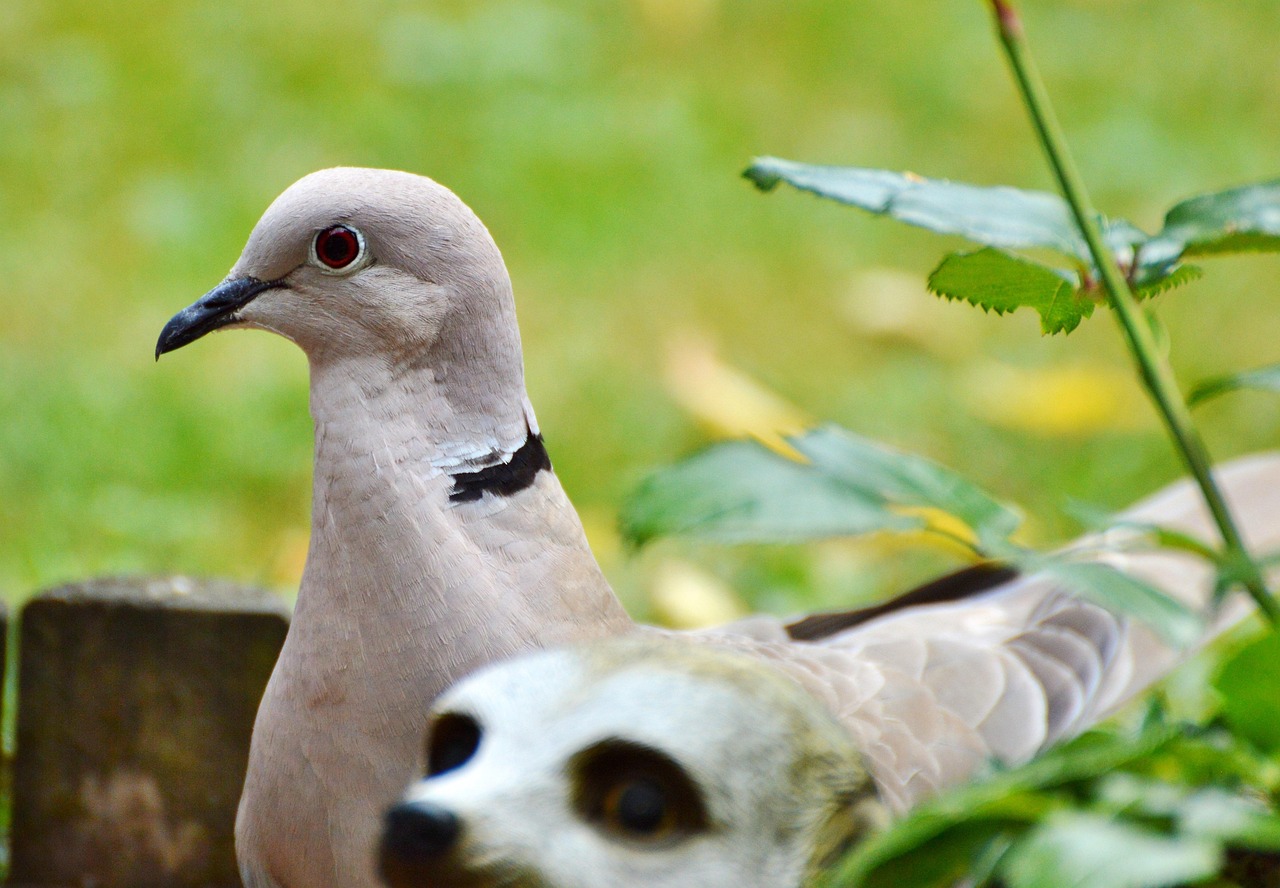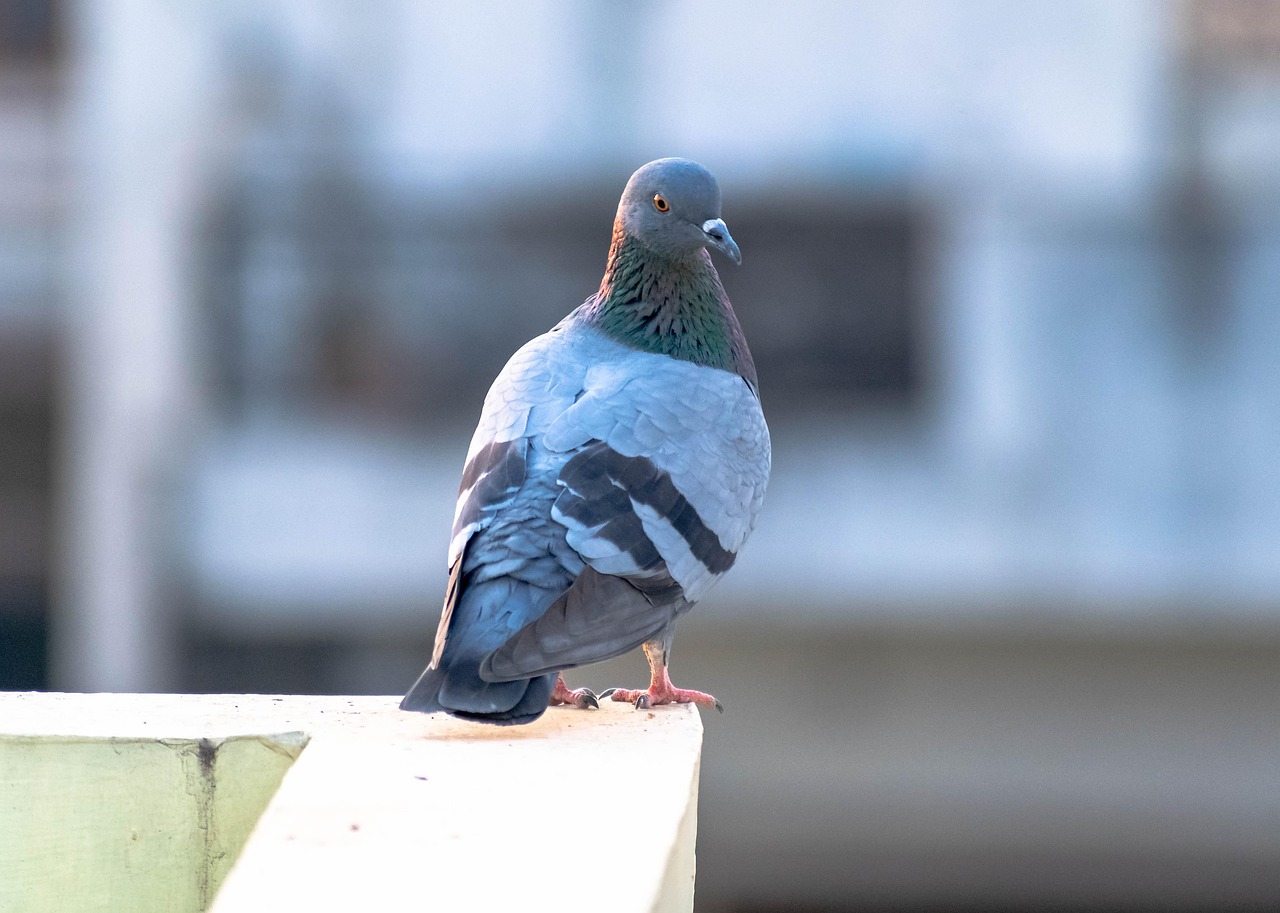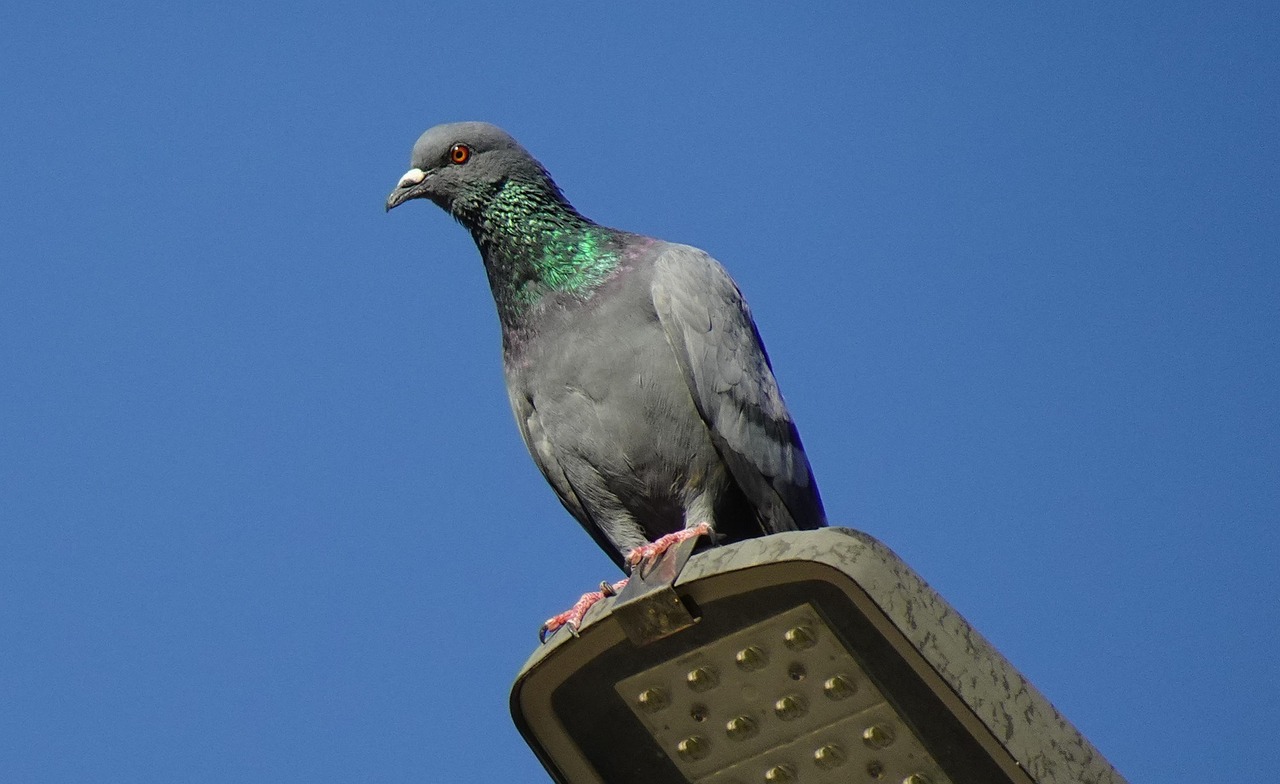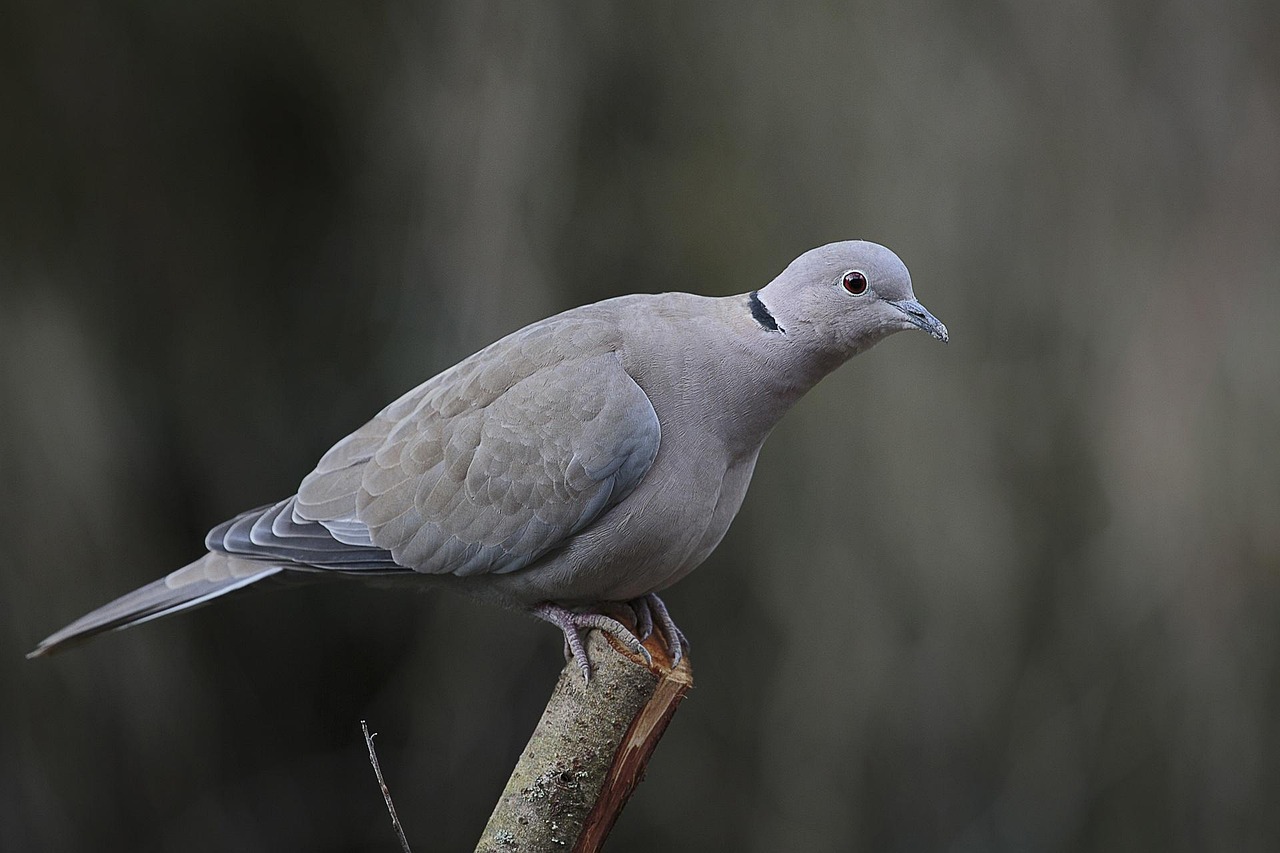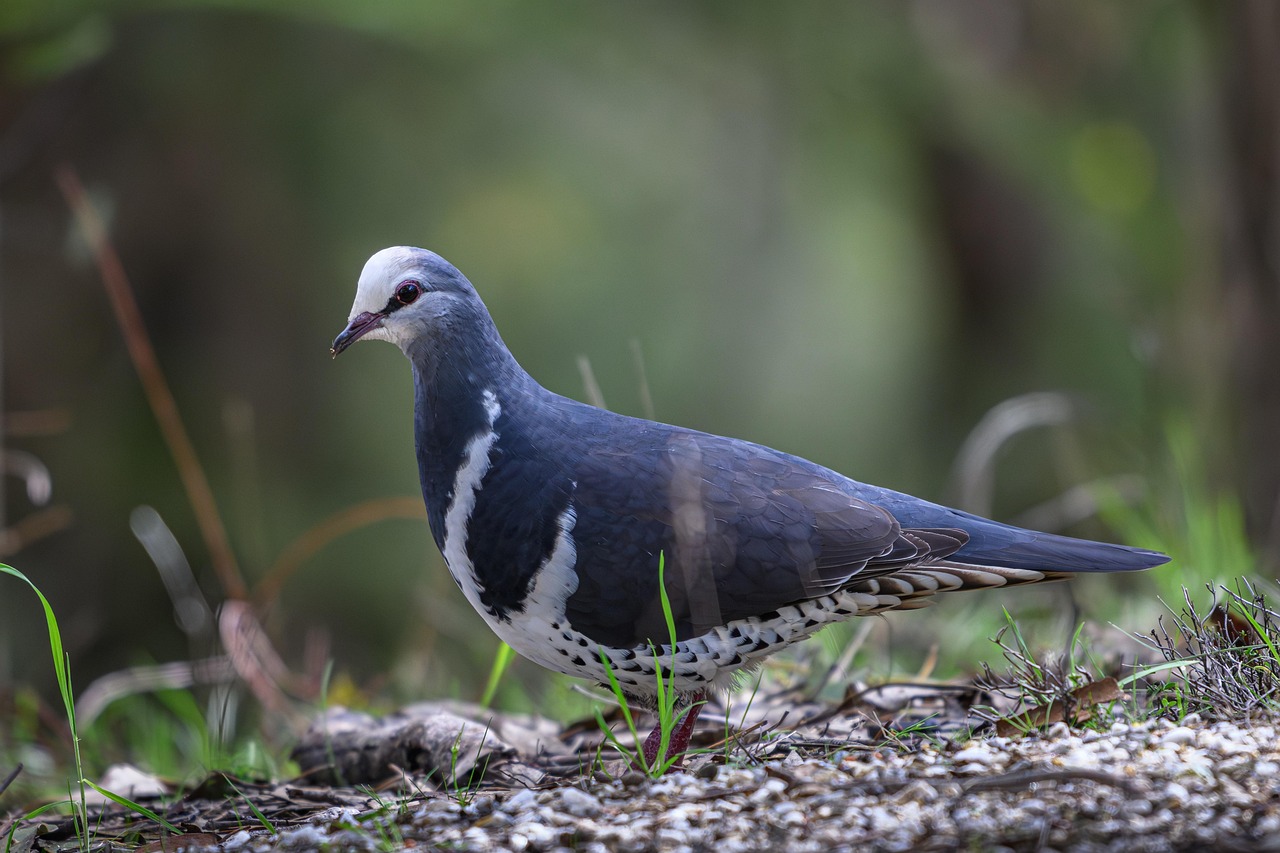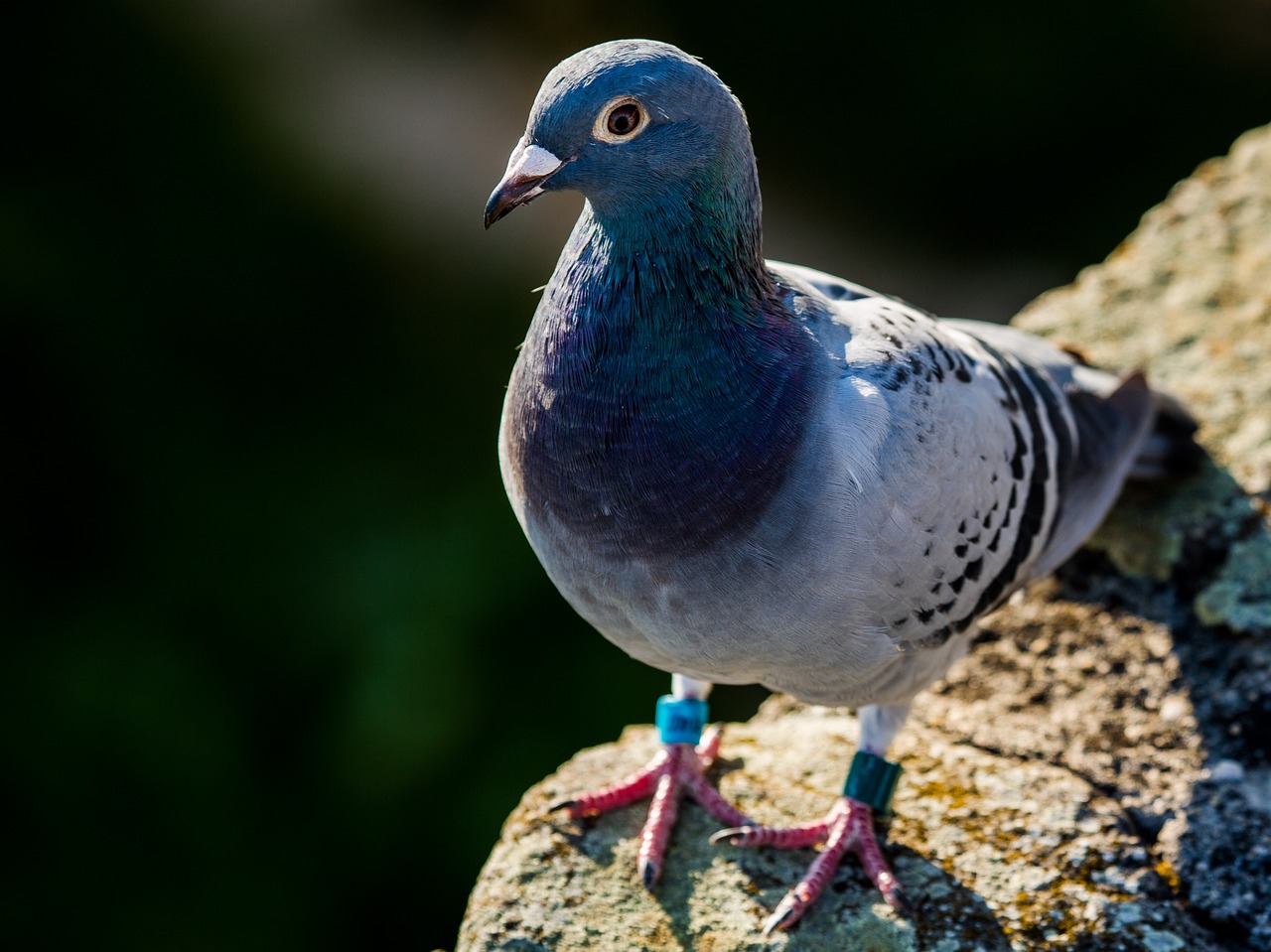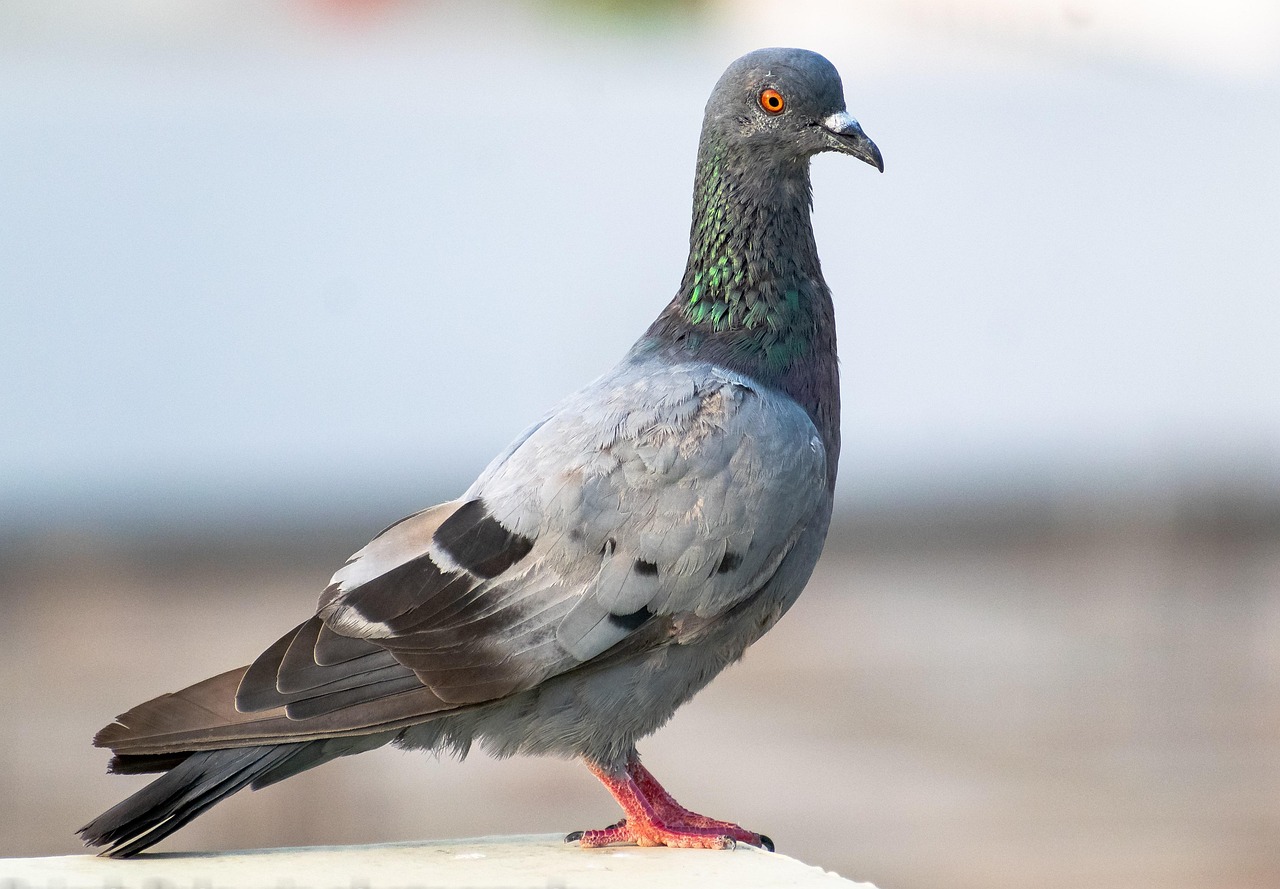
In the competitive world of pigeon shows, a stunning photograph can be the difference between a bird blending in and one that commands attention and value. This guide delves into the art of pigeon photography, offering expert techniques to capture your bird's best angles and enhance its market appeal through professional show presentation. By mastering these skills, you can transform how your pigeons are perceived, potentially increasing their worth and success in exhibitions.
The Art of Pigeon Photography: Capturing Beauty and Character
Pigeon photography is more than just taking pictures; it's about telling a story of elegance, health, and breed standards. A well-executed photo highlights the unique features that make your bird stand out, from its plumage to its posture. In show presentation, these images serve as a visual resume, attracting buyers and judges alike. This section explores why photography is crucial and how to approach it with a creative eye.
Understanding the Role of Photography in Show Presentation
Photography plays a pivotal role in show presentation by providing a first impression that can influence perceptions long before the bird is seen in person. A high-quality image showcases the pigeon's conformation, color, and condition, which are key factors in judging and sales. For enthusiasts, investing time in pigeon photography means building a portfolio that reflects care and expertise. It's not just about snapping a shot; it's about crafting an image that communicates value and pride in your breeding efforts.
To excel in this, consider the context of show presentation. Judges often review photos to pre-assess entries, while buyers use them to make purchasing decisions. A blurry or poorly lit photo can undermine even the finest bird. By focusing on clarity and detail, you ensure your pigeon gets the attention it deserves. Think of each photo as a marketing tool, designed to highlight strengths and minimize flaws, ultimately boosting marketability.
Essential Equipment for Professional Pigeon Shots
While you don't need the most expensive gear, having the right equipment can elevate your pigeon photography. A DSLR or mirrorless camera with a macro lens is ideal for capturing fine details like feather texture and eye color. For show presentation, consistency is key, so invest in a tripod to avoid shaky shots and ensure uniform angles across multiple photos. Lighting is another critical element; natural light works well, but a softbox or reflector can help eliminate shadows and enhance colors.
In addition to cameras, consider accessories like a clean backdrop to keep the focus on the bird. A neutral color, such as white or gray, works best for show presentation as it doesn't distract from the pigeon's features. Remember, the goal is to present your bird in its best light, literally and figuratively. With practice, even smartphone cameras can produce excellent results if you master composition and lighting techniques.
Techniques for Stunning Pigeon Photography
Mastering pigeon photography involves a blend of technical skills and artistic flair. This section covers practical methods to capture images that shine in show presentation, from angles to editing. By applying these techniques, you can create photos that not only document your birds but also celebrate their beauty.
Choosing the Right Angles and Poses
Angles and poses are crucial in pigeon photography for highlighting a bird's best attributes. For show presentation, aim for shots that display the pigeon's profile, showing off its head shape, beak, and body line. A side view often works well, but don't shy away from front or three-quarter angles to capture personality. Encourage natural poses by photographing your bird in a relaxed state, perhaps after a gentle handling session to reduce stress.
When setting up poses, consider the breed standards. For example, a racing pigeon might benefit from a dynamic pose that suggests speed, while a fancy breed could be shown in a stately stance. Use treats or gentle cues to guide your bird into position, but avoid forcing it, as this can lead to unnatural expressions. The key is to make the pigeon look confident and healthy, which translates well in photos for show presentation.
Lighting and Background Strategies
Lighting can make or break your pigeon photography. For show presentation, soft, diffused light is ideal as it reduces harsh shadows and brings out the true colors of the plumage. Shoot during the golden hours—early morning or late afternoon—when natural light is warm and flattering. If indoors, position your bird near a window or use artificial lights with diffusers to mimic this effect.
Backgrounds should complement, not compete with, your pigeon. A simple, uncluttered backdrop keeps the focus on the bird and is essential for professional show presentation. Avoid busy patterns or colors that clash with the pigeon's feathers. In post-processing, you can adjust the background further, but starting with a clean setup saves time. Remember, the goal is to create images that look polished and ready for exhibition catalogs or online listings.
Enhancing Show Presentation Through Photography
Photography is a powerful tool for enhancing show presentation, as it allows you to control how your pigeon is perceived. This section discusses how to use photos to build a compelling narrative and improve market value. By integrating photography into your overall strategy, you can create a cohesive and attractive presentation.
Creating a Visual Portfolio for Your Pigeons
A visual portfolio is essential for effective show presentation, as it provides a comprehensive view of your birds' qualities. Start by taking multiple photos from different angles and in various settings to showcase versatility. Include close-ups of key features, such as eyes, feet, and feather patterns, which are often scrutinized in shows. Organize these images into a digital album or print them for physical displays.
For show presentation, update your portfolio regularly to reflect your pigeons' growth and condition. Highlight achievements, such as awards or breeding successes, alongside the photos to add context. This not only aids in marketing but also helps you track progress over time. A well-maintained portfolio demonstrates professionalism and can be a deciding factor for buyers or judges evaluating your birds.
Using Photography to Highlight Breed Standards
Photography is an excellent way to emphasize how your pigeons meet or exceed breed standards, a critical aspect of show presentation. Research the specific criteria for your breed, such as size, color, and posture, and tailor your photos to showcase these elements. For instance, if your breed is known for a particular feather pattern, use lighting and angles to make it pop.
In show presentation, include descriptive captions with your photos to point out these standards. This educates viewers and reinforces your expertise. By aligning your photography with judging criteria, you make it easier for others to appreciate your bird's quality. Over time, this focused approach can lead to better show results and higher market value, as your photos become a trusted reference.
Practical Tips for Successful Pigeon Photography Sessions
Executing a successful pigeon photography session requires planning and patience. This section offers actionable advice to streamline the process and ensure high-quality results for show presentation. From preparation to post-processing, these tips will help you capture images that stand out.
Preparing Your Pigeon for the Camera
Preparation is key to effective pigeon photography. Before a session, ensure your bird is clean and healthy, as this directly impacts show presentation. Groom feathers, trim nails if necessary, and provide a calm environment to reduce stress. A relaxed pigeon is more likely to pose naturally, resulting in better photos. Consider scheduling sessions after feeding or during quiet times of day.
Have all equipment ready in advance to minimize disruptions. Use a familiar space, such as your loft or a designated photo area, to help the pigeon feel at ease. Keep sessions short to maintain the bird's cooperation and avoid fatigue. By prioritizing your pigeon's comfort, you not only get better shots but also uphold ethical standards in show presentation.
Post-Processing for Professional Results
Post-processing can enhance your pigeon photography without altering the bird's true appearance, which is vital for honest show presentation. Use software like Adobe Lightroom or free alternatives to adjust brightness, contrast, and color balance. Focus on subtle edits that improve clarity, such as sharpening details or removing minor distractions from the background.
Avoid over-editing, as this can misrepresent your pigeon and harm credibility in show circles. Stick to adjustments that reflect what the bird looks like in person. Save edited images in high resolution for print or web use, ensuring they remain crisp in various formats. By mastering post-processing, you add a professional touch to your photos, making them more effective for show presentation.
Conclusion
Mastering pigeon photography is a transformative skill for any enthusiast looking to elevate their show presentation and increase market value. By focusing on techniques like angle selection, lighting, and portfolio building, you can create compelling images that highlight your birds' best qualities. Remember, consistency and attention to detail are key to standing out in competitive shows. For those seeking to streamline their efforts, tools like Ghawy – Pigeon Manager (غاوي – إدارة الحمام) offer valuable support in managing and presenting your pigeons effectively. Embrace these strategies to capture the beauty of your birds and watch their appeal soar.