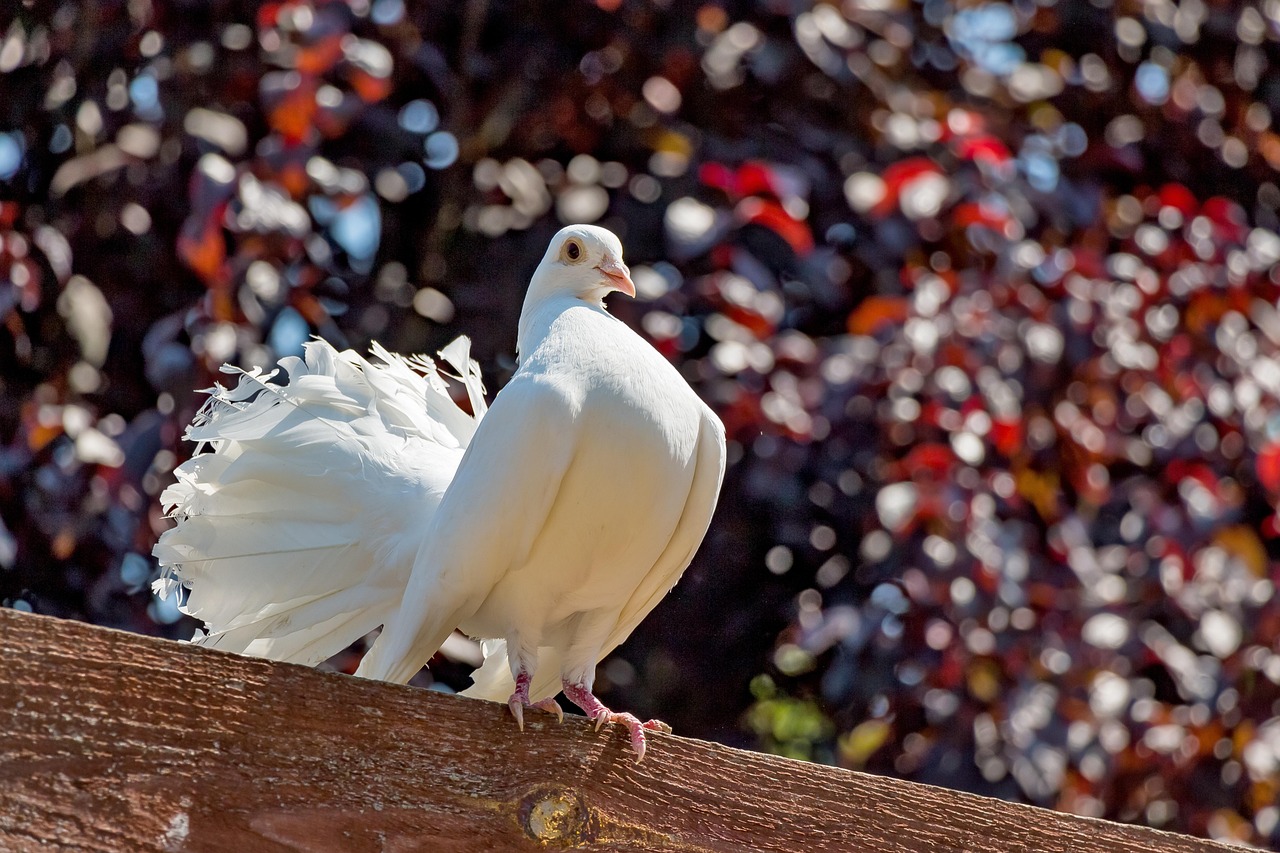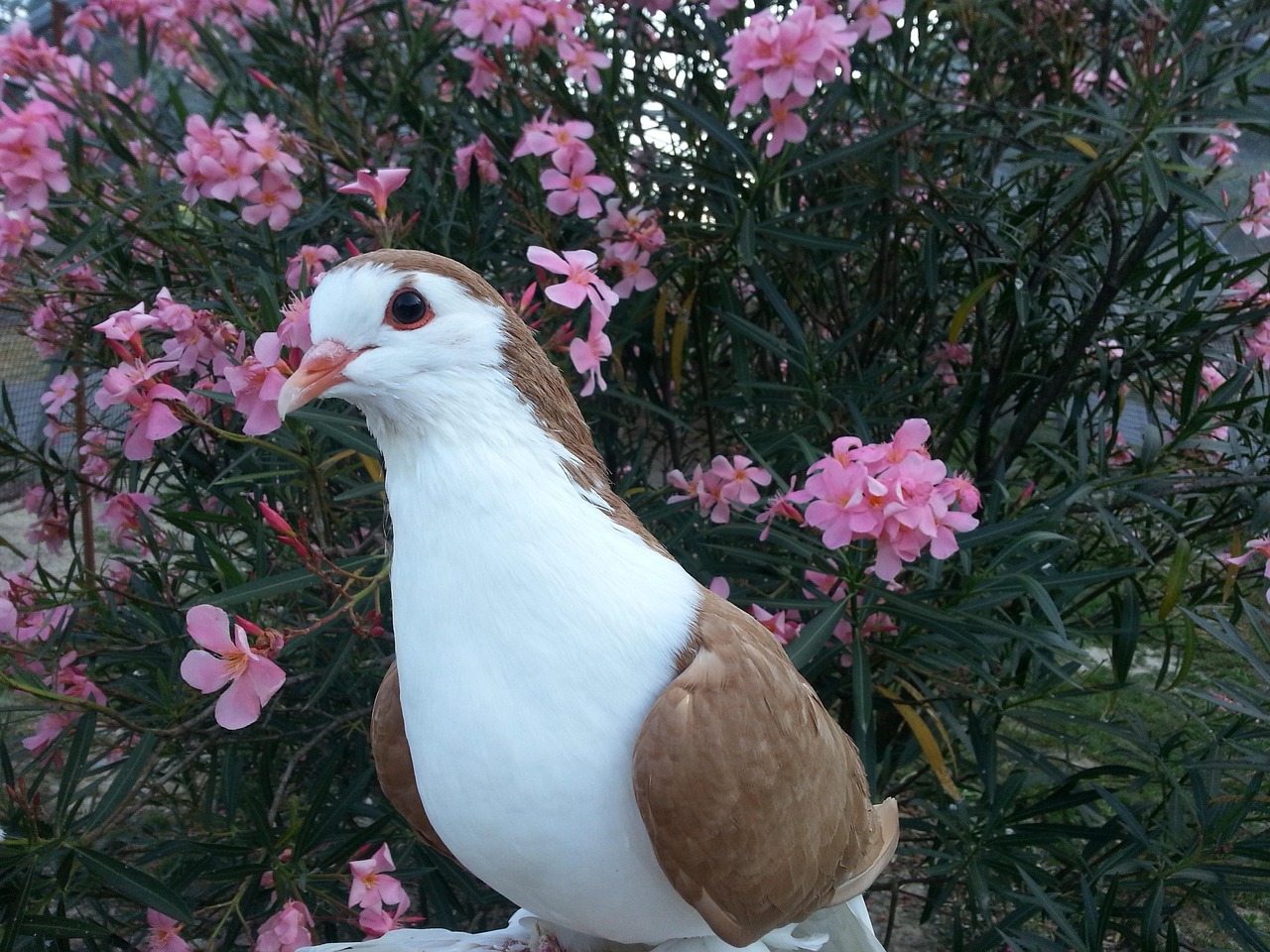
For pigeon enthusiasts, presenting rare breeds in their full glory is an art form that demands precision and passion. The right equipment can transform a simple exhibition into a breathtaking showcase, highlighting every intricate feather and unique characteristic. This guide delves into the essential tools and techniques for creating stunning displays and capturing professional-quality images of your prized pigeons.
Mastering the Show Cage Setup for Optimal Presentation
A well-designed show cage setup is the foundation of any successful pigeon exhibition, providing a safe and visually appealing environment that allows rare breeds to shine. It's not just about containment; it's about creating a stage that enhances the bird's natural beauty and behavior. Investing time in selecting and arranging the right cage can make a significant difference in how judges and spectators perceive your pigeons, turning a good display into an award-winning one.
Choosing the Right Cage Design and Materials
When selecting a cage for your show cage setup, prioritize materials that are both durable and aesthetically pleasing. Stainless steel or powder-coated aluminum cages are excellent choices as they resist corrosion, are easy to clean, and offer a sleek, professional look. The design should include smooth edges to prevent injuries and adequate ventilation to ensure your pigeon remains comfortable during long exhibitions. Consider cages with removable trays for effortless cleaning, which is crucial for maintaining hygiene and presenting a spotless appearance. The size of the cage is equally important; it should be spacious enough for the pigeon to move naturally without appearing cramped, yet compact enough to focus attention on the bird. For rare breeds, custom-sized cages can be beneficial to accommodate specific traits, such as longer tails or larger body frames, ensuring they are displayed to their full advantage.
Enhancing Display with Strategic Accessories and Layout
Accessories play a vital role in elevating your show cage setup from basic to exceptional. Start with a high-quality perch that mimics natural branches, providing comfort and encouraging natural postures that showcase the pigeon's form. Incorporate subtle background elements, such as neutral-colored fabrics or themed backdrops, to draw attention to the bird without overwhelming the scene. The layout of the cage within the exhibition space is also critical; position it at eye level for easy viewing and ensure it is well-lit from multiple angles to avoid shadows. Adding informational plaques with details about the breed's rarity and characteristics can educate viewers and add a professional touch. Remember, every element should complement the pigeon, not distract from it, creating a cohesive and engaging display that highlights its unique qualities.
Optimizing Lighting for Pigeons to Highlight Rare Features
Lighting for pigeons is a game-changer in both live displays and photography, as it can accentuate colors, textures, and details that might otherwise go unnoticed. Proper lighting not only enhances visual appeal but also affects the bird's behavior, making it appear more vibrant and active. By understanding how to manipulate light, you can create dynamic effects that bring out the best in your rare breeds, whether under the bright lights of a show hall or in a controlled studio setting.
Selecting the Best Light Sources and Color Temperatures
Choosing the right light sources is essential for effective lighting for pigeons. LED panels are highly recommended due to their energy efficiency, low heat output, and adjustable brightness, which prevents stressing the birds. Aim for a color temperature around 5000-5500 Kelvin, which provides a neutral white light that accurately renders colors without casting unwanted hues. This is particularly important for rare breeds with unique plumage, as it ensures their natural shades are displayed truthfully. Avoid harsh direct lighting that can create glare or shadows; instead, use diffusers or softboxes to spread light evenly across the cage. For photography, consider adding fill lights to eliminate dark areas and highlight specific features, such as iridescent feathers or eye color. Experiment with different angles to find the most flattering setup, keeping in mind that side lighting can enhance texture, while front lighting ensures even illumination.
Implementing Techniques for Dynamic and Natural Effects
To achieve professional results with lighting for pigeons, employ techniques that mimic natural conditions and add depth to your displays. Use a combination of key lights, fill lights, and backlights to create dimension, with backlighting especially useful for highlighting silhouettes and feather edges. For live shows, incorporate adjustable lighting systems that can be tailored to different breeds or times of day, enhancing the overall ambiance. In photography, consider using reflectors to bounce light onto shadowed areas, ensuring no detail is lost. Pay attention to the pigeon's comfort by avoiding sudden brightness changes and allowing for acclimation periods. By mastering these techniques, you can create stunning visual effects that make your rare pigeons stand out, capturing their elegance in a way that resonates with audiences and judges alike.
Essential Photography Equipment for Capturing Rare Breeds
Photographing rare pigeons requires specialized gear to capture their beauty with clarity and artistry. From cameras to lenses, each piece of equipment plays a crucial role in producing images that do justice to these unique birds. Investing in quality photography tools not only enhances your portfolio but also helps in documenting and promoting rare breeds, sharing their splendor with a wider audience.
Choosing Cameras and Lenses for Detailed Shots
For capturing intricate details of rare pigeons, a DSLR or mirrorless camera with high resolution is ideal, as it allows for crisp images that can be enlarged without losing quality. Pair this with a macro lens to focus on fine features like feather patterns or eye details, or use a telephoto lens for candid shots from a distance without disturbing the bird. Ensure your camera has good low-light performance to complement your lighting for pigeons setup, reducing noise in dimmer environments. Additional accessories like tripods provide stability for sharp shots, while remote shutters help avoid camera shake. Regularly clean your equipment to maintain image clarity, and practice with different settings to master exposure and focus techniques tailored to avian photography.
Utilizing Backdrops and Props for Artistic Composition
Backdrops and props can transform pigeon photography from simple snapshots into artistic compositions. Select backdrops in solid colors or subtle patterns that contrast with the bird's plumage, making it pop in the frame. Props like natural perches or decorative elements should be used sparingly to avoid clutter, focusing attention on the pigeon. Experiment with angles and compositions, such as close-ups for detail or wider shots to show the bird in its environment. By thoughtfully arranging these elements, you can create visually striking images that highlight the rarity and beauty of your pigeons, perfect for exhibitions or online sharing.
Advanced Techniques for Show Preparation and Staging
Beyond equipment, successful showcasing of rare pigeons involves meticulous preparation and staging techniques. From grooming to transportation, every step contributes to a flawless presentation that maximizes impact. By adopting advanced strategies, you can ensure your birds are not only visually stunning but also comfortable and ready to perform at their best.
Grooming and Health Maintenance for Peak Condition
Prior to any show, thorough grooming is essential to present your pigeons in peak condition. This includes bathing to clean feathers, trimming nails, and checking for any signs of illness or stress. A healthy diet and regular exercise leading up to the event can enhance their vitality and appearance. During the show, maintain a calm environment to keep birds relaxed, using familiar items from their home cage to reduce anxiety. Monitor their behavior closely, adjusting your show cage setup as needed to ensure they remain comfortable and display naturally.
Transportation and On-Site Management Strategies
Safe transportation is critical for getting your rare pigeons to shows without stress or injury. Use secure carriers with proper ventilation and cushioning, and plan routes to minimize travel time. Upon arrival, set up your display early to allow birds to acclimate, checking lighting for pigeons and other equipment for functionality. Have a backup plan for any issues, such as extra lighting or cages, to handle unexpected challenges. By managing these logistics effectively, you can focus on showcasing your birds with confidence and professionalism.
Conclusion
Showcasing rare pigeons is a rewarding endeavor that blends art and science, requiring careful attention to equipment and techniques. From optimizing your show cage setup to mastering lighting for pigeons, each element contributes to a presentation that highlights the unique beauty of these breeds. By investing in quality gear and adopting best practices, you can create memorable displays and photographs that captivate audiences. For further guidance on managing your pigeon collection, explore resources like Ghawy – Pigeon Manager (غاوي – إدارة الحمام), which offers tools to streamline your hobby. Embrace these insights to elevate your showcasing skills and celebrate the splendor of rare pigeons with pride.