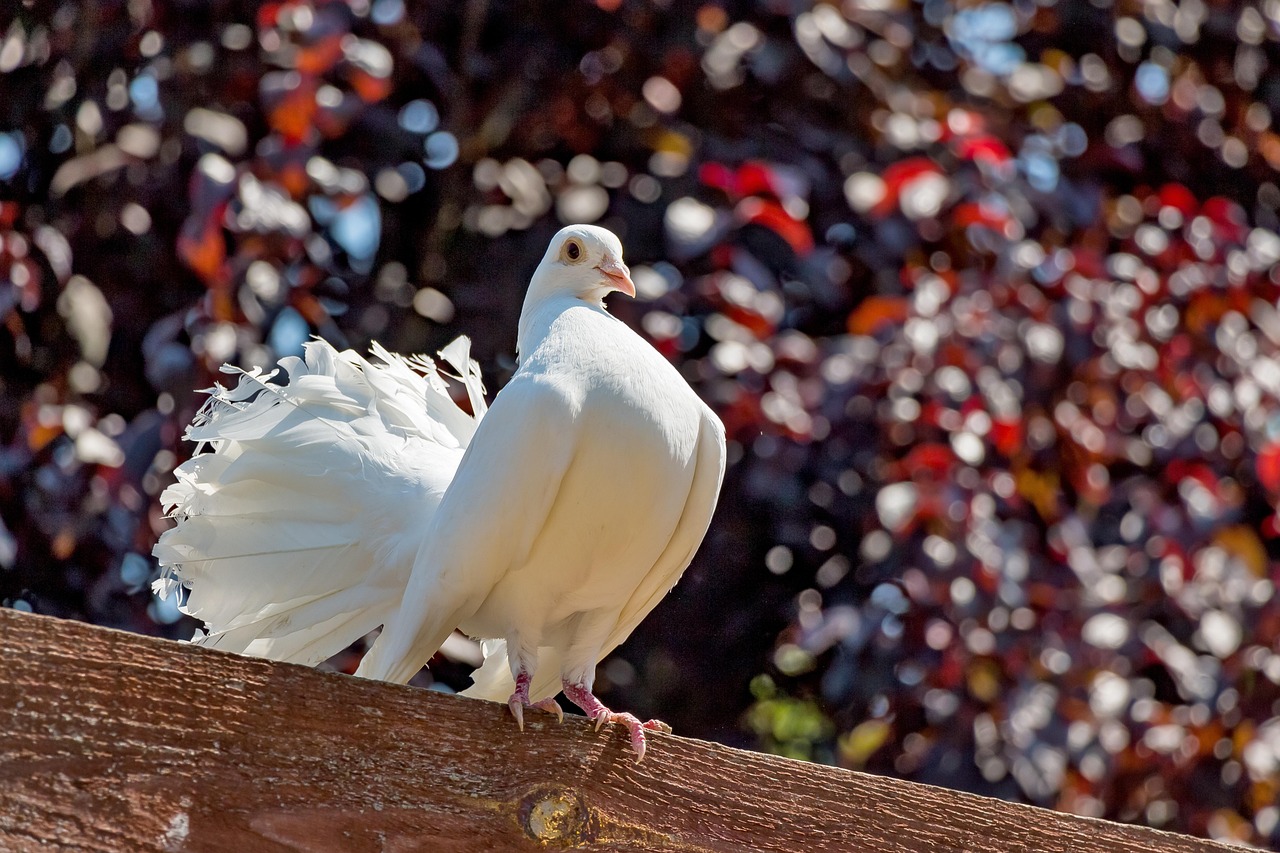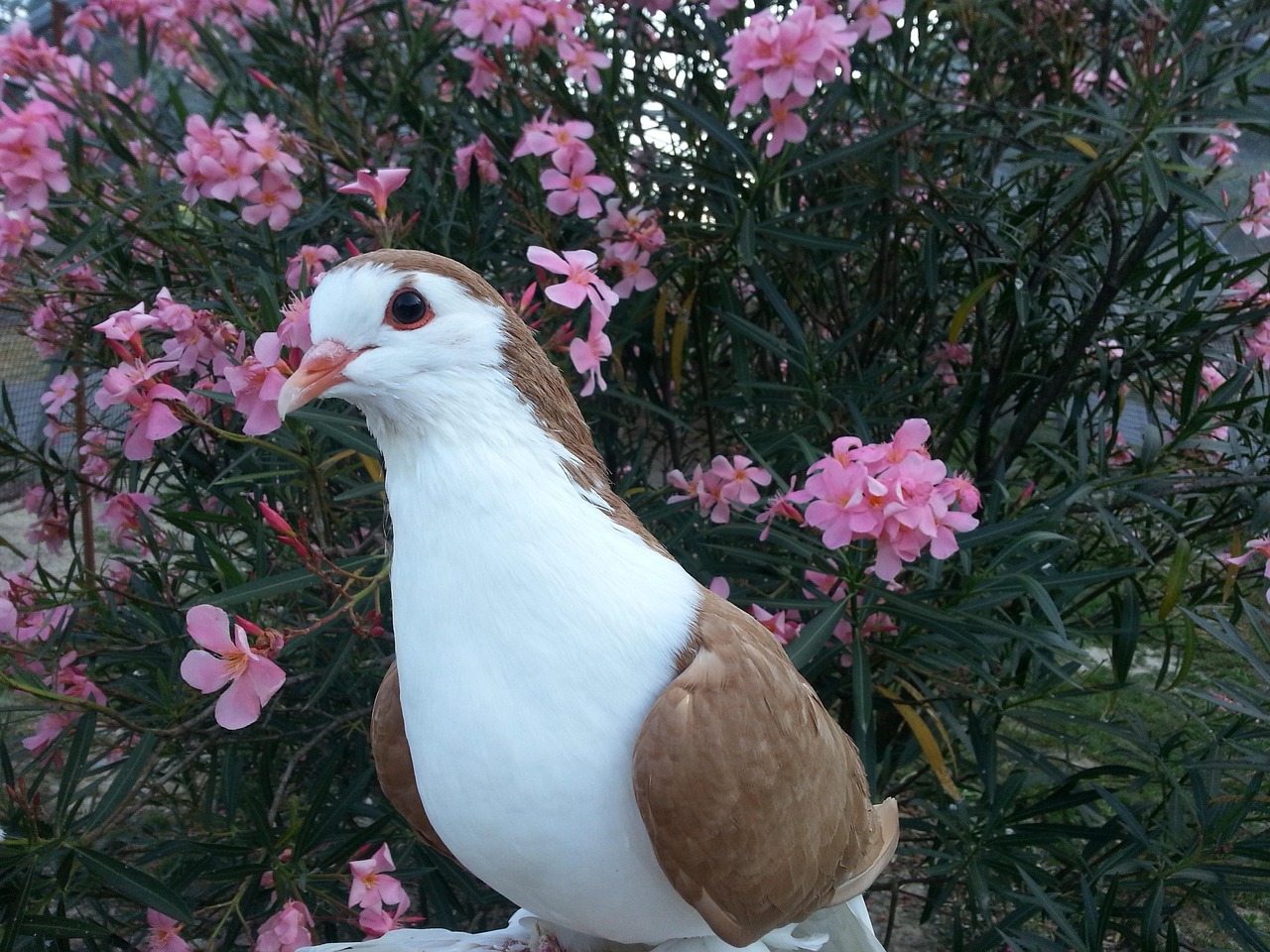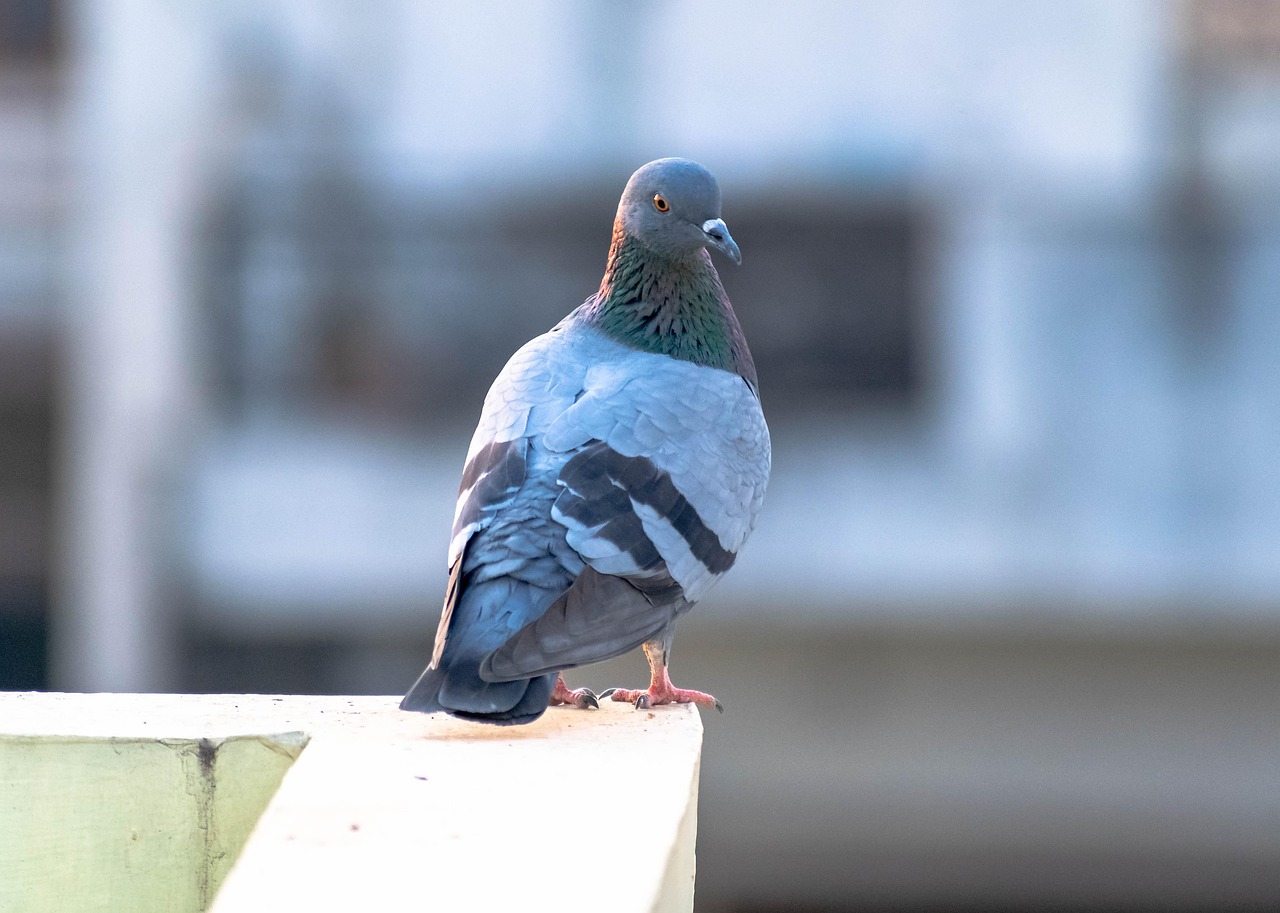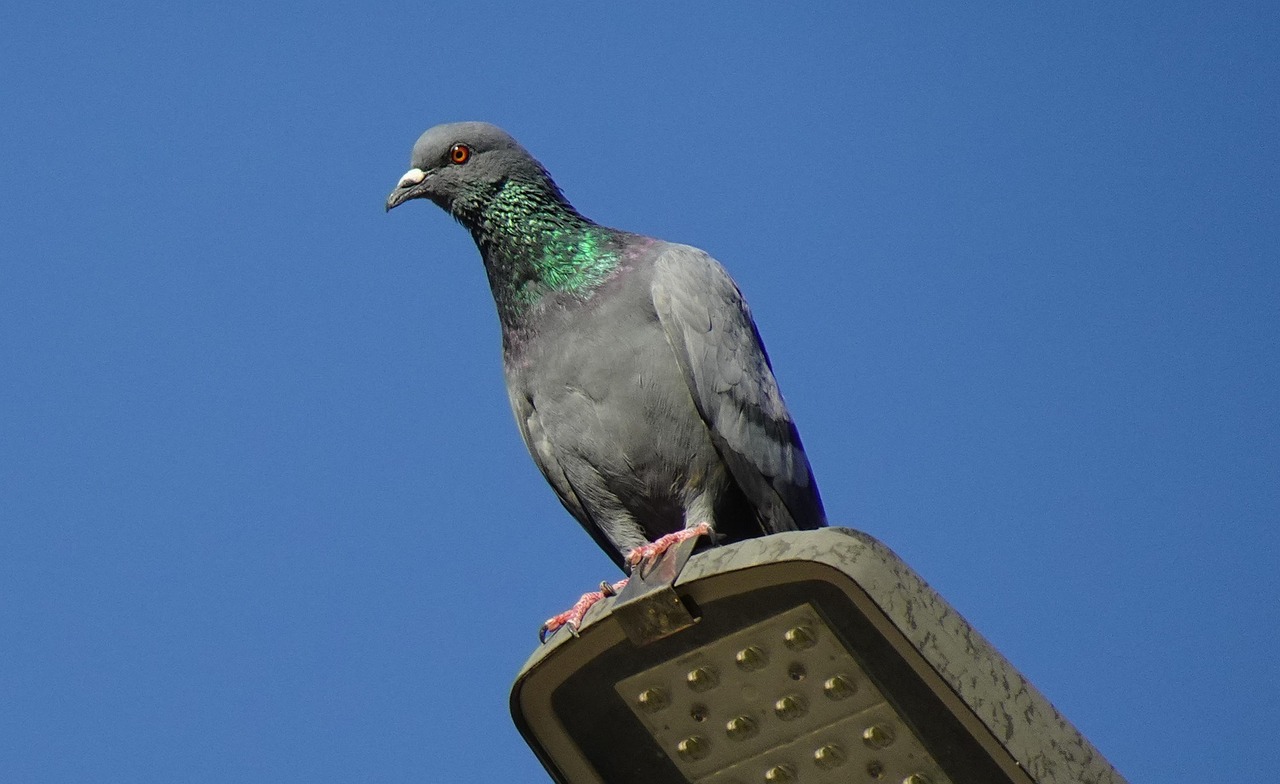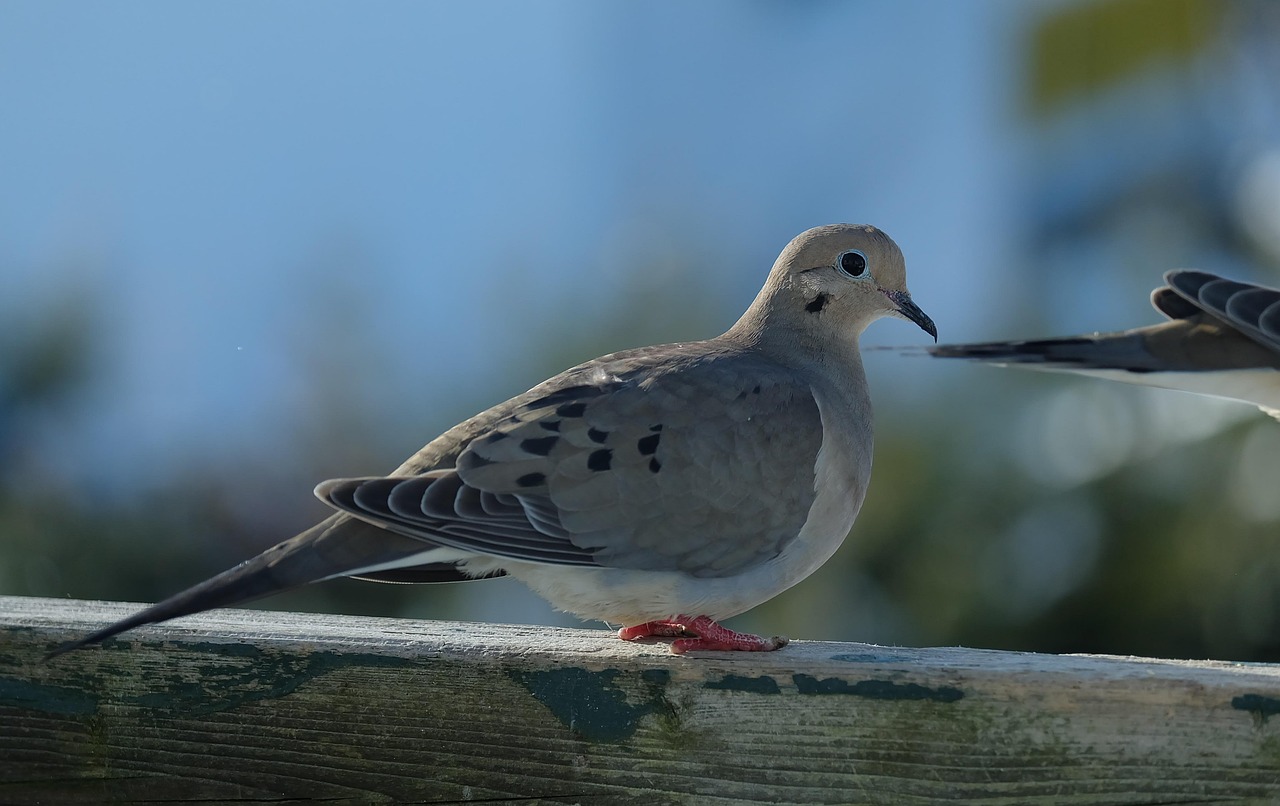
For pigeon enthusiasts, presenting rare breeds in their full glory is an art form that demands precision and passion. The right equipment can transform a simple exhibition into a breathtaking showcase, highlighting every intricate feather and unique characteristic. This guide delves into the essential tools and techniques for creating stunning displays and capturing professional-quality images of your prized pigeons.
Mastering the Show Cage Setup for Maximum Impact
A well-designed show cage setup is the foundation of any successful pigeon exhibition, providing a safe and visually appealing environment that allows rare breeds to shine. It's not just about containment; it's about creating a stage that enhances the bird's natural beauty and behavior. Investing time in selecting and arranging the right cage can make a significant difference in how judges and spectators perceive your pigeons, turning a good display into an award-winning one.
Choosing the Ideal Cage Design and Materials
When selecting a cage for your show cage setup, prioritize materials that are both durable and aesthetically pleasing. Stainless steel or powder-coated metal cages are excellent choices as they resist corrosion and are easy to clean, ensuring a hygienic environment for your birds. The design should include smooth, rounded edges to prevent injuries and ample space for the pigeon to move comfortably without feeling cramped. Opt for cages with removable trays and perches that can be adjusted to suit different breeds, allowing you to customize the setup based on the specific needs of your rare pigeons. A well-chosen cage not only protects your bird but also serves as a frame that directs attention to its finest features.
Consider the size of the cage carefully; it should be large enough to allow natural posturing but not so big that the pigeon appears lost. For most rare breeds, a cage measuring approximately 24 inches in length, 18 inches in width, and 18 inches in height provides an ideal balance. Additionally, look for cages with secure locking mechanisms to prevent escapes during transport or exhibition. By focusing on these details, you create a show cage setup that is both functional and visually striking, setting the stage for a memorable display.
Enhancing Display with Strategic Accessories
Accessories play a crucial role in elevating your show cage setup from basic to exceptional. Start with a high-quality perch that mimics natural branches, encouraging your pigeon to adopt a confident and relaxed posture. Soft, non-slip flooring materials, such as rubber mats or natural wood shavings, provide comfort and prevent slipping, which is especially important for breeds with delicate feet. Incorporate subtle background elements, like neutral-colored drapes or custom backdrops, to minimize distractions and keep the focus on the bird. These additions not only improve the pigeon's well-being but also contribute to a polished and professional appearance.
To further enhance the display, consider adding informational placards that highlight the breed's rarity and unique traits. This educates viewers and adds context to your presentation. Keep accessories minimal and cohesive; avoid cluttering the cage with too many items that could overwhelm the pigeon or detract from its beauty. By thoughtfully selecting and arranging accessories, you create a show cage setup that showcases your rare pigeons in the best possible light, making them stand out in any competition or exhibition.
Optimizing Lighting for Pigeons to Highlight Rare Features
Lighting for pigeons is a critical element in both live displays and photography, as it can dramatically affect how colors, textures, and details are perceived. Proper illumination not only enhances visual appeal but also ensures that the pigeon's natural hues and patterns are accurately represented. Whether you're preparing for a show or capturing images for documentation, understanding how to use light effectively will help you showcase the unique characteristics of rare breeds with clarity and vibrancy.
Natural vs. Artificial Light: Balancing for Best Results
Natural light is often the most flattering for pigeons, as it provides a full spectrum of colors and reduces harsh shadows. When setting up a display near a window or in an outdoor area, position the cage so that soft, indirect sunlight illuminates the bird from the side or front, avoiding direct beams that can cause glare or overheating. However, relying solely on natural light can be unpredictable due to weather changes and time of day. To ensure consistency, supplement with artificial lighting sources, such as LED panels or softbox lights, which offer adjustable brightness and color temperature. This combination allows you to maintain optimal lighting for pigeons regardless of external conditions.
When using artificial lights, aim for a color temperature around 5000-5500 Kelvin, which mimics daylight and renders colors accurately. Avoid fluorescent bulbs that can cast unflattering green or blue tints, distorting the pigeon's appearance. Position lights at multiple angles to eliminate harsh shadows and create a balanced, three-dimensional effect. By mastering the interplay between natural and artificial light, you can achieve lighting for pigeons that highlights every detail, from iridescent neck feathers to subtle markings, making your rare breeds look their absolute best.
Avoiding Common Lighting Mistakes in Pigeon Displays
One of the most common errors in lighting for pigeons is using lights that are too bright or too dim, which can either wash out colors or leave important features in shadow. To avoid this, test different intensities and adjust based on the pigeon's coloration; lighter breeds may require softer light, while darker ones might need slightly brighter illumination to bring out details. Another mistake is placing lights directly above the cage, which can create unflattering top-down shadows that obscure the bird's face and body. Instead, position lights at a 45-degree angle to the side or front, ensuring even coverage and minimizing glare.
Additionally, be mindful of heat generated by lighting equipment, as pigeons are sensitive to temperature changes. Opt for cool-running LED lights to prevent discomfort or stress. Regularly check for flickering or inconsistent output, which can distract the pigeon and affect photo quality. By addressing these pitfalls, you create a lighting setup that is both effective and humane, enhancing the visual appeal of your rare pigeons without compromising their well-being. Remember, the goal is to use lighting for pigeons as a tool to accentuate their natural beauty, not to overwhelm or alter it.
Photography Equipment for Capturing Stunning Pigeon Images
Photographing rare pigeons requires specialized gear to capture their elegance and uniqueness with precision. From cameras to lenses, each piece of equipment plays a vital role in producing high-quality images that can be used for breeding records, exhibitions, or promotional purposes. Investing in the right tools will allow you to document your birds in stunning detail, preserving their beauty for years to come.
Essential Camera and Lens Recommendations
A DSLR or mirrorless camera with manual settings is ideal for pigeon photography, as it offers greater control over exposure, focus, and depth of field. Look for models with high resolution (at least 24 megapixels) to capture fine details, such as feather textures and eye clarity. Pair your camera with a macro lens, which is excellent for close-up shots that highlight intricate patterns, or a standard zoom lens (e.g., 24-70mm) for full-body portraits. These lenses allow you to adjust framing without disturbing the pigeon, ensuring natural and relaxed poses. Additionally, consider a tripod to stabilize your shots and reduce blur, especially in low-light conditions.
For action shots or birds in flight, a telephoto lens (e.g., 70-200mm) can help you capture dynamic moments from a distance. Ensure your equipment is lightweight and portable for ease of use during exhibitions or outdoor sessions. By selecting the right camera and lenses, you set the foundation for professional-quality images that showcase your rare pigeons in all their splendor.
Techniques for Achieving Sharp and Vibrant Photos
To achieve sharp images, use a fast shutter speed (at least 1/500th of a second) to freeze motion, especially if the pigeon is active. Adjust the aperture to control depth of field; a wider aperture (e.g., f/2.8) creates a blurred background that makes the bird stand out, while a narrower aperture (e.g., f/8) keeps more of the scene in focus. Pay attention to composition by framing the pigeon against a clean, uncluttered background and using the rule of thirds to create balanced shots. Experiment with different angles, such as eye-level perspectives, to capture engaging and intimate portraits.
Post-processing can enhance your photos further, but aim for subtle adjustments to maintain natural colors. Use software like Adobe Lightroom to fine-tune exposure, contrast, and saturation without over-editing. By combining technical skills with creative techniques, you can produce vibrant and sharp images that truly do justice to your rare pigeons.
Integrating Display and Photography for Cohesive Presentations
Combining a well-executed show cage setup with professional photography creates a powerful presentation that highlights rare pigeons from multiple angles. This integrated approach not only enhances live exhibitions but also provides valuable visual assets for online portfolios or breeding programs. By synchronizing your display and photography efforts, you can tell a compelling story about each breed's uniqueness and appeal.
Planning a Unified Visual Strategy
Start by designing your show cage setup with photography in mind, ensuring that lighting, backgrounds, and accessories are photogenic. Use consistent color schemes and materials that complement the pigeon's plumage, creating a cohesive look across both live displays and images. Schedule photography sessions during or after exhibitions, when the bird is accustomed to the environment and posing naturally. This reduces stress and results in more authentic shots. By planning ahead, you streamline the process and achieve a unified visual strategy that elevates your overall presentation.
Incorporate elements from your show cage setup into photo backgrounds, such as matching perches or drapes, to maintain brand consistency if you're promoting your pigeons. This attention to detail reinforces professionalism and makes your presentations memorable. Whether for competitions or personal archives, a unified approach ensures that every aspect of showcasing your rare pigeons is optimized for impact.
Leveraging Technology for Enhanced Showcases
Utilize digital tools to augment your presentations, such as creating online galleries or virtual tours that feature both photos and videos of your pigeons in their show cage setups. This allows a wider audience to appreciate your birds and can attract potential buyers or collaborators. Consider using social media platforms to share behind-the-scenes content, like setup tips or lighting adjustments, to engage with fellow enthusiasts. By embracing technology, you extend the reach of your displays and photography, building a community around your passion for rare pigeons.
Additionally, explore software solutions that help manage your collection, such as Ghawy – Pigeon Manager (غاوي – إدارة الحمام), which offers features for tracking breeding records, exhibition schedules, and photo archives. This tool can streamline your efforts, allowing you to focus on perfecting your show cage setup and lighting for pigeons. By integrating technology into your workflow, you enhance efficiency and create more dynamic and accessible presentations.
Conclusion
Showcasing rare pigeons effectively requires a blend of thoughtful design, technical skill, and creative vision. From mastering the show cage setup to optimizing lighting for pigeons and capturing stunning photographs, each element contributes to a presentation that highlights the unique beauty of these breeds. By investing in quality equipment and applying the techniques discussed, you can create displays and images that captivate audiences and honor the rarity of your pigeons. For those looking to streamline their management and presentation efforts, tools like Ghawy – Pigeon Manager (غاوي – إدارة الحمام) offer valuable support, helping you elevate your passion to new heights.