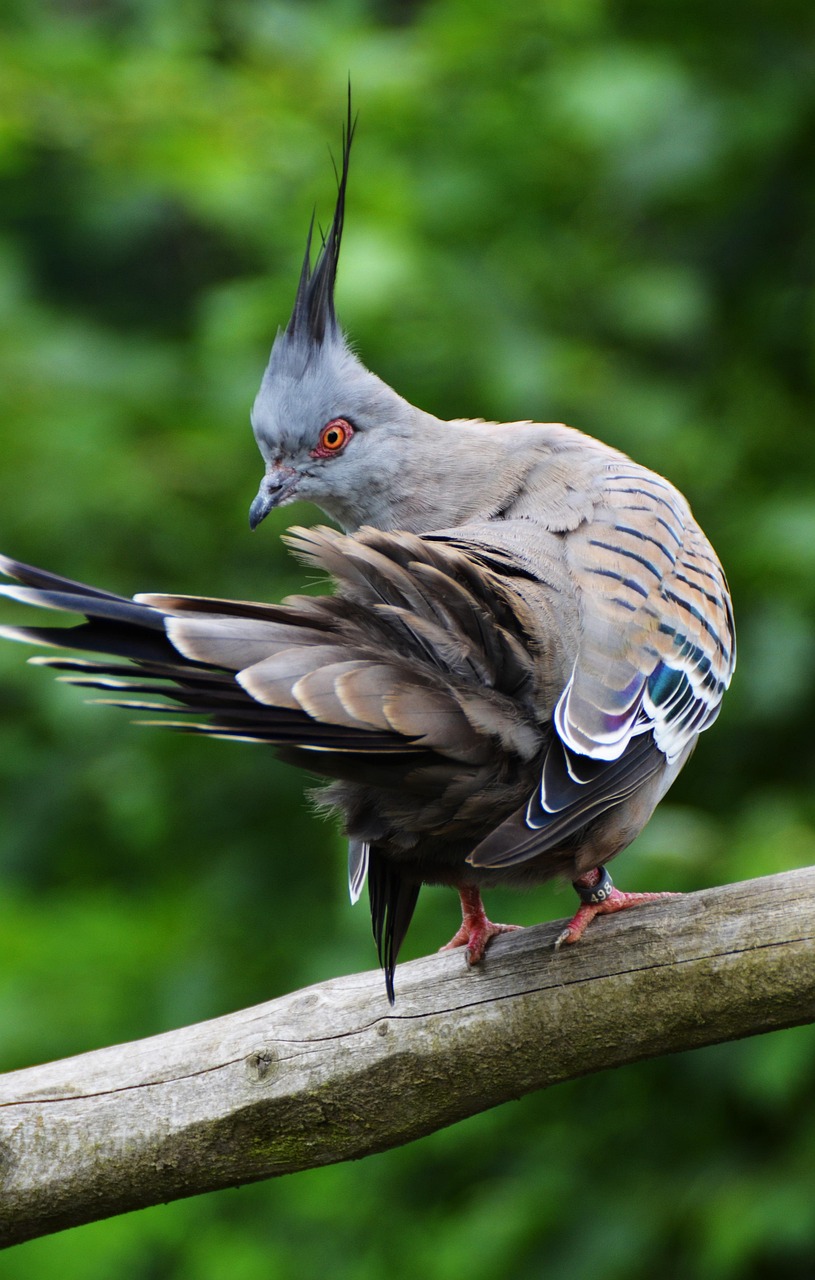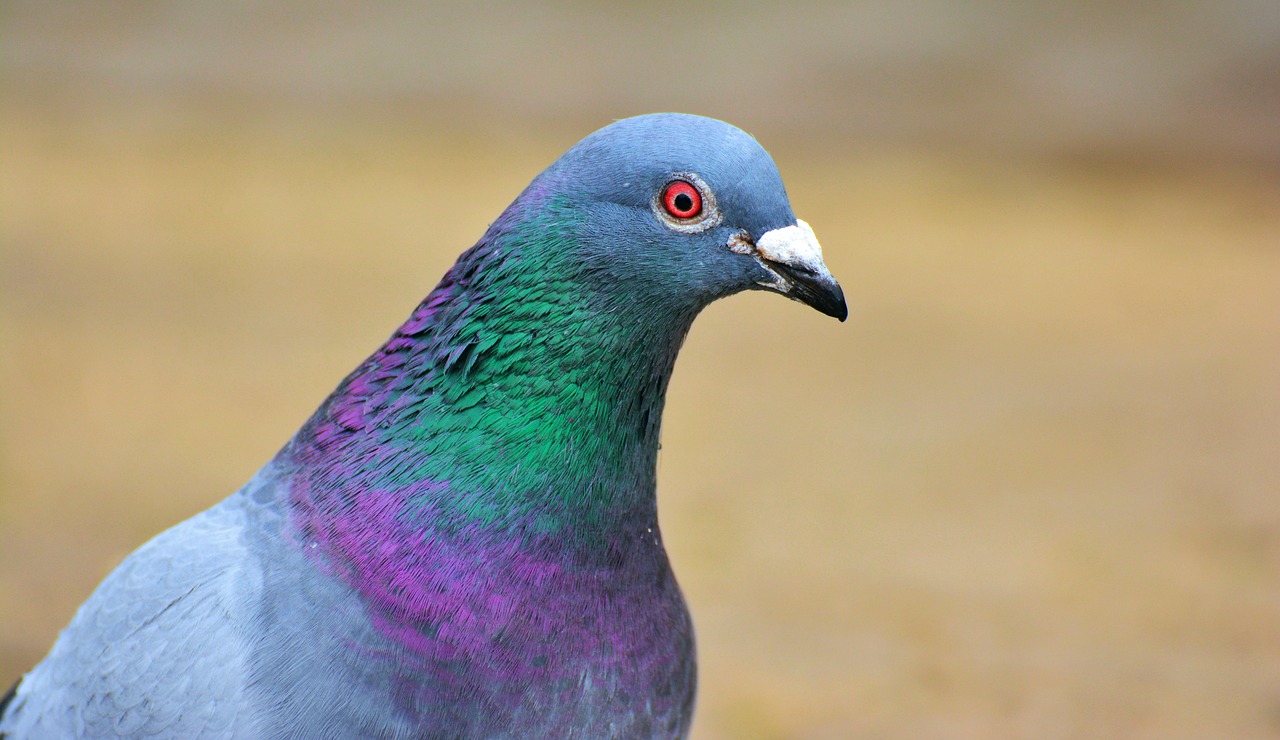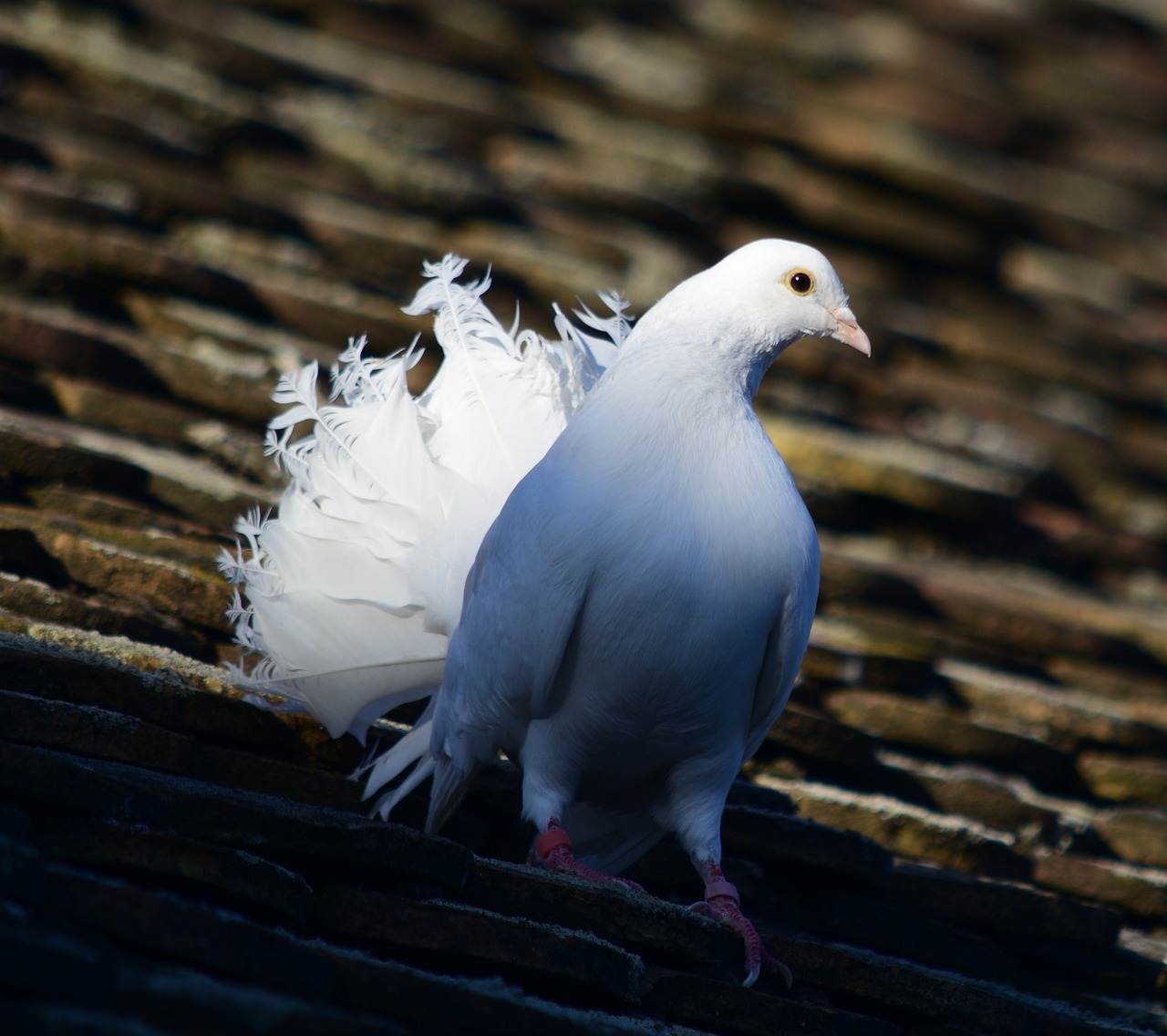
Rare pigeon breeds captivate enthusiasts with their unique beauty, but presenting them effectively requires the right equipment. This guide explores how a proper show cage setup and strategic lighting for pigeons can highlight their elegance, ensuring they stand out in competitions and exhibitions. By focusing on these elements, you can transform your display into a stunning showcase that honors these magnificent birds.
Understanding the Basics of Pigeon Display
Displaying rare pigeon breeds is an art that combines aesthetics with functionality. A well-designed setup not only enhances the bird's appearance but also ensures their comfort and safety. Key components include the cage structure, lighting, and environmental factors that work together to create an engaging presentation. Investing in quality equipment can make a significant difference in how your pigeons are perceived by judges and spectators.
Why Display Equipment Matters
The right display equipment is crucial for accentuating the unique features of rare pigeon breeds. For instance, a thoughtfully designed show cage setup allows the bird to move naturally while drawing attention to its plumage and posture. Proper lighting for pigeons can emphasize colors and textures, making subtle details pop. Without these elements, even the most exquisite birds might go unnoticed, underscoring the importance of a holistic approach to presentation.
Moreover, good equipment supports the bird's well-being by providing a stress-free environment. When pigeons feel comfortable, they exhibit better behavior and appearance, which is essential for competitive shows. By prioritizing both aesthetics and welfare, you create a display that not only wins awards but also promotes ethical practices in pigeon keeping.
Key Factors in Choosing Equipment
Selecting the right equipment involves considering factors like durability, ease of cleaning, and adaptability to different settings. For a show cage setup, look for materials that are sturdy yet lightweight, such as stainless steel or high-quality plastics, which resist corrosion and are easy to sanitize. Lighting for pigeons should be adjustable to control intensity and color temperature, allowing you to customize the ambiance based on the breed's characteristics.
Additionally, think about portability if you attend multiple shows. Equipment that is easy to assemble and transport saves time and reduces stress for both you and your birds. Always test setups beforehand to ensure everything functions smoothly, avoiding last-minute issues that could detract from your display's impact.
Designing the Perfect Show Cage Setup
A well-crafted show cage setup is the foundation of any successful pigeon display. It should provide ample space for the bird to perch and move, while also framing it in a way that highlights its best attributes. Elements like cage dimensions, perches, and accessories play a vital role in creating an inviting and professional look that appeals to judges and audiences alike.
Selecting the Right Cage Structure
When choosing a cage, opt for designs that offer unobstructed views and sufficient ventilation. A rectangular or hexagonal cage often works well, as it allows for multiple viewing angles without compromising the bird's comfort. Ensure the bars are spaced appropriately to prevent injury and that the door is secure yet easy to access for handling. Incorporating natural materials like wood for perches can add a touch of elegance, but prioritize non-toxic, easy-to-clean options to maintain hygiene.
Customization is key; consider cages with modular components that can be adapted for different breeds or show themes. For example, larger breeds might need more vertical space to showcase their height, while smaller ones benefit from cozier setups that emphasize their delicacy. Always measure your pigeons and test the cage in various configurations to find the perfect fit.
Enhancing the Cage with Accessories
Accessories such as feeders, water dispensers, and decorative elements can elevate your show cage setup. Choose items that are functional and aesthetically pleasing, like ceramic dishes that complement the cage's color scheme. Avoid overcrowding the space; instead, use minimalistic additions that draw attention to the pigeon itself. For instance, a simple, elevated perch can make the bird appear more regal and poised.
Incorporate elements that reflect the breed's origin or characteristics, such as natural branches for woodland-inspired breeds or sleek metals for modern varieties. This not only enhances visual appeal but also tells a story about the pigeon, making your display more memorable. Regularly clean and maintain accessories to ensure they remain in pristine condition for every show.
Mastering Lighting for Pigeons
Lighting is a powerful tool in pigeon display, capable of transforming an ordinary setup into a breathtaking spectacle. The right lighting for pigeons can accentuate feather iridescence, define muscle tone, and create a mood that complements the breed's personality. From natural to artificial sources, understanding how to manipulate light is essential for showcasing rare breeds effectively.
Types of Lighting and Their Effects
Different lighting types offer unique benefits; for example, LED lights are energy-efficient and allow for precise color control, making them ideal for highlighting specific hues in plumage. Incandescent bulbs provide warm, soft light that can create a cozy atmosphere, while fluorescent options offer bright, even illumination for detailed inspections. Experiment with combinations to find what best suits your pigeon's coloring and the show environment.
Consider the direction and angle of light to avoid shadows or glare that could obscure features. Side lighting can enhance texture and depth, while overhead lighting might flatten appearances if not balanced properly. Use dimmers to adjust intensity during different parts of the show, such as softer light for initial viewing and brighter settings for judge evaluations.
Practical Lighting Setup Tips
Start by positioning lights at a 45-degree angle to the cage, which often provides the most flattering illumination. Ensure that the lighting for pigeons is consistent across the display area to prevent hotspots or dark spots that could distract from the bird. Use diffusers or softboxes to soften harsh light, reducing stress on the pigeons and creating a more natural look.
For outdoor shows, take advantage of natural light but have backup options for cloudy days. Indoors, invest in adjustable stands or mounts that allow you to reposition lights easily. Always check for heat emission to avoid discomfort for the birds, and use timers to maintain consistent lighting schedules during longer events.
Integrating Cage and Lighting for Maximum Impact
Combining a superior show cage setup with effective lighting for pigeons creates a synergistic effect that elevates the entire display. This integration ensures that every aspect of the pigeon's beauty is highlighted, from its vibrant feathers to its graceful movements. By coordinating these elements, you can design a cohesive presentation that stands out in any competition.
Creating a Cohesive Design Theme
Develop a theme that ties the cage and lighting together, such as a natural habitat or a minimalist modern style. For instance, use wooden cages with warm, amber lighting for breeds that evoke rustic charm, or sleek metal cages with cool, white lights for contemporary looks. This consistency helps tell a compelling story about the pigeon, making the display more engaging and professional.
Pay attention to color harmony; match the lighting tones with the cage materials and any background elements. Avoid clashing colors that could detract from the pigeon's appearance. Test the combined setup under different conditions to ensure it looks appealing from all angles and in various lighting environments.
Balancing Aesthetics and Functionality
While aesthetics are important, never compromise on functionality. Ensure that the show cage setup allows for easy access to the bird for feeding and handling, and that the lighting does not cause overheating or stress. Use adjustable components that can be modified based on the pigeon's behavior or the specific requirements of a show.
Incorporate feedback from previous exhibitions to refine your approach. For example, if judges noted that certain features were hard to see, adjust the lighting angles or cage positioning accordingly. This iterative process helps you continuously improve, leading to more successful displays over time.
Advanced Techniques for Showcasing Rare Breeds
For enthusiasts looking to take their displays to the next level, advanced techniques can make a significant difference. These methods involve fine-tuning every detail, from background choices to dynamic elements, to create an immersive experience that captivates audiences and highlights the uniqueness of rare pigeon breeds.
Using Backgrounds and Props
Backgrounds can set the stage for your pigeon, enhancing the overall visual appeal. Opt for neutral colors like beige or gray that don't compete with the bird's plumage, or use themed backdrops that reflect the breed's history. Props such as artificial plants or rocks can add depth and context, but keep them subtle to avoid overshadowing the main attraction.
Ensure that backgrounds are easy to clean and store, especially for frequent show-goers. Magnetic or Velcro attachments can make setup quick and hassle-free. Always consider how the background interacts with your lighting for pigeons; test different combinations to avoid reflections or color distortions.
Incorporating Movement and Sound
Subtle movements, like gently rotating the cage or using fans to ruffle feathers, can add dynamism to your display. However, prioritize the pigeon's comfort and avoid anything that causes stress. Soft background sounds, such as nature recordings, can create a calming atmosphere, but keep volumes low to prevent startling the birds.
These elements should complement rather than dominate the presentation. Use them sparingly to highlight specific moments, such as during judge inspections or public viewings. Always monitor the pigeon's reaction and adjust accordingly to maintain a positive experience.
Maintenance and Best Practices
Regular maintenance of your display equipment is essential for longevity and performance. A well-maintained show cage setup and lighting system not only looks professional but also ensures the safety and health of your pigeons. Adopting best practices can save time and money while enhancing your overall presentation quality.
Cleaning and Storage Tips
Clean cages and lighting fixtures after each use with mild, bird-safe disinfectants to prevent the spread of disease. Disassemble components for thorough cleaning, paying attention to hard-to-reach areas. Store equipment in a dry, cool place to avoid damage from moisture or heat, and use protective covers to prevent dust accumulation.
For lighting, check bulbs and wiring regularly for signs of wear, and replace them as needed to maintain consistent performance. Keep a maintenance log to track cleaning schedules and any repairs, ensuring that your equipment is always show-ready.
Staying Updated with Trends
The world of pigeon showing is constantly evolving, with new technologies and techniques emerging regularly. Stay informed by attending workshops, reading industry publications, and networking with other enthusiasts. This knowledge can help you adapt your show cage setup and lighting for pigeons to current standards, giving you a competitive edge.
Embrace innovations like smart lighting systems that allow remote control via apps, or eco-friendly cage materials that appeal to modern audiences. By staying proactive, you can continuously refine your displays and celebrate the beauty of rare pigeon breeds in fresh, exciting ways.
Conclusion
Mastering the art of pigeon display involves a careful balance of equipment, creativity, and care. A well-executed show cage setup and thoughtful lighting for pigeons can transform your presentations, highlighting the exquisite details of rare breeds and earning recognition in competitions. Remember, the goal is to create an environment where these birds can shine, reflecting their unique heritage and charm. For those eager to streamline their pigeon management and enhance their showcasing efforts, consider exploring tools like Ghawy – Pigeon Manager (غاوي – إدارة الحمام) to support your journey. By applying these insights, you'll not only improve your displays but also contribute to the appreciation and preservation of these magnificent birds.