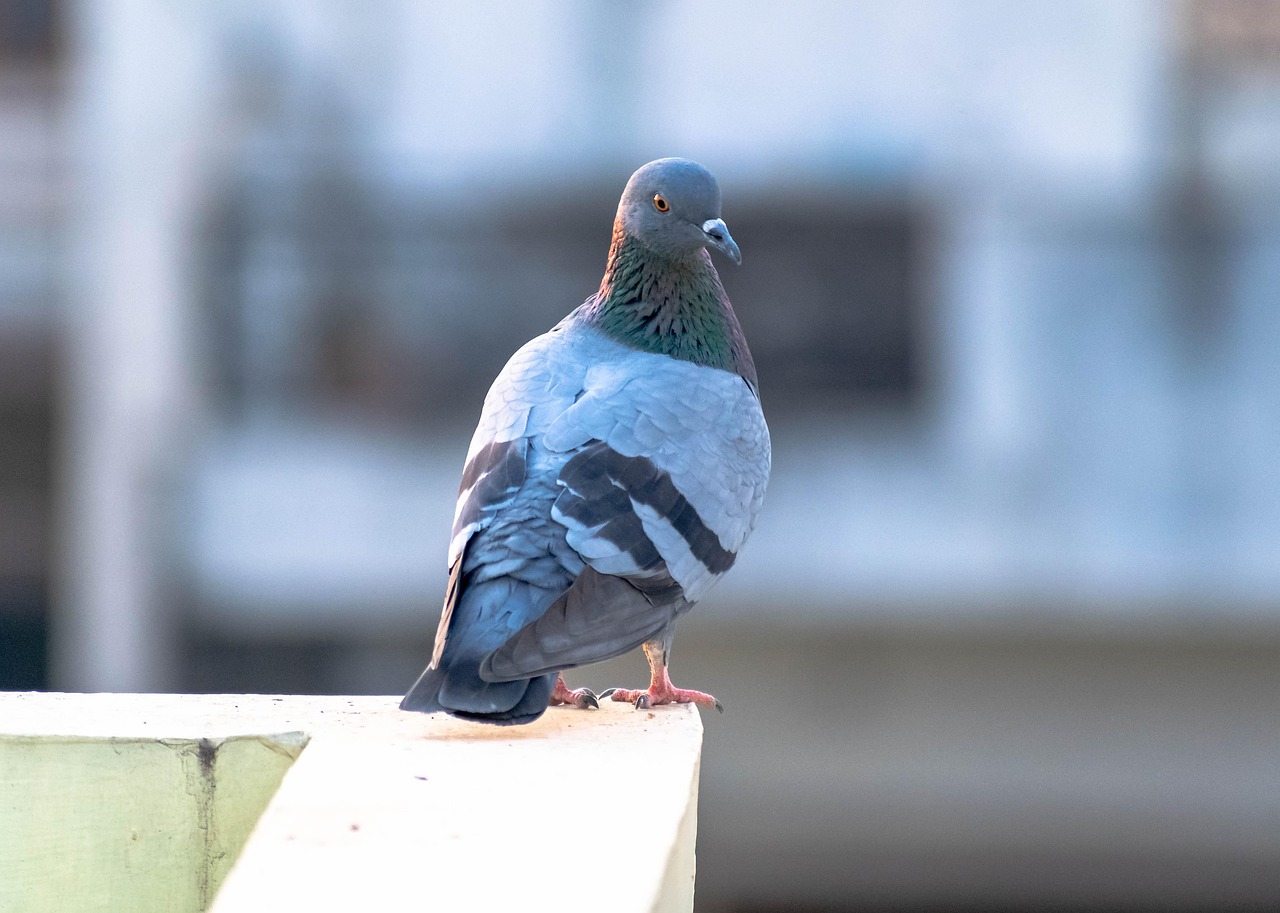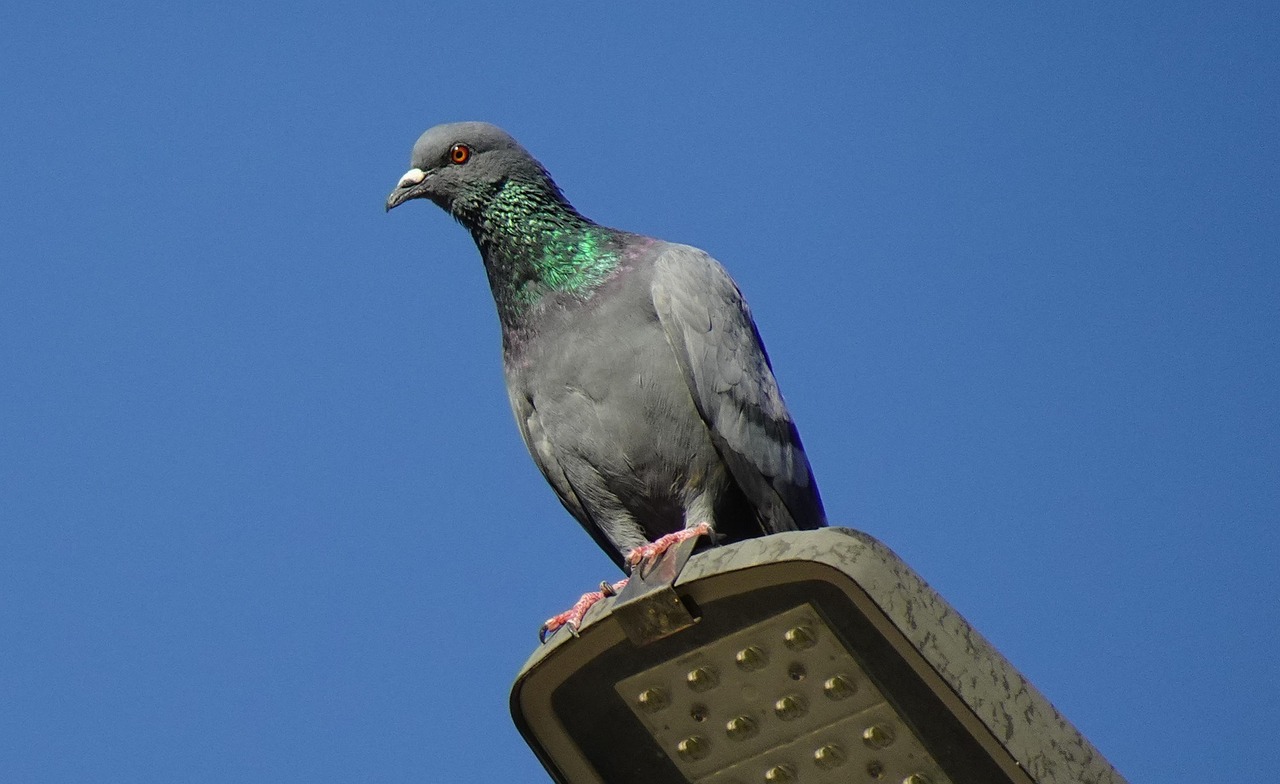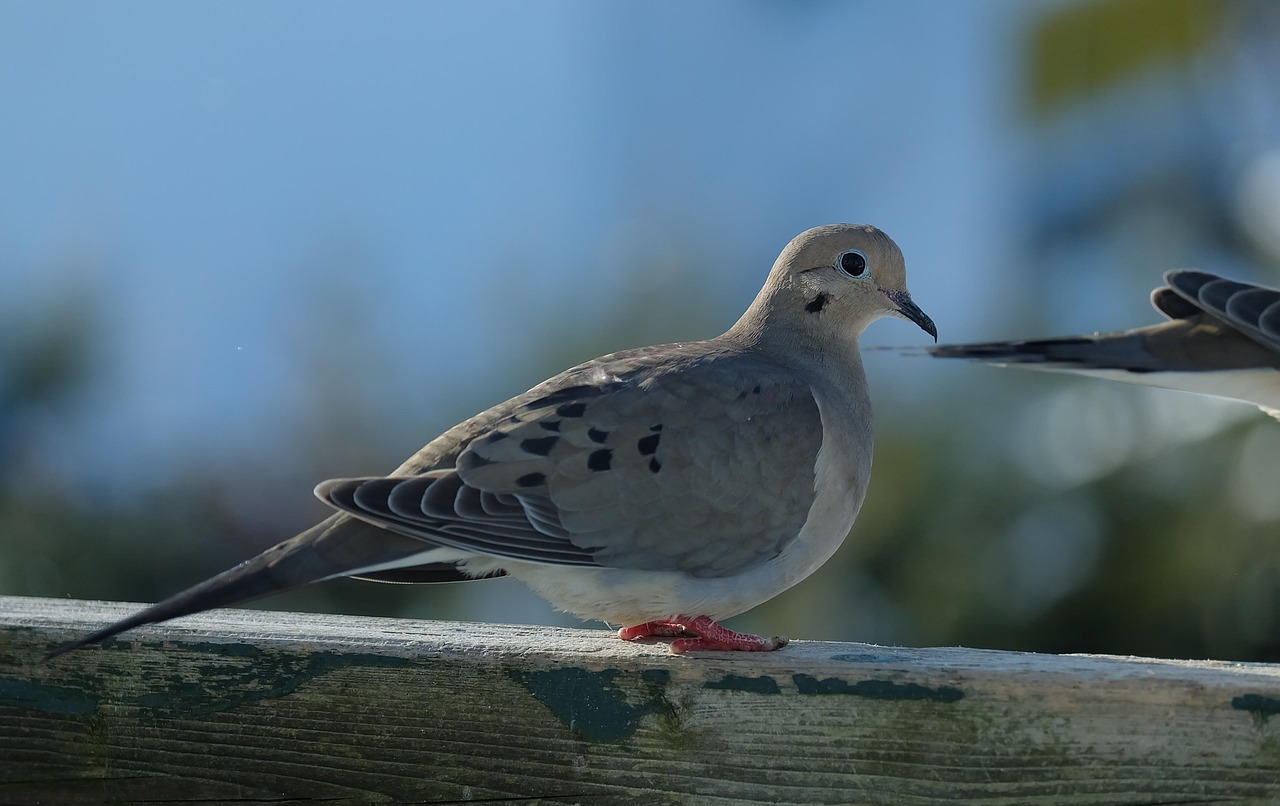
In the competitive world of pigeon shows, a stunning photograph can be the difference between a bird blending in and one that commands attention and value. This guide delves into the art of pigeon photography, offering expert techniques to capture your bird's best angles and enhance its market appeal through professional show presentation. By mastering these skills, you can transform how your pigeons are perceived, potentially increasing their worth and success in exhibitions.
The Fundamentals of Pigeon Photography
Before diving into advanced techniques, it's crucial to understand the basics of pigeon photography. This foundation ensures that every shot you take highlights your bird's natural beauty and unique characteristics, setting the stage for effective show presentation. Start by familiarizing yourself with your equipment and the pigeon's behavior to capture authentic moments.
Choosing the Right Equipment
Selecting the proper camera and lenses is essential for high-quality pigeon photography. A DSLR or mirrorless camera with a macro lens allows for detailed close-ups of feathers and eyes, while a standard zoom lens is great for full-body shots. Consider lighting equipment like softboxes or reflectors to eliminate harsh shadows and enhance colors, making your pigeon's features pop in show presentation. Additionally, a tripod can stabilize your shots, ensuring sharp images even in low-light conditions, which is vital for capturing the subtle nuances that judges and buyers look for.
Beyond hardware, software plays a key role in post-processing. Use editing tools to adjust brightness, contrast, and color balance, but avoid over-editing that can make the pigeon look unnatural. The goal is to present an accurate yet flattering representation that boosts market value. Investing in quality equipment and learning basic editing skills can significantly elevate your pigeon photography, making your birds stand out in competitive shows.
Understanding Pigeon Behavior and Posing
Pigeons are active creatures, and capturing them in a relaxed, natural pose is key to successful photography. Spend time observing your bird to learn its habits and comfort zones, which helps in anticipating moments for the perfect shot. For show presentation, aim to photograph the pigeon when it's calm and alert, such as after feeding or during gentle handling, to showcase its best attributes without stress.
Posing techniques involve positioning the pigeon to highlight its strengths, like a proud chest or vibrant plumage. Use perches or backgrounds that complement the bird's colors and avoid distractions. Patience is crucial; allow the pigeon to settle into a pose naturally rather than forcing it, as this results in more authentic and appealing images. By understanding behavior, you can create photographs that not only look professional but also convey the pigeon's personality, enhancing its appeal in the market.
Lighting and Composition Techniques
Lighting and composition are the cornerstones of compelling pigeon photography, directly impacting how your bird is perceived in show presentation. Proper use of light can accentuate textures and colors, while thoughtful composition guides the viewer's eye to the most important features. Mastering these elements will help you create images that tell a story and elevate your pigeon's value.
Natural vs. Artificial Lighting
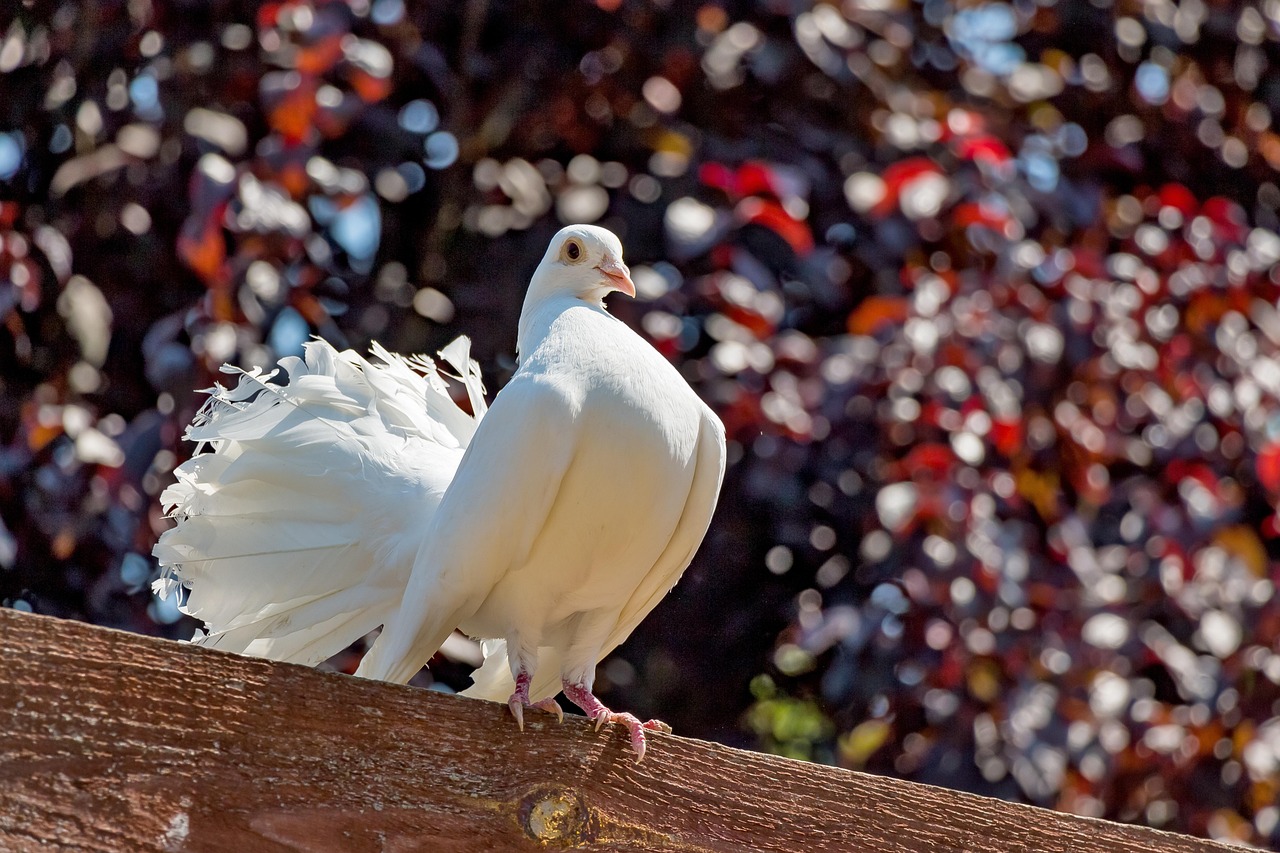
Natural light, such as soft morning or late afternoon sun, provides a warm, flattering glow that enhances a pigeon's natural colors without harsh shadows. Position your bird near a window or outdoors on overcast days to achieve even illumination. For indoor shoots, artificial lighting like LED panels or studio flashes offers control over intensity and direction, allowing you to highlight specific areas like the iridescence on feathers for a dramatic show presentation effect.
Experiment with different lighting setups to find what works best for your pigeon's breed and coloration. Avoid direct flash, which can cause red-eye or flat images, and instead use diffusers to soften the light. Balancing light sources ensures that details are visible without overexposure, creating a professional look that appeals to judges and potential buyers. By optimizing lighting, you can make your pigeon photography stand out, boosting its marketability in competitive environments.
Composition Rules for Impactful Shots
Effective composition in pigeon photography involves framing your subject to create visual interest and emphasize key traits. Use the rule of thirds by placing the pigeon's eye or head at intersection points, drawing attention to its expressive features. Include negative space around the bird to avoid clutter and focus on its form, which is essential for clear show presentation. Angles also matter; shoot from eye level to create a connection with the viewer, or from above to showcase plumage patterns.
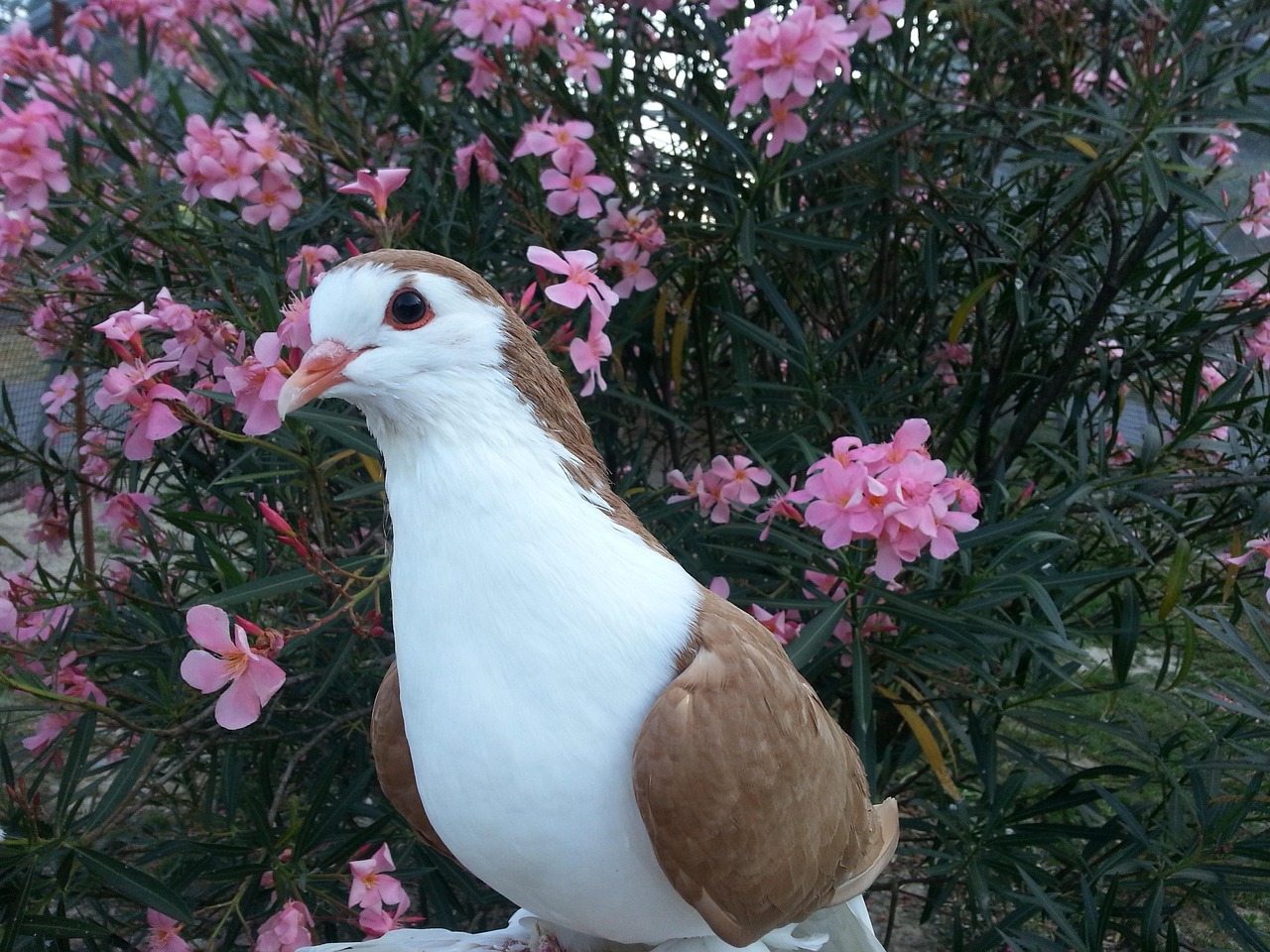
Consider the background carefully, choosing simple, contrasting colors that make the pigeon pop without distraction. For action shots, capture movement like wing stretches or preening to add dynamism. Composition should enhance the pigeon's story, whether highlighting its elegance or strength. By applying these techniques, you can produce photographs that not only look artistic but also communicate value, making your bird more desirable in the market.
Show Presentation Strategies Through Photography
Photography is a powerful tool for show presentation, allowing you to showcase your pigeon's best qualities before it even steps into the ring. By strategically using images in portfolios, online listings, and promotional materials, you can build a strong brand and increase market value. This section explores how to leverage pigeon photography for maximum impact in competitive settings.
Creating a Winning Portfolio
A well-curated portfolio of pigeon photography serves as a visual resume, highlighting your bird's achievements and potential. Include a variety of shots, such as close-ups of unique markings, full-body profiles, and action images, to demonstrate versatility and quality. Organize the portfolio by categories like breed or show wins, making it easy for judges and buyers to assess your pigeon's strengths. Use high-resolution images with consistent lighting and composition to maintain a professional appearance.
Incorporate captions that provide context, such as the pigeon's name, breed, and any awards, to add credibility. Update the portfolio regularly with new photographs from recent shows or growth milestones. By presenting a cohesive and impressive collection, you can attract attention and command higher prices, as a strong portfolio signals dedication and expertise in pigeon care and presentation.
Using Photography in Online Marketing
In today's digital age, online platforms are crucial for promoting pigeons and enhancing show presentation. Upload high-quality photographs to websites, social media, and auction sites to reach a broader audience. Optimize images with descriptive filenames and alt text that include keywords like "pigeon photography" and "show presentation" to improve search visibility. Share behind-the-scenes shots or videos to engage followers and build a community around your birds.
Consider creating a dedicated gallery or blog to showcase your photography skills and pigeon stories. Use these platforms to highlight success in shows, which can boost credibility and interest. By leveraging online marketing, you can increase exposure and drive demand, ultimately raising the market value of your pigeons. Effective use of photography in digital spaces complements live show presentation, creating a comprehensive strategy for success.
Advanced Tips for Professional Results
To take your pigeon photography to the next level, explore advanced techniques that add polish and creativity to your images. These methods can differentiate your work in competitive shows and elevate your show presentation, making your pigeons more memorable and valuable. Focus on refining details and experimenting with new approaches to stand out.
Capturing Details and Textures
Close-up photography allows you to highlight the intricate details of a pigeon's feathers, eyes, and beak, which are often key judging criteria. Use a macro lens to capture textures like the smoothness of plumage or the sparkle in the eye, adding depth to your images. Pay attention to lighting angles that reveal these textures without flattening them, such as side lighting for feather definition. This attention to detail can impress judges and buyers, showcasing the pigeon's quality in show presentation.
Practice patience and steady hands to avoid blur in close-ups, and consider using focus stacking techniques for ultra-sharp results. By emphasizing unique features, you create a visual narrative that enhances the pigeon's appeal. Incorporate these detailed shots into your portfolio to demonstrate a high level of care and expertise, which can translate to increased market value and show success.
Experimenting with Creative Angles and Settings
Don't be afraid to think outside the box in pigeon photography. Try unconventional angles, such as low shots to emphasize stature or aerial views to show wing patterns, to create dynamic images that stand out. Experiment with different settings, like shallow depth of field to blur backgrounds and focus on the pigeon, or action shots in natural environments to tell a story. These creative approaches can make your show presentation more engaging and memorable.
Use props or themed backgrounds sparingly to add context without overpowering the subject. For example, a simple perch in a garden setting can enhance the pigeon's natural beauty. By pushing creative boundaries, you develop a unique style that sets your photography apart, attracting attention and potentially increasing your pigeon's desirability in the market. Remember, innovation in photography often leads to breakthroughs in show presentation and value.
Conclusion
Mastering pigeon photography is an essential skill for enhancing show presentation and boosting market value. By focusing on fundamentals like equipment and behavior, optimizing lighting and composition, leveraging strategies for portfolios and online marketing, and exploring advanced techniques, you can create compelling images that capture your bird's essence. These efforts not only improve your chances in competitions but also attract buyers willing to pay a premium for well-presented pigeons. For those looking to streamline their pigeon management and presentation efforts, consider exploring tools like Ghawy – Pigeon Manager (غاوي – إدارة الحمام) to support your journey. Apply these insights consistently to see tangible results in your pigeon's appeal and success.