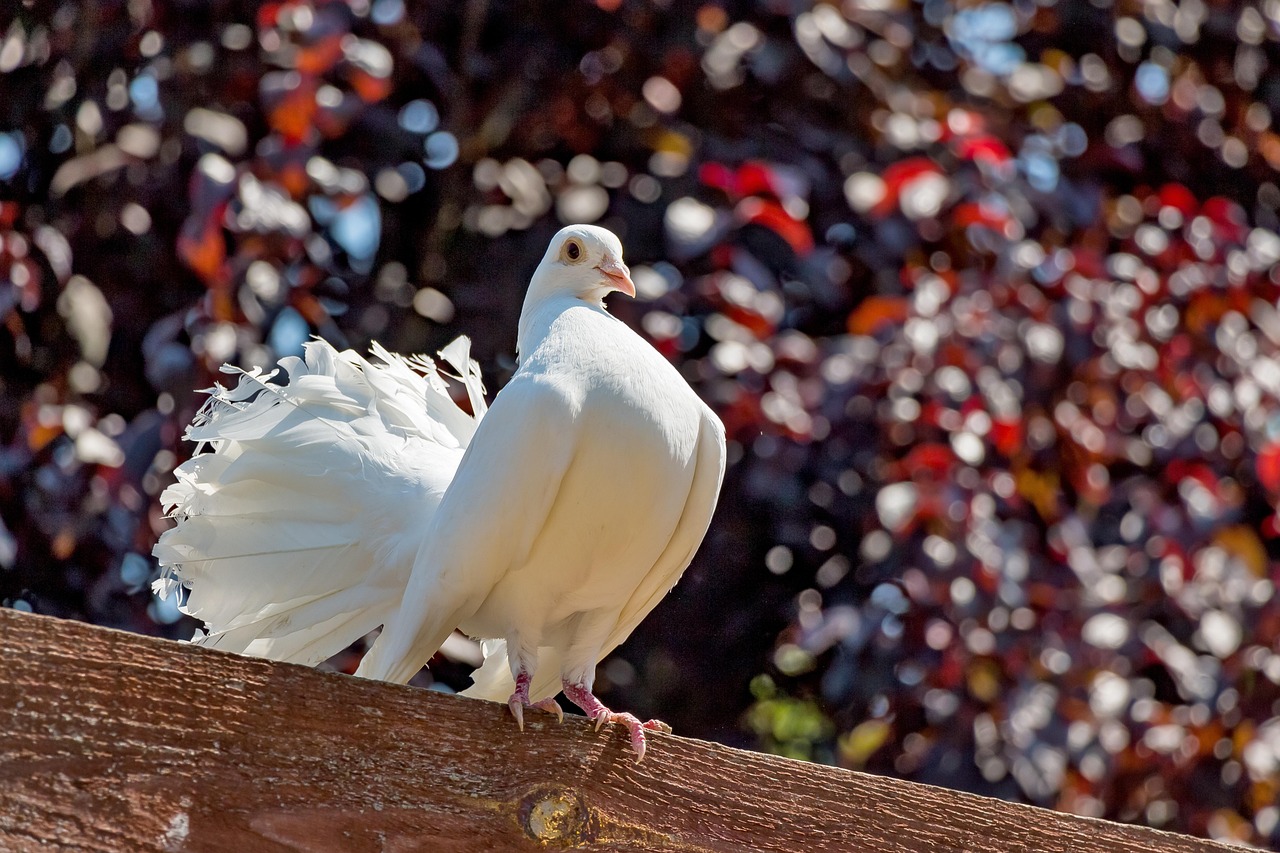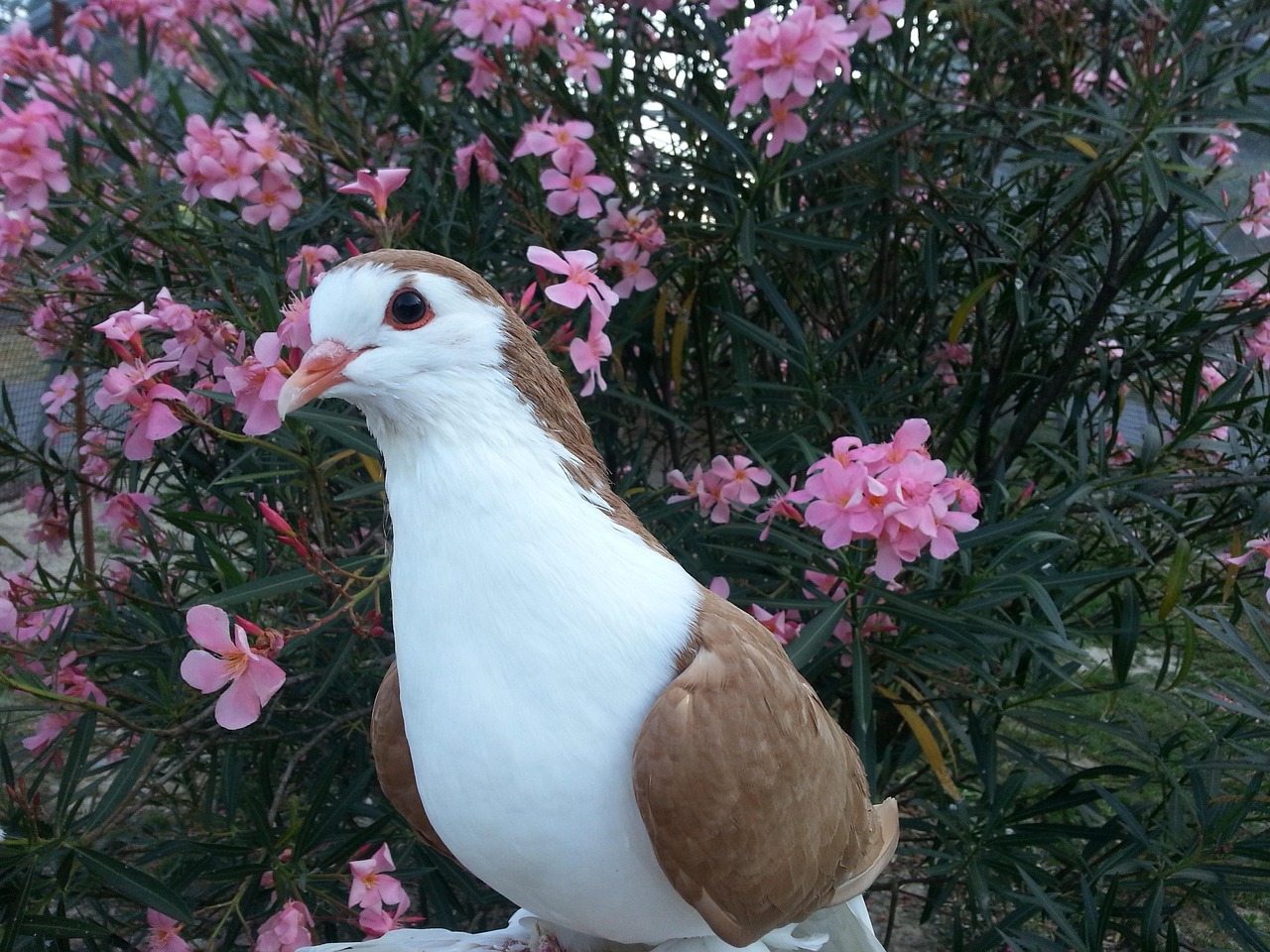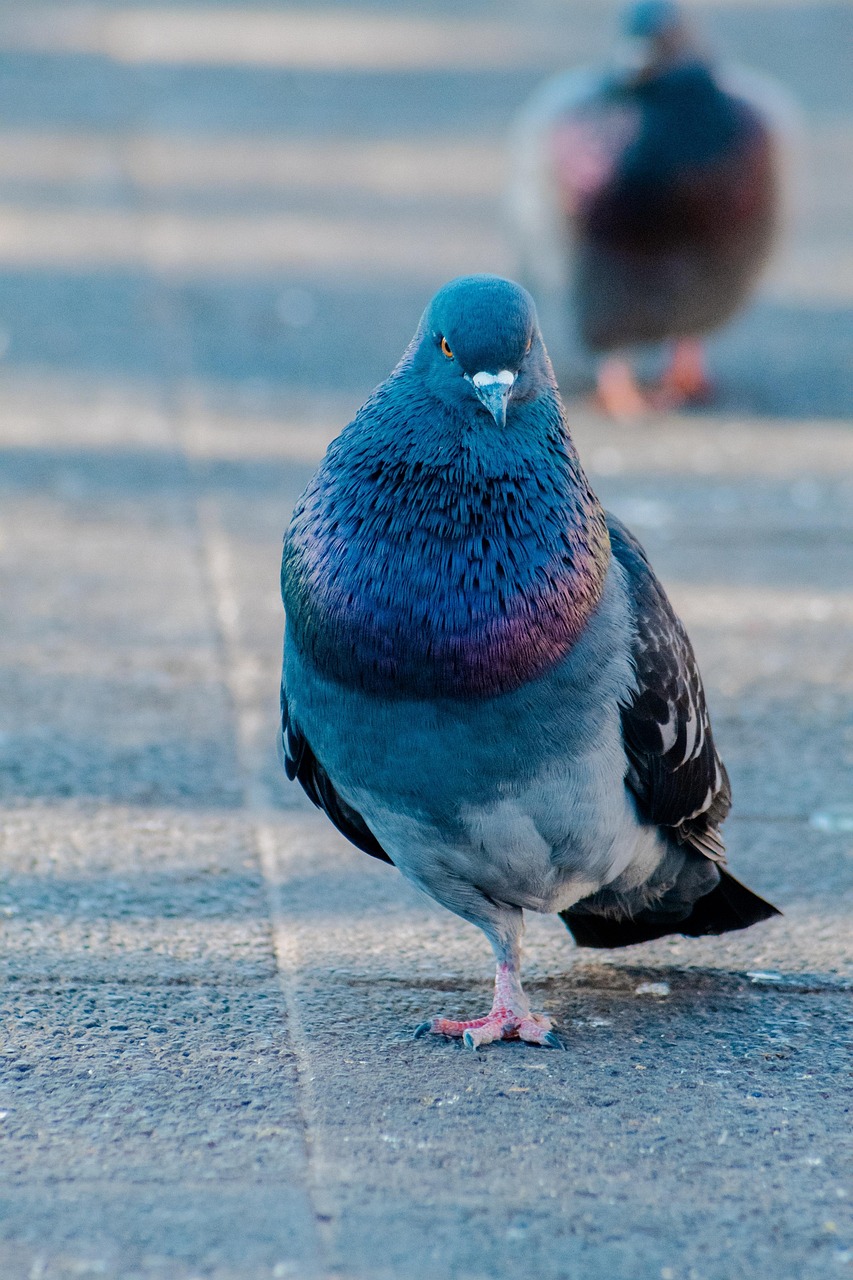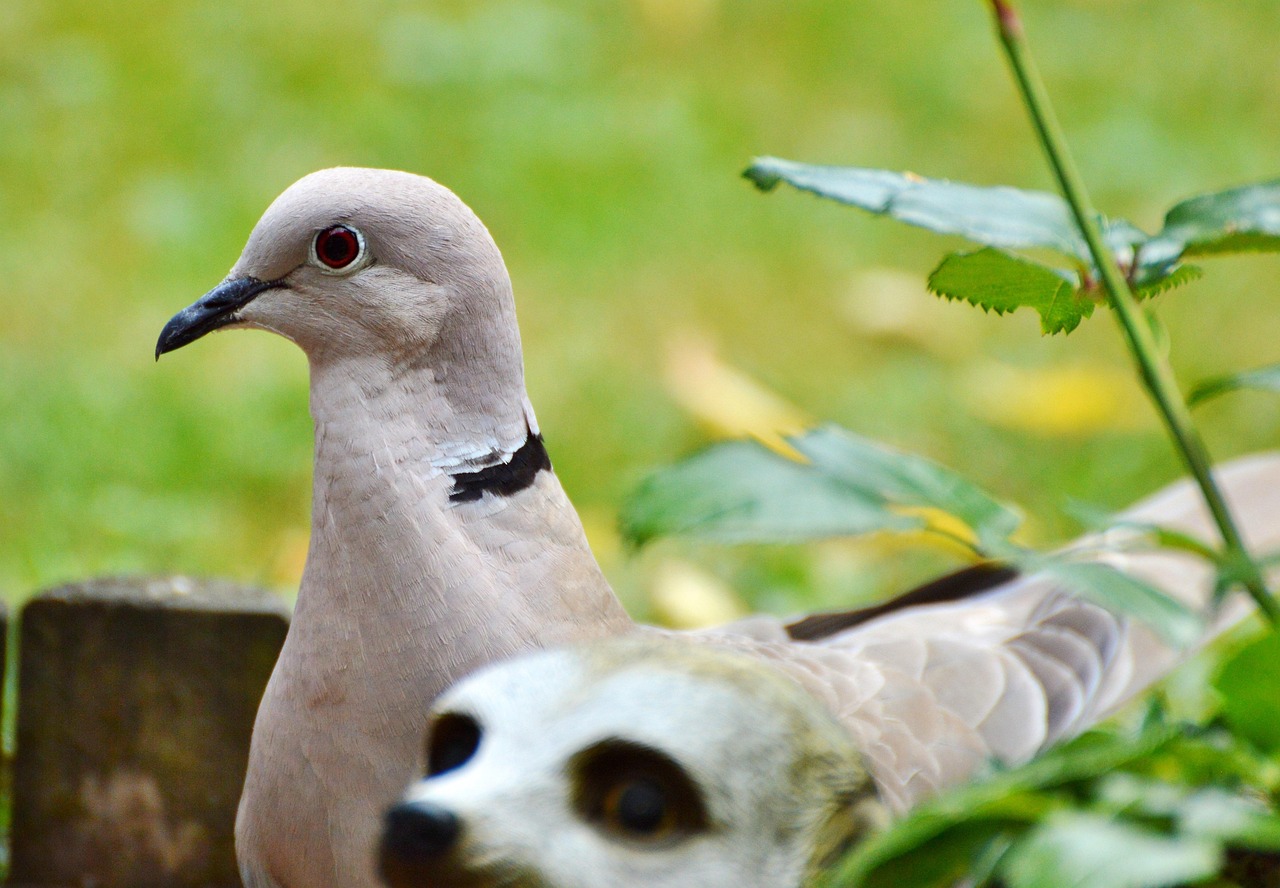
In the competitive world of pigeon shows, a stunning photograph can be the difference between a bird blending in and one that commands attention and value. This guide delves into the art of pigeon photography, offering expert techniques to elevate your show presentation and boost market appeal. By mastering these skills, you can showcase your pigeons in their best light, capturing every detail that makes them stand out.
The Art of Pigeon Photography: Capturing Beauty and Detail
Pigeon photography is more than just taking pictures; it's about telling a story of elegance, health, and breed standards. A well-captured image highlights the unique features of your bird, from feather patterns to posture, making it essential for show success. This section explores why photography matters and how to approach it with a creative eye.
Understanding the Importance of Visual Appeal
In shows, judges and buyers often form first impressions based on photographs. A high-quality image can convey the pigeon's vitality and conformation, influencing decisions before the bird is even seen in person. By focusing on visual appeal, you enhance the perceived value, making your pigeon more desirable in the market. This requires attention to lighting, angles, and background to create a professional look that stands out.
Moreover, photography serves as a record of your pigeon's development, allowing you to track changes over time and refine your breeding programs. It's a tool for communication, sharing your birds with enthusiasts worldwide and building a reputation for excellence. Embrace photography as an integral part of pigeon management, not just an afterthought.
Essential Equipment for Professional Shots
To achieve professional results, invest in the right equipment. A DSLR or mirrorless camera with a macro lens is ideal for capturing fine details like feather texture and eye color. Tripods ensure stability, reducing blur and allowing for consistent shots, especially in low-light conditions. Consider using reflectors or softboxes to control lighting, creating a natural glow that enhances the pigeon's features without harsh shadows.
Additionally, accessories like remote shutters and backdrops can streamline your process. A plain, neutral background, such as white or gray, keeps the focus on the pigeon, while props like perches add context without distraction. Remember, the goal is to highlight the bird, so keep setups simple and functional. With practice, you'll find the equipment that best suits your style and budget.
Techniques for Perfect Show Presentation Through Photography
Show presentation relies on photography to showcase pigeons in their prime, emphasizing traits that align with breed standards. This section covers practical techniques to capture images that impress judges and attract buyers, from posing to post-processing.
Mastering Posing and Composition
Posing your pigeon correctly is crucial for a compelling show presentation. Encourage natural postures that highlight key features, such as a straight back, alert head, and well-spread wings. Use treats or gentle handling to guide the bird, avoiding stress that can lead to unflattering shots. Composition rules, like the rule of thirds, can help frame the pigeon attractively, placing it off-center for a dynamic look.
Experiment with different angles to capture the pigeon's best side. Shoot from eye level to create a connection with the viewer, and try overhead shots to show wing patterns. Always focus on the eyes, as sharp, clear eyes convey health and personality. By combining posing with thoughtful composition, you create images that tell a story of quality and care.
Lighting and Color Accuracy for Authentic Images
Lighting is the backbone of effective pigeon photography. Natural light, especially during golden hours in the morning or evening, provides soft, flattering illumination that brings out colors and textures. Avoid direct sunlight, which can cause harsh shadows and washed-out details. If shooting indoors, use diffused artificial lights to mimic natural conditions, ensuring color accuracy that reflects the pigeon's true appearance.
Color accuracy is vital for show presentation, as judges assess plumage hues against breed standards. Calibrate your camera settings and use color charts if needed to maintain consistency. Post-processing tools can fine-tune brightness and contrast, but avoid over-editing that alters the bird's natural look. The goal is to present an honest, vibrant image that builds trust with viewers.
Enhancing Market Value with Strategic Photography
Strategic photography directly impacts a pigeon's market value by creating a premium image that appeals to buyers. This section discusses how to use photos for marketing, sales, and breed promotion, turning visual assets into financial gains.
Building a Portfolio for Sales and Promotion
A strong portfolio of pigeon photography can elevate your brand and drive sales. Include a variety of shots, such as close-ups of features, full-body images, and action shots in flight or perching. Organize photos by breed or show category, making it easy for potential buyers to browse and compare. Use high-resolution images on websites, social media, and show catalogs to attract attention and generate interest.
Regularly update your portfolio with new photos to showcase current stock and breeding successes. Highlight award-winning birds or unique traits, adding descriptions that explain their value. By presenting a professional, curated collection, you position yourself as a serious breeder, justifying higher prices and fostering loyalty among customers.
Leveraging Photos for Online and Offline Marketing
In today's digital age, online marketing is key to reaching a global audience. Share your pigeon photography on platforms like Instagram, Facebook, and specialized forums, using hashtags like #pigeonphotography and #showpresentation to increase visibility. Create engaging content, such as before-and-after shots or behind-the-scenes videos, to tell your story and connect with enthusiasts.
Offline, use printed photos in show booths, brochures, and business cards to make a tangible impression. High-quality prints can be sold as art or included in sales packages, adding value to transactions. By integrating photography into both online and offline strategies, you maximize exposure and enhance the perceived worth of your pigeons, leading to better market outcomes.
Advanced Tips for Consistent and Creative Photography
To stand out in the pigeon community, go beyond basics with advanced techniques that add creativity and consistency to your work. This section offers insights into post-processing, seasonal adaptations, and innovative approaches for ongoing improvement.
Post-Processing for Polished Results
Post-processing is an essential step in refining pigeon photography. Use software like Adobe Lightroom or free alternatives to adjust exposure, sharpness, and color balance, ensuring images look their best without appearing artificial. Crop images to remove distractions and emphasize the pigeon, and apply subtle filters to enhance mood. Always keep backups of original files to preserve integrity.
Develop a consistent editing style to create a cohesive portfolio that reflects your brand. This might involve specific color tones or lighting effects that make your photos recognizable. By mastering post-processing, you save time and produce professional-quality images that enhance show presentation and market appeal.
Adapting to Seasons and Environments
Pigeon photography varies with seasons and environments, requiring flexibility to maintain quality. In winter, use indoor setups with controlled lighting to combat low natural light, while summer offers opportunities for outdoor shots with vibrant backgrounds. Adapt your techniques based on weather, such as using diffusers on sunny days or shooting after rain for enhanced colors.
Consider the pigeon's comfort and safety in different settings. Avoid extreme temperatures and provide familiar perches to reduce stress. By adapting creatively, you capture unique shots that showcase your pigeons in various contexts, adding depth to your presentation and demonstrating your expertise in pigeon management.
Conclusion
Mastering pigeon photography is a powerful tool for enhancing show presentation and boosting market value. By focusing on techniques like posing, lighting, and strategic marketing, you can create compelling images that highlight your birds' best qualities. Remember, consistency and creativity are key to standing out in a competitive field. For those looking to streamline their pigeon management and photography efforts, consider exploring tools like Ghawy – Pigeon Manager (غاوي – إدارة الحمام) to support your journey. Implement these tips to capture the beauty of your pigeons and elevate their appeal in shows and sales.