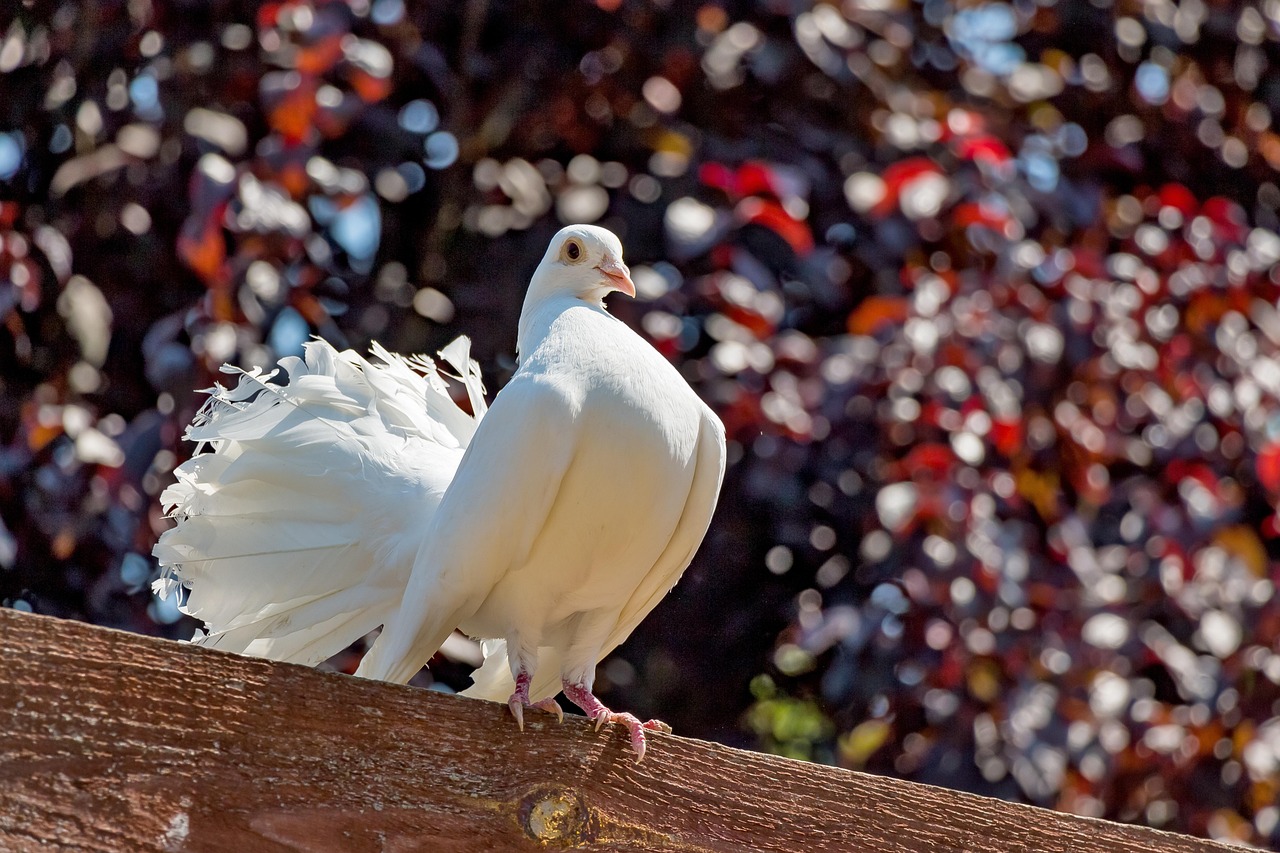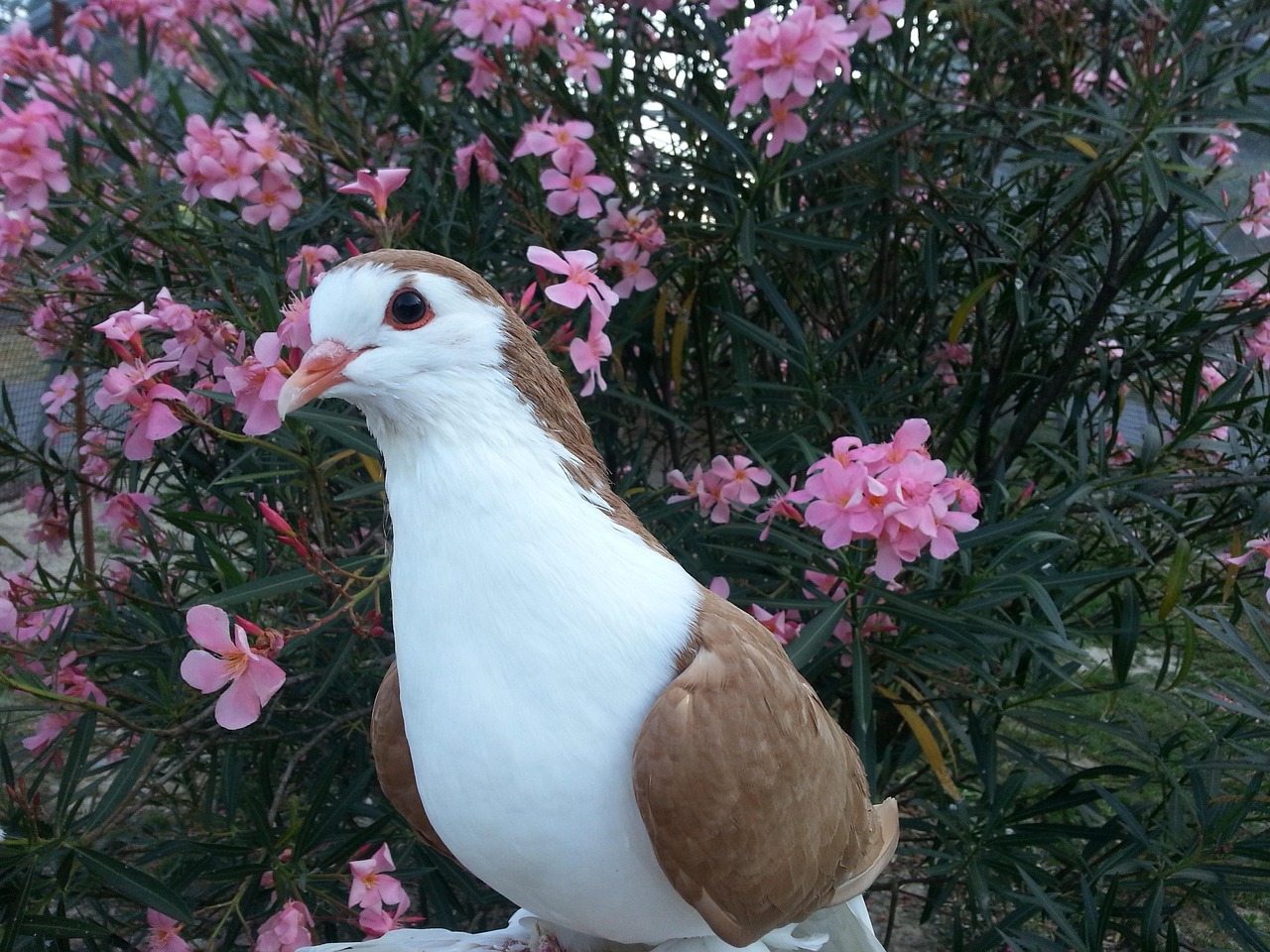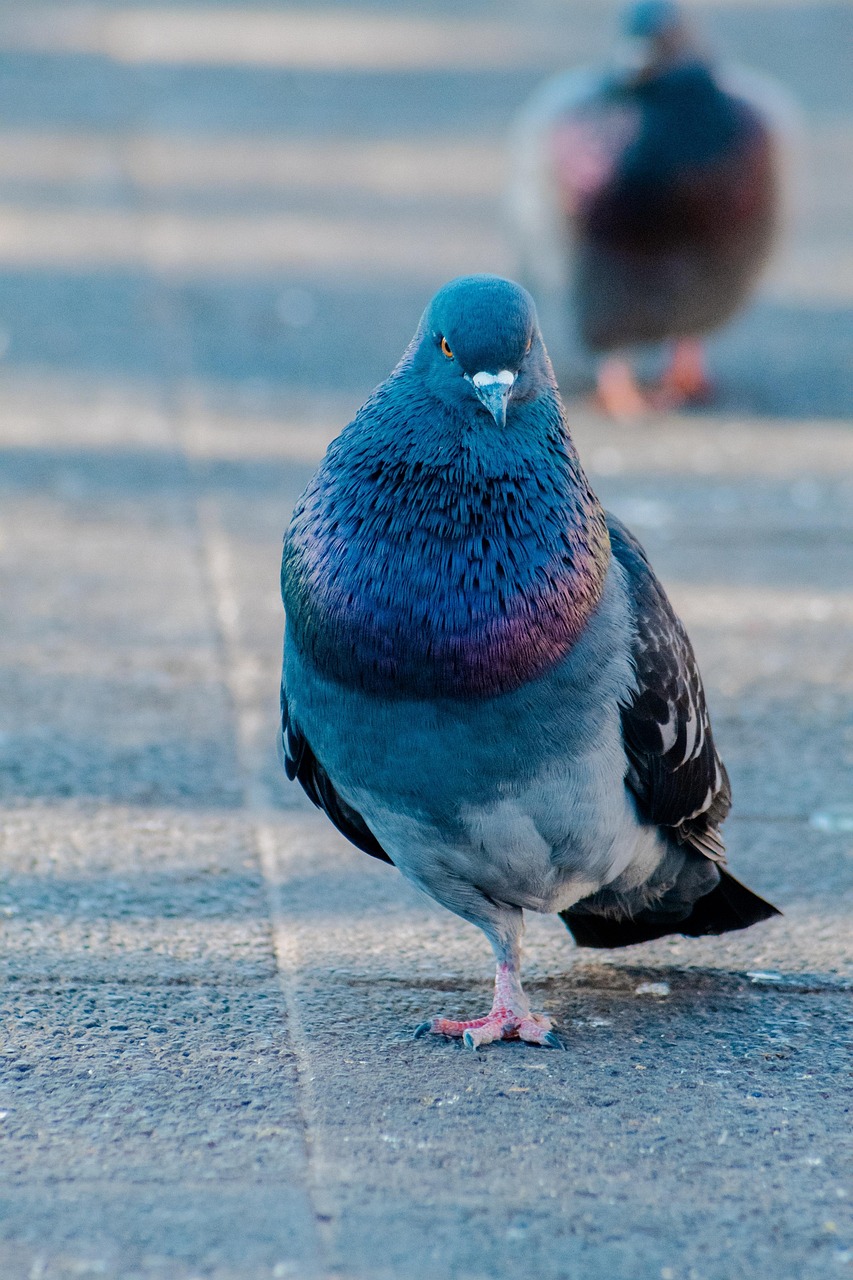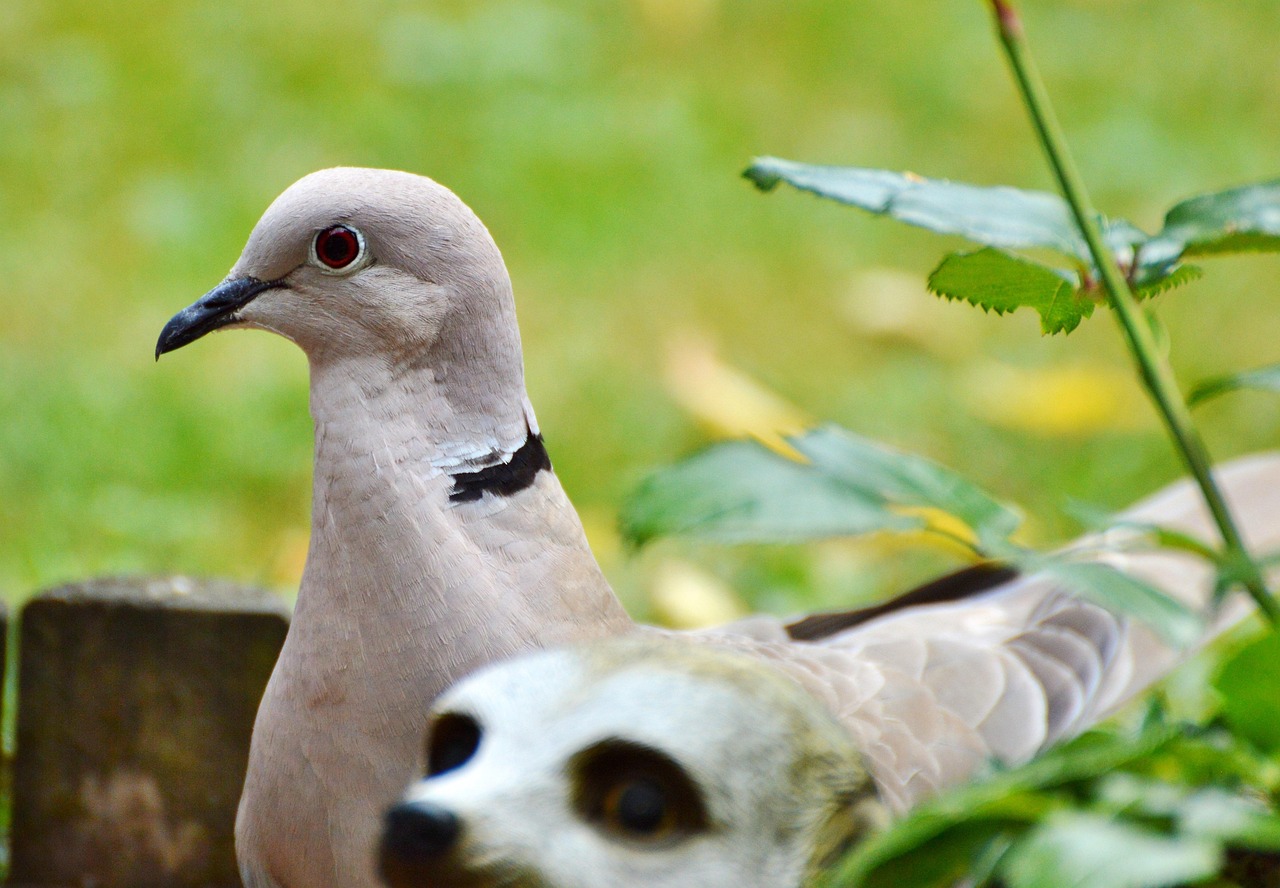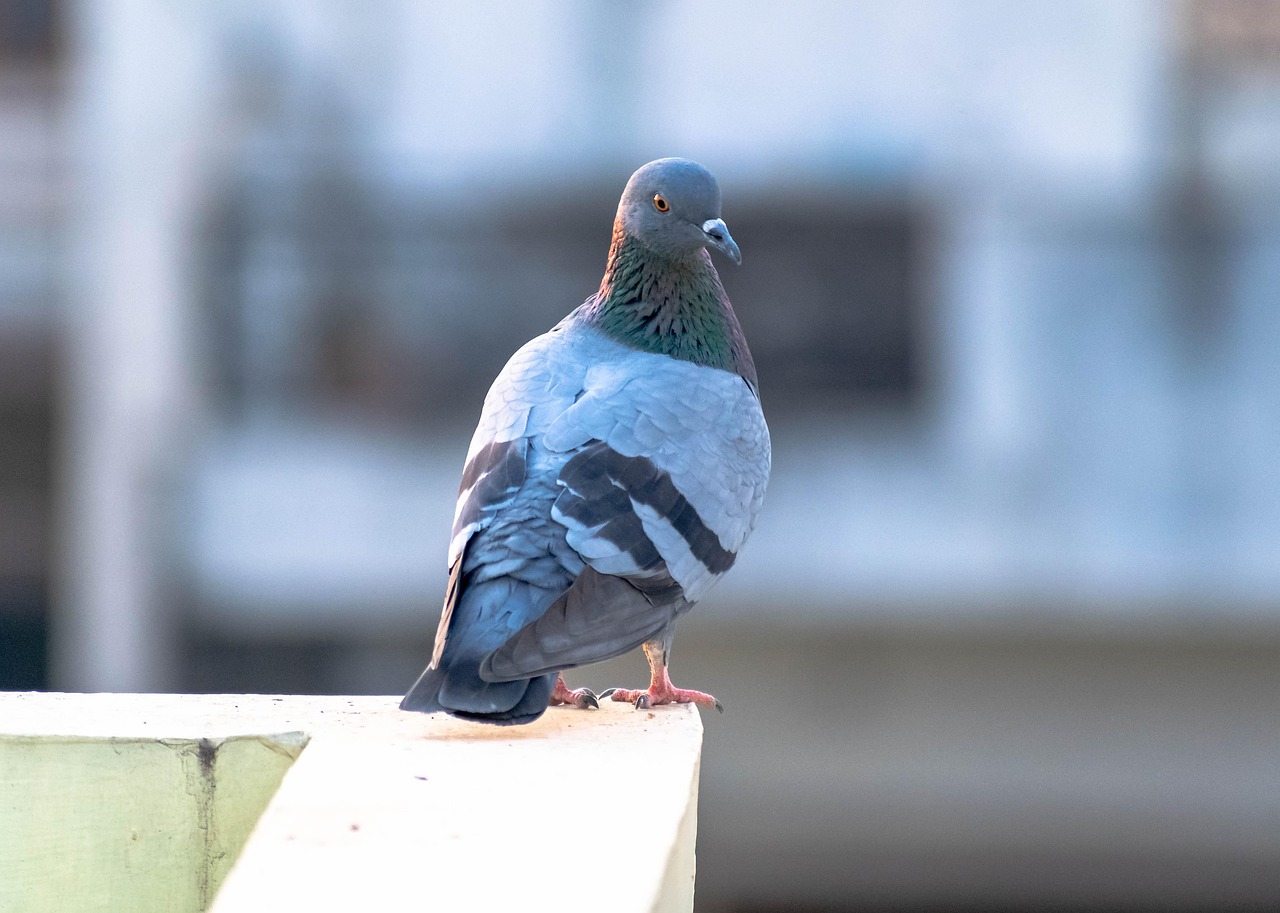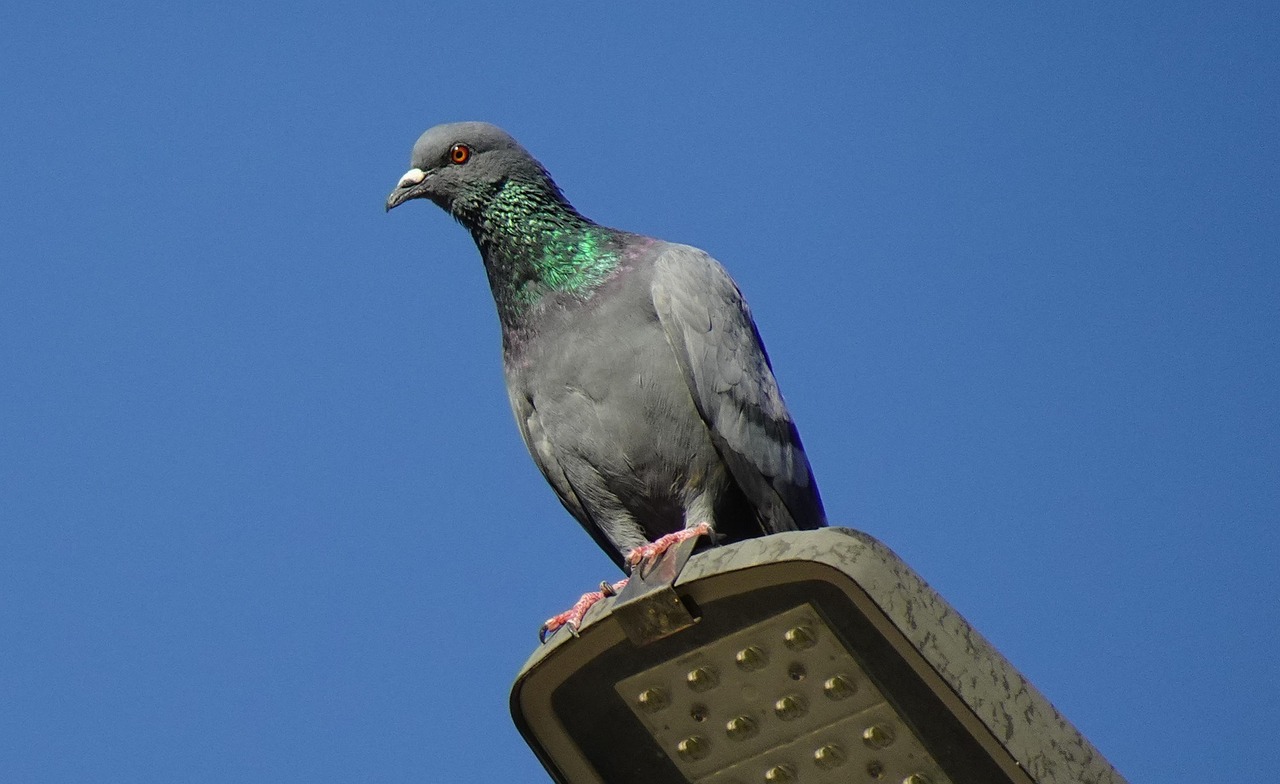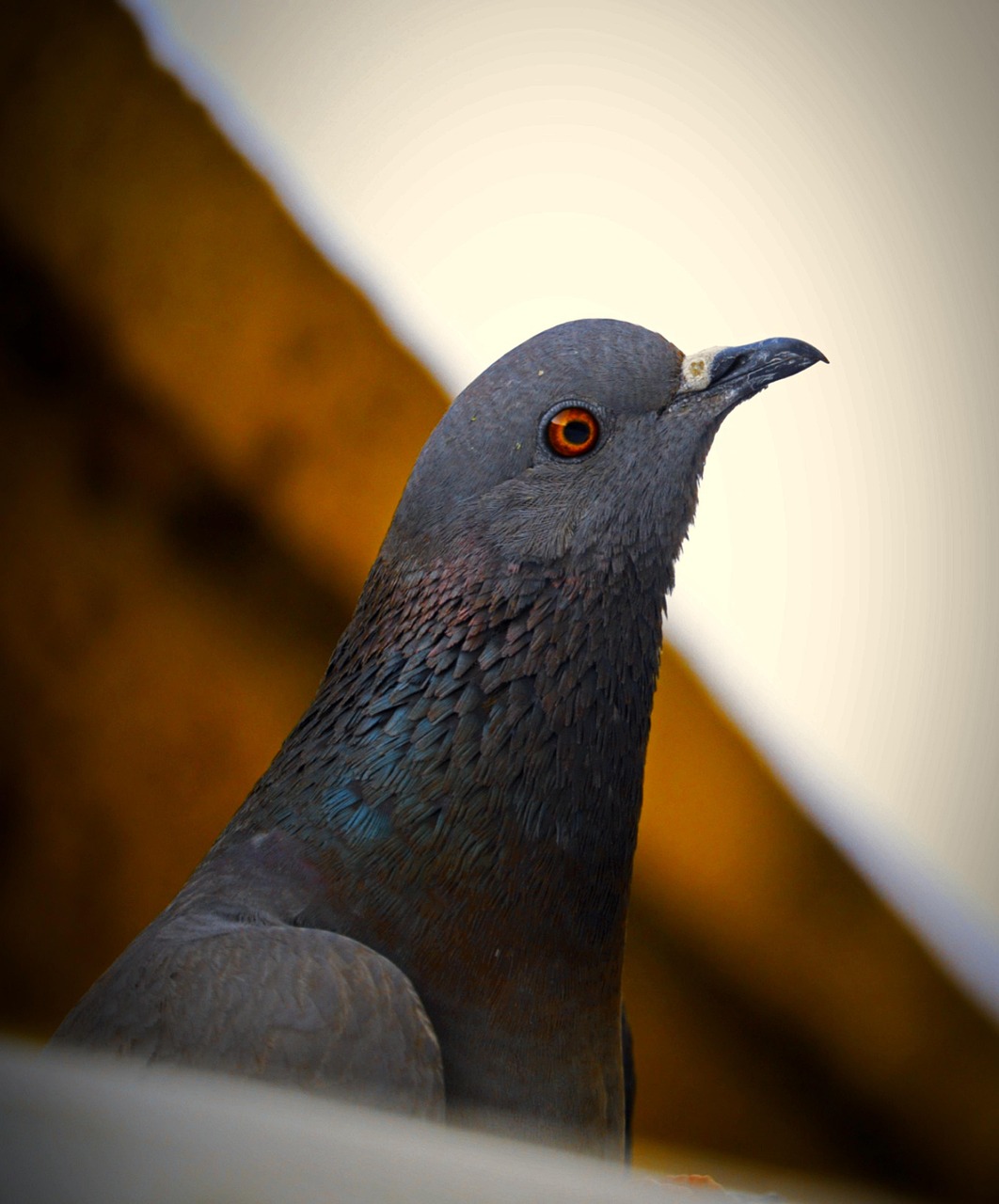
In the world of pigeon shows, a bird's market value is often judged at first glance. This guide explores how expert pigeon photography can transform your show presentation, turning your prized birds into standout competitors and boosting their appeal to buyers and judges alike.
The Art of Pigeon Photography: More Than Just a Snapshot
Pigeon photography is a specialized skill that goes beyond casual pictures. It involves capturing the essence of a bird's beauty, health, and unique traits to create compelling visual narratives. In competitive shows, where first impressions are crucial, high-quality images can make your pigeon stand out in catalogs, online listings, and social media. This section delves into why investing time in photography is essential for any serious enthusiast looking to elevate their show presentation.
Understanding the Basics of Avian Photography
To excel in pigeon photography, start with the fundamentals. Use a camera with manual settings to control focus, exposure, and depth of field, ensuring sharp images that highlight details like feather texture and eye clarity. Natural lighting is often best, as it brings out true colors without harsh shadows; early morning or late afternoon light provides a soft, flattering glow. Position your pigeon against a clean, neutral background to avoid distractions, and consider using a tripod for stability to prevent blurry shots. Practice patience, as birds can be unpredictable, and take multiple angles to capture their best features.
Beyond equipment, develop an eye for composition. Frame your pigeon to emphasize its strengths, such as a proud posture or vibrant plumage. Close-ups can showcase intricate patterns, while full-body shots convey overall structure and balance. Remember, the goal is to create images that tell a story about the bird's quality and potential, making it irresistible to judges and buyers. By mastering these basics, you lay the foundation for a professional show presentation that commands attention and respect.
Advanced Techniques for Capturing Character
Once you have the basics down, explore advanced techniques to add depth to your pigeon photography. Focus on capturing the bird's character and personality, which can set it apart in a crowded show. Use action shots to display movement and vitality, such as a pigeon in flight or during grooming, to demonstrate health and energy. Macro photography can reveal fine details like feather sheen or beak condition, adding a layer of sophistication to your presentation.
Experiment with different perspectives, such as low-angle shots to convey majesty or overhead views to highlight symmetry. Post-processing tools can enhance images subtly, adjusting brightness and contrast to make colors pop without altering the bird's natural appearance. Incorporate these techniques into your routine to build a portfolio that showcases your pigeons as top-tier contenders. This attention to detail not only improves your show presentation but also builds trust with potential buyers, who can see the care and expertise behind each image.
Show Presentation: Crafting a Winning Visual Strategy
Show presentation is the holistic approach to displaying your pigeons, combining photography with staging and storytelling. It's about creating a cohesive image that highlights your birds' best attributes and aligns with show standards. A strong presentation can influence judges' perceptions and increase market value by demonstrating professionalism and dedication. This section covers how to integrate photography into a broader strategy for success in competitive environments.
Staging Your Pigeon for Maximum Impact
Effective staging starts with preparing your pigeon before the photo shoot. Ensure the bird is in peak condition, with clean feathers, bright eyes, and a healthy demeanor. Use a calm environment to reduce stress, allowing natural behaviors to shine through. During the shoot, position the pigeon on a perch or in a setting that complements its breed characteristics, such as a rustic backdrop for traditional varieties or a sleek setup for modern breeds. Pay attention to posture, encouraging a confident stance that reflects show readiness.
Incorporate props sparingly, if at all, to keep the focus on the bird. For example, a simple branch or show cage can add context without overwhelming the image. Consistency is key; use similar staging across multiple photos to build a recognizable brand for your pigeons. This approach not only enhances your show presentation but also makes your birds more memorable in competitions, where visual appeal can tip the scales in your favor.
Building a Portfolio for Marketing and Sales
A well-curated portfolio is a powerful tool for marketing your pigeons and boosting their market value. Organize your best photographs into categories, such as breed profiles, action shots, and close-ups, to showcase versatility. Use high-resolution images for print materials like show catalogs and business cards, and optimize them for online platforms where buyers often browse. Include descriptive captions that highlight key traits, such as lineage, awards, or unique features, to add context and credibility.
Leverage social media and websites to share your portfolio, engaging with the pigeon community and attracting potential buyers. Update it regularly with new photos to reflect your birds' growth and achievements. By presenting a professional portfolio, you signal expertise and care, which can justify higher prices and foster loyalty. This strategic use of photography in show presentation turns visual assets into tangible value, driving interest and sales in competitive markets.
Technical Insights: Equipment and Settings for Perfect Shots
Technical proficiency in pigeon photography requires the right tools and knowledge. Investing in quality equipment and understanding camera settings can elevate your images from good to exceptional, directly impacting your show presentation. This section provides practical advice on gear and techniques to achieve professional results, even on a budget.
Choosing the Right Camera and Lenses
Select a camera that offers manual controls, such as a DSLR or mirrorless model, for flexibility in different lighting conditions. A lens with a focal length of 50mm to 200mm is ideal, allowing you to capture details from a distance without disturbing the bird. Prime lenses often provide sharper images, while zoom lenses offer versatility for varying shots. Consider accessories like external flashes for indoor shoots or reflectors to soften shadows, enhancing your pigeon's appearance.
If you're on a budget, smartphones with advanced camera modes can also produce decent results, especially with good lighting and editing apps. Regardless of equipment, practice regularly to become familiar with its capabilities. By choosing tools that suit your needs, you can consistently produce high-quality photos that strengthen your show presentation and showcase your pigeons in the best light.
Mastering Camera Settings for Avian Subjects
Adjust your camera settings to suit the dynamic nature of pigeon photography. Use a fast shutter speed (1/500s or higher) to freeze motion and avoid blur, especially for active birds. Set a wide aperture (low f-number) to create a shallow depth of field, blurring the background and drawing focus to the pigeon. Keep ISO low to reduce noise, increasing it only in low-light situations to maintain image quality.
Shoot in RAW format for greater editing flexibility, allowing adjustments to exposure and color without loss of detail. Use continuous autofocus to track moving subjects, ensuring sharpness throughout the shot. Experiment with white balance to capture accurate colors, particularly for breeds with distinctive hues. By mastering these settings, you can adapt to any shooting scenario, producing images that enhance your show presentation and highlight your pigeons' finest attributes.
Common Mistakes and How to Avoid Them
Even experienced photographers can fall into pitfalls that undermine their pigeon photography and show presentation. Recognizing and avoiding these mistakes is crucial for maintaining professionalism and maximizing impact. This section outlines frequent errors and offers solutions to ensure your efforts yield the best results.
Overlooking Preparation and Environment
One common mistake is neglecting pre-shoot preparation, leading to stressed or unkempt birds that don't photograph well. Always groom your pigeon thoroughly, checking for dirt or feathers out of place, and allow time for it to acclimate to the setting. Choose a quiet, controlled environment to minimize distractions and ensure safety. Avoid cluttered backgrounds or harsh lighting that can detract from the subject, opting instead for simple setups that emphasize the bird.
Another issue is rushing the process; take your time to capture multiple shots and review them on-site. By prioritizing preparation and environment, you create conditions conducive to great photography, which directly benefits your show presentation and the bird's perceived value.
Ignoring Post-Processing and Consistency
Failing to edit photos can leave them looking amateurish, with issues like poor exposure or color casts. Use basic post-processing tools to correct these problems, enhancing clarity and vibrancy without over-editing. Maintain consistency in style across your portfolio, such as similar color grading or cropping, to build a cohesive brand. Avoid overusing filters or effects that distort the bird's natural appearance, as this can mislead buyers and judges.
Regularly update your skills through online tutorials or workshops to stay current with trends. By addressing these areas, you ensure your pigeon photography supports a strong show presentation, building credibility and appeal in the competitive market.
Conclusion
Mastering pigeon photography and show presentation is a game-changer for elevating your birds' market value. By focusing on quality images, strategic staging, and technical skills, you can create compelling visual stories that captivate judges and buyers. Remember, consistency and attention to detail are key to standing out in shows. For those looking to streamline their efforts, tools like Ghawy – Pigeon Manager (غاوي – إدارة الحمام) offer support in managing and presenting your collection effectively. Start applying these insights today to transform your pigeons into champions.