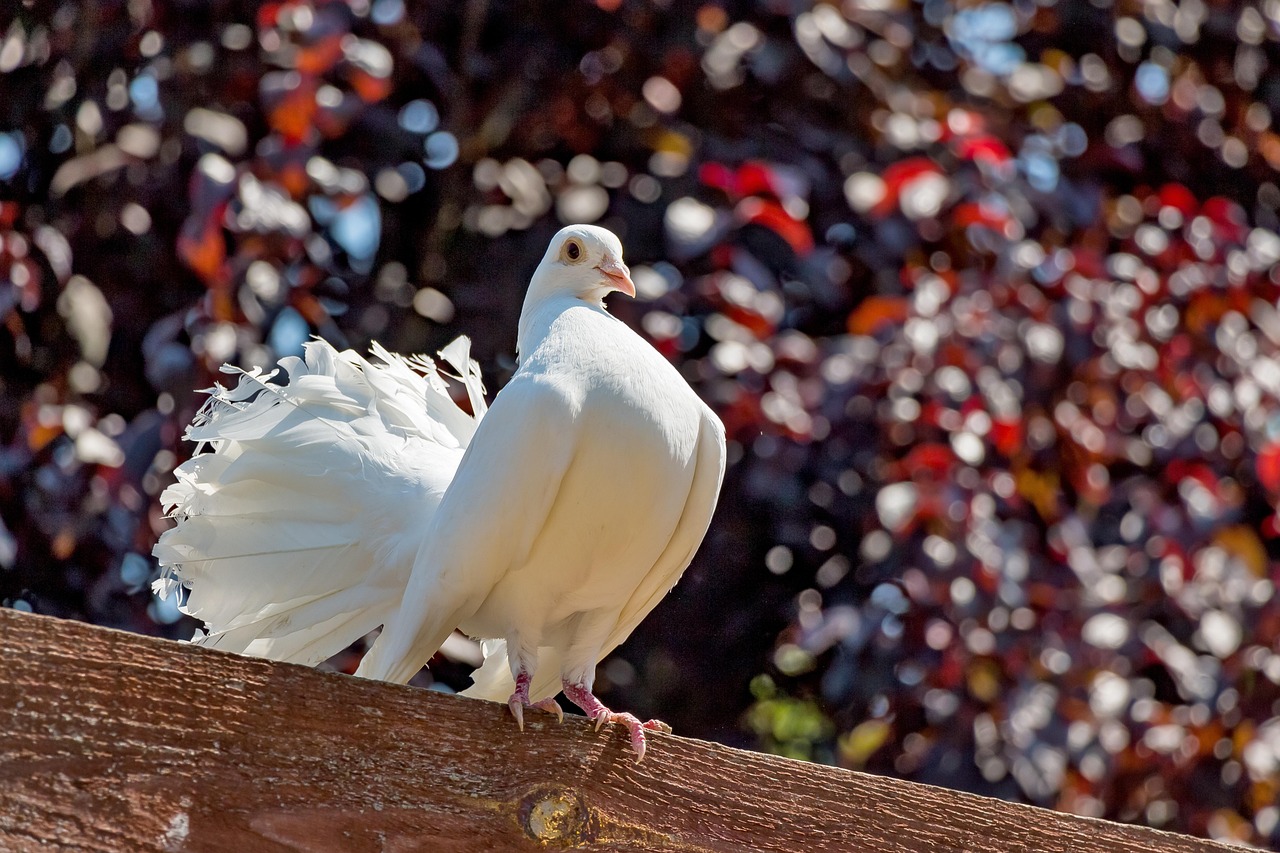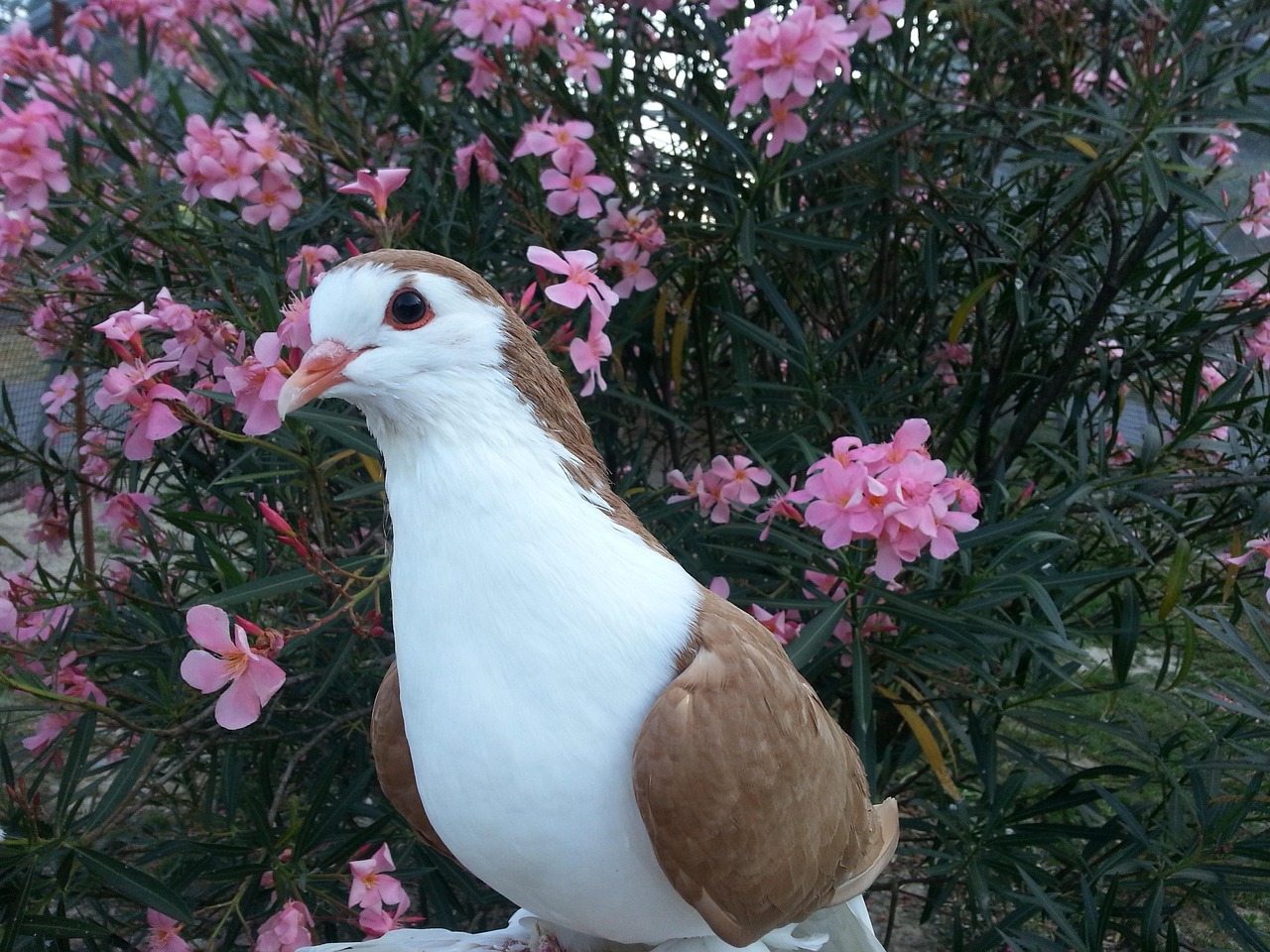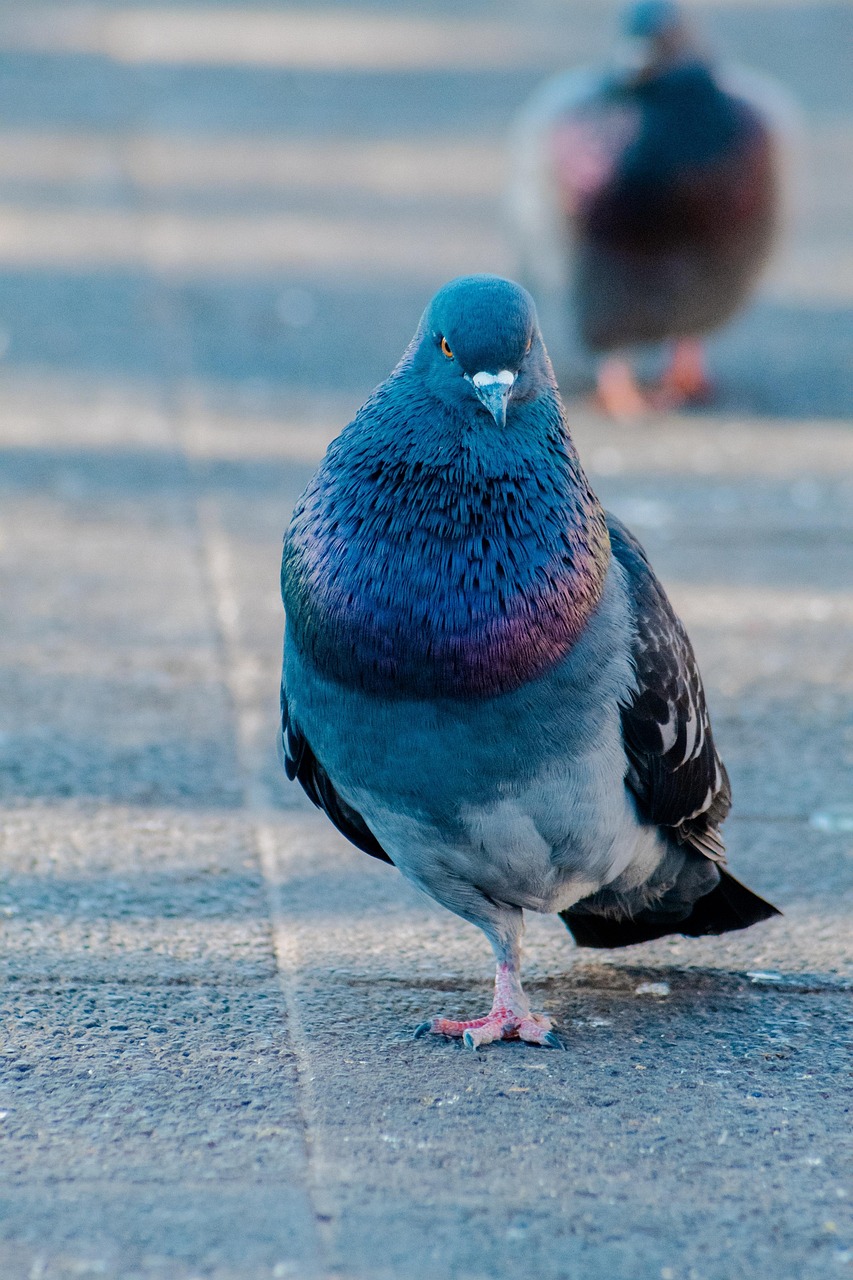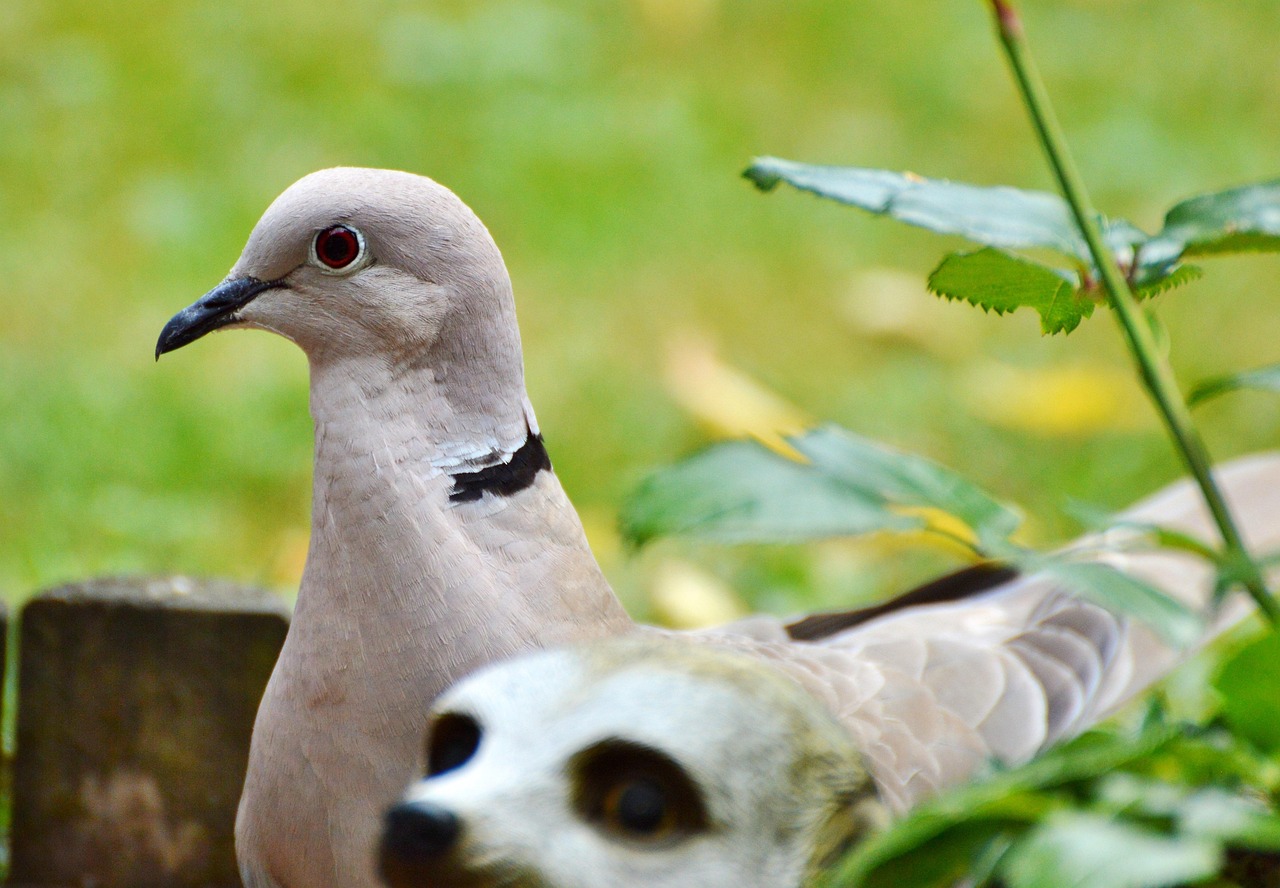
In the competitive world of pigeon shows, a stunning photograph can be the difference between a bird blending in and one that commands attention and value. This guide delves into the art of pigeon photography, offering expert techniques to capture your birds in their best light and elevate their market appeal through professional show presentation. By mastering these skills, you can transform how your pigeons are perceived, turning visual appeal into tangible success in exhibitions and sales.
The Art of Pigeon Photography: Capturing Beauty and Character
Pigeon photography is more than just taking pictures; it's about revealing the unique traits and elegance of each bird to enhance its show presentation. A well-executed photo can highlight a pigeon's conformation, color, and posture, making it stand out in catalogs, online listings, and show entries. This section explores why photography matters and how it directly impacts a pigeon's perceived value in the market.
Understanding the Role of Photography in Show Presentation
In pigeon shows, judges and buyers often form their first impressions from photographs, making quality imagery crucial for effective show presentation. A clear, detailed photo can showcase a bird's strengths, such as its feather quality, eye color, and overall structure, while a poor one might obscure these features. By investing time in photography, you create a visual portfolio that communicates your pigeon's worth, helping it compete at higher levels and attract premium offers. This approach not only boosts individual bird value but also enhances your reputation as a breeder who prioritizes excellence.
To excel in pigeon photography, focus on capturing images that tell a story about the bird's breed and purpose. For example, a racing pigeon should appear athletic and streamlined, while a fancy breed might emphasize ornate plumage and graceful posture. Use photography to document key angles—front, side, and top views—that provide a comprehensive look, ensuring your show presentation is thorough and professional. This attention to detail can lead to better placements in competitions and increased interest from collectors and enthusiasts.
Essential Equipment for Professional Pigeon Shots
While you don't need the most expensive gear, having the right equipment can significantly improve your pigeon photography and show presentation outcomes. A DSLR or mirrorless camera with a macro lens is ideal for capturing fine details like feather patterns and eye clarity, but a high-quality smartphone camera can also suffice with proper technique. Key accessories include a tripod for stability, soft lighting sources to avoid harsh shadows, and a neutral background that doesn't distract from the bird. Investing in these tools ensures your photos are sharp, well-lit, and focused on the pigeon's attributes.
Beyond hardware, consider using props or perches that complement the bird's natural habitat, enhancing the show presentation without overwhelming it. For instance, a simple wooden stand can provide a clean, elevated platform that allows the pigeon to pose comfortably. Experiment with different settings, such as aperture to control depth of field, to highlight specific features like the head or wings. By mastering your equipment, you can produce consistent, high-quality images that make your pigeons look their best in any show setting.
Techniques for Stunning Pigeon Photography
Mastering specific techniques can take your pigeon photography from good to exceptional, directly boosting your show presentation efforts. This section covers practical methods for lighting, composition, and handling to capture images that resonate with judges and buyers. With practice, these skills will become second nature, allowing you to showcase your pigeons in a way that maximizes their appeal and market value.
Lighting and Composition for Optimal Impact
Lighting is the cornerstone of effective pigeon photography, as it can make or break your show presentation. Natural light, such as soft morning or late afternoon sun, often works best to avoid glare and bring out the true colors of the feathers. If shooting indoors, use diffused artificial lights or reflectors to create even illumination without harsh shadows. Position the light source at an angle to highlight texture and depth, ensuring the pigeon's features are clearly visible and appealing in photos.
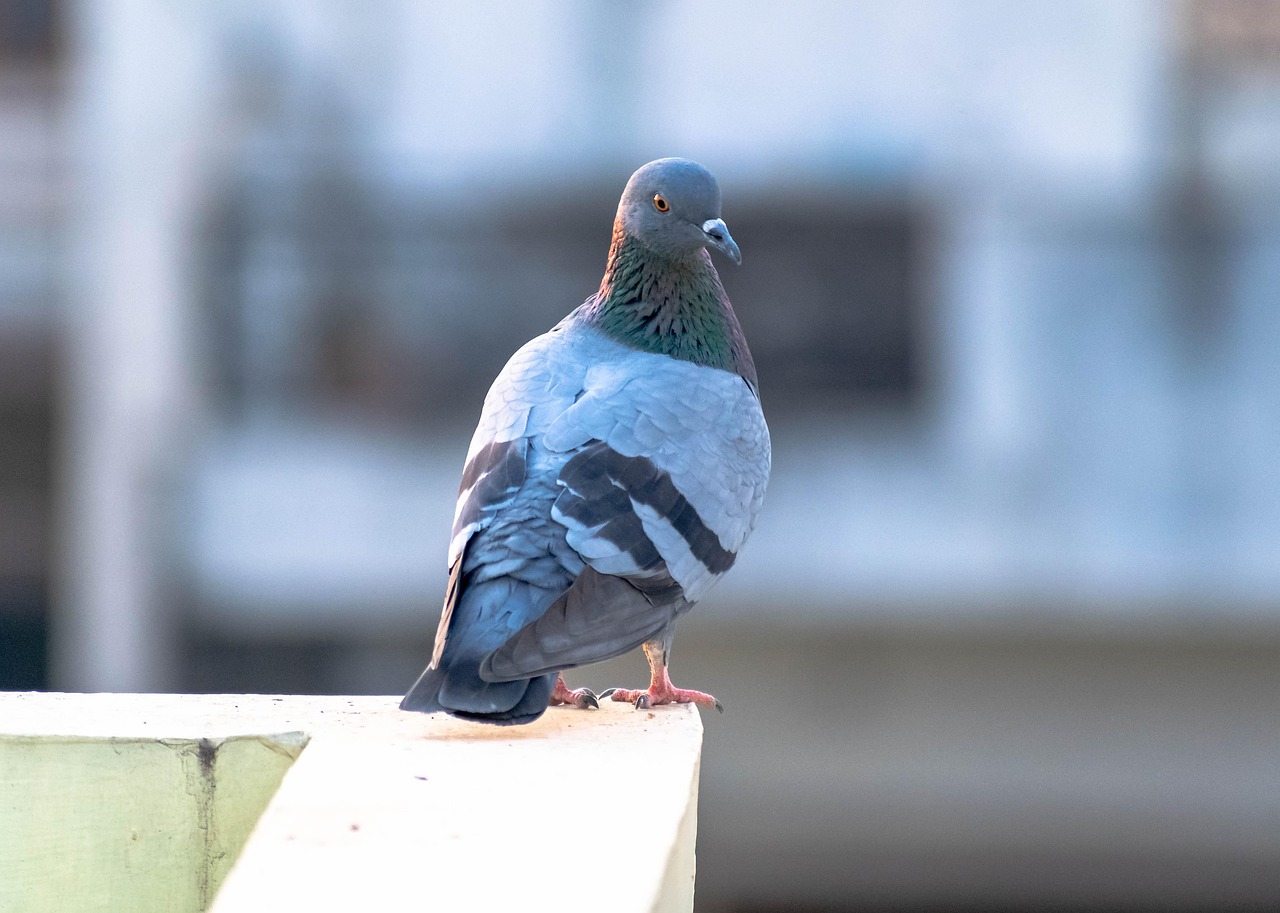
Composition plays a vital role in how your pigeon is perceived in show presentation. Apply the rule of thirds by placing the bird off-center to create a dynamic, engaging image that draws the viewer's eye. Focus on the eyes and head, as these areas convey character and health, and use a shallow depth of field to blur the background and keep attention on the pigeon. Avoid cluttered settings that detract from the subject; instead, opt for simple, clean backdrops that emphasize the bird's form and color. These techniques help produce photos that are not only beautiful but also strategically aligned with show standards.
Handling and Posing Your Pigeon for the Camera
Proper handling is essential for successful pigeon photography, as a calm, well-positioned bird results in better show presentation images. Approach your pigeon gently to minimize stress, using slow movements and a quiet environment to keep it relaxed. Have an assistant if possible to help position the bird or manage props, allowing you to focus on capturing the shot. Practice holding techniques that support the pigeon comfortably, such as cradling it with both hands to showcase its posture without causing discomfort.
When posing your pigeon for photography, aim for natural stances that reflect its breed characteristics and enhance show presentation. Encourage the bird to stand upright with its head held high, as this conveys confidence and quality. Capture multiple angles, including profile shots to highlight body shape and overhead views to show wing span and symmetry. Use treats or gentle cues to elicit alert expressions, making the photos more lively and engaging. By mastering these posing techniques, you can create a portfolio of images that accurately represent your pigeon's best traits, increasing its chances of success in shows and sales.
Enhancing Show Presentation Through Strategic Photography
Beyond basic shots, strategic pigeon photography can elevate your show presentation by telling a compelling story about your birds. This section explores how to use photos in marketing, competition entries, and breeding programs to build value and credibility. By integrating photography into your overall strategy, you can create a cohesive brand image that attracts attention and drives interest in your pigeons.
Using Photos for Marketing and Sales
High-quality pigeon photography is a powerful tool for marketing and sales, enhancing show presentation by making your birds more attractive to potential buyers. Use photos in online listings, social media posts, and printed materials to showcase your pigeons' best features, such as unique color patterns or impressive size. Include detailed captions that highlight key attributes, like lineage or show wins, to provide context and build trust. This visual approach can lead to faster sales and higher prices, as buyers feel more confident in their purchase when they see clear, professional images.
To maximize impact, create a consistent style across all your pigeon photography, using similar backgrounds and lighting to present a unified show presentation. Update your photo gallery regularly with new shots, especially after molting or growth phases, to keep your offerings fresh and relevant. Consider creating before-and-after sequences to demonstrate care and development, which can appeal to enthusiasts looking for quality birds. By leveraging photography in your marketing, you not only sell individual pigeons but also build a reputation for excellence that can lead to repeat business and referrals.
Integrating Photography into Competition Preparation
In competition settings, pigeon photography plays a crucial role in show presentation, from entry submissions to on-site displays. Use photos to pre-screen your birds, identifying any flaws or areas for improvement before the actual event. Capture images that align with show criteria, such as specific poses or details judges look for, to ensure your pigeons meet expectations. This proactive approach can help you refine your presentation and increase your chances of winning awards.
During competitions, bring printed photos or digital portfolios to share with judges and fellow exhibitors, enhancing your show presentation with visual evidence of your pigeons' qualities. Use these images to network and discuss your breeding programs, building connections that can lead to future opportunities. After the event, document wins and placements with photos to add to your records and promotional materials, creating a history of success that boosts credibility. By integrating photography into every stage of competition, you create a comprehensive strategy that elevates your pigeons' market value and show performance.
Advanced Tips for Pigeon Photography Mastery
For those looking to take their pigeon photography to the next level, advanced techniques can further refine show presentation and set your birds apart. This section covers creative approaches, post-processing, and long-term strategies to maintain high standards. By embracing these tips, you can develop a distinctive style that captures attention and drives continuous improvement in your pigeon endeavors.
Creative Angles and Storytelling Through Images
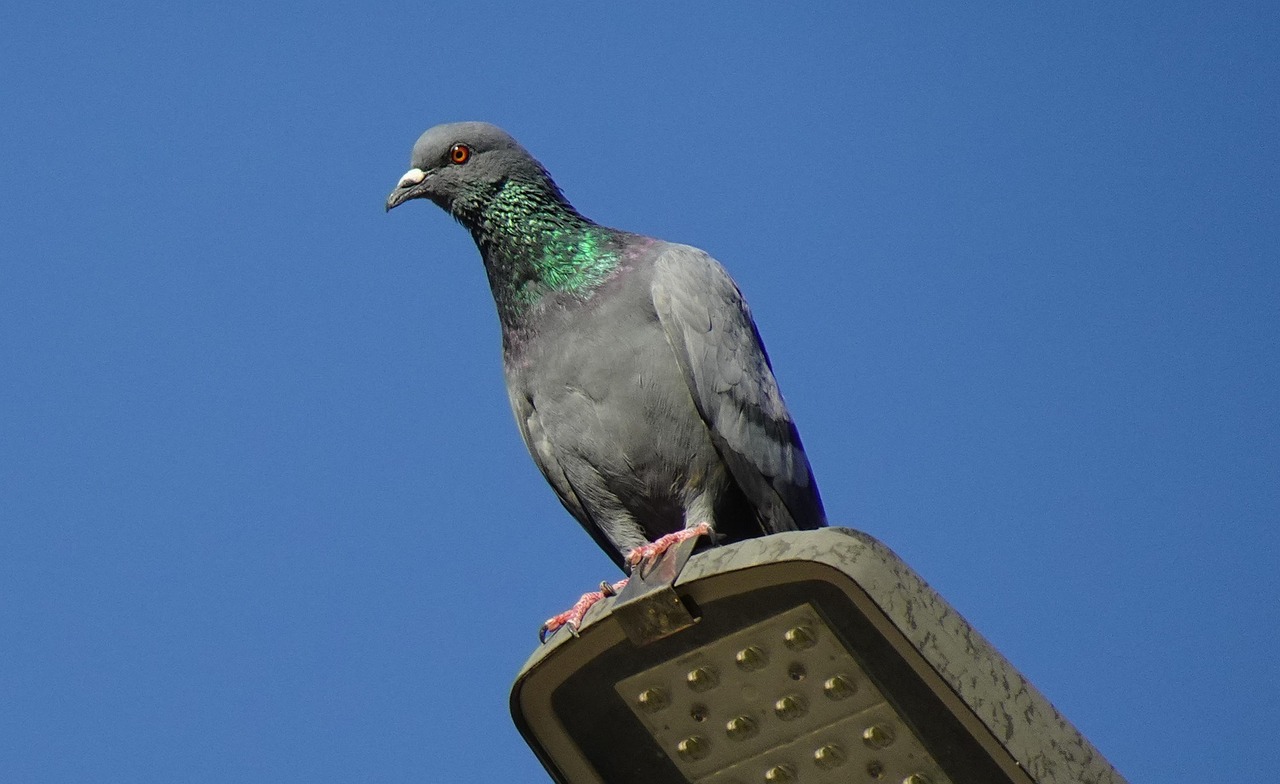
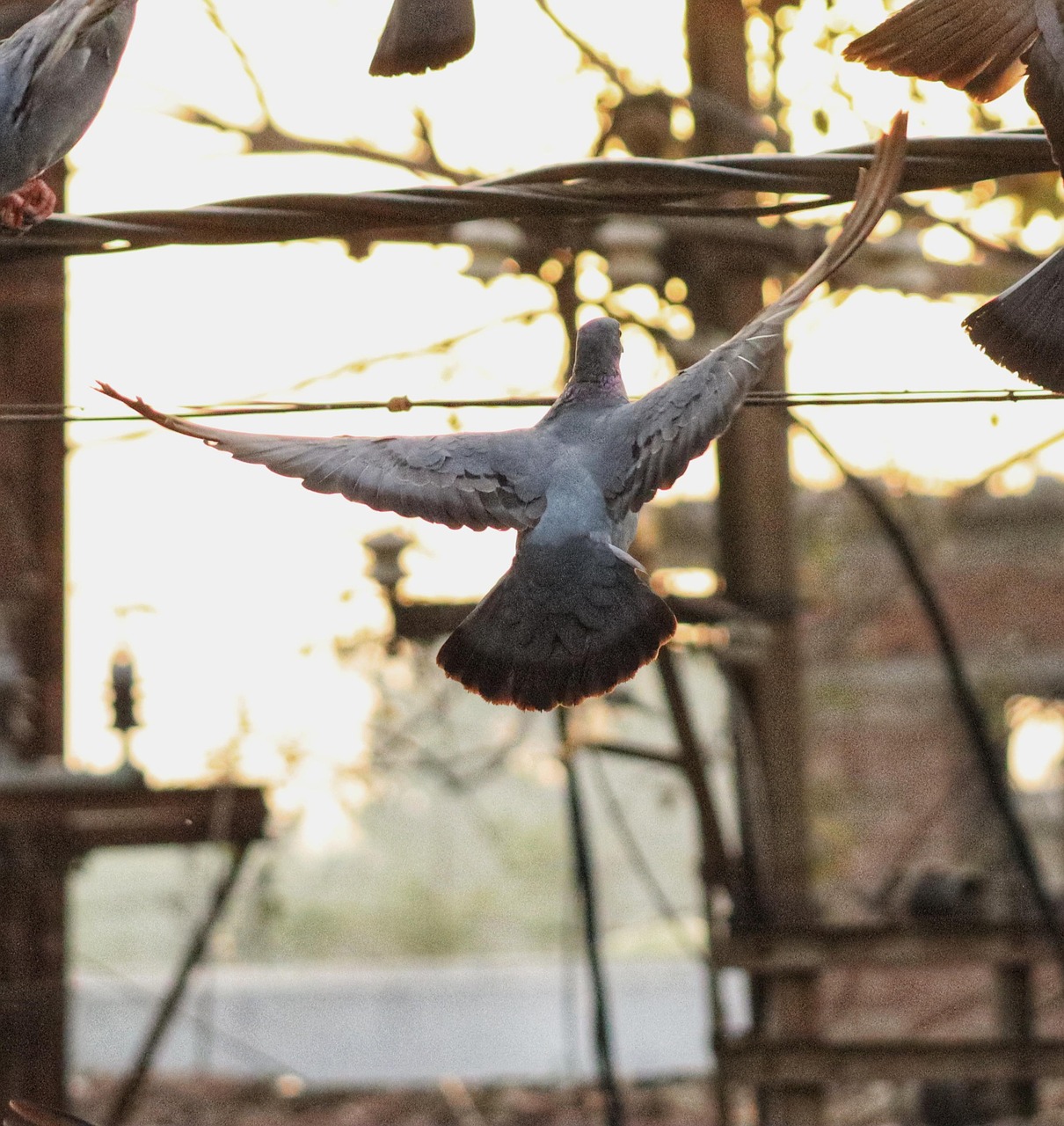
Experimenting with creative angles can add depth to your pigeon photography, making your show presentation more memorable and engaging. Try shooting from low angles to emphasize the bird's stature and dominance, or use close-ups to highlight intricate feather details that might go unnoticed. Incorporate action shots, such as birds in flight or during feeding, to showcase vitality and behavior, adding a dynamic element to your portfolio. These creative approaches help tell a fuller story about your pigeons, appealing to a wider audience and enhancing their perceived value.
Storytelling through images involves sequencing photos to document a pigeon's journey, from hatching to show readiness, which can strengthen your show presentation. Create photo essays or albums that highlight key milestones, like first flights or award wins, to build emotional connections with viewers. Use captions to provide context and insights, sharing your expertise as a breeder. This narrative approach not only markets your birds but also educates others, positioning you as a leader in the pigeon community and increasing trust in your offerings.
Post-Processing and Maintaining Quality Standards
Post-processing is an essential step in pigeon photography, allowing you to enhance images for optimal show presentation without altering the bird's true appearance. Use software like Adobe Lightroom or free alternatives to adjust brightness, contrast, and color balance, ensuring photos accurately represent your pigeons. Crop images to remove distractions and focus on the subject, but avoid over-editing that could mislead judges or buyers. Maintain a consistent editing style across all photos to present a professional, cohesive look that reinforces your brand.
To uphold quality standards, establish a routine for reviewing and updating your pigeon photography portfolio. Regularly assess your images against show criteria and feedback, making adjustments to techniques or equipment as needed. Keep backups of original files to preserve integrity, and share your best work on platforms frequented by pigeon enthusiasts. By prioritizing post-processing and consistency, you ensure that your show presentation remains top-notch, driving ongoing interest and value in your pigeons. For those seeking to streamline this process, tools like Ghawy – Pigeon Manager (غاوي – إدارة الحمام) offer integrated solutions to manage photos and presentations efficiently.
Conclusion
Mastering pigeon photography is a transformative skill that can significantly elevate your show presentation and boost your birds' market value. By focusing on techniques like lighting, composition, and strategic use, you create compelling images that capture attention and convey quality. Integrate these practices into your marketing and competition efforts to build a strong reputation and drive success. Remember, a great photo tells a story—make yours count by showcasing the beauty and potential of your pigeons with every shot.