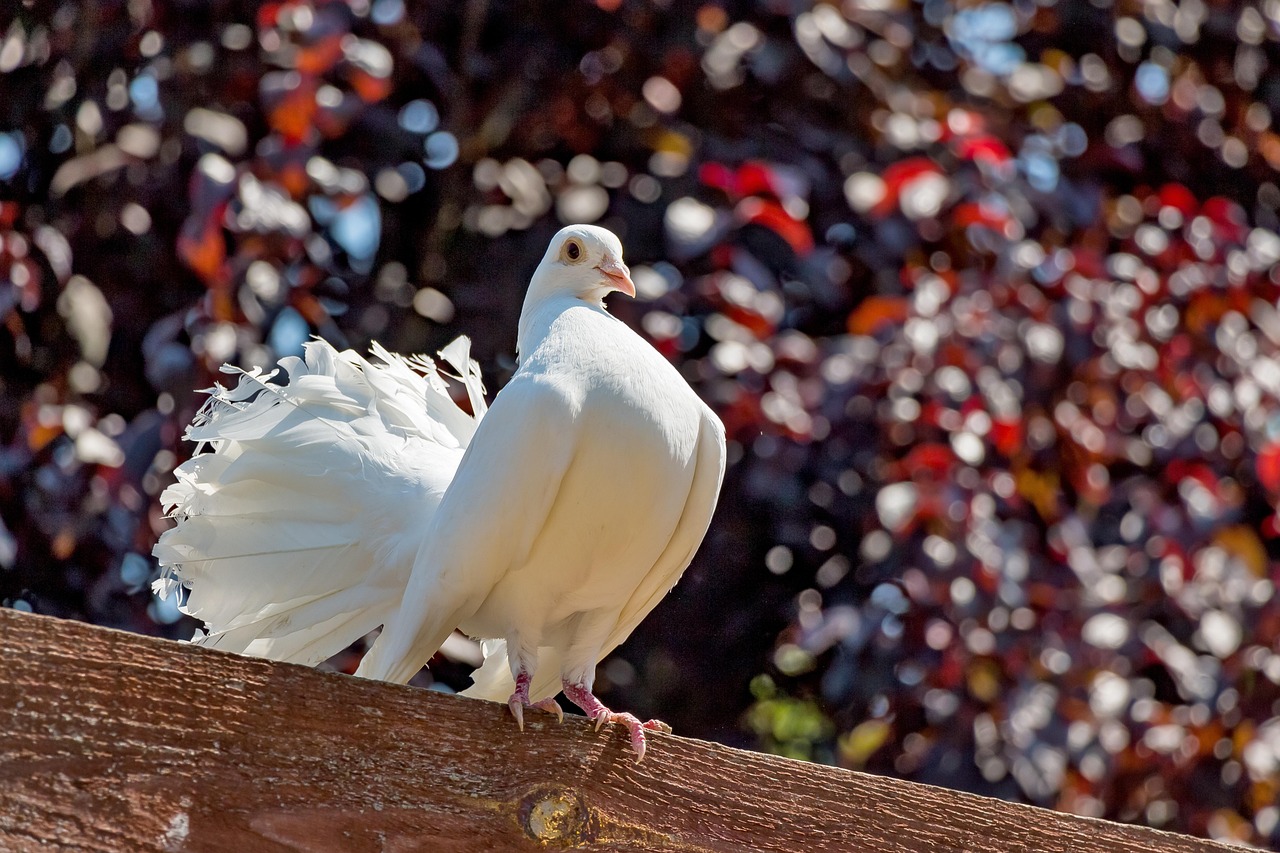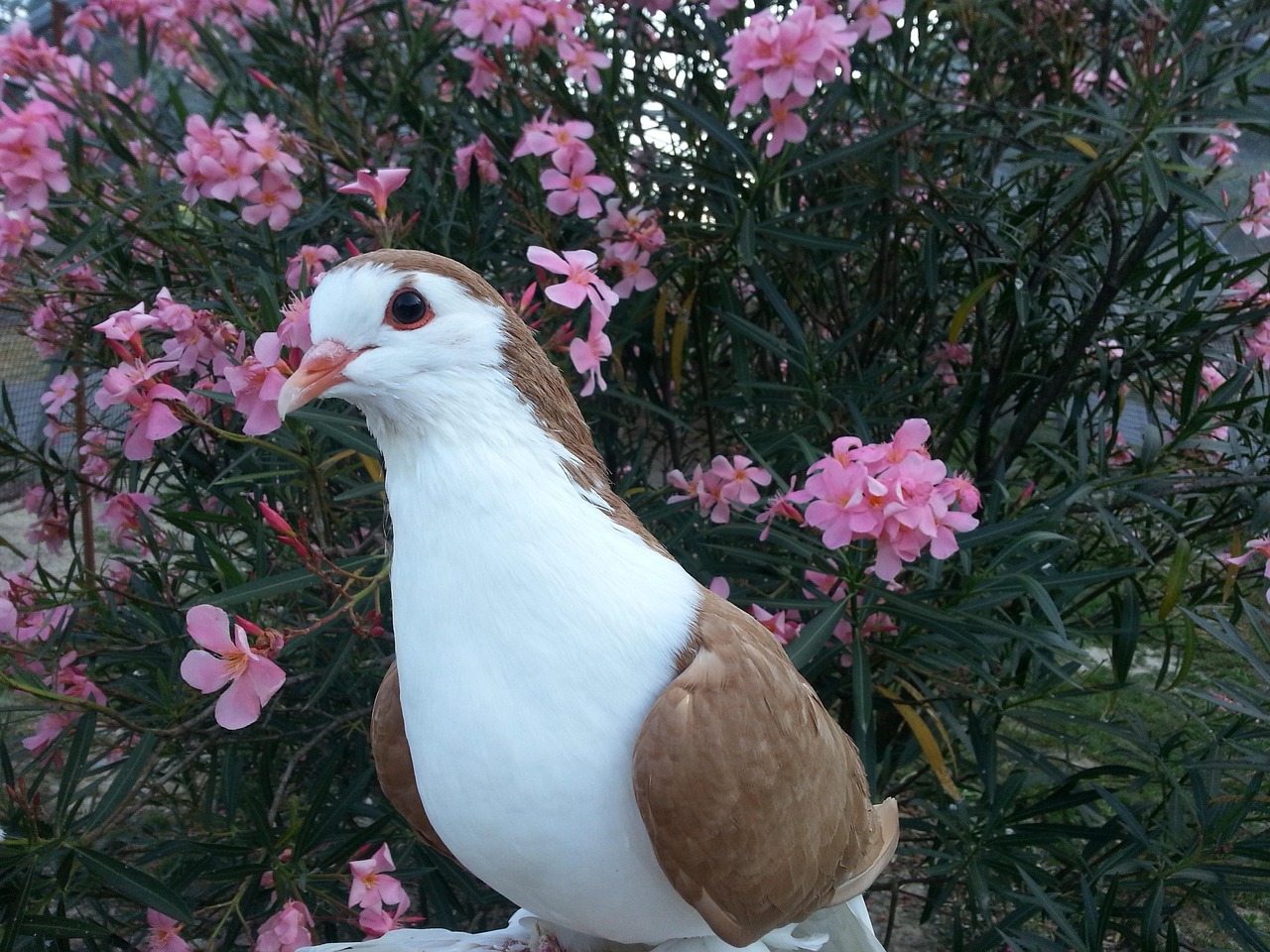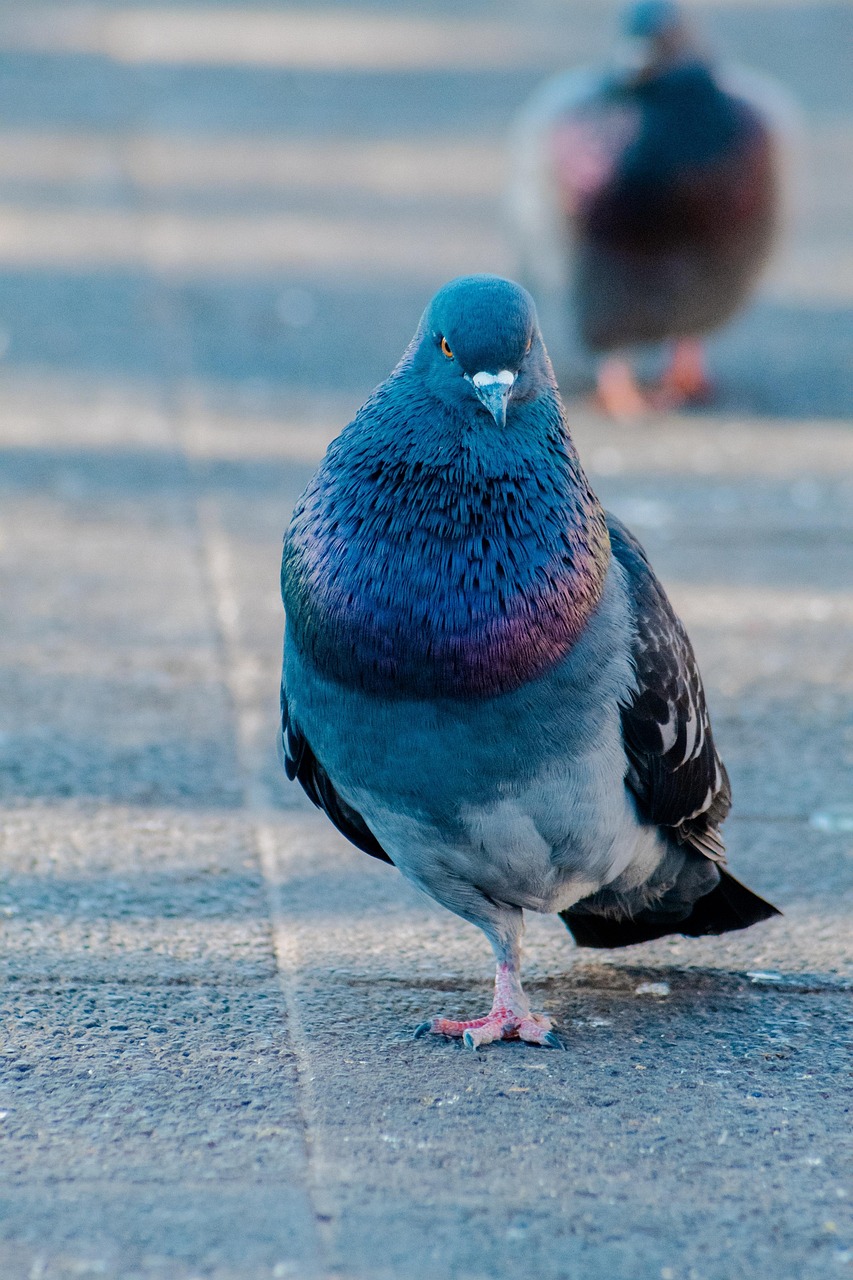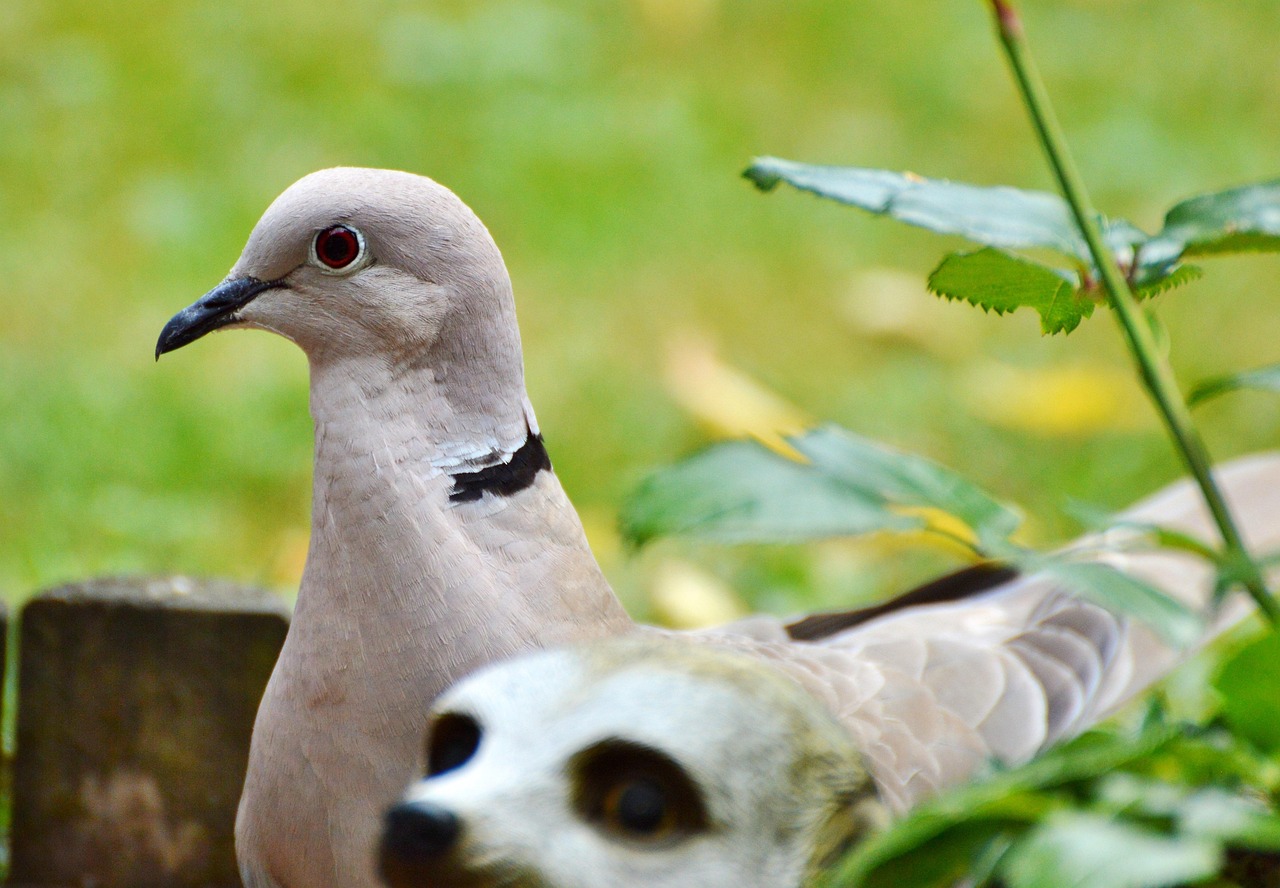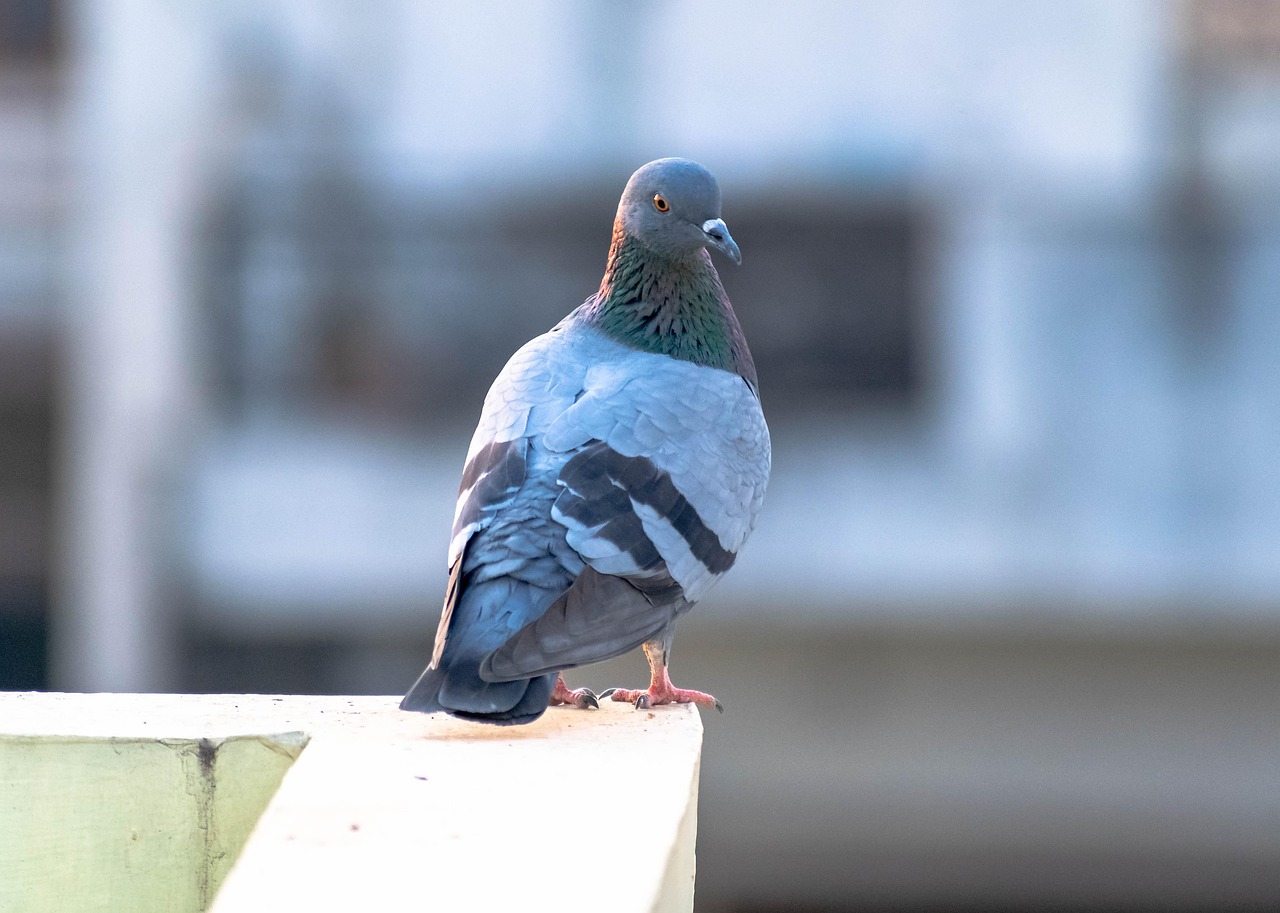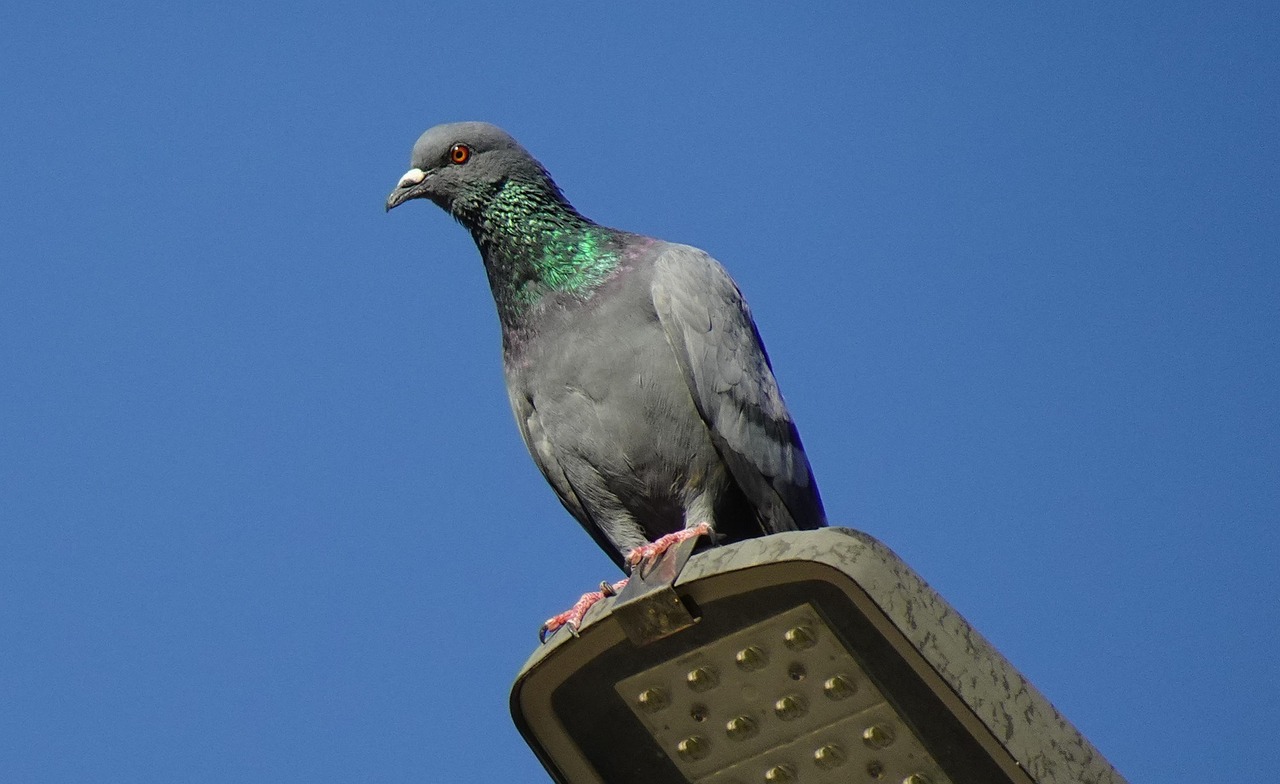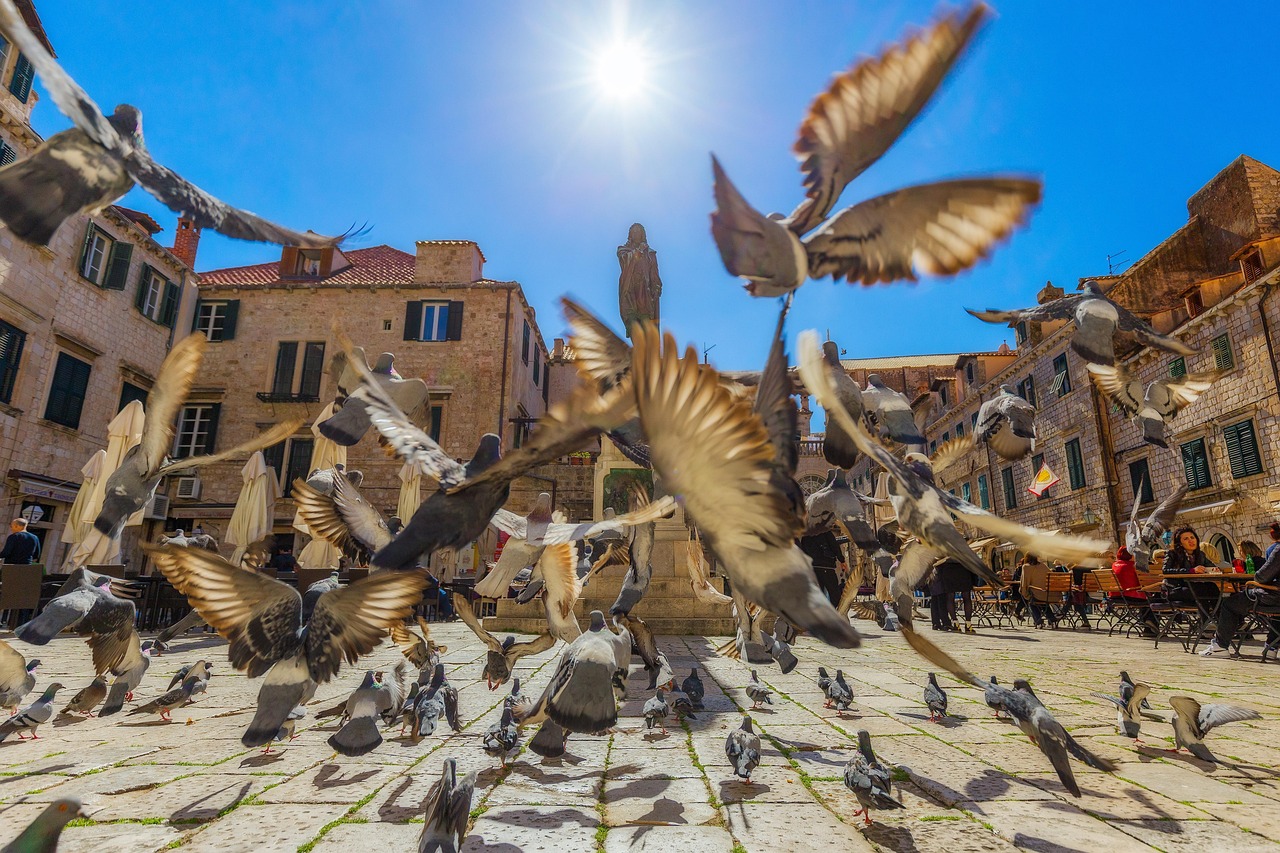
In the competitive world of pigeon shows, a bird's market value is often determined not just by its genetics and health, but by how it is presented to judges and buyers. This guide delves into the art of pigeon photography, a crucial tool for enhancing show presentation and boosting your pigeon's appeal. By mastering these techniques, you can capture your bird's best angles, highlight its unique features, and create compelling visuals that stand out in the show ring and online marketplaces.
The Art of Pigeon Photography: More Than Just a Snapshot
Pigeon photography is a specialized skill that goes beyond taking casual pictures. It involves understanding lighting, composition, and the bird's behavior to produce images that accurately represent its quality and beauty. In show presentation, these photos serve as your pigeon's first impression, influencing potential buyers and judges before they even see the bird in person. A well-executed photo can emphasize strengths like feather condition, color vibrancy, and posture, making your pigeon appear more valuable and desirable.
Why Photography Matters in Show Presentation
In today's digital age, most pigeon transactions and show entries begin online. High-quality photos are essential for creating a professional image that attracts attention. They allow you to showcase your pigeon's attributes in a controlled environment, free from the distractions of a live show. For example, a photo can highlight intricate feather patterns or a perfect stance that might be missed in a crowded exhibition. By investing time in pigeon photography, you not only improve your show presentation but also build a portfolio that can be used for marketing, breeding records, and social media promotion.
Essential Equipment for Capturing Stunning Images
To excel in pigeon photography, you don't need expensive gear, but having the right tools can make a significant difference. Start with a camera that allows manual settings, such as a DSLR or a high-quality smartphone with a good lens. Key accessories include a tripod for stability, soft lighting sources like LED panels or natural light from a window, and a plain background to keep the focus on the bird. Additionally, consider using props like perches or show cages that mimic real show conditions. Remember, the goal is to create a setup that is both comfortable for the pigeon and conducive to capturing clear, detailed images.
Mastering Lighting and Composition for Impactful Photos
Lighting is the cornerstone of effective pigeon photography. Proper illumination can enhance colors, reduce shadows, and bring out textures in the feathers. For show presentation, aim for soft, diffused light that evenly covers the bird without causing glare or harsh contrasts. Natural light during early morning or late afternoon often works best, but if indoors, use artificial lights with diffusers. Composition involves framing the pigeon in a way that tells a story—position it to highlight its best features, such as a proud chest or elegant tail, and use the rule of thirds to create a balanced image that draws the viewer's eye.
Techniques for Natural and Artificial Lighting
When using natural light, place your pigeon near a window with indirect sunlight to avoid harsh shadows. For artificial lighting, set up two light sources at 45-degree angles to the bird to create depth and dimension. Avoid using flash directly, as it can startle the pigeon and create red-eye effects. Experiment with different lighting setups to see what best accentuates your pigeon's unique traits, such as iridescent feathers or bright eye colors. Consistency in lighting across your photos will also help in creating a cohesive show presentation portfolio.
Composition Rules to Elevate Your Images
Good composition can transform a simple photo into a compelling visual narrative. Start by focusing on the pigeon's eyes, as they are often the most expressive part. Use leading lines, such as the bird's posture or background elements, to guide the viewer's attention. For show presentation, include shots from multiple angles—front, side, and top—to provide a comprehensive view. Don't be afraid to get close-ups to capture details like feather texture or beak shape, but also include full-body shots to show overall conformation. By varying your compositions, you create a dynamic set of images that showcase your pigeon's versatility.
Preparing Your Pigeon for a Successful Photoshoot
Before you start shooting, ensure your pigeon is in top condition. This involves grooming, handling, and creating a stress-free environment. A well-prepared bird will not only look better in photos but will also be more cooperative, leading to higher-quality images. In show presentation, this preparation mirrors the care taken before a live event, demonstrating your dedication as an enthusiast. Take time to clean feathers, trim nails if necessary, and acclimate the pigeon to the photography setup to reduce anxiety.
Grooming and Handling Tips for Optimal Results
Grooming your pigeon involves brushing its feathers to remove dust and ensuring it is free from mites or other issues. Handle the bird gently to build trust, using slow movements to avoid startling it. During the photoshoot, have treats or familiar objects nearby to keep the pigeon calm. Position it on a stable perch or in a show cage that allows natural poses. If the bird becomes restless, take breaks to prevent stress, as a relaxed pigeon will yield more natural and appealing photos for your show presentation.
Creating a Comfortable Environment
The setting for your pigeon photography should be quiet and controlled to minimize distractions. Use a backdrop that contrasts with the bird's colors, such as a neutral gray or white, to make it pop. Keep the area clean and free of clutter to maintain focus on the pigeon. Temperature and humidity should be comfortable for the bird to prevent discomfort. By prioritizing the pigeon's well-being, you not only get better photos but also uphold ethical standards in show presentation, which can enhance your reputation among buyers and judges.
Advanced Techniques for Show-Stopping Presentation
Once you've mastered the basics, explore advanced pigeon photography techniques to take your show presentation to the next level. This includes action shots, editing, and integrating photos into marketing materials. These methods can highlight your pigeon's dynamism and professionalism, setting it apart in competitive shows. For instance, capturing your bird in mid-flight or during natural behaviors can add a layer of authenticity and appeal that static images might lack.
Capturing Action and Behavior in Photos
Action photography requires patience and quick reflexes. Set up your camera with a fast shutter speed to freeze motion, and use continuous shooting mode to capture multiple frames. Focus on moments that showcase your pigeon's vitality, such as flying, preening, or interacting with other birds. These images can be powerful tools in show presentation, as they demonstrate the pigeon's health and energy. However, ensure safety by shooting in a secure area to prevent escapes or injuries.
Post-Processing and Editing for Professional Polish
Editing is a crucial step in pigeon photography to refine your images. Use software like Adobe Lightroom or free apps to adjust brightness, contrast, and color balance. Remove minor imperfections, such as dust spots or background distractions, but avoid over-editing that makes the photo look unnatural. The goal is to enhance the pigeon's features without altering its true appearance, maintaining integrity for show presentation. Save edited photos in high resolution for print and web use, ensuring they look sharp across all platforms.
Integrating Photography into Your Show Strategy
Pigeon photography should be an integral part of your overall show presentation strategy. Use your photos to create a cohesive brand, from online listings to physical show materials. This consistency helps build recognition and trust with your audience. For example, develop a style guide for your images, including consistent backgrounds and angles, to present a professional image. Share your photos on social media, websites, and at live shows to attract attention and drive interest in your pigeons.
Using Photos for Online and Offline Marketing
In the digital realm, optimize your photos for SEO by using descriptive filenames and alt text that include keywords like "pigeon photography" and "show presentation." Create galleries or videos that tell the story of your pigeons, highlighting their achievements and lineage. For offline use, print high-quality photos for show catalogs, business cards, or display boards at exhibitions. This multi-channel approach ensures your pigeons are presented effectively wherever potential buyers or judges encounter them.
Building a Portfolio for Long-Term Success
A well-curated portfolio of pigeon photography can serve as a valuable asset over time. Document each bird's growth, show performances, and breeding milestones through photos. This not only aids in marketing but also provides a historical record for your breeding program. Update your portfolio regularly to reflect new acquisitions or improvements. By treating pigeon photography as an ongoing practice, you continuously enhance your show presentation skills and increase the market value of your birds.
Conclusion
Mastering pigeon photography is a game-changer for elevating show presentation and boosting market value. By focusing on lighting, composition, preparation, and advanced techniques, you can create compelling images that capture your bird's essence. Remember, consistency and professionalism in your photos reflect your dedication as an enthusiast. For those looking to streamline their pigeon management and presentation efforts, consider tools like Ghawy – Pigeon Manager (غاوي – إدارة الحمام) to organize your portfolio and enhance your show strategy. Start applying these tips today to see a tangible improvement in your pigeon's appeal and success in the competitive show ring.