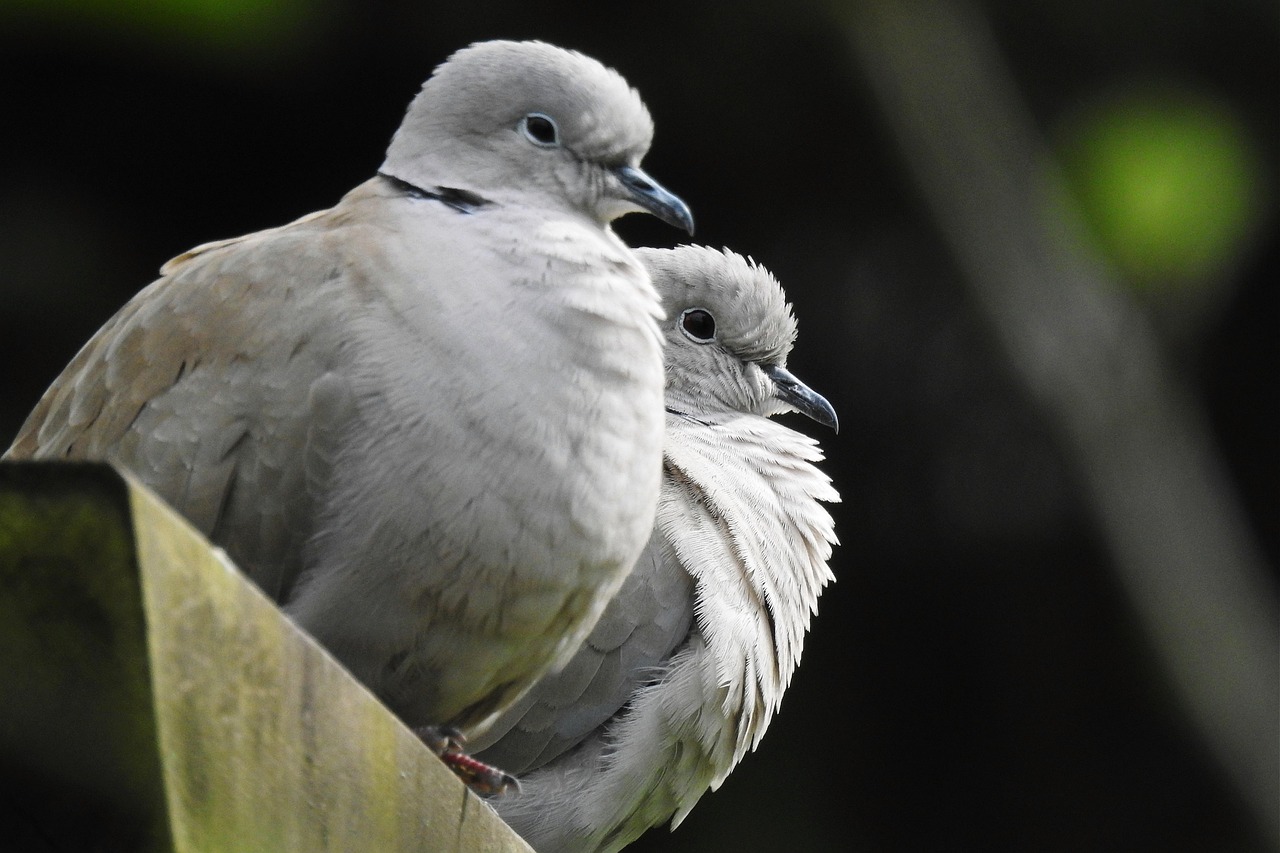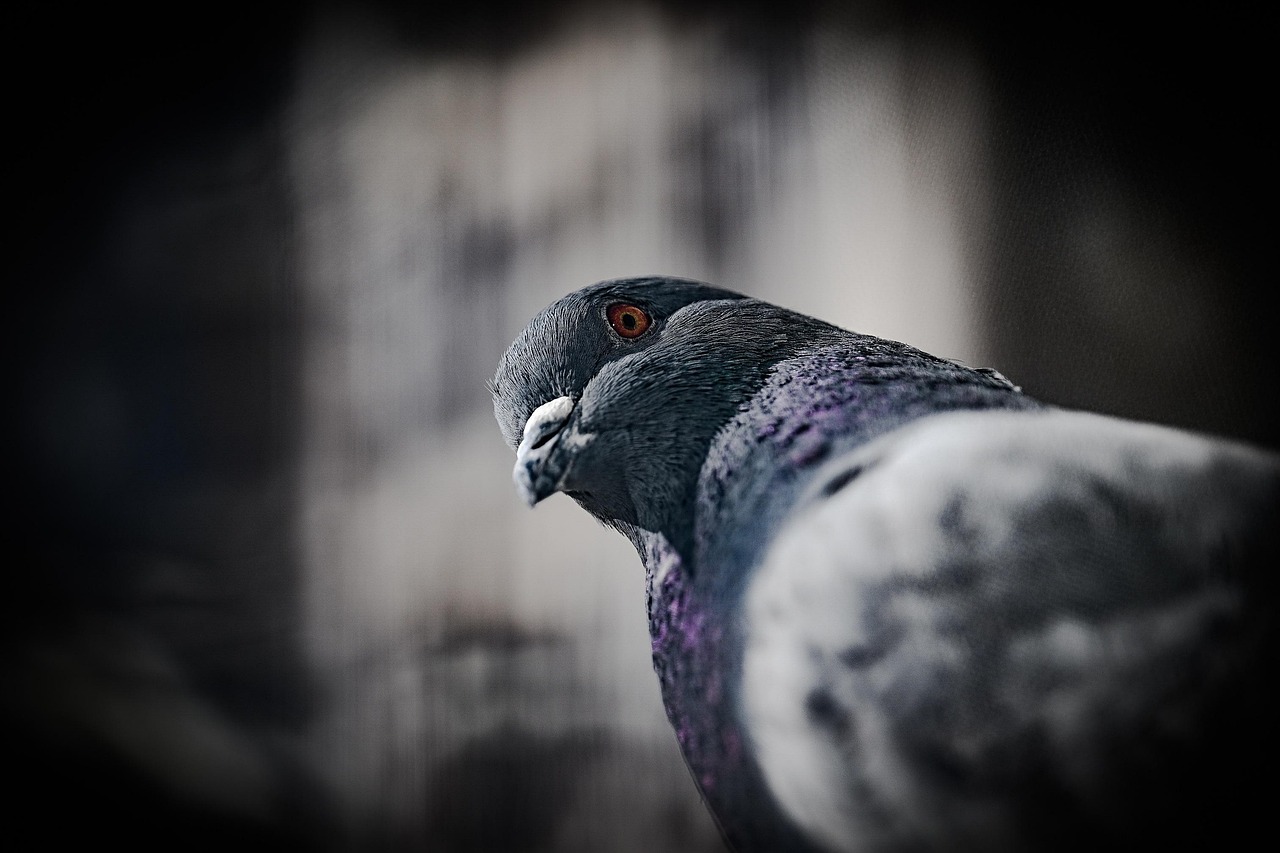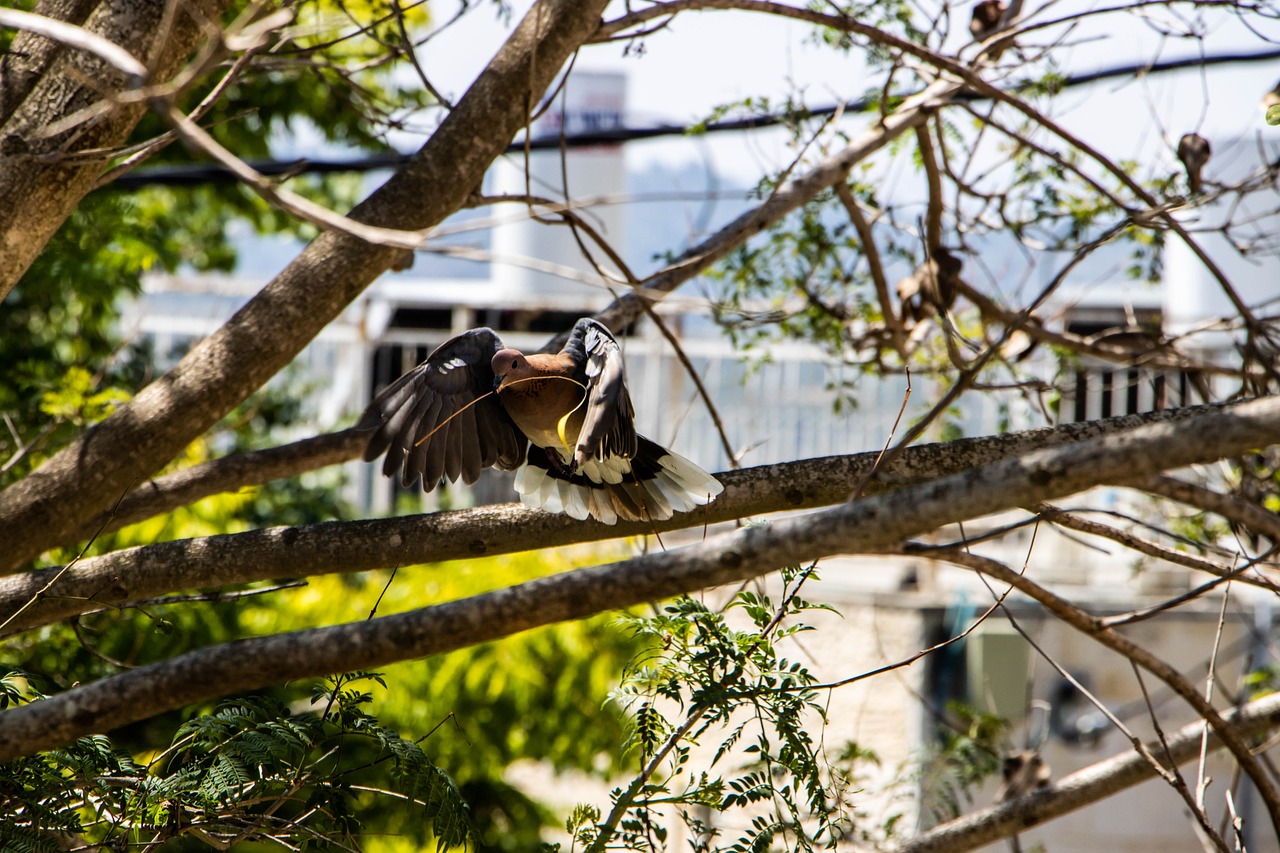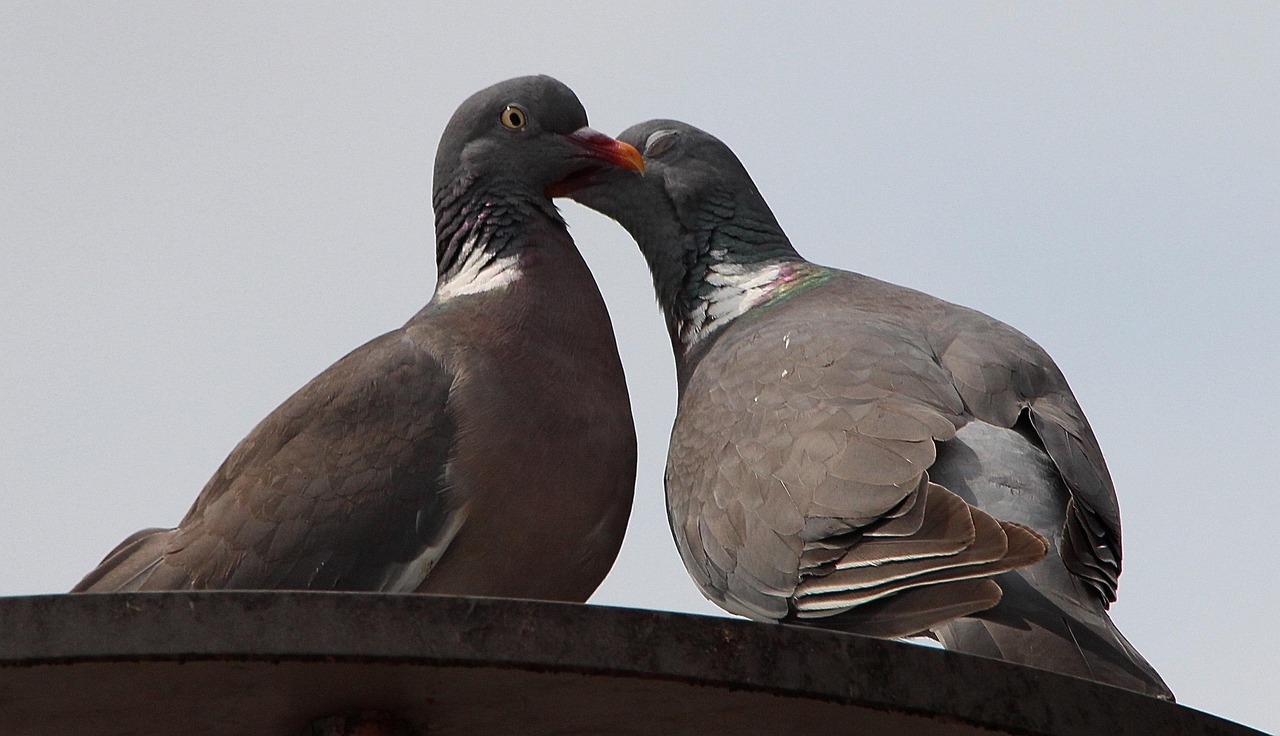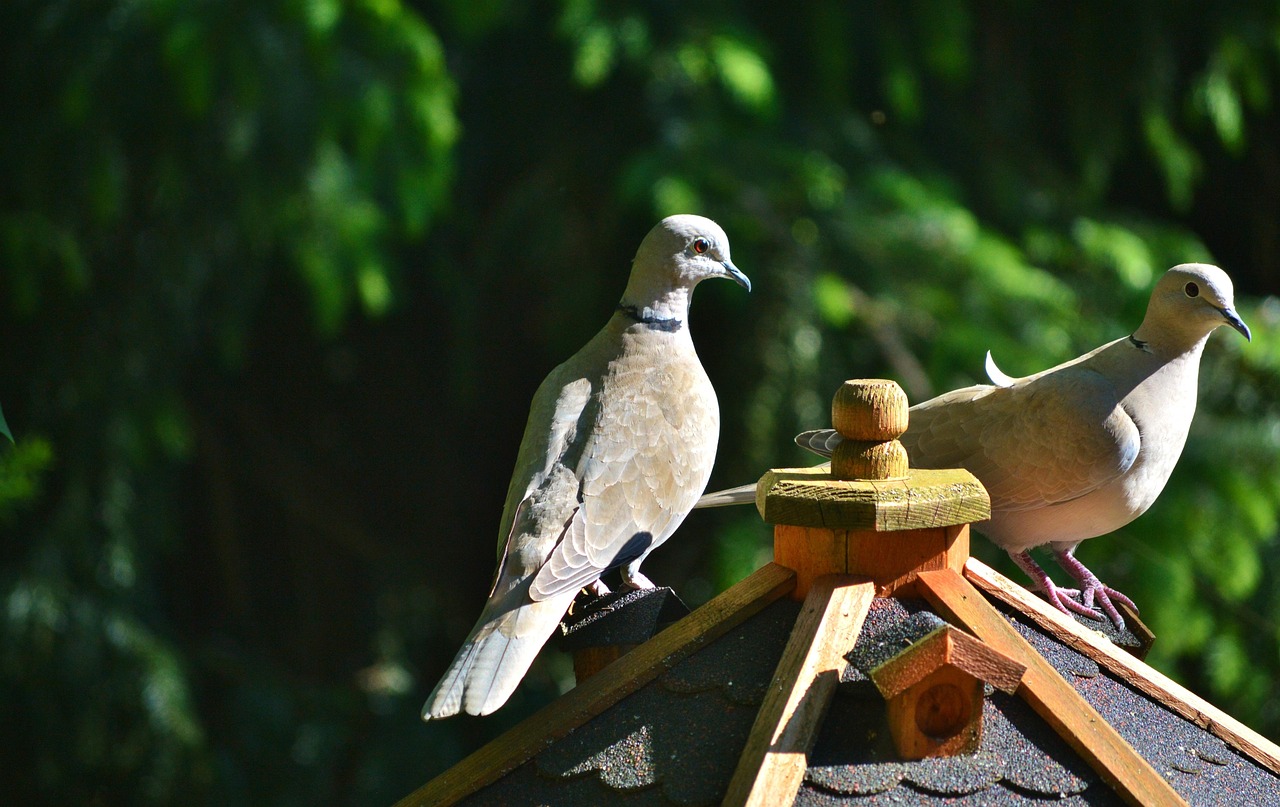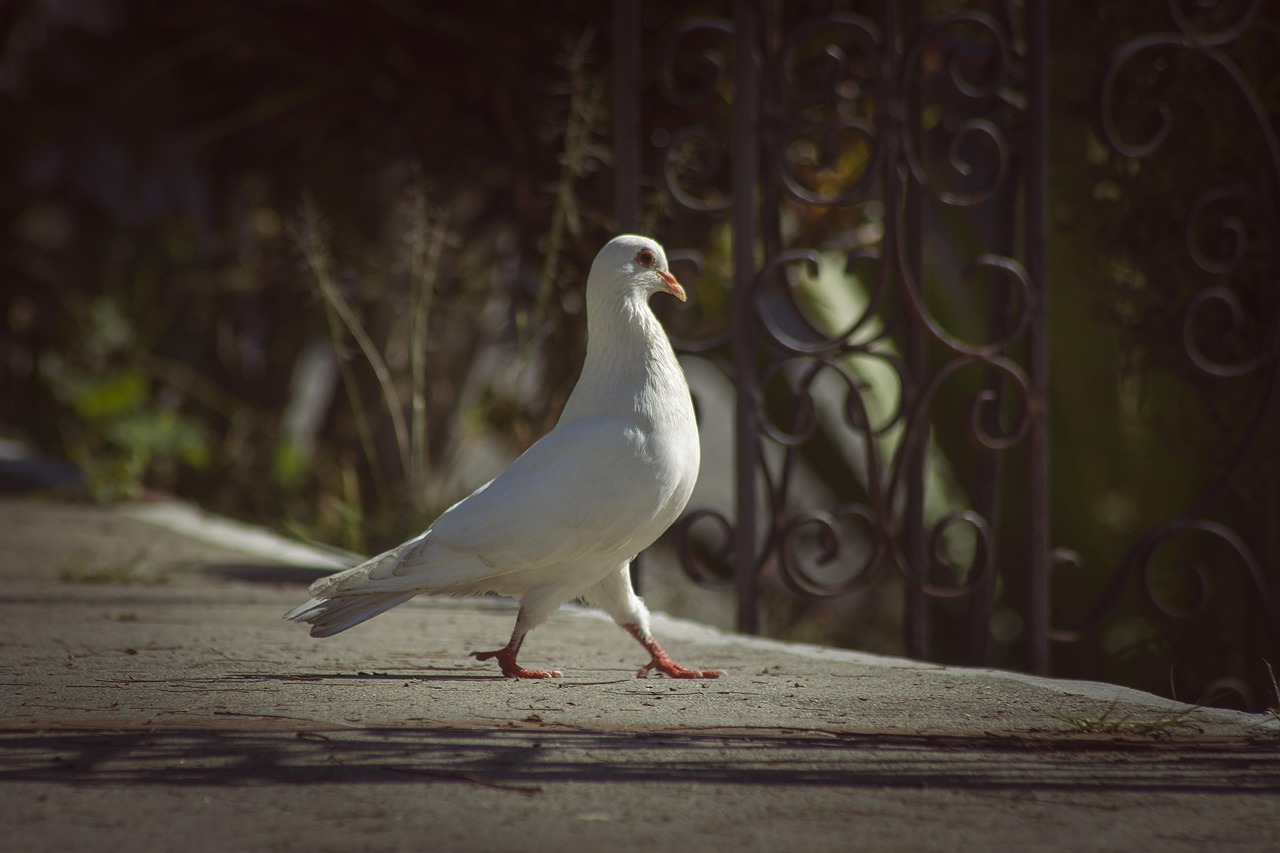
In the competitive world of pigeon shows, a stunning photograph can be the difference between a bird that blends in and one that commands attention and higher market value. This guide delves into the art of pigeon photography, offering expert techniques to capture your bird's best angles and enhance its show presentation, ensuring it stands out in any exhibition or sale.
The Art of Pigeon Photography: Capturing Beauty and Character
Pigeon photography is more than just snapping pictures; it's a strategic tool to showcase the unique traits that make your bird valuable. A well-executed photo highlights feather quality, posture, and color, creating a compelling visual narrative that appeals to judges and buyers alike. By mastering this skill, you can effectively communicate your bird's worth before it even steps into the show ring.
Understanding Your Subject: Key Features to Highlight
Every pigeon breed has distinct characteristics that define its quality, such as head shape, eye color, and feather patterns. In pigeon photography, focus on these details to create images that tell a story of excellence. For example, a show-quality bird might have vibrant plumage or a proud stance; capturing these elements requires patience and an eye for detail. Use close-up shots to emphasize texture and color, ensuring the photo reflects the bird's true potential in a show presentation.
To achieve this, observe your pigeon in different lighting conditions to see how its features change. Natural light often brings out the best in feathers, while controlled studio setups can eliminate shadows that might obscure details. By understanding what makes your bird unique, you can tailor your photography approach to highlight its strengths, making it more attractive in competitive settings.
Equipment Essentials for Professional Results
While you don't need the most expensive gear, investing in basic equipment can elevate your pigeon photography. A DSLR or mirrorless camera with a macro lens is ideal for capturing fine details, but even a smartphone with a good camera can suffice if used correctly. Key accessories include a tripod for stability, reflectors to manage light, and a clean backdrop to avoid distractions. For show presentation, consistency in your photos is crucial, so set up a dedicated space where your bird feels comfortable.
Consider using a softbox or diffuser to create even lighting that minimizes harsh shadows, which can detract from your pigeon's appearance. Experiment with different angles, such as eye-level shots to engage viewers or overhead views to showcase symmetry. Remember, the goal is to produce images that look professional and enhance the bird's market appeal, so practice regularly to refine your techniques.
Techniques for Flawless Show Presentation Through Photography
Effective show presentation relies on images that not only look good but also convey the bird's readiness for competition. This involves staging, composition, and post-processing to ensure every photo tells a compelling story. By applying these techniques, you can create a portfolio that boosts your pigeon's perceived value and attracts potential buyers or judges.
Staging and Composition: Setting the Scene
Staging is critical in pigeon photography, as it sets the tone for your show presentation. Choose a neutral background, such as a plain white or black sheet, to keep the focus on your bird. Position your pigeon in a natural pose that highlights its best features, like an upright stance for breeds known for their posture. Use props sparingly, if at all, to avoid clutter that might distract from the main subject.
Composition rules, such as the rule of thirds, can guide you in framing shots that are visually appealing. Place your pigeon off-center to create balance and draw the eye to key areas like the head or wings. For dynamic images, capture action shots during flight or grooming, but ensure the bird remains the clear focal point. This attention to detail in staging and composition will make your photos stand out in any show catalog or online listing.
Lighting and Color Management
Lighting is perhaps the most important aspect of pigeon photography, as it affects color accuracy and detail visibility. Natural daylight, especially during golden hour, provides soft, flattering light that enhances feather iridescence. If shooting indoors, use artificial lights with color-correcting filters to mimic natural conditions and avoid yellow or blue casts that can misrepresent your bird's true colors.
To manage color effectively, shoot in RAW format if possible, as it allows for more flexibility in post-processing. Adjust white balance settings to ensure feathers appear true to life, which is essential for show presentation where color standards are strict. Avoid over-editing; subtle enhancements to contrast and sharpness can make your photos pop without looking artificial. By mastering lighting and color, you'll produce images that accurately reflect your pigeon's quality and boost its market value.
Post-Processing Tips to Enhance Your Pigeon's Appeal
Post-processing is the final step in creating professional pigeon photography, allowing you to refine images and correct minor flaws. With careful editing, you can enhance details, adjust colors, and prepare photos for various uses, from show entries to online sales. This process should be subtle, aiming to present your bird in its best light without altering its natural appearance.
Basic Editing Workflow for Consistency
Start by organizing your photos and selecting the best shots that highlight your pigeon's key features. Use software like Adobe Lightroom or free alternatives like GIMP to apply basic adjustments: crop for better composition, adjust exposure to brighten dark areas, and sharpen details to make feathers stand out. Consistency is key for show presentation, so create presets or templates to apply similar edits across all images, ensuring a cohesive portfolio.
Focus on enhancing rather than transforming; for example, use clarity sliders to bring out texture in feathers without making them look unnatural. Remove minor distractions, such as dust spots or stray hairs, using cloning tools, but avoid major alterations that could mislead viewers. By following a streamlined workflow, you'll save time and produce high-quality images that accurately represent your bird's value.
Advanced Techniques for Special Effects
For those looking to take their pigeon photography to the next level, advanced editing techniques can add a professional touch. Consider using layer masks to selectively adjust specific areas, like brightening the eyes or enhancing color saturation in the plumage. Create composite images for creative show presentations, such as combining multiple shots to showcase different angles, but always disclose if images are edited to maintain transparency.
Experiment with black-and-white conversions to emphasize form and texture, which can be effective for breeds with striking patterns. Use vignetting subtly to draw attention to the center of the image, but avoid overuse that might look dated. Remember, the goal is to enhance the bird's appeal without compromising authenticity, so use these techniques sparingly and always prioritize the pigeon's natural beauty.
Integrating Photography into Your Overall Show Strategy
Pigeon photography should be part of a broader strategy for show presentation, complementing other efforts like training and grooming. By integrating high-quality images into your marketing and competition plans, you can build a strong brand for your birds and increase their market value over time. This holistic approach ensures that every aspect of your presentation works together to create maximum impact.
Building a Portfolio for Sales and Competitions
A well-curated portfolio of pigeon photography can serve multiple purposes, from attracting buyers to impressing judges at shows. Include a variety of shots: close-ups of features, full-body images, and action shots to showcase versatility. Organize your portfolio by breed or show category, making it easy for viewers to assess your birds' qualities. For online sales, use high-resolution images with clear descriptions to build trust and justify higher prices.
Update your portfolio regularly with new photos as your birds mature or achieve show successes. Share these images on social media or pigeon enthusiast forums to increase visibility and engage with the community. By presenting a professional image through photography, you signal that your birds are top-tier, enhancing their appeal in competitive markets.
Using Photos to Tell Your Bird's Story
Beyond technical quality, pigeon photography can be used to tell a compelling story about your bird's journey and achievements. Capture images during training sessions, at shows, or in natural settings to create a narrative that resonates with viewers. For show presentation, include photos that highlight specific wins or unique traits, adding context that boosts perceived value.
Incorporate these stories into your marketing materials, such as websites or brochures, to create an emotional connection with potential buyers. Use captions to explain what makes each photo special, such as a shot that shows a rare color mutation or excellent posture. By weaving photography into your bird's story, you not only enhance its market value but also build a reputation as a dedicated enthusiast.
Conclusion
Mastering pigeon photography is a powerful way to elevate your show presentation and increase your bird's market value. By focusing on key techniques like staging, lighting, and post-processing, you can create images that capture the essence of your pigeon's beauty and character. Integrate these photos into a comprehensive strategy, from portfolios to storytelling, to stand out in competitive shows and sales. For those looking to streamline their efforts, tools like Ghawy – Pigeon Manager (غاوي – إدارة الحمام) offer support in managing and presenting your birds effectively. Start applying these tips today to see a tangible boost in your pigeon's appeal and worth.