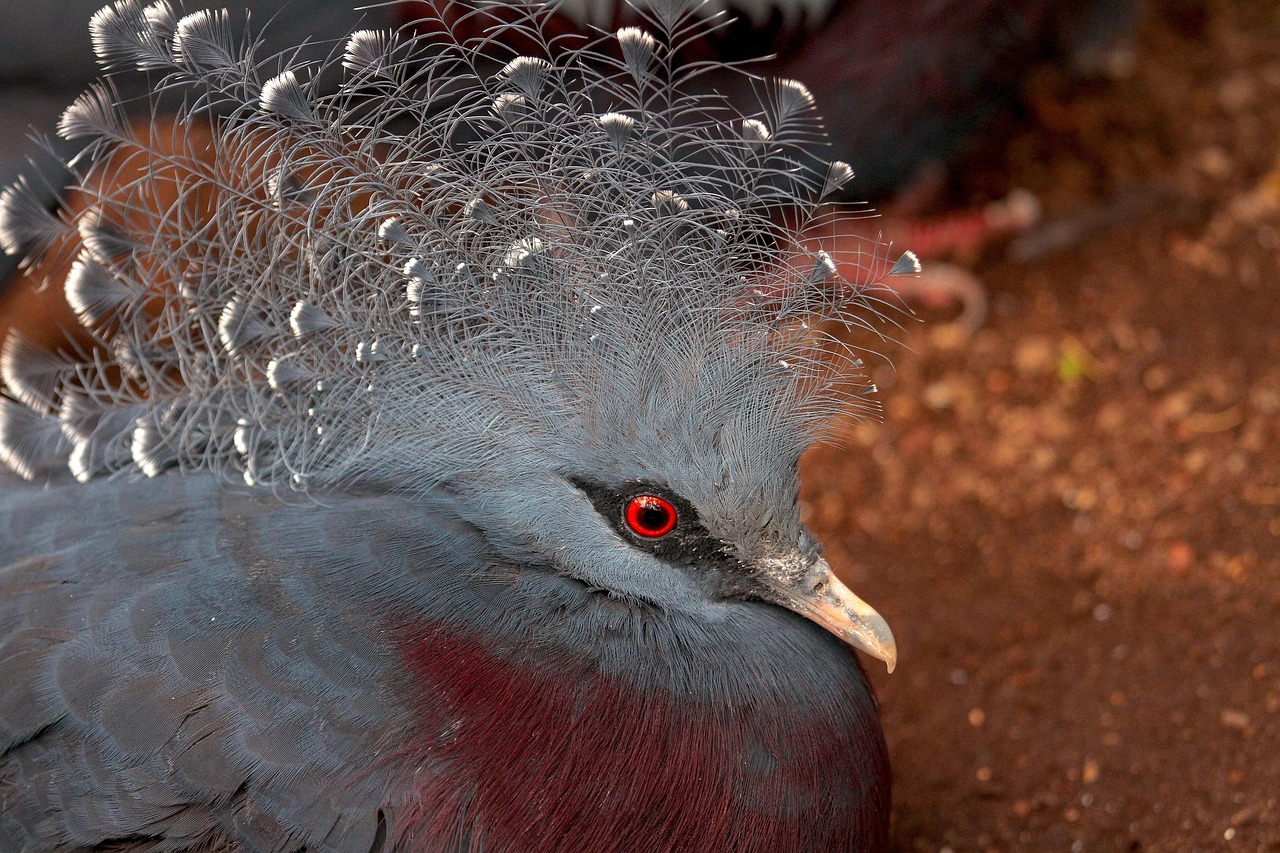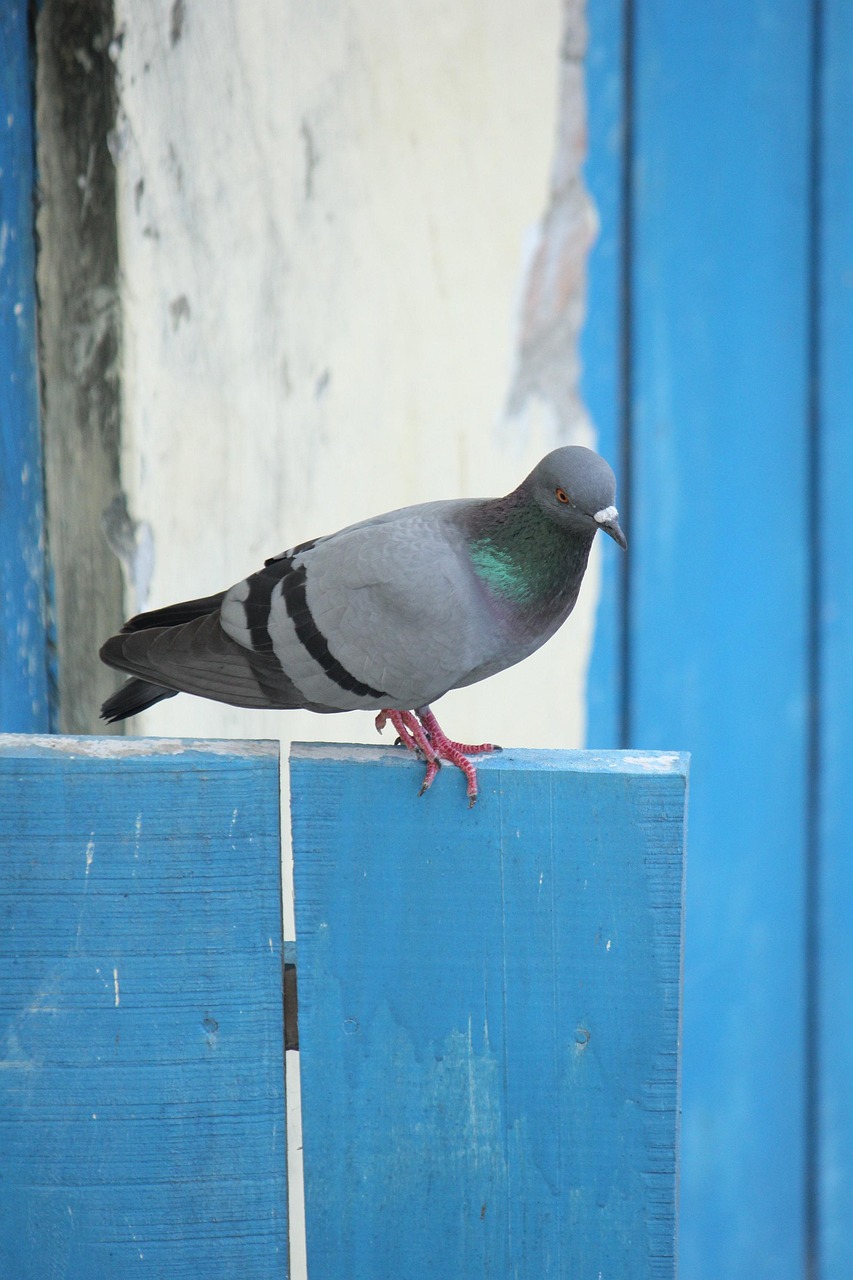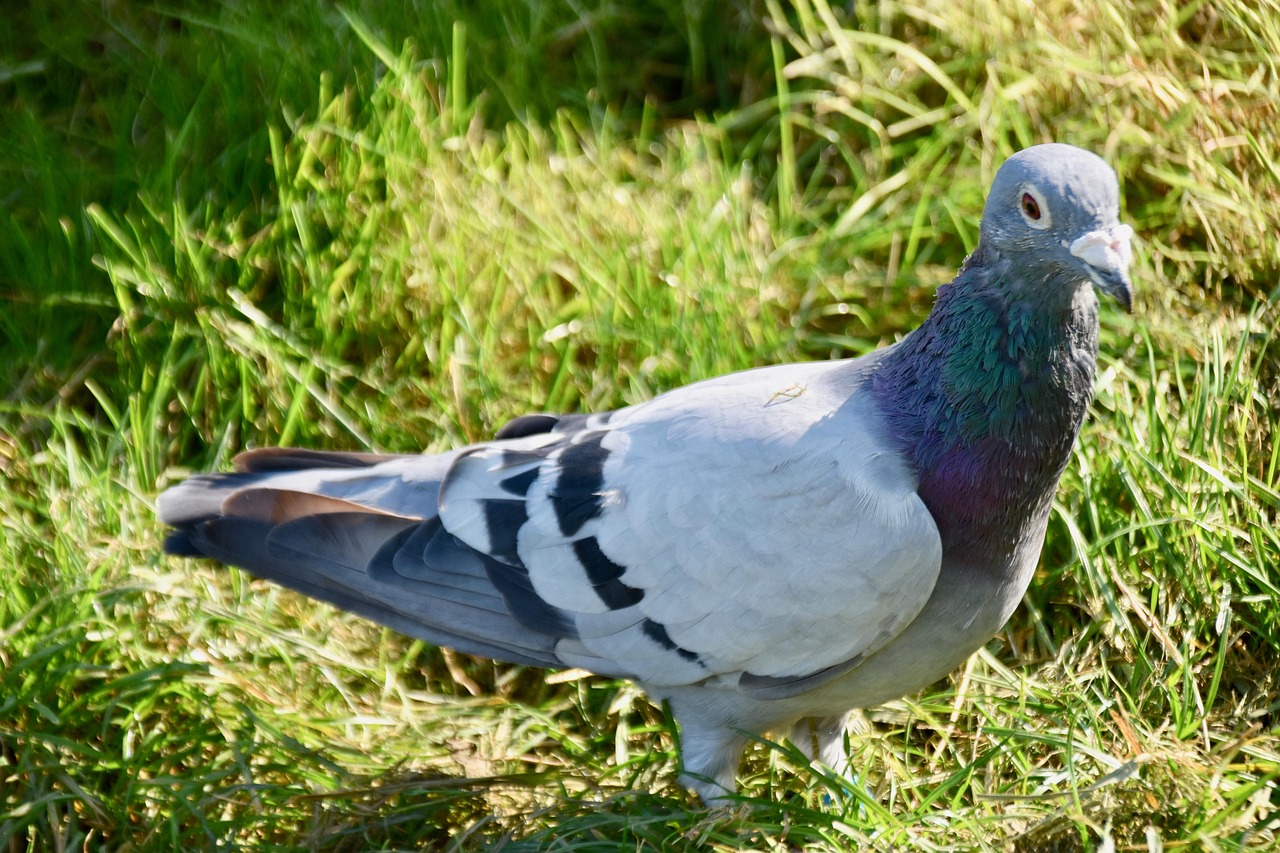
In the world of pigeon keeping, whether for racing or ornamental purposes, proactive care is the cornerstone of success. A robust weekly preventive health program can transform your flock's vitality, reducing disease risks and enhancing performance. This article delves into a comprehensive, actionable schedule that integrates essential elements like pigeon vitamins and other preventive health strategies, tailored for enthusiasts seeking to elevate their birds' well-being.
Why a Weekly Preventive Health Program is Essential
Implementing a structured weekly program ensures consistency in care, which is critical for maintaining pigeon health over time. Without regular attention, minor issues can escalate into serious problems, affecting everything from feather quality to racing stamina. A preventive approach not only saves on veterinary costs but also fosters a thriving, resilient flock that excels in its purpose.
The Science Behind Preventive Health
Preventive health in pigeons revolves around anticipating and mitigating risks before they manifest. This involves understanding common ailments, such as respiratory infections or parasitic infestations, and addressing them through routine checks and supplements. By focusing on prevention, you create a stable environment where pigeons can thrive, supported by a balanced diet and clean living conditions.
Research shows that consistent preventive measures, including the use of pigeon vitamins, can boost immune function and reduce stress levels in birds. This proactive stance is especially vital during seasonal changes or breeding periods, when pigeons are more susceptible to health challenges. Embracing a weekly schedule helps you stay ahead of potential issues, ensuring your flock remains in peak condition year-round.
Key Benefits of a Structured Routine
A weekly program offers numerous advantages, from improved disease resistance to enhanced overall vitality. By dedicating specific days to different aspects of care, you can cover all bases without overwhelming yourself or your birds. This systematic approach also allows for better monitoring of individual pigeon health, enabling early detection of any abnormalities.
- Reduced incidence of common illnesses through regular checks
- Enhanced growth and feather development with targeted supplements
- Increased energy levels and performance in racing or shows
- Longer lifespan and better quality of life for ornamental pigeons
Core Components of an Effective Weekly Program
An effective weekly preventive health program for pigeons should encompass several key areas, each contributing to overall well-being. These include nutrition, hygiene, exercise, and monitoring, all tailored to the specific needs of your flock. By integrating these components into a consistent schedule, you can create a holistic care plan that supports optimal health.
Nutrition and Supplementation Strategies
Nutrition is the foundation of any preventive health program, with pigeon vitamins playing a crucial role in filling dietary gaps. A balanced diet rich in proteins, carbohydrates, and fats should be supplemented with vitamins and minerals to support immune function, bone health, and feather quality. Weekly, assess your pigeons' food intake and adjust based on their activity levels and life stages.
Incorporate pigeon vitamins into their diet through water-soluble solutions or fortified feeds, ensuring they receive essential nutrients like Vitamin A for vision and Vitamin D for calcium absorption. Avoid over-supplementation, as it can lead to toxicity; instead, follow recommended dosages and rotate supplements to provide variety. This approach helps maintain a robust digestive system and prevents deficiencies that could compromise health.
Hygiene and Environmental Management
Maintaining a clean environment is vital for preventing disease outbreaks in pigeon lofts. Weekly tasks should include thorough cleaning of perches, nesting areas, and feeding stations to remove droppings and debris. Disinfect surfaces regularly to kill pathogens, and ensure proper ventilation to reduce humidity and ammonia levels, which can cause respiratory issues.
Implement a pest control routine to manage mites, lice, and other parasites that can weaken pigeons. Use safe, bird-friendly products and inspect birds during handling for signs of infestation. By keeping the loft hygienic, you minimize stress on the immune system and create a healthier living space that supports preventive health goals.
Implementing Pigeon Vitamins in Your Weekly Routine
Pigeon vitamins are a cornerstone of preventive health, offering targeted support for various bodily functions. Integrating them into your weekly program requires careful planning to maximize benefits without causing imbalances. Focus on vitamins that address common needs, such as those for energy, recovery, and immune support, based on your flock's specific requirements.
Choosing the Right Vitamins
Selecting appropriate pigeon vitamins involves considering factors like age, activity level, and health status. For racing pigeons, opt for vitamins that enhance stamina and muscle recovery, such as B-complex vitamins. Ornamental pigeons may benefit more from vitamins that promote feather sheen and skin health, like Vitamin E. Consult with avian experts or use reputable brands to ensure quality and efficacy.
Incorporate vitamins into your weekly schedule by adding them to drinking water or mixing with feed on designated days. Monitor your pigeons' response to adjustments, looking for improvements in energy, appetite, and overall demeanor. This personalized approach ensures that vitamin supplementation aligns with your preventive health objectives, supporting long-term vitality.
Timing and Dosage for Optimal Results
Timing is critical when administering pigeon vitamins to avoid wastage or adverse effects. Schedule vitamin supplementation during periods of high demand, such as before races or during molting seasons, when nutritional needs are elevated. Use a weekly planner to track doses and ensure consistency, adjusting based on seasonal changes or health assessments.
Follow manufacturer guidelines for dosage, typically measured per bird or per liter of water, and avoid mixing incompatible supplements. Over time, this disciplined approach helps build a strong foundation for preventive health, reducing the likelihood of deficiencies and enhancing overall flock resilience. Remember, moderation is key to reaping the full benefits of pigeon vitamins.
Monitoring and Adjusting Your Program
A successful weekly preventive health program requires ongoing evaluation to ensure it meets your pigeons' evolving needs. Regular monitoring allows you to identify trends, address emerging issues, and refine your approach for better outcomes. Use tools like health logs and observation checklists to track progress and make data-driven adjustments.
Weekly Health Checks and Assessments
Conduct thorough health checks each week to assess your pigeons' condition, focusing on weight, feather quality, and behavior. Look for signs of illness, such as lethargy or abnormal droppings, and address them promptly. This proactive monitoring is a core aspect of preventive health, enabling early intervention before problems escalate.
Document your findings in a journal or digital tracker, noting any changes in diet, environment, or supplement use. Over time, this record helps you identify patterns and optimize your program, ensuring it remains effective and responsive to your flock's needs. Consistent assessment reinforces the importance of vigilance in maintaining pigeon health.
Adapting to Seasonal and Life Stage Changes
Pigeons' health requirements vary with seasons and life stages, necessitating flexibility in your weekly program. During colder months, increase focus on immune support and warmth, while in breeding season, prioritize nutrition for egg production and chick growth. Adjust pigeon vitamins and other supplements accordingly to align with these changing demands.
Stay informed about common seasonal challenges, such as increased parasite activity in summer or respiratory risks in winter, and incorporate preventive measures into your schedule. By adapting your program dynamically, you ensure that your pigeons receive tailored care year-round, supporting their well-being through all phases of life.
Conclusion
Implementing a weekly preventive health program for pigeons is a game-changer for any enthusiast, offering a structured path to enhanced vitality and performance. By integrating key elements like pigeon vitamins, hygiene, and regular monitoring, you can build a resilient flock that thrives in racing or ornamental settings. Remember, consistency and adaptability are key to long-term success. For tools to streamline your care routine, consider exploring Ghawy – Pigeon Manager (غاوي – إدارة الحمام), a resource designed to support pigeon keepers in their preventive health journey.