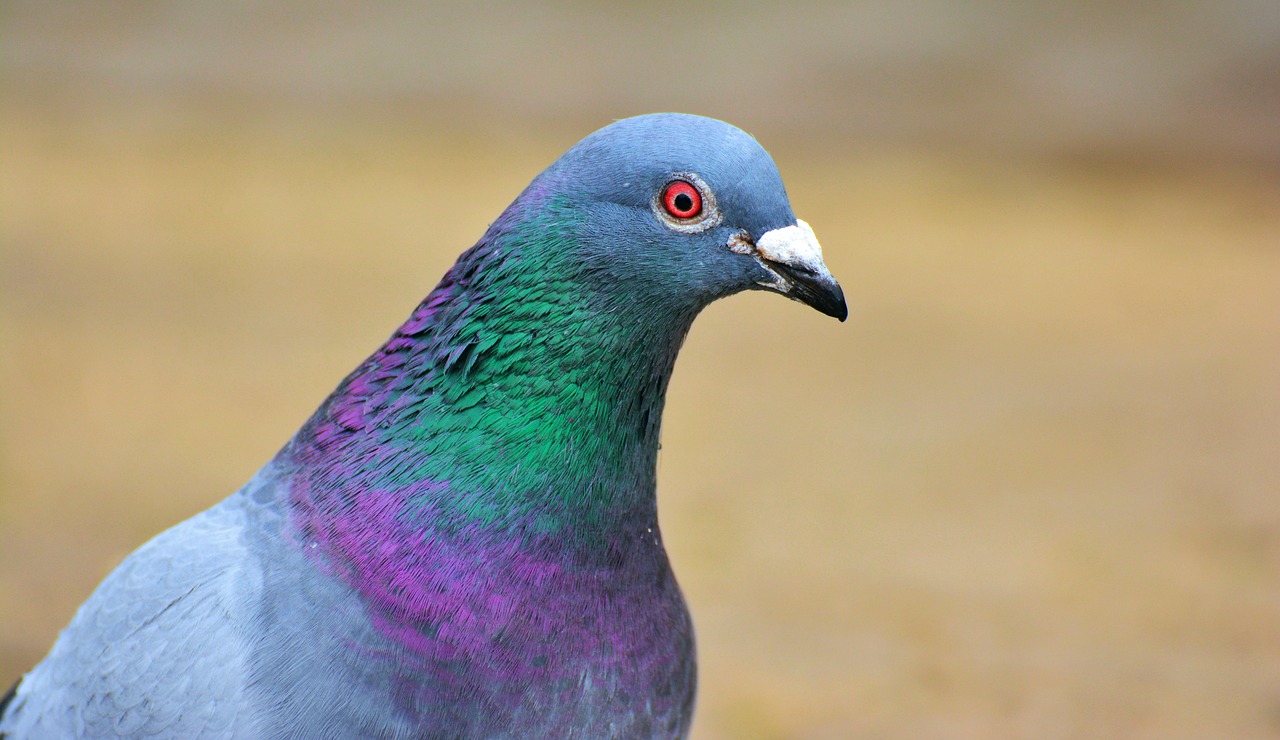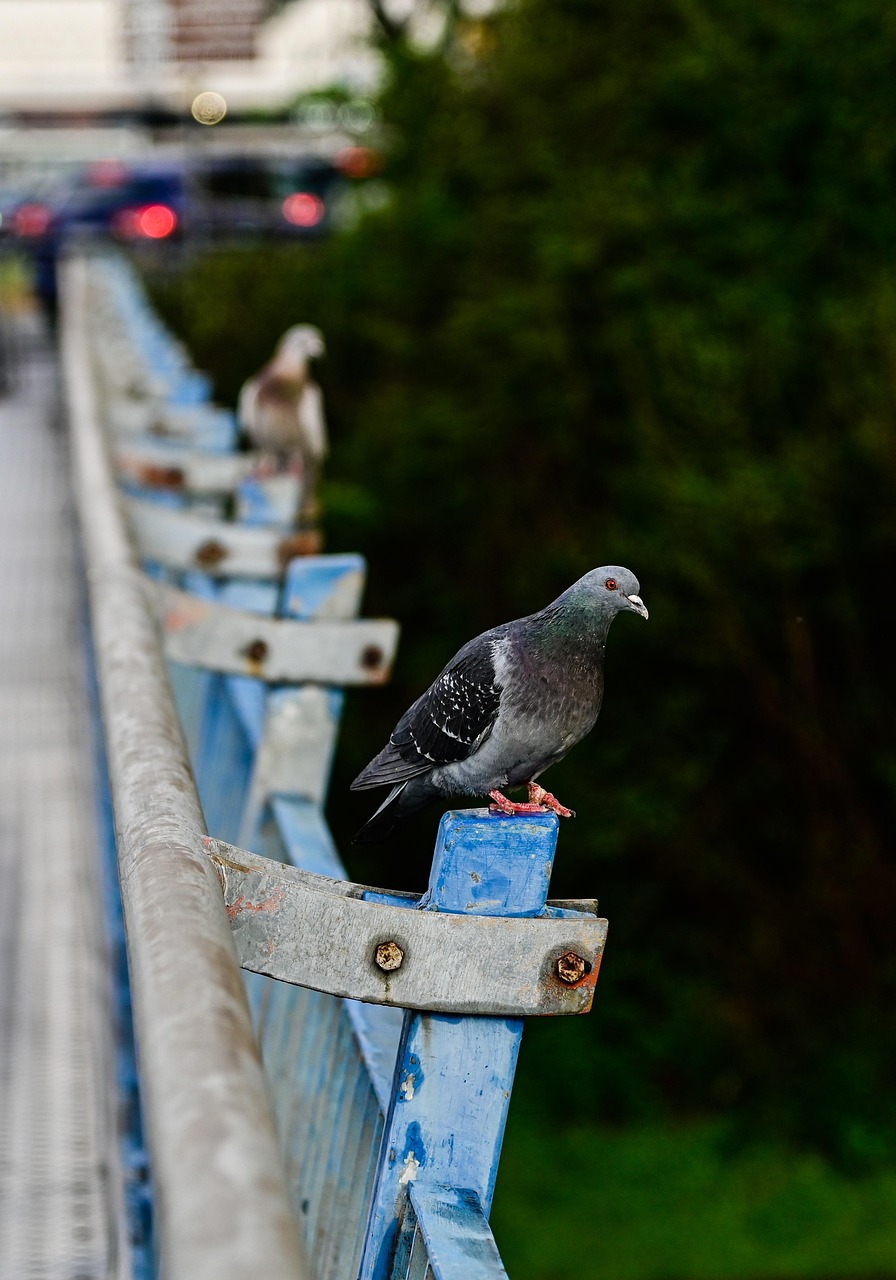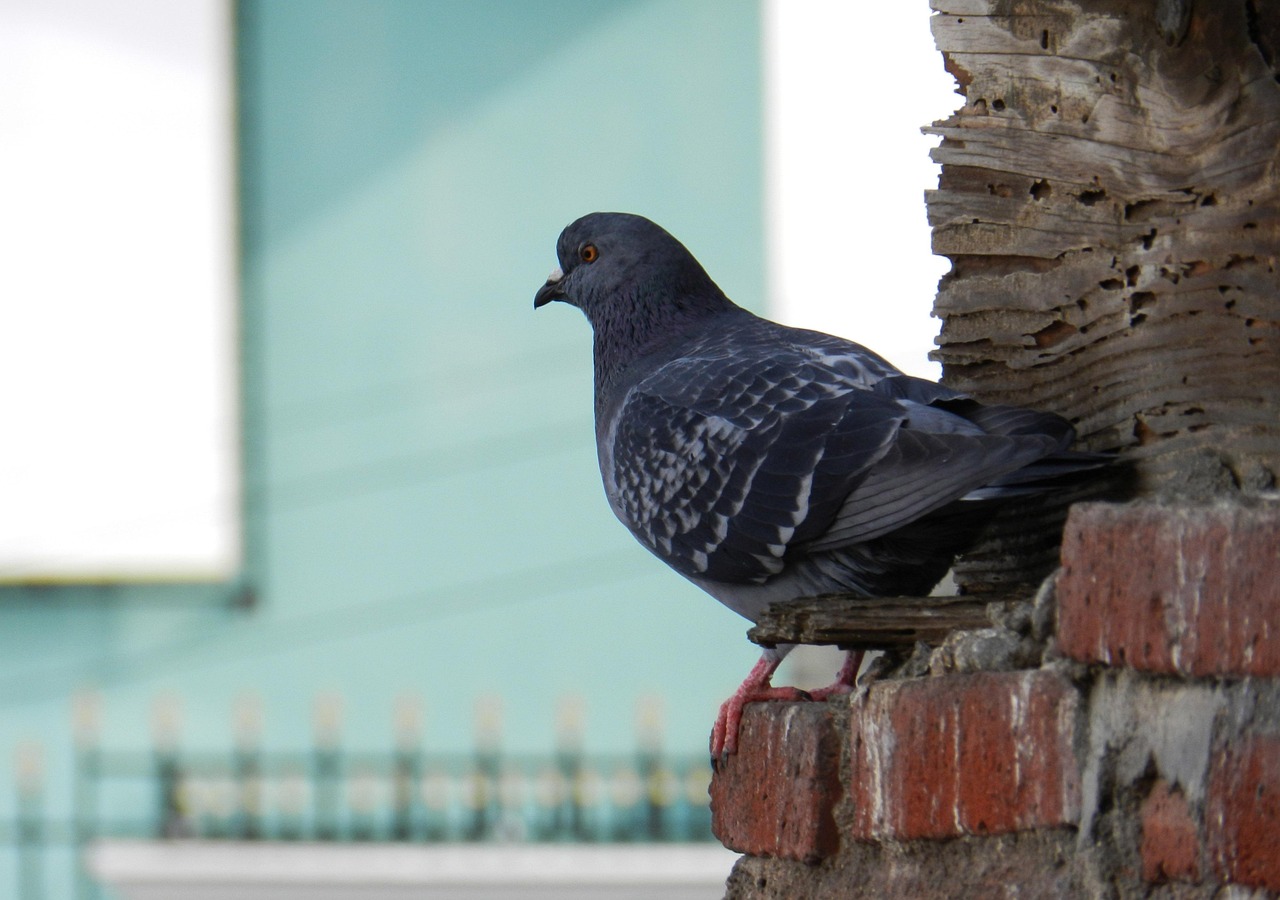
In the world of pigeon shows, capturing stunning images of your birds can significantly elevate their market appeal and presentation quality. This guide delves into expert techniques for pigeon photography, helping you showcase your pigeons in the best light to attract buyers and judges alike. By focusing on key aspects like lighting and composition, you can transform simple photos into powerful tools for success.
Essential Equipment for Pigeon Photography
To start with pigeon photography, having the right gear is crucial for achieving professional results that enhance your show presentation. A good camera, whether a DSLR or a high-end smartphone, allows you to capture sharp details and vibrant colors that make your pigeons stand out. Investing in quality lenses and accessories can make a big difference in how your birds are perceived in competitive settings.
Choosing the Right Camera
Selecting the ideal camera for pigeon photography involves considering factors like resolution, autofocus speed, and low-light performance. For instance, a camera with a high megapixel count ensures that feather textures and eye details are crisp, which is vital for impressing judges during show presentations. Many enthusiasts opt for models that offer manual controls, enabling adjustments for different lighting conditions to highlight the pigeon's best features. Additionally, a camera with good video capabilities can be useful for dynamic presentations, though this guide focuses on still photography for simplicity and effectiveness.
When testing cameras, prioritize those with fast burst modes to capture pigeons in motion, as this can reveal their agility and grace in show scenarios. It's also wise to read reviews and seek recommendations from fellow pigeon fanciers to find a device that balances cost with performance. Remember, the goal is to produce images that not only look beautiful but also convey the pigeon's health and vitality, boosting its market value through compelling visual storytelling.
Lenses and Accessories
Lenses play a pivotal role in pigeon photography, with prime lenses often preferred for their sharpness and wide apertures that create pleasing background blur. A macro lens, for example, is excellent for close-up shots that emphasize intricate feather patterns and eye clarity, essential elements in show presentations. Other useful accessories include tripods for stability, external flashes for controlled lighting, and reflectors to soften shadows and enhance the pigeon's natural colors.
In practice, using a telephoto lens can help you photograph pigeons from a distance without causing stress, ensuring they appear calm and natural in your images. This approach is particularly beneficial for capturing candid moments that showcase their personality, which can be a unique selling point in competitions. Don't forget to invest in protective gear for your equipment, especially when shooting outdoors, to maintain consistency in your photography sessions and uphold the quality of your show presentation materials.
Mastering Lighting Techniques
Lighting is a cornerstone of effective pigeon photography, as it can dramatically influence how your birds are perceived in show presentations. Proper lighting highlights the pigeon's form, color, and texture, making them more appealing to potential buyers and judges. By understanding natural and artificial light sources, you can create images that stand out and convey a sense of professionalism.
Natural Light Strategies
Utilizing natural light for pigeon photography involves shooting during golden hours—early morning or late afternoon—when the sun provides soft, warm illumination that enhances feather details. Position your pigeons so that the light comes from the side or back to avoid harsh shadows and create a three-dimensional effect that adds depth to your show presentation. Overcast days can also be ideal, as the diffused light reduces glare and allows for even exposure across the bird's body.
To maximize natural light, set up your shooting area in an open space with minimal obstructions, and use reflectors to bounce light onto shadowed areas for a balanced look. Experiment with different angles to see how light interacts with the pigeon's plumage, and take multiple shots to capture the best possible image for your portfolio. This method not only saves on equipment costs but also produces authentic photos that resonate with audiences, reinforcing the pigeon's value in competitive displays.
Artificial Lighting Setup
When natural light isn't sufficient, artificial lighting setups like softboxes or ring lights can provide consistent and controllable illumination for pigeon photography. Start with a key light placed at a 45-degree angle to the pigeon to define its shape and texture, and add fill lights to soften shadows for a more polished show presentation. Using adjustable LED panels allows you to tweak brightness and color temperature to match the pigeon's natural hues, ensuring accurate representation.
For indoor sessions, set up a simple studio with a neutral background to keep the focus on the pigeon, and use diffusers to prevent hotspots that could distract from the bird's features. Practice with different lighting ratios to find what works best for your specific breed, as some pigeons may require more highlight or shadow to emphasize their unique traits. By mastering artificial light, you can shoot year-round and in various conditions, building a diverse collection of images that boost your pigeon's market appeal through professional show presentations.
Composition and Framing for Impact
Composition is key in pigeon photography, as it guides the viewer's eye and emphasizes the bird's best attributes in show presentations. By applying principles like the rule of thirds and leading lines, you can create visually appealing images that tell a story and enhance the pigeon's perceived value. Thoughtful framing also helps in isolating the subject from distractions, making your photos more compelling and memorable.
Rule of Thirds and Balance
The rule of thirds involves dividing your frame into a grid and placing the pigeon at the intersection points to create a balanced and dynamic composition. This technique draws attention to the bird's eyes or distinctive markings, which are critical in show presentations for highlighting breed standards. Ensure that the background complements the pigeon without overpowering it, using elements like perches or natural settings to add context and scale.
In practice, experiment with different placements to see how they affect the overall impact of your image, and adjust your camera angle to include negative space that emphasizes the pigeon's form. Balancing elements within the frame can make the photo feel harmonious and professional, increasing its effectiveness in promotional materials. Remember, a well-composed shot not only showcases the pigeon's beauty but also conveys your expertise, potentially raising its market value through superior visual storytelling.
Angles and Perspectives
Varying angles and perspectives in pigeon photography can reveal unique aspects of the bird, such as its posture, wing span, or feather patterns, that are essential for show presentations. Shoot from eye level to create an intimate connection with the viewer, or try low angles to make the pigeon appear more majestic and dominant. High angles can be useful for capturing overall body condition and symmetry, which are often judged in competitions.
To add creativity, incorporate dynamic poses by encouraging the pigeon to move naturally, and use continuous shooting mode to capture the perfect moment. Consider the environment when choosing perspectives—for example, a side profile might highlight a pigeon's sleek lines, while a front view could emphasize its alertness and health. By diversifying your angles, you build a comprehensive portfolio that appeals to a wider audience, strengthening your show presentation and boosting the pigeon's salability through engaging and varied imagery.
Post-Processing and Editing Tips
Post-processing is an essential step in pigeon photography, allowing you to refine images and correct imperfections for a flawless show presentation. With basic editing tools, you can enhance colors, sharpness, and contrast to make your pigeons look their best, while maintaining a natural appearance that builds trust with viewers. This process should complement your photography skills, not replace them, so focus on subtle adjustments that highlight the bird's inherent qualities.
Basic Adjustments and Corrections
Start with basic adjustments like cropping to improve composition, adjusting exposure to ensure the pigeon is well-lit, and tweaking white balance for accurate color representation in your show presentation. Use software features to remove minor distractions, such as dust spots or unwanted shadows, but avoid over-editing that could make the image look artificial. Sharpening tools can bring out feather details, while contrast sliders help define the pigeon's form against the background.
When editing, always work with high-resolution files to preserve quality, and save versions at different stages to compare results. It's helpful to calibrate your monitor for color accuracy, ensuring that your edits translate well across devices and print media. By mastering these basics, you can consistently produce professional-grade photos that elevate your pigeon's appeal, making them more competitive in shows and increasing their market value through polished visual assets.
Advanced Techniques for Enhancement
For more advanced post-processing, explore techniques like dodging and burning to selectively lighten or darken areas, emphasizing the pigeon's musculature or feather patterns in show presentations. Layer masks can be used to apply effects non-destructively, allowing for precise control over edits without altering the original image. Consider adding subtle vignettes to draw focus to the center, or use color grading to enhance the pigeon's natural hues for a cohesive look.
Advanced editing should always aim for realism, so avoid heavy filters or effects that could detract from the pigeon's authenticity. Practice with tutorials or online resources to build your skills, and seek feedback from other enthusiasts to refine your approach. Ultimately, these enhancements can make your photos stand out in crowded competitions, providing a competitive edge that translates to higher bids and better show results. Incorporating these tips into your workflow ensures that every image contributes to a strong show presentation, reinforcing the pigeon's value through expert craftsmanship.
Show Presentation Integration
Integrating your pigeon photography into show presentations involves using images to tell a compelling story that highlights the bird's strengths and achievements. Well-chosen photos can accompany physical displays or digital portfolios, providing visual evidence of quality that judges and buyers appreciate. This section covers how to seamlessly blend photography with presentation elements for maximum impact.
Creating a Visual Portfolio
Building a visual portfolio for show presentations starts with selecting your best pigeon photography shots that showcase variety, such as close-ups, action shots, and posed images. Organize them in a logical sequence that tells the pigeon's story, from its daily life to peak performance moments, to engage viewers and demonstrate its potential. Use high-quality prints or digital slideshows to present the portfolio, ensuring that the images are large enough to appreciate details but not overwhelming.
Incorporate descriptive captions that highlight key features, like breed standards or competition wins, to provide context and reinforce the pigeon's value. Update the portfolio regularly with new photos to keep it fresh and relevant, especially after shows or breeding milestones. A well-curated portfolio not only enhances your show presentation but also serves as a powerful marketing tool, attracting interest and driving up the pigeon's market price through visual proof of excellence.
Using Photos in Competitions
In pigeon competitions, photos play a crucial role in pre-judging or online submissions, where they can influence initial impressions and scores. Submit images that adhere to competition guidelines, focusing on clarity, composition, and how well they represent the pigeon's breed characteristics in show presentations. Highlight aspects like feather condition, eye color, and overall health to align with judging criteria and stand out from the crowd.
To maximize effectiveness, pair photos with brief narratives that explain the pigeon's background or training, creating an emotional connection with judges. Practice presenting your images in a confident manner, whether in person or digitally, to convey professionalism and passion. By leveraging photography in competitions, you not only improve your chances of winning but also build a reputation for quality, which can lead to higher demand and better prices for your pigeons. This integration ensures that your hard work in pigeon photography directly supports your goals in the show ring.
Conclusion
Mastering pigeon photography is a game-changer for enhancing show presentations and increasing your birds' market value. By focusing on equipment, lighting, composition, and post-processing, you can create stunning images that capture attention and build credibility. Remember to integrate these photos into portfolios and competitions for maximum effect, and consider using tools like Ghawy – Pigeon Manager to streamline your efforts and achieve even greater success in the pigeon community.