Selecting the ideal location for your pigeon loft is crucial for the health, safety, and productivity of your birds. A well-chosen site can enhance breeding success and reduce stress, while a poor choice may lead to disease or poor performance. In this article, we explore key factors to consider when building a pigeon loft, ensuring it meets both your needs and those of your pigeons.
Understanding the Importance of Location
The location of your pigeon loft directly impacts the well-being and efficiency of your flock. A strategic site can improve ventilation, reduce predator risks, and support optimal breeding conditions. By prioritizing location, you set the foundation for a thriving pigeon-keeping experience, whether for racing, breeding, or hobby purposes.
Impact on Pigeon Health and Behavior
Pigeons are sensitive to their environment, and location plays a vital role in their physical and mental health. A poorly placed loft can expose birds to harsh weather, leading to respiratory issues or stress-related behaviors. For instance, drafts or excessive moisture can cause illnesses, while a calm, sheltered area promotes natural behaviors like nesting and flying. Additionally, pigeons thrive in stable environments; sudden changes in temperature or noise levels can disrupt their routines and reduce egg production. By choosing a location that minimizes these risks, you ensure your pigeons remain active, healthy, and productive, ultimately supporting their longevity and performance in activities like racing or shows.
Beyond health, location affects pigeon behavior, such as homing instincts and social interactions. Pigeons rely on visual landmarks and magnetic fields for navigation, so a loft placed in an open, elevated area can enhance their orientation skills. Conversely, a cramped or obstructed site might confuse them, leading to lost birds or reduced training efficiency. Social dynamics also come into play; pigeons are flock animals that benefit from spaces allowing for group activities. A well-located loft encourages bonding and reduces aggression, fostering a harmonious community. Consider observing your pigeons' habits to tailor the location, ensuring it supports both individual and collective well-being for a successful loft operation.
Long-Term Benefits of a Good Site
Investing time in selecting the right location pays off in the long run by reducing maintenance costs and enhancing pigeon productivity. A site with good drainage and sunlight exposure, for example, minimizes the risk of mold or pest infestations, which can be costly to address. Over years, this translates to lower veterinary bills and less frequent repairs, allowing you to focus on breeding or racing goals. Moreover, a strategic location can improve breeding outcomes; pigeons in optimal conditions tend to have higher fertility rates and healthier offspring, leading to a more robust flock over time.
Additionally, a well-chosen site supports scalability, making it easier to expand your loft as your hobby or business grows. For instance, if you start with a small loft but plan to increase bird numbers, a location with ample space and access to resources like water and feed storage simplifies future upgrades. This foresight prevents the need for relocation, which can stress pigeons and disrupt routines. By evaluating long-term factors such as zoning regulations and neighborhood developments, you ensure your loft remains viable for decades, providing a stable environment that nurtures both current and future generations of pigeons.
Evaluating Environmental Factors
Environmental elements like climate, sunlight, and wind patterns are critical when choosing a loft location. These factors influence temperature regulation, disease prevention, and overall comfort for your pigeons. A thorough assessment helps you avoid common pitfalls and create a sustainable habitat that adapts to seasonal changes.
Climate and Weather Considerations
Climate plays a significant role in pigeon loft placement, as extreme temperatures or humidity can harm bird health. In hot regions, excessive heat may cause dehydration or heatstroke, while cold climates can lead to frostbite or respiratory infections. Ideally, select a location that offers natural insulation, such as near trees or buildings that provide shade in summer and windbreaks in winter. For example, in arid areas, positioning the loft to avoid direct afternoon sun reduces heat stress, whereas in humid regions, elevated sites with good airflow help prevent moisture buildup and mold growth.
Weather patterns, including rainfall and storms, also demand attention. A loft in a flood-prone area risks water damage and disease from stagnant water, which can harbor bacteria. Similarly, strong winds can destabilize structures and frighten pigeons, affecting their feeding and breeding habits. To mitigate this, choose a site sheltered from prevailing winds, perhaps on the leeward side of a hill or structure. Regularly monitor local weather data to anticipate challenges; for instance, in areas with heavy snowfall, ensure the roof is sloped to prevent accumulation. By accounting for climate and weather, you create a resilient environment that protects pigeons year-round, promoting consistent health and performance.
Sunlight and Ventilation Needs
Sunlight is essential for pigeon lofts, as it provides natural warmth, supports vitamin D synthesis, and helps control pathogens. Aim for a location that receives morning sunlight, which gently warms the loft without overheating it later in the day. This exposure can reduce the need for artificial heating in cooler months and improve egg hatchability. However, avoid excessive direct sun, which might raise temperatures to dangerous levels; use shading elements like awnings or vegetation to balance light intake. In regions with limited sunlight, consider orienting the loft to maximize exposure, but always prioritize ventilation to prevent stuffiness.
Ventilation is equally important for maintaining air quality and preventing respiratory diseases. A well-ventilated loft allows fresh air to circulate while removing ammonia from droppings and dampness. Choose a site with natural airflow, such as on a slight elevation or away from obstructions, and incorporate vents or windows in the loft design. Poor ventilation can lead to condensation, which fosters mold and mites, harming pigeon health. Test the airflow by observing how wind moves through the area; if it's stagnant, you might need to add mechanical fans. By balancing sunlight and ventilation, you ensure a comfortable, hygienic space that supports pigeon vitality and reduces the risk of illness.
Assessing Safety and Security
Safety is paramount in pigeon loft placement, as threats from predators, theft, or accidents can devastate your flock. A secure location minimizes risks and provides peace of mind, allowing you to focus on pigeon care without constant worry. This section covers key aspects to evaluate for optimal protection.
Protection from Predators and Pests
Predators like cats, rats, and birds of prey are common threats to pigeons, so selecting a location that deters them is essential. Avoid areas near dense woods or abandoned buildings where predators may hide, and instead opt for open spaces with clear sightlines. Elevating the loft on poles or installing it in a fenced area can add an extra layer of security. For example, a loft placed several feet off the ground reduces access for ground-based animals, while mesh wiring prevents aerial attacks. Regularly inspect the site for signs of pests, such as burrows or droppings, and address them promptly to avoid infestations.
Pests like mites, flies, and rodents not only stress pigeons but can spread diseases. A location with good hygiene practices, such as easy access for cleaning and waste removal, helps keep pests at bay. Consider the surrounding environment; if near farms or water sources, be vigilant about insect control. Implementing preventive measures, such as sealing gaps and using natural repellents, can further enhance security. By prioritizing predator and pest protection, you create a safe haven that allows pigeons to thrive without fear, supporting their overall well-being and productivity in activities like breeding or racing.
Minimizing Human and Environmental Hazards
Human-related hazards, such as theft, vandalism, or accidental disturbances, require careful consideration when choosing a loft location. Place the loft in a visible area if possible, to deter unauthorized access, but avoid high-traffic zones that might stress the birds. For instance, a backyard with limited public access is ideal, whereas a site near roads or construction sites could lead to noise-related anxiety. Secure the loft with locks or alarms, and ensure it's not easily accessible from outside properties. Additionally, consider local regulations and neighbor relations to prevent conflicts that might force relocation.
Environmental hazards, including pollution, chemical exposure, or natural disasters, also pose risks. Avoid locations near industrial areas or farms that use pesticides, as airborne contaminants can harm pigeon health. In earthquake-prone regions, choose stable ground and reinforce the loft structure. Assess the site for flood risks or fire hazards, and have emergency plans in place. By evaluating these factors, you not only protect your pigeons but also ensure the longevity of your investment. A secure location fosters a stable environment, reducing stress and promoting consistent performance in your pigeon-keeping endeavors.
Practical Considerations for Loft Placement
Beyond environment and safety, practical aspects like space, accessibility, and legal requirements are vital for a functional loft. These factors influence daily operations, maintenance, and compliance, making them essential for a successful setup. This section guides you through key practical evaluations.
Space and Layout Requirements
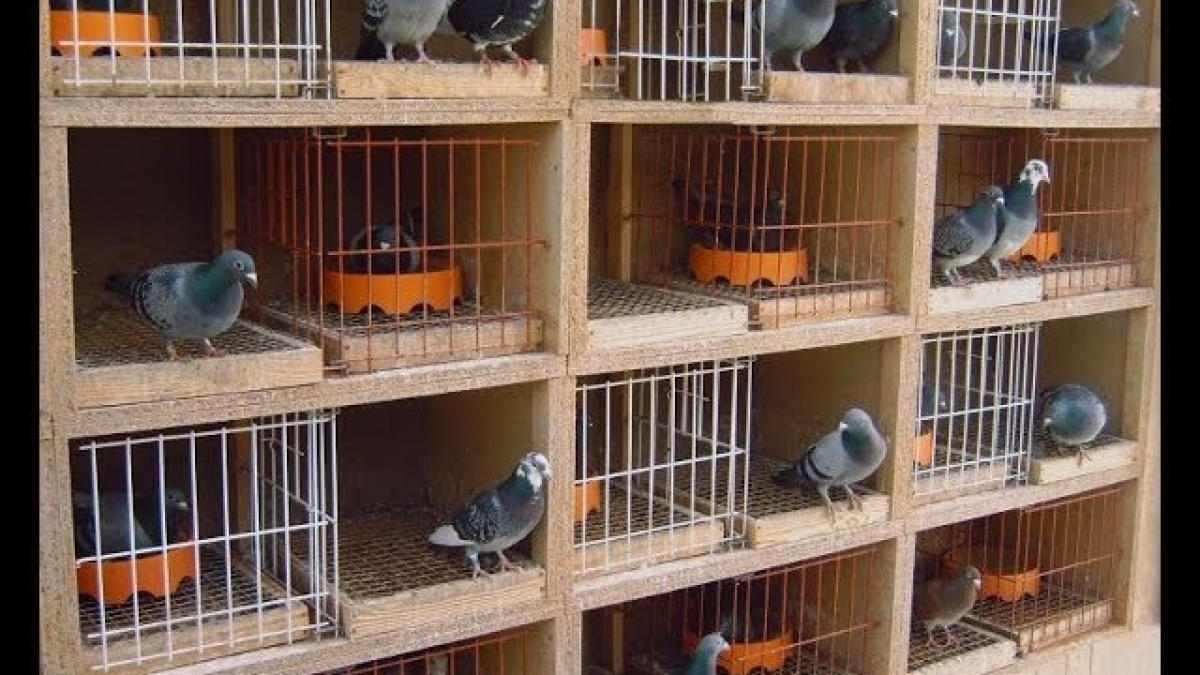
Adequate space is crucial for pigeon lofts, as overcrowding can lead to aggression, disease, and poor breeding outcomes. Assess the available area to ensure it accommodates the loft size, flying pens, and future expansions. A general rule is to allow at least 2-3 square feet per pigeon, but this varies based on breed and purpose. For example, racing pigeons may need more room for exercise, while breeding pairs require separate nesting areas. Plan the layout to include sections for feeding, perching, and nesting, with clear pathways for easy access during cleaning and care.
The layout should also consider pigeon behavior and social structure. Design the loft with multiple compartments to separate different groups, such as young birds from adults, to reduce conflicts. Include features like perches at varying heights to encourage natural roosting and flying. If space is limited, vertical designs or multi-level lofts can maximize efficiency. Additionally, ensure the site allows for proper drainage and waste management to maintain hygiene. By thoughtfully planning space and layout, you create an organized, efficient environment that supports pigeon health and simplifies daily management tasks.
Accessibility and Legal Compliance
Accessibility is key for routine care, feeding, and monitoring of your pigeons. Choose a location that you can easily reach in all weather conditions, with paths wide enough for carrying supplies or equipment. For instance, a loft near your home reduces travel time and allows for quick responses to emergencies. Also, consider utilities like water and electricity; if needed for heating or lighting, ensure the site has access or can be easily connected. This convenience not only saves time but also encourages consistent care, which is vital for pigeon well-being.
Legal compliance is equally important to avoid fines or forced removals. Check local zoning laws, building codes, and homeowner association rules regarding pigeon lofts. Some areas may restrict the number of birds, require permits, or mandate specific distances from property lines. Research these regulations early to ensure your chosen site meets all requirements. Additionally, consider neighbor concerns to maintain good relations; informing them about your loft and addressing any issues proactively can prevent disputes. By prioritizing accessibility and legality, you establish a sustainable setup that supports long-term success in pigeon keeping.
Conclusion
In summary, choosing the perfect location for your pigeon loft involves careful evaluation of environmental, safety, and practical factors to ensure a healthy and productive environment. By focusing on aspects like climate, predator protection, and space requirements, you can create a sustainable setup that benefits both you and your birds. For expert guidance and tools to manage your loft efficiently, consider using Ghawy – Pigeon Manager (غاوي – إدارة الحمام) to streamline your pigeon-keeping journey.