Selecting the ideal location for your pigeon loft is crucial for the health, safety, and productivity of your birds. A well-chosen site can enhance breeding success and reduce stress, while a poor choice may lead to disease or poor performance. In this article, we explore key factors to consider when building a pigeon loft, ensuring it meets both your needs and those of your pigeons.
Understanding Pigeon Loft Basics
Before diving into location specifics, it's essential to grasp the fundamentals of pigeon loft design and why placement matters. A loft serves as a home for pigeons, providing shelter, security, and a space for nesting and roosting. Proper location influences factors like temperature control, predator avoidance, and overall bird welfare, making it a foundational aspect of pigeon keeping.
What is a Pigeon Loft?
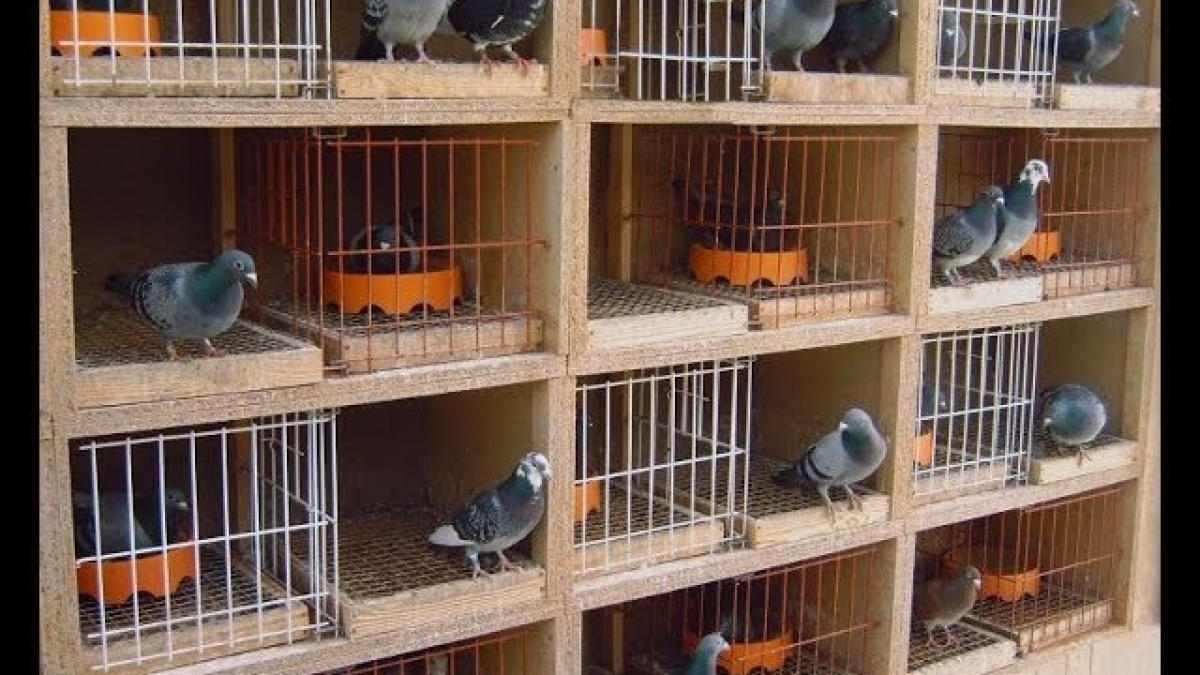
A pigeon loft is a specialized structure designed to house pigeons, typically used for racing, breeding, or hobby purposes. It should offer protection from the elements, adequate ventilation, and easy access for feeding and cleaning. The loft's location directly impacts its functionality; for instance, placing it in a shaded area can help regulate temperature, while a sunny spot might encourage natural light for bird activity. Understanding these basics helps in making informed decisions about site selection, ensuring the loft supports the pigeons' natural behaviors and health needs.
Moreover, the loft's design should complement its location. For example, in urban areas, a loft might need to be elevated to avoid ground-level hazards, whereas in rural settings, it could be ground-based with reinforced security. By aligning the loft's purpose with its environment, you create a harmonious space that promotes pigeon well-being and simplifies management tasks like monitoring and maintenance.
Importance of Location in Pigeon Health
The location of a pigeon loft plays a vital role in maintaining bird health, as it affects exposure to diseases, parasites, and environmental stressors. A poorly placed loft in a damp or polluted area can lead to respiratory issues, while one in a high-traffic zone might cause constant stress, reducing immunity. Ideally, the site should be dry, well-drained, and away from sources of contamination like industrial sites or stagnant water, which can harbor bacteria and pests.
Additionally, location influences access to fresh air and sunlight, both essential for pigeon vitality. Good ventilation prevents the buildup of ammonia from droppings, reducing the risk of infections, while sunlight provides vitamin D, crucial for bone health and egg production. By prioritizing a health-focused location, you minimize veterinary costs and enhance the longevity and productivity of your flock, making it a smart investment in your pigeon-keeping journey.
Evaluating Environmental Factors
Environmental considerations are paramount when choosing a loft location, as they determine the microclimate and overall suitability for pigeons. Factors like climate, weather patterns, and natural hazards can make or break the success of your loft. A thorough evaluation helps mitigate risks and ensures a stable, comfortable environment for your birds year-round.
Climate and Weather Conditions
Climate plays a significant role in loft placement, as pigeons thrive in moderate temperatures and low humidity. In hot regions, avoid direct sun exposure by selecting a shaded or partially shaded site to prevent overheating, which can cause dehydration or heat stress. Conversely, in colder climates, choose a location that offers protection from strong winds and frost, perhaps near a windbreak like a building or trees, to maintain a warmer interior.
Weather extremes, such as heavy rain, snow, or storms, should also influence your decision. Ensure the site is not prone to flooding by checking local flood maps or historical data. Proper drainage is essential to prevent water accumulation, which can lead to dampness and mold growth. By accounting for seasonal variations, you can design a loft that remains habitable and safe, reducing the need for frequent interventions and ensuring your pigeons stay healthy through all weather conditions.
Sunlight and Shade Balance
Balancing sunlight and shade is critical for pigeon lofts, as it affects temperature regulation, behavior, and health. Pigeons benefit from natural light, which regulates their circadian rhythms and supports vitamin D synthesis, but excessive sun can cause overheating. Aim for a location that receives morning sun and afternoon shade, as this provides warmth without the intensity of midday heat, promoting active foraging and resting periods.
In practice, observe the sun's path across potential sites throughout the day. Use tools like sun charts or mobile apps to track exposure, and consider adding artificial shades or vegetation if natural options are limited. A well-balanced light environment reduces stress, encourages breeding, and minimizes energy costs for heating or cooling. By optimizing sunlight and shade, you create a comfortable loft that supports pigeon natural instincts and overall well-being.
Assessing Security and Safety
Security and safety are non-negotiable aspects of loft location, protecting pigeons from predators, theft, and accidents. A secure site ensures peace of mind and prevents losses that could derail your pigeon-keeping efforts. Focus on physical barriers, visibility, and proximity to hazards when making your choice.
Protection from Predators and Pests
Predators like cats, rats, and birds of prey pose a constant threat to pigeons, so the loft location must incorporate deterrents. Choose elevated sites or areas with limited access for ground predators, and install fencing or netting to keep them out. Additionally, avoid places near woods or fields where predators may hide, opting instead for open spaces with good visibility, allowing you to monitor for intrusions easily.
- Install motion-activated lights or alarms to scare off nocturnal predators.
- Use rodent-proof materials in loft construction to prevent infestations.
- Regularly inspect the perimeter for signs of digging or nesting by pests.
Pests such as mites and flies can also compromise pigeon health, so select a dry, clean location away from garbage or standing water. Implementing integrated pest management strategies, like proper waste disposal and natural repellents, enhances security. By prioritizing predator and pest control in site selection, you safeguard your flock and reduce the risk of injury or disease.
Avoiding Human and Traffic Hazards
Human activity and traffic can stress pigeons and increase the risk of accidents, so it's best to place lofts in quiet, low-traffic areas. Avoid sites near busy roads, construction zones, or public spaces where noise and disturbances might frighten the birds, leading to reduced feeding or nesting behaviors. Instead, opt for secluded spots in backyards or dedicated agricultural lands, where minimal human interference allows pigeons to feel secure.
Furthermore, consider safety from theft or vandalism by choosing locations with good visibility from your home or with security cameras. In urban settings, this might mean installing the loft in a fenced garden, while rural areas could benefit from remote monitoring. Educating family or neighbors about the loft's importance can also foster a protective community. By minimizing human-related risks, you create a tranquil environment that promotes pigeon contentment and longevity.
Considering Accessibility and Management
Accessibility is key for efficient loft management, affecting daily tasks like feeding, cleaning, and health checks. A well-located loft saves time and effort, making pigeon care more enjoyable and sustainable. Evaluate ease of access, space for expansion, and integration with your routine when selecting a site.
Ease of Access for Daily Care
Daily care routines, such as feeding, watering, and cleaning, require convenient access to the loft. Choose a location close to your home or a frequently visited area, reducing the time and energy spent on upkeep. For example, a loft placed near a water source simplifies refilling drinkers, while proximity to storage areas streamlines feed and supply management.
Additionally, ensure the path to the loft is clear and safe, especially in adverse weather. If the site is remote, consider installing lighting or paving to prevent slips and falls. Good access not only improves efficiency but also encourages regular monitoring, allowing you to spot issues like illness or damage early. By prioritizing accessibility, you enhance the overall management experience and ensure consistent care for your pigeons.
Space for Future Expansion
Planning for future growth is essential when selecting a loft location, as pigeon flocks can expand over time. Choose a site with ample space for potential enlargements, such as adding more compartments or outdoor aviaries, without compromising the original layout. This foresight prevents the need for costly relocations and disruptions to the birds' routine.
Assess the surrounding area for obstacles like trees, buildings, or property lines that might limit expansion. In urban settings, vertical expansion might be an option, while rural areas offer more horizontal flexibility. By securing a scalable location, you accommodate breeding success or new interests in pigeon varieties, ensuring long-term viability. This proactive approach supports sustainable pigeon keeping and adapts to evolving needs.
Legal and Community Considerations
Legal and community factors can impact loft placement, involving regulations, neighbor relations, and ethical practices. Ignoring these aspects may lead to conflicts or fines, so it's crucial to research and comply with local guidelines. A respectful approach fosters a positive environment for both you and your pigeons.
Checking Local Zoning Laws
Local zoning laws often dictate where pigeon lofts can be built, especially in residential areas. Research municipal codes regarding animal structures, setbacks from property lines, and noise ordinances to avoid violations. For instance, some regions require permits for lofts over a certain size or restrict them to agricultural zones, so consult with local authorities or review online resources beforehand.
Non-compliance can result in penalties or forced removal, so it's wise to document approvals and adhere to specifications. If laws are restrictive, consider alternative locations or seek variances through community boards. By understanding and following legal requirements, you ensure a hassle-free setup and protect your investment, allowing you to focus on pigeon care without legal worries.
Maintaining Good Neighbor Relations
Good relations with neighbors are vital for a harmonious loft location, as pigeons can cause concerns over noise, odors, or aesthetics. Communicate openly about your plans, addressing potential issues like droppings or bird sounds, and offer solutions such as regular cleaning or sound barriers. This transparency builds trust and may even garner support for your hobby.
Involve neighbors in the process by sharing benefits, like natural pest control from pigeons, or inviting them to see the well-maintained loft. If conflicts arise, be willing to compromise, perhaps by adjusting the loft's design or location. By fostering positive community ties, you reduce the risk of complaints and create a supportive network, enhancing the overall pigeon-keeping experience.
Conclusion
In summary, choosing the perfect location for your pigeon loft involves careful consideration of environmental, security, accessibility, and legal factors. By prioritizing a dry, secure, and accessible site, you ensure the health and productivity of your birds while simplifying management tasks. Remember, a well-planned loft leads to happier pigeons and a more rewarding experience. For expert guidance on optimizing your setup, consider consulting Ghawy – Pigeon Manager (غاوي – إدارة الحمام) to enhance your pigeon-keeping journey.