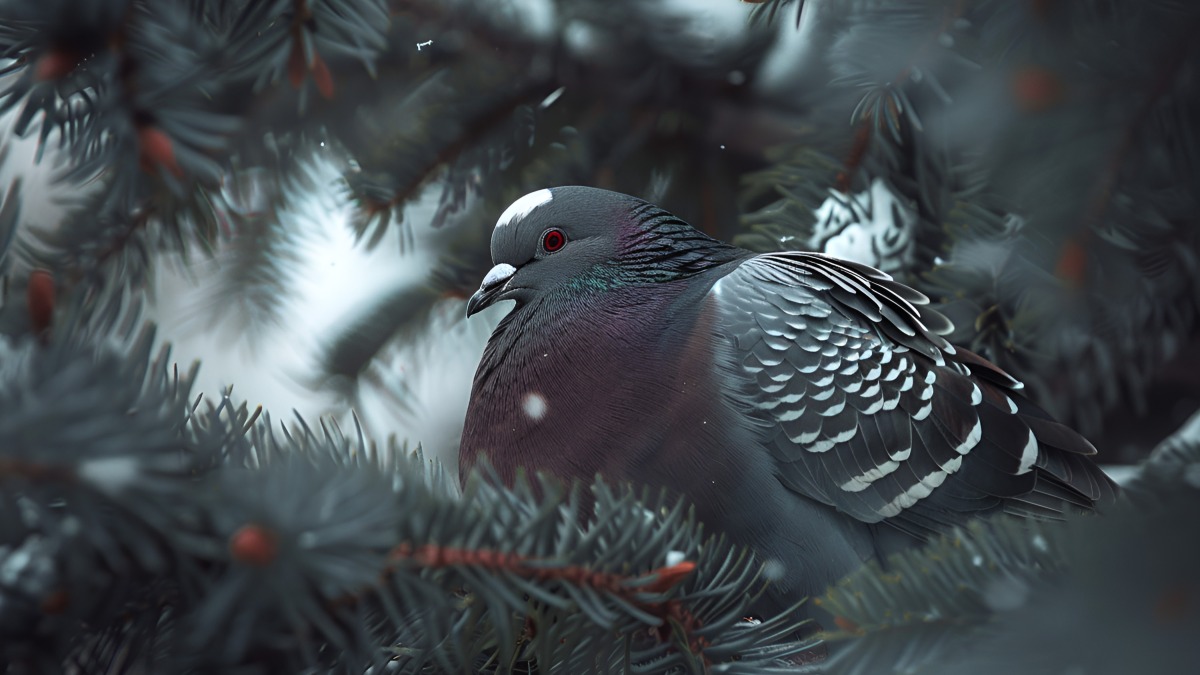
Winter brings unique challenges for pigeon health, with cold weather increasing the risk of diseases. This article provides a comprehensive guide to identifying, preventing, and treating common pigeon illnesses during the colder months, ensuring your flock stays healthy and thriving.
Understanding Winter Health Risks for Pigeons
Winter conditions can weaken pigeons' immune systems, making them more susceptible to infections. Factors like low temperatures, humidity, and reduced daylight hours contribute to stress and disease outbreaks. By understanding these risks, pigeon keepers can take proactive steps to safeguard their birds.
Common Winter Diseases in Pigeons
Pigeons are prone to several diseases in winter, including respiratory infections, parasitic infestations, and nutritional deficiencies. Respiratory issues often arise from damp environments, leading to symptoms like coughing and nasal discharge. Parasites such as mites and worms thrive in crowded, warm lofts, while poor nutrition can exacerbate health problems. Early detection is key to effective management.
To combat these diseases, maintain a clean and dry loft, provide balanced nutrition, and monitor birds regularly for signs of illness. Vaccinations and preventive treatments can reduce the risk of outbreaks. For instance, ensuring adequate ventilation helps prevent respiratory diseases, while regular deworming controls parasites.
Impact of Cold Weather on Pigeon Immunity
Cold weather stresses pigeons, lowering their immune response and increasing vulnerability to pathogens. This can lead to higher mortality rates if not addressed. Pigeons may also reduce activity levels, affecting their overall health and breeding performance.
Boost immunity by offering high-energy feeds, such as grains rich in carbohydrates, and supplements like vitamins and minerals. Provide sheltered areas to protect from wind and rain, and avoid sudden temperature changes. Regular health checks help identify issues early, allowing for timely interventions.
Preventive Measures for Winter Pigeon Health
Prevention is the best strategy for managing pigeon diseases in winter. Focus on loft management, nutrition, and hygiene to create a healthy environment. Implementing these measures reduces the need for treatments and promotes long-term flock vitality.
Loft Maintenance and Insulation
A well-maintained loft is crucial for preventing diseases. Ensure it is insulated to retain heat but ventilated to avoid moisture buildup, which can harbor bacteria and fungi. Clean the loft regularly, removing droppings and old bedding to minimize pathogen exposure.
Use materials like straw or wood shavings for bedding, and replace them frequently. Check for drafts and seal gaps to protect pigeons from cold winds. Installing perches at different heights allows birds to choose warmer spots, enhancing comfort and reducing stress.
Nutrition and Hydration Strategies
Proper nutrition supports immune function during winter. Increase feed portions to provide extra energy for warmth, focusing on high-fat and high-protein sources like sunflower seeds and legumes. Ensure access to fresh, unfrozen water at all times, as dehydration can worsen health issues.
Consider adding supplements such as electrolytes or probiotics to boost digestion and immunity. Avoid overfeeding, which can lead to obesity and related problems. Monitor food intake and adjust based on activity levels and environmental conditions.
Identifying and Diagnosing Winter Illnesses
Early diagnosis of diseases in pigeons is essential for effective treatment. Learn to recognize common symptoms and use diagnostic tools to confirm illnesses. Quick action can prevent spread and improve recovery rates.
Symptoms of Common Winter Diseases
Watch for signs like lethargy, loss of appetite, ruffled feathers, and respiratory distress. Specific diseases may present with diarrhea, sneezing, or eye discharge. For example, avian pox causes lesions on skin and mucous membranes, while coccidiosis leads to bloody droppings.
Keep a health journal to track symptoms and behaviors. Isolate sick birds immediately to prevent contagion. Consult a veterinarian if symptoms persist, as some diseases require laboratory tests for accurate diagnosis.
Diagnostic Tools and Methods
Use simple tools like thermometers to check for fever, and microscopes for fecal exams to detect parasites. Blood tests can identify infections or deficiencies. Home diagnostics include observing behavior changes and physical exams for abnormalities.
For accurate results, partner with avian specialists. Regular screenings during winter help catch issues early. Educate yourself on disease patterns to make informed decisions about treatments and prevention.
Treatment Options for Winter Pigeon Diseases
When prevention fails, timely treatment is vital. Use medications, natural remedies, and supportive care to address illnesses. Always follow dosage instructions and consider consulting experts for severe cases.
Medications and Veterinary Care
Antibiotics, antifungals, and antiparasitics are common treatments. For respiratory infections, antibiotics like doxycycline may be prescribed. Antiparasitic drugs help control mites and worms. Ensure medications are pigeon-specific to avoid toxicity.
Veterinary care is crucial for complex cases. Vets can administer injections or recommend advanced treatments. Quarantine treated birds until recovery to prevent reinfection. Follow up with post-treatment checks to ensure full healing.
Natural and Home Remedies
Natural options include herbal supplements like garlic or echinacea to boost immunity. Apple cider vinegar in water can aid digestion and deter parasites. Warm compresses may relieve respiratory symptoms, and essential oils like tea tree can be used cautiously for antiseptic purposes.
Always test remedies on a small scale first. Combine natural approaches with conventional treatments for best results. Focus on holistic care, including stress reduction through calm environments and proper nutrition.
Breeding and Flock Management in Winter
Winter breeding requires extra care to ensure healthy offspring and maintain flock numbers. Manage breeding pairs, monitor chick health, and adjust practices based on weather conditions.
Winter Breeding Challenges and Solutions
Cold temperatures can reduce fertility and hatch rates. Provide nesting boxes with extra insulation and ensure pairs are healthy before breeding. Limit breeding during extreme cold to avoid stress on parents and chicks.
Supplement with artificial lighting to simulate longer days, encouraging breeding behavior. Monitor egg viability and chick growth closely. If issues arise, consider delaying breeding until conditions improve.
Managing Flock Dynamics in Cold Weather
Winter can alter social behaviors, leading to aggression or crowding. Maintain adequate space to reduce conflicts. Introduce new birds cautiously to prevent disease introduction.
Use these strategies for effective flock management:
- Provide multiple feeding stations to minimize competition
- Rotate birds between lofts to prevent overcrowding
- Observe interactions and separate aggressive individuals
Conclusion
Managing pigeon diseases in winter involves a combination of prevention, early detection, and effective treatment. By maintaining a clean environment, providing proper nutrition, and monitoring health closely, you can protect your flock from common illnesses. For advanced support in pigeon care, consider using Ghawy – Pigeon Manager to streamline health tracking and management tasks.