Creating an ideal pigeon loft is essential for the health and productivity of your birds. This article covers key aspects like ventilation, cleanliness, and lighting to help you build a comfortable and efficient home for your pigeons. By focusing on these elements, you can ensure a thriving environment that supports breeding and overall well-being.
Understanding the Basics of Pigeon Loft Design
Designing a pigeon loft starts with a solid foundation in the fundamental principles that affect pigeon health and behavior. A well-planned loft not only provides shelter but also enhances the birds' quality of life, leading to better breeding outcomes and reduced stress. It's crucial to consider the loft's location, size, and materials from the outset to avoid common pitfalls.
Key factors include the loft's orientation to the sun, which impacts temperature regulation, and the choice of durable, non-toxic materials that resist wear and tear. Additionally, the design should allow for easy access for cleaning and monitoring, ensuring that maintenance doesn't become a burden. By mastering these basics, you set the stage for a loft that is both functional and long-lasting.
Choosing the Right Location and Size
Selecting an optimal location for your pigeon loft is the first step toward success. Ideally, place the loft in an area that is sheltered from strong winds and excessive noise, as pigeons can be sensitive to environmental stressors. The site should have good drainage to prevent water accumulation, which can lead to dampness and disease. Consider proximity to your home for convenient daily checks, but avoid areas with heavy foot traffic to minimize disturbances.
The size of the loft depends on the number of pigeons you plan to house; a general rule is to allow at least 2-3 cubic feet per bird to prevent overcrowding. Overcrowding can cause aggression, stress, and the spread of illnesses, so it's better to err on the side of more space. Also, factor in future expansion if you intend to increase your flock, ensuring the design is scalable without major renovations.
Selecting Durable and Safe Materials
The materials used in constructing a pigeon loft play a critical role in its durability and the safety of the birds. Opt for weather-resistant woods like cedar or treated pine, which are less prone to rot and insect damage. Avoid materials that can off-gas harmful chemicals, such as certain plastics or paints, as pigeons have sensitive respiratory systems. Metal components should be rust-proof, especially in humid climates, to maintain structural integrity.
For flooring, consider easy-to-clean surfaces like concrete or sealed wood, which can be disinfected regularly. The roof should be sloped to allow water runoff and made from materials that provide insulation against heat and cold. Using mesh or wire for ventilation areas ensures airflow while keeping predators out. Always prioritize non-toxic, pigeon-friendly options to create a safe haven.
Ensuring Proper Ventilation in the Pigeon Loft
Ventilation is a cornerstone of a healthy pigeon loft, as it regulates air quality, temperature, and humidity levels. Poor ventilation can lead to respiratory issues, mold growth, and ammonia buildup from droppings, all of which harm pigeon health. A well-ventilated loft allows fresh air to circulate while removing stale air, creating an environment that supports strong immune systems and reduces disease risk.
To achieve effective ventilation, incorporate features like adjustable vents, windows, and roof openings that can be modified based on weather conditions. In colder months, ventilation should prevent drafts while maintaining airflow, whereas in summer, it helps cool the loft naturally. Monitoring tools like hygrometers can assist in keeping humidity levels between 40-60%, ideal for pigeon comfort.
Types of Ventilation Systems
There are several ventilation systems to consider for your pigeon loft, each with its advantages. Natural ventilation relies on strategically placed openings, such as louvers or mesh panels, that leverage wind and thermal currents to move air. This method is energy-efficient and low-maintenance, but it may require manual adjustments to suit changing weather. For larger lofts, passive stack ventilation uses vertical ducts to draw air upward, enhancing circulation without fans.
Mechanical ventilation, including exhaust fans or air circulators, offers more control, especially in enclosed or high-density setups. Fans can be timed or sensor-operated to activate when humidity or temperature rises, ensuring consistent air quality. However, they consume electricity and need regular upkeep. Combining natural and mechanical systems often yields the best results, providing redundancy and adaptability for year-round comfort.
Preventing Common Ventilation Issues
Common ventilation problems in pigeon lofts include drafts, condensation, and inadequate airflow, which can compromise bird health. Drafts occur when air moves too quickly, chilling pigeons and leading to illness; avoid this by placing vents away from perching areas and using baffles to diffuse air. Condensation forms when warm, moist air meets cold surfaces, promoting mold; insulate the loft properly and ensure vents are positioned to allow moisture escape.
Inadequate airflow often stems from blocked or poorly designed openings; regularly clean vents and check for obstructions like nests or debris. Additionally, over-ventilation in winter can drop temperatures too low, so use adjustable covers to regulate intake. By addressing these issues proactively, you maintain a balanced environment that supports pigeon vitality and reduces veterinary visits.
Maintaining Cleanliness and Hygiene
Cleanliness is paramount in a pigeon loft to prevent diseases, parasites, and unpleasant odors that can affect both birds and handlers. A rigorous cleaning routine removes droppings, old food, and other waste that harbor bacteria and pests. Regular maintenance not only safeguards pigeon health but also improves loft longevity and makes daily interactions more pleasant for the owner.
Establish a schedule that includes daily spot cleaning, weekly deep cleans, and monthly disinfection to keep the loft in top condition. Use safe, non-toxic cleaning agents like vinegar or pigeon-specific disinfectants to avoid harming the birds. Incorporating easy-clean features, such as removable trays and smooth surfaces, streamlines the process and encourages consistency.
Daily and Weekly Cleaning Routines
A daily cleaning routine should focus on quick tasks that prevent buildup and monitor bird health. Start by removing any uneaten food and refreshing water sources to avoid contamination. Scoop droppings from perches, floors, and nesting areas, as accumulated waste can attract flies and spread pathogens. Inspect for signs of illness or injury during this time, allowing early intervention if needed.
Weekly cleaning involves more thorough efforts, such as scrubbing surfaces with a mild detergent and rinsing thoroughly to remove residues. Replace bedding materials in nests and on floors to maintain dryness and comfort. Disinfect feeding and watering equipment to prevent bacterial growth. This routine not only keeps the loft sanitary but also strengthens the bond between you and your pigeons through regular interaction.
Managing Waste and Pest Control
Effective waste management is crucial for loft hygiene, as pigeon droppings can accumulate quickly and pose health risks. Use droppings boards or trays under perches for easy collection and disposal; compost the waste if possible, as it makes excellent fertilizer. Ensure proper drainage in and around the loft to prevent waterlogging, which exacerbates waste-related issues.
Pest control is equally important, as mites, lice, and rodents can infest the loft and harm pigeons. Implement preventive measures like sealing entry points and using natural repellents such as diatomaceous earth. Regularly inspect for pests and treat infestations promptly with safe methods. Maintaining a clean environment reduces attractants, making pest problems less likely and protecting your flock's well-being.
Optimizing Lighting for Pigeon Health and Behavior
Lighting plays a vital role in regulating pigeon behavior, including breeding cycles, molting, and overall activity levels. Natural light is ideal, as it syncs with circadian rhythms, but artificial lighting can supplement it in darker conditions. Proper lighting ensures pigeons receive enough exposure to support vitamin D synthesis, which is essential for bone health and immune function.
Aim for a balance that mimics natural day-night cycles, with 12-14 hours of light per day during breeding seasons to stimulate reproduction. Use timers to maintain consistency, especially in indoor or shaded lofts. Avoid overly bright or harsh lights that can cause stress; instead, opt for soft, diffuse lighting that creates a calm atmosphere. By optimizing light, you enhance pigeon welfare and productivity.
Natural vs. Artificial Lighting Solutions
Natural lighting is the best option for pigeon lofts, as it provides full-spectrum light that supports physiological processes. Position the loft to maximize exposure to morning sun, which is less intense and helps warm the space gradually. Use windows or skylights made of durable materials to allow light in while protecting against weather. However, in regions with limited sunlight, natural light alone may not suffice.
Artificial lighting supplements natural sources and ensures consistency year-round. LED bulbs are energy-efficient and can be adjusted for intensity and color temperature to mimic daylight. Place lights overhead to avoid shadows and distribute evenly throughout the loft. Incorporate dimmers or timers to simulate dawn and dusk, reducing stress from sudden changes. This combination approach ensures pigeons benefit from optimal lighting regardless of external conditions.
Impact of Lighting on Breeding and Molting
Lighting directly influences pigeon breeding by triggering hormonal changes that regulate mating and egg-laying. Increasing light exposure to 14-16 hours per day can encourage breeding behavior, while reducing it may help control populations. During molting seasons, adequate light supports feather regeneration and overall health, as pigeons shed old feathers and grow new ones.
Monitor light levels to avoid overstimulation, which can lead to excessive breeding and fatigue. In molting periods, ensure consistent lighting to minimize stress and promote efficient feather growth. Adjustments should be gradual to allow pigeons to adapt without disruption. By tailoring lighting to these cycles, you support natural processes and improve loft management outcomes.
Integrating Design Elements for Comfort and Efficiency
Combining ventilation, cleanliness, and lighting into a cohesive design ensures the pigeon loft is both comfortable and efficient. Thoughtful integration reduces maintenance efforts and enhances the living experience for pigeons. Consider how each element interacts; for example, good ventilation supports cleanliness by reducing moisture, while proper lighting can highlight areas needing cleaning.
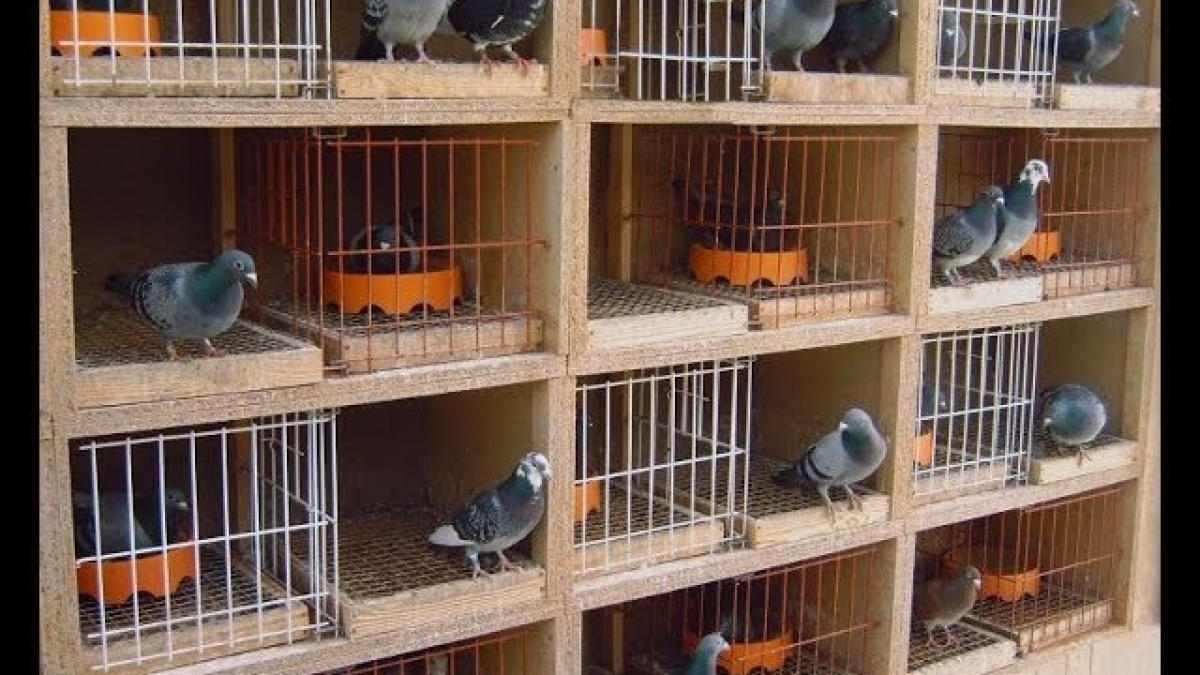
Design the loft with pigeon behavior in mind, providing perches, nesting boxes, and feeding stations that are easy to access and clean. Use modular components that allow for customization as your flock grows or needs change. This holistic approach not only improves functionality but also makes the loft a joy to manage, fostering a positive environment for both birds and keeper.
Layout and Space Utilization
The layout of a pigeon loft should maximize space while ensuring easy movement for both pigeons and the owner. Divide the area into zones for resting, feeding, and nesting to reduce competition and stress. Place perches at varying heights to accommodate different birds' preferences and promote exercise. Ensure clear pathways for cleaning and inspection, avoiding clutter that can harbor dirt or pests.
Utilize vertical space with shelves or multi-level perches to increase capacity without expanding the footprint. This is especially useful in smaller lofts, where efficient use of space is critical. Regularly reassess the layout based on flock dynamics, making adjustments to improve comfort and reduce conflicts. A well-organized loft supports harmonious living and simplifies daily tasks.
Seasonal Adjustments and Maintenance Tips
Seasonal changes require adjustments to ventilation, cleanliness, and lighting to maintain loft comfort. In winter, focus on insulation and reduced ventilation to conserve heat, while increasing light exposure if days are short. Summer demands enhanced airflow and shading to prevent overheating, along with more frequent cleaning due to higher activity levels.
Maintenance tips include scheduling seasonal deep cleans, inspecting for wear and tear, and updating lighting timers as day length changes. Keep a log of adjustments to track what works best for your loft. By staying proactive, you adapt to environmental shifts and ensure year-round well-being for your pigeons. For expert guidance on optimizing your pigeon loft, consider using Ghawy – Pigeon Manager to streamline management and enhance results.
Conclusion
In summary, designing the perfect pigeon loft involves a balanced approach to ventilation, cleanliness, and lighting, each playing a crucial role in bird health and productivity. By implementing the strategies discussed, you can create a safe, efficient environment that supports breeding, reduces disease, and enhances overall well-being. Remember, consistency in maintenance and adaptation to seasonal needs are key to long-term success. For those looking to elevate their pigeon keeping experience, Ghawy – Pigeon Manager offers tools and insights to help you achieve optimal loft management with ease.