Creating an ideal pigeon loft is essential for the health and productivity of your birds. This article explores key aspects like ventilation, cleanliness, and lighting to help you build a comfortable and efficient home. By focusing on these elements, you can ensure your pigeons thrive in a well-designed environment.
Understanding the Basics of Pigeon Loft Design
Designing a pigeon loft starts with understanding the fundamental needs of pigeons for space, safety, and comfort. A well-planned loft provides adequate room for movement, nesting, and perching, which are crucial for reducing stress and promoting natural behaviors. It should be constructed from durable materials that withstand weather conditions while offering insulation against extreme temperatures. Proper design also includes considerations for easy access for cleaning and maintenance, ensuring that the loft remains a healthy habitat over time. By prioritizing these basics, you lay the foundation for a loft that supports both the physical and psychological well-being of your pigeons.
Key Components of a Functional Loft
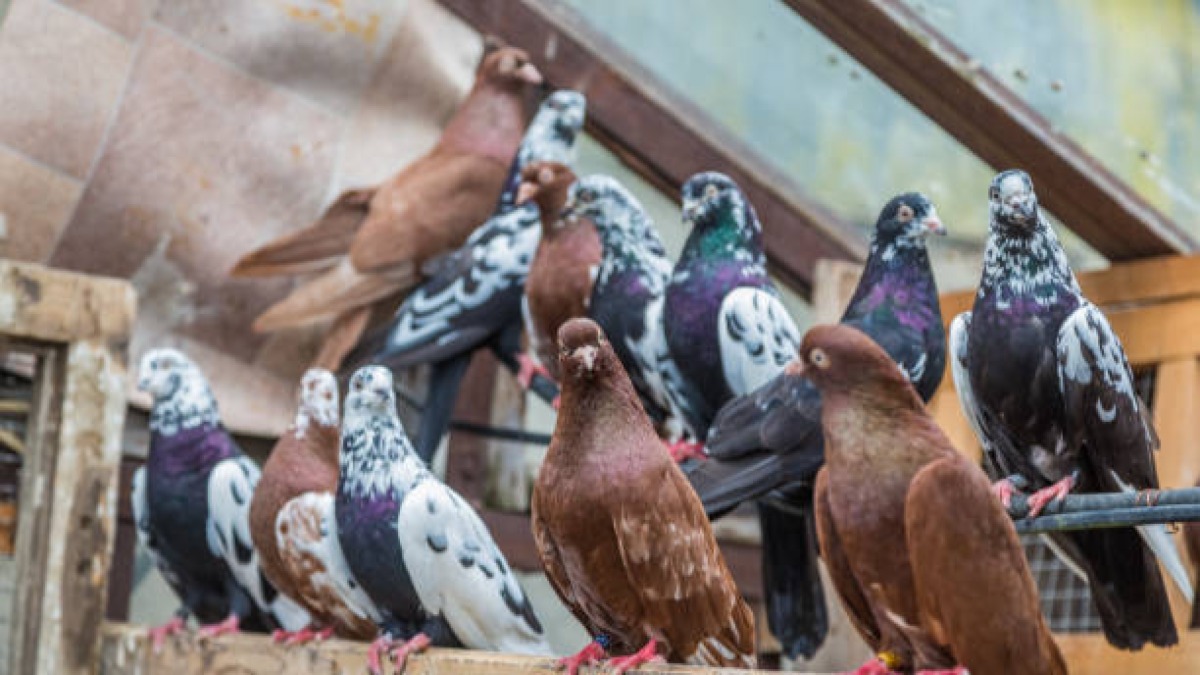
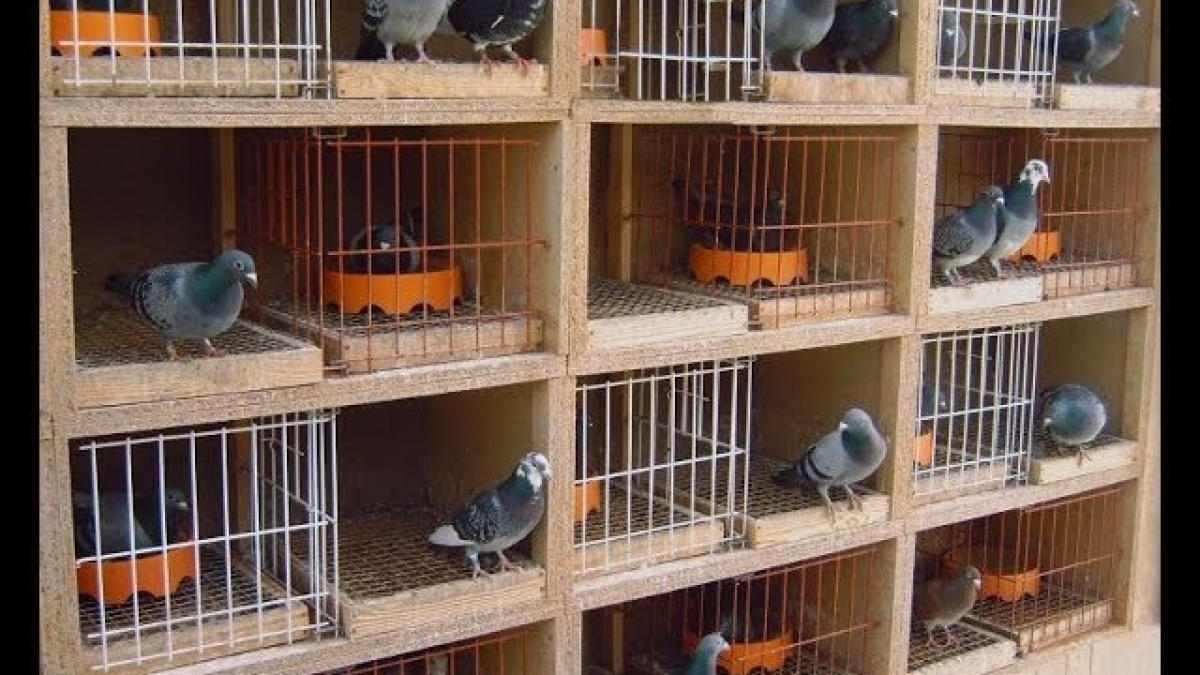
A functional pigeon loft includes several key components that work together to create a safe and efficient space. The main areas typically consist of a flying area, nesting boxes, perches, and feeding stations, each designed to meet specific needs of the birds. For instance, nesting boxes should be spacious enough to accommodate breeding pairs and their young, with materials that are easy to clean and disinfect. Perches need to be placed at varying heights to allow for natural roosting behaviors, reducing competition and aggression among pigeons. Additionally, incorporating elements like landing boards and entry points can enhance the loft's usability, making it easier for pigeons to enter and exit without injury. Overall, these components ensure that the loft is not only habitable but also conducive to the pigeons' daily activities and long-term health.
Choosing the Right Location and Materials
Selecting the right location for your pigeon loft is critical for its success, as it affects factors like sunlight exposure, wind patterns, and protection from predators. Ideally, the loft should be situated in an area that receives ample natural light but is shielded from harsh winds and direct rain, which can lead to dampness and disease. The orientation should allow for good air circulation while minimizing exposure to extreme weather, helping to maintain a stable internal environment. When it comes to materials, opt for non-toxic, durable options such as treated wood, metal, or plastic that are resistant to moisture and easy to sanitize. Avoid materials that can harbor pests or degrade quickly, as this compromises the loft's integrity. By carefully choosing the location and materials, you create a sturdy and safe structure that supports the overall well-being of your pigeons.
Ventilation Systems for Optimal Air Quality
Ventilation is a cornerstone of pigeon loft management, as it directly impacts air quality and respiratory health. Poor ventilation can lead to a buildup of ammonia from droppings, dust, and moisture, which increases the risk of respiratory infections and other illnesses. A well-ventilated loft ensures a constant supply of fresh air, helping to remove harmful gases and maintain oxygen levels essential for the birds' vitality. It also regulates humidity, preventing conditions that favor mold growth and parasite infestations. Implementing an effective ventilation system involves strategic placement of vents, windows, or fans to create cross-ventilation without causing drafts that could stress the pigeons. By prioritizing ventilation, you foster an environment where pigeons can breathe easily and stay healthy.
Types of Ventilation Methods
There are several ventilation methods to consider for a pigeon loft, each with its own benefits depending on the loft's size and climate. Natural ventilation relies on vents, windows, or louvers placed high and low to allow warm, stale air to escape while drawing in cooler, fresh air from below. This method is energy-efficient and works well in moderate climates, but it may need supplementation in areas with little wind. Mechanical ventilation, such as exhaust fans or air circulators, provides more control over air exchange and is ideal for larger lofts or regions with extreme weather. These systems can be timed or sensor-based to adjust airflow automatically, ensuring consistent conditions. Additionally, combining methods, like using ridge vents with side openings, can enhance effectiveness. It's important to avoid over-ventilation, which can cause drafts, so always tailor the approach to your specific setup and monitor air quality regularly.
Maintaining Proper Airflow and Humidity Control
Maintaining proper airflow and humidity control in a pigeon loft requires regular monitoring and adjustments to prevent issues like condensation and respiratory problems. Airflow should be balanced to ensure even distribution without creating cold spots, which can be achieved by positioning vents and fans to promote gentle circulation. Using hygrometers to track humidity levels is essential, as ideal ranges typically fall between 40% and 60% to discourage mold and mites. In humid climates, dehumidifiers or increased ventilation may be necessary, while in dry areas, adding moisture through misters can help. Regularly cleaning ventilation components, such as filters or ducts, prevents blockages that reduce efficiency. By keeping airflow and humidity in check, you minimize health risks and create a comfortable atmosphere that supports pigeon well-being and productivity.
Ensuring Cleanliness and Hygiene in the Loft
Cleanliness is paramount in a pigeon loft to prevent diseases and maintain a healthy environment for the birds. A dirty loft can harbor bacteria, parasites, and fungi that lead to infections, reduced immunity, and even mortality. Regular cleaning routines involve removing droppings, old bedding, and food debris, which should be done daily or weekly depending on the loft's size and bird population. Disinfecting surfaces with bird-safe products helps eliminate pathogens without harming the pigeons. Additionally, implementing preventive measures, such as using easy-to-clean materials and designing spaces without hard-to-reach corners, simplifies maintenance. By upholding high standards of hygiene, you not only protect your pigeons from illness but also enhance their overall quality of life and breeding success.
Daily and Weekly Cleaning Routines
Establishing daily and weekly cleaning routines is essential for keeping a pigeon loft sanitary and disease-free. Daily tasks should include removing wet or soiled bedding, scrubbing water and feed containers, and spot-cleaning areas with heavy droppings to prevent ammonia buildup. This quick maintenance takes only a few minutes but significantly reduces the risk of infections. Weekly routines involve more thorough activities, such as replacing all bedding, scrubbing perches and nesting boxes with disinfectant, and inspecting for signs of pests or mold. It's also a good time to clean ventilation systems and check for structural issues. Using tools like scrapers, brushes, and non-toxic cleaners makes the process efficient. Consistency in these routines ensures that the loft remains a clean, safe haven, promoting better health and reducing the need for intensive treatments later on.
Preventing Common Health Issues Through Sanitation
Preventing common health issues in pigeons starts with rigorous sanitation practices that target sources of contamination. Diseases like canker, respiratory infections, and parasites often stem from poor hygiene, so focus on areas where moisture and waste accumulate, such as under perches and in nesting boxes. Using absorbent bedding materials, like wood shavings or straw, helps control moisture and makes cleaning easier. Regularly disinfecting with products safe for birds, such as diluted vinegar or commercial avian disinfectants, kills germs without causing harm. Additionally, quarantine new birds before introducing them to the loft to prevent the spread of illnesses. Implementing these measures not only reduces the incidence of disease but also supports a stronger immune system in your pigeons, leading to a healthier and more vibrant flock.
Lighting Strategies for Pigeon Health and Behavior
Lighting plays a crucial role in regulating pigeon health, behavior, and reproductive cycles, making it a key element in loft design. Natural and artificial light influence factors like molting, breeding, and daily activity patterns, so providing the right amount and type of light is essential. Adequate lighting helps pigeons maintain circadian rhythms, reducing stress and promoting natural behaviors such as feeding and social interaction. It also aids in vitamin D synthesis, which is important for bone health and overall vitality. In lofts with limited natural light, supplemental lighting can be used to extend daylight hours, especially in winter, to encourage breeding and prevent seasonal declines. By optimizing lighting conditions, you create an environment that supports both physical and psychological well-being.
Natural vs. Artificial Lighting Options
Choosing between natural and artificial lighting options depends on your loft's location and the specific needs of your pigeons. Natural light is ideal because it provides full-spectrum illumination that supports vitamin D production and natural behaviors, so design lofts with windows or skylights to maximize exposure. However, in areas with limited sunlight or during shorter days, artificial lighting becomes necessary. LED or fluorescent bulbs that mimic natural daylight can be used to extend photoperiods, typically aiming for 14-16 hours of light per day to stimulate breeding. It's important to avoid overly bright or harsh lights that cause stress, and instead use dimmable options to simulate dawn and dusk transitions. Combining both types allows for flexibility, ensuring that pigeons receive consistent light regardless of external conditions, which helps maintain their health and productivity year-round.
Impact of Light on Breeding and Molting Cycles
The impact of light on breeding and molting cycles in pigeons is significant, as photoperiod length directly triggers hormonal changes that govern these processes. Longer daylight hours, typically in spring and summer, stimulate breeding behavior by increasing hormone production related to reproduction. To encourage this, you can use artificial lighting to extend days in darker seasons, promoting consistent breeding throughout the year. Conversely, molting—the natural shedding and regrowth of feathers—is often influenced by shorter days, so adjusting light exposure can help manage this cycle to avoid stress. For example, reducing light gradually after breeding season can support a smooth molt. Monitoring and adjusting light schedules based on your pigeons' responses ensures optimal timing for these cycles, leading to healthier birds and better breeding outcomes. Proper lighting management is a simple yet effective way to enhance overall loft performance.
Integrating Design Elements for a Cohesive Loft
Integrating design elements in a pigeon loft involves combining ventilation, cleanliness, and lighting into a cohesive system that works harmoniously. A well-integrated design ensures that these components support each other, such as placing vents to enhance air quality without compromising light entry or making cleaning difficult. For instance, positioning windows for natural light can also aid ventilation, while smooth surfaces and accessible layouts simplify hygiene maintenance. This holistic approach prevents conflicts, like drafts from vents affecting temperature regulation, and promotes efficiency in loft management. By considering how each element interacts, you create a balanced environment that maximizes pigeon health and reduces the workload for caretakers. Thoughtful integration leads to a loft that is not only functional but also sustainable in the long term.
Balancing Aesthetics with Functionality
Balancing aesthetics with functionality in pigeon loft design means creating a space that is both visually appealing and practical for the birds' needs. While aesthetics can include elements like color schemes, landscaping around the loft, or decorative features, functionality must always come first to ensure safety and health. For example, using non-toxic paints and materials that are easy to clean maintains hygiene without sacrificing appearance. Incorporating natural elements, such as plants or rocks, can enhance the environment but should be placed where they don't hinder ventilation or cleaning. The key is to avoid over-designing in ways that complicate maintenance or pose risks, like sharp edges or loose items. By striking this balance, you foster a loft that is pleasant for both pigeons and owners, encouraging regular interaction and care while upholding essential standards for well-being.
Case Studies of Effective Loft Designs
Examining case studies of effective loft designs provides practical insights into how ventilation, cleanliness, and lighting can be successfully integrated. For instance, a loft in a temperate climate might feature large south-facing windows for maximum light and heat, combined with ridge vents for natural airflow, resulting in reduced energy costs and healthier birds. Another example could be a urban loft where space constraints led to a multi-level design with mechanical ventilation and automated lighting, ensuring optimal conditions despite limited area. In these cases, regular cleaning schedules and the use of durable materials contributed to low disease rates and high breeding success. Lessons from such designs highlight the importance of adaptability and monitoring; what works in one environment may need adjustments elsewhere. By learning from real-world examples, you can apply proven strategies to your own loft, avoiding common pitfalls and achieving better outcomes for your pigeons.
Conclusion
In summary, designing the perfect pigeon loft requires careful attention to ventilation, cleanliness, and lighting to ensure a healthy and productive environment. By implementing effective systems for air quality, maintaining rigorous hygiene practices, and optimizing light exposure, you can support your pigeons' well-being and enhance breeding success. Remember, a well-designed loft not only prevents diseases but also promotes natural behaviors, making it a rewarding investment for any pigeon enthusiast. For expert guidance and tools to manage your loft efficiently, consider exploring Ghawy – Pigeon Manager, which offers resources tailored to your needs.