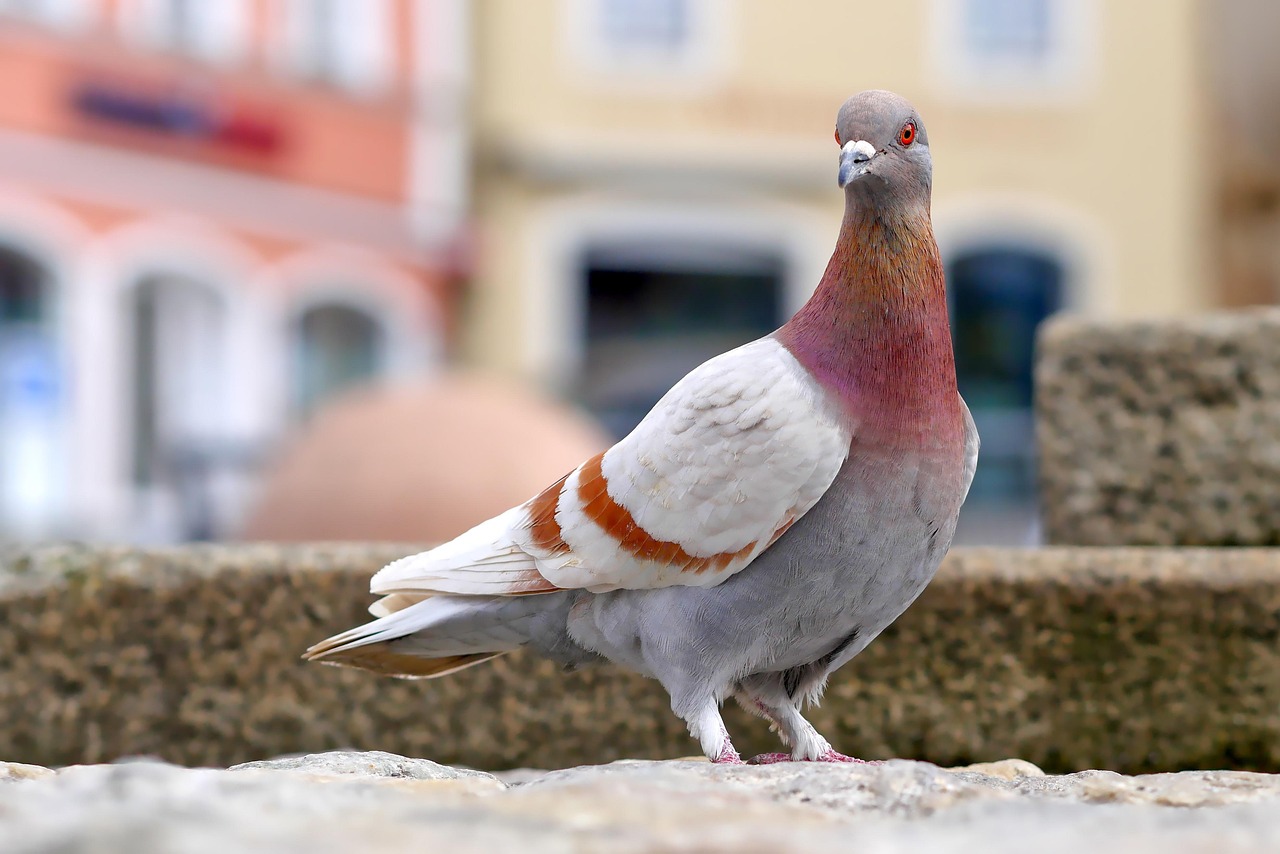
Racing pigeons are prized for their speed, endurance, and intelligence, making breed selection and evaluation crucial for success in competitions. This guide explores top breeds and key characteristics to help you identify and raise winning birds, enhancing your chances in the sport. By understanding these factors, you can build a competitive flock that excels in various racing conditions.
Top Racing Pigeon Breeds for Competitive Success
Selecting the right breed is the foundation of a successful racing pigeon team, as different breeds excel in specific traits like speed, distance, and adaptability. This section covers the most popular and effective breeds used by enthusiasts worldwide, highlighting their origins and primary advantages. Knowing these breeds allows you to match them to your racing goals and local environment.
Belgian Racing Pigeons
Belgian racing pigeons, often called the "kings of the sport," are renowned for their exceptional speed and agility in short to medium-distance races. Originating from Belgium, where pigeon racing is a national passion, these birds have been selectively bred for generations to enhance their homing instincts and competitive edge. They typically feature strong, muscular bodies and keen eyesight, which helps them navigate challenging courses with precision. Many champion pigeons in international competitions trace their lineage to Belgian strains, making them a top choice for serious racers.
In terms of physical characteristics, Belgian pigeons often display a compact build with broad chests and powerful wings, allowing for rapid takeoff and sustained flight. Their feathers are usually dense and weather-resistant, providing protection against harsh conditions during races. Breeders value these pigeons for their intelligence and trainability, as they quickly learn routes and respond well to handling. When raising Belgian breeds, it's essential to focus on a balanced diet and regular exercise to maintain their peak performance, as they can be prone to stress if not managed properly.
Homing Pigeons
Homing pigeons are the backbone of racing pigeon sports, prized for their innate ability to return to their lofts over long distances, sometimes exceeding 1,000 kilometers. This breed has been developed from wild rock doves and refined through centuries of breeding for navigation skills, using the Earth's magnetic fields and visual landmarks to find their way. They are versatile and can adapt to various racing formats, from sprint events to endurance challenges, making them a reliable choice for beginners and experts alike. Their calm demeanor also makes them easier to handle and train compared to more high-strung breeds.
Key attributes of homing pigeons include a strong homing instinct, excellent stamina, and a robust constitution that resists common avian diseases. They often have a slender body with long wings and a streamlined shape, reducing air resistance during flight. To maximize their potential, racers should implement consistent training routines, such as gradual distance increases and loft familiarization exercises. Additionally, homing pigeons benefit from social bonding with their handlers, which can improve their motivation and performance in races. With proper care, they can achieve remarkable speeds and consistency in competitions.
Key Characteristics for Selecting Winning Racing Pigeons
Beyond breed, individual traits play a critical role in determining a pigeon's racing success, including physical health, mental sharpness, and genetic background. This section delves into the essential characteristics to evaluate when choosing birds for your team, helping you avoid common pitfalls and focus on high-potential candidates. By assessing these factors systematically, you can build a flock that not only competes but dominates in races.
Physical Health and Condition
A pigeon's physical health is paramount for racing performance, as even minor issues can lead to fatigue, injury, or disqualification. Start by examining the bird's overall body condition, looking for a well-muscled frame, clear eyes, and smooth feathers without signs of parasites or damage. The wings should be strong and symmetrical, allowing for efficient flight, while the legs and feet must be clean and free from deformities. Regular health checks, including vaccinations and deworming, are essential to prevent diseases that could undermine training and racing efforts.
Nutrition plays a vital role in maintaining physical condition, with a diet rich in proteins, carbohydrates, and essential vitamins to support energy needs and recovery. Provide a balanced mix of grains, seeds, and supplements, adjusting portions based on the pigeon's activity level and race schedule. Hydration is equally important, so ensure fresh water is always available, especially during hot weather or intense training sessions. Monitoring weight and body fat can help you avoid obesity or malnutrition, both of which can impair flight efficiency. By prioritizing health, you lay the groundwork for sustained success in competitions.
Mental Attributes and Temperament
Mental strength and temperament are often overlooked but crucial for racing pigeons, as they influence motivation, focus, and resilience during races. Look for birds that exhibit curiosity, alertness, and a strong desire to return home, as these traits enhance their homing abilities and competitive drive. A calm and confident pigeon is less likely to panic in unfamiliar environments, reducing the risk of getting lost or underperforming. Observing behavior during training, such as how quickly they orient themselves or interact with other birds, can provide insights into their mental fitness.
Training methods can shape mental attributes, so incorporate exercises that build confidence, like short flights from varying locations and exposure to different weather conditions. Positive reinforcement, such as rewards for successful returns, can strengthen desired behaviors and reduce stress. Avoid overworking pigeons, as fatigue can lead to anxiety and decreased performance; instead, balance training with rest periods to maintain mental sharpness. Birds with a stable temperament are more likely to handle the pressures of competition, making them valuable assets to any racing team. Investing in mental development can yield significant returns in race outcomes.
Breeding Strategies for Superior Racing Pigeons
Effective breeding is key to producing generations of winning pigeons, combining desirable traits from parent birds to enhance speed, endurance, and intelligence. This section covers proven breeding techniques, including selective pairing, genetic considerations, and record-keeping, to help you develop a strong bloodline. By applying these strategies, you can improve the overall quality of your flock and increase your chances of breeding champions.
Selective Pairing and Line Breeding
Selective pairing involves choosing parent birds with complementary strengths, such as pairing a fast sprinter with an endurance specialist to produce versatile offspring. Focus on pigeons that have proven themselves in races or come from successful lineages, as this increases the likelihood of passing on superior genes. Line breeding, or breeding closely related birds, can help fix desirable traits but requires caution to avoid inbreeding depression, which can lead to health issues. Maintain detailed records of pedigrees, performance data, and physical characteristics to inform your pairing decisions and track progress over time.
When implementing selective pairing, consider factors like age, health, and compatibility, as stressed or unhealthy birds may not produce strong chicks. Introduce new bloodlines periodically to introduce genetic diversity and prevent stagnation, but do so gradually to maintain consistency. Monitor the offspring for early signs of potential, such as rapid growth, keen homing instincts, and robust health, and cull those that do not meet standards to focus resources on the best candidates. This disciplined approach can lead to a steady improvement in your flock's racing capabilities, ensuring long-term success in the sport.
Genetic Traits and Inheritance
Understanding genetic traits is essential for breeding racing pigeons, as characteristics like speed, navigation ability, and disease resistance are often heritable. Study the inheritance patterns of key traits, such as wing shape or homing instinct, by reviewing pedigree charts and performance histories. Use tools like genetic testing, if available, to identify carriers of desirable genes and avoid those with hereditary defects. By focusing on genetics, you can make informed decisions that enhance the overall strength and resilience of your pigeon population.
Common genetic traits to prioritize include a strong cardiovascular system for endurance, efficient metabolism for energy management, and a calm temperament for better handling. Cross-breeding between different breeds can sometimes yield hybrid vigor, resulting in offspring with enhanced abilities, but it may also introduce unpredictability. Weigh the benefits against the risks and start with small-scale experiments to assess outcomes. Keep breeding logs to document successes and failures, allowing for continuous refinement of your strategies. Over time, a genetics-focused approach can produce pigeons that excel in competitive racing environments.
Training and Conditioning for Peak Performance
Training and conditioning are vital for preparing racing pigeons for competitions, building their physical stamina, navigation skills, and race readiness. This section outlines effective training routines, from basic exercises to advanced techniques, and emphasizes the importance of a consistent schedule. With proper training, you can maximize your pigeons' potential and reduce the risk of injuries or setbacks during races.
Basic Training Routines
Start with basic training routines to familiarize young pigeons with their loft and short-distance flights, gradually increasing complexity as they gain confidence. Begin by allowing them to explore the loft and surrounding area, then progress to supervised flights from nearby locations, using a release basket for controlled exercises. Incorporate homing drills where pigeons are transported short distances and released to practice their return journey, reinforcing their natural instincts. Consistency is key, so establish a daily routine that includes feeding, exercise, and rest periods to build a strong foundation.
As pigeons mature, introduce longer flights and varying terrains to challenge their navigation skills and build endurance. Use positive reinforcement, such as favorite treats or gentle handling, to reward successful returns and encourage repeat performances. Monitor their progress by tracking flight times and behaviors, adjusting the training intensity based on individual responses. Avoid overtraining, which can lead to fatigue or loss of motivation; instead, aim for a balanced approach that promotes gradual improvement. With dedicated basic training, pigeons develop the skills needed for more advanced conditioning and competitive racing.
Advanced Conditioning Techniques
Advanced conditioning techniques focus on optimizing a pigeon's physical and mental state for high-stakes races, involving specialized exercises, diet adjustments, and recovery strategies. Implement interval training, alternating between high-intensity flights and rest periods to boost cardiovascular fitness and speed. Expose pigeons to simulated race conditions, such as different weather patterns or crowded release points, to enhance their adaptability and reduce stress during actual events. Use tools like GPS trackers to monitor flight paths and identify areas for improvement, providing data-driven insights for refining training methods.
Nutrition and hydration are critical during advanced conditioning, so tailor diets to include energy-rich foods before races and recovery supplements afterward. Ensure pigeons have access to clean water and electrolytes to prevent dehydration, especially in hot climates. Incorporate rest days and light activities to allow for muscle repair and mental rejuvenation, as overexertion can lead to injuries or burnout. Regularly assess body condition and adjust training plans based on performance metrics, such as flight speed and homing accuracy. By mastering advanced techniques, you can elevate your pigeons' performance and increase their competitiveness in elite racing circuits.
Common Mistakes to Avoid in Racing Pigeon Management
Even experienced pigeon racers can fall into common pitfalls that hinder performance, such as poor loft design, inadequate health care, or inconsistent training. This section highlights frequent errors and offers practical advice on how to avoid them, ensuring your management practices support rather than sabotage your racing goals. By learning from these mistakes, you can create a more efficient and successful pigeon racing operation.
Neglecting Loft Environment and Hygiene
A poorly maintained loft can lead to health issues, stress, and reduced performance in racing pigeons, making hygiene and environment critical aspects of management. Common mistakes include overcrowding, which increases aggression and disease spread, and inadequate ventilation, which can cause respiratory problems. Ensure the loft is spacious, clean, and well-ventilated, with regular cleaning schedules to remove droppings and debris. Provide perches and nesting areas that allow for natural behaviors, and use disinfectants to prevent infections, paying special attention during breeding seasons or after races.
Environmental factors like temperature, humidity, and light exposure also impact pigeon health and racing readiness. Maintain a stable temperature range to avoid heat stress or cold-related illnesses, and use lighting to simulate natural day-night cycles, which can regulate breeding and molting patterns. Avoid sudden changes in the loft setup, as pigeons thrive on routine and familiarity. By prioritizing a clean and comfortable environment, you reduce the risk of diseases and create conditions that foster optimal performance. Regular inspections and adjustments can help you catch issues early and maintain a healthy flock.
Inconsistent Training and Overworking
Inconsistency in training schedules or overworking pigeons are common errors that can lead to burnout, injuries, and poor race results. Skipping training sessions or varying routines too much can confuse birds and weaken their homing instincts, while excessive flying without adequate rest causes physical strain. Develop a structured training plan that balances exercise with recovery, and stick to it as much as possible, adjusting only for health or weather-related reasons. Monitor pigeons for signs of fatigue, such as lethargy or weight loss, and reduce intensity if needed to prevent long-term damage.
Overworking often stems from a desire to push pigeons to their limits, but it can backfire by increasing stress and decreasing motivation. Instead, focus on quality over quantity, ensuring each training session has a clear purpose and ends on a positive note. Incorporate variety to keep pigeons engaged, but avoid drastic changes that disrupt their rhythm. Use rest periods for bonding and health checks, strengthening the handler-pigeon relationship. By avoiding these training mistakes, you can build a resilient and eager racing team that performs consistently under pressure.
Conclusion
In summary, selecting the best racing pigeon breeds and evaluating key characteristics like health, temperament, and genetics are essential for competitive success. By applying effective breeding, training, and management strategies, you can develop a high-performing flock that excels in races. For expert guidance and tools to streamline your pigeon racing efforts, consider using Ghawy – Pigeon Manager to enhance your approach and achieve better results.