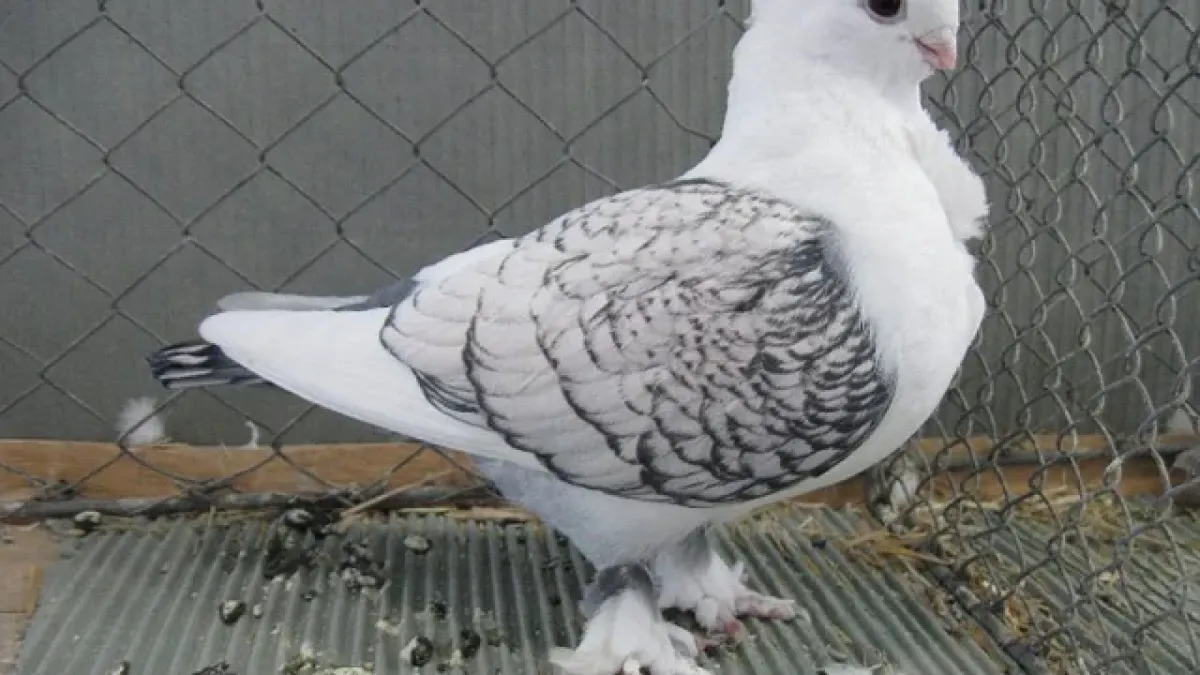
Racing pigeons are prized for their speed, endurance, and intelligence, making them a favorite among enthusiasts worldwide. Selecting the right breed and understanding key traits can significantly improve your chances of success in competitions. This guide covers top breeds and essential tips for identifying winning birds.
Introduction to Racing Pigeon Breeds
Racing pigeons have been bred for centuries to excel in long-distance flights, with various breeds developed for specific climates and race types. Understanding these breeds helps fanciers make informed choices based on their goals and environment. This section provides an overview of why breed selection matters and how it impacts performance.
History and Evolution of Racing Pigeons
The history of racing pigeons dates back to ancient times, with origins in regions like Belgium and the Middle East, where they were used for communication. Over the years, selective breeding has enhanced traits like homing instinct and stamina, leading to specialized breeds. Modern racing pigeons are the result of crossbreeding efforts aimed at improving speed and adaptability to different racing conditions.
Key developments include the introduction of breeds like the Homer, which set the standard for racing pigeons worldwide. Breeders have focused on genetic traits that promote better navigation and resistance to diseases, ensuring birds can handle the demands of competitive racing. Understanding this evolution helps appreciate why certain breeds dominate the sport today.
Why Breed Selection Matters in Racing
Choosing the right breed is crucial because it determines a pigeon's inherent abilities, such as flight speed, endurance, and homing accuracy. Different breeds excel in various conditions; for instance, some are better suited for short sprints, while others thrive in long-distance races. A well-chosen breed can reduce training time and increase the likelihood of consistent wins.
Factors like climate and race type influence breed suitability; birds from colder regions may have thicker feathers for insulation, affecting their performance in warmer areas. By selecting breeds known for their proven track records, fanciers can build a competitive loft. This approach minimizes risks and maximizes returns on investment in the sport.
Top Racing Pigeon Breeds for Competitions
Several breeds stand out in the racing pigeon world due to their exceptional performance and popularity among top competitors. This section highlights the most renowned breeds, detailing their characteristics and why they are favored. From the classic Homer to specialized varieties, each breed offers unique advantages for different racing scenarios.
Belgian Homer: The Classic Champion
The Belgian Homer is often considered the gold standard in racing pigeons, known for its strong homing instinct and remarkable endurance. Originating from Belgium, this breed has been refined over generations to excel in middle to long-distance races, making it a top choice for serious racers. Its robust build and keen intelligence allow it to navigate challenging routes with precision.
Characteristics include a medium-sized body, broad chest, and powerful wings that enable sustained flight. Belgian Homers are highly trainable and adapt well to various weather conditions, though they perform best in temperate climates. Their consistent performance in international competitions has solidified their reputation as a reliable breed for winning races.
When selecting a Belgian Homer, look for birds with a balanced posture and clear, alert eyes, as these traits often indicate good health and strong genetic lines. Breeding pairs should come from proven winners to enhance the chances of producing top-tier racers. This breed's versatility makes it suitable for both novice and experienced fanciers.
Racing Homer: Versatile and Reliable
The Racing Homer is a versatile breed derived from the Belgian Homer, bred for enhanced speed and adaptability across different race distances. It is widely used in clubs and federations due to its consistent performance and ease of training. This breed excels in sprint races but can also handle longer events with proper conditioning.
Key features include a sleek body, long wings, and a strong homing ability that allows it to return quickly from unfamiliar locations. Racing Homers are known for their resilience and ability to recover fast after flights, making them ideal for frequent competitions. They thrive in lofts with regular exercise and a balanced diet.
To maximize their potential, focus on training that builds stamina and navigation skills, such as gradual distance increases and obstacle simulations. Their friendly nature makes them easy to handle, which is beneficial for bonding and reducing stress during races. Overall, the Racing Homer is a dependable choice for those seeking a well-rounded competitor.
Sprint and Long-Distance Specialists
Beyond the Homers, breeds like the Smerle and Tippler are specialized for specific race types, offering advantages in particular scenarios. Smerles are known for their explosive speed in short-distance sprints, often dominating races under 100 kilometers. Their compact size and agile flight make them hard to beat in quick competitions.
In contrast, long-distance specialists such as the English Carrier have been bred for endurance, capable of flying hundreds of kilometers without fatigue. These birds typically have larger bodies and stronger wings, allowing them to conserve energy over extended periods. They excel in events like marathon races where stamina is more critical than sheer speed.
Choosing between sprint and long-distance breeds depends on your racing goals; if you participate in local club races, a Smerle might be ideal, while long-distance breeds suit federation-level events. Consider the race calendar and distances in your area to select breeds that align with your objectives. Mixing breeds in a loft can provide versatility for different competition types.
Key Characteristics of Winning Racing Pigeons
Identifying a winning pigeon goes beyond breed selection; it involves assessing physical, mental, and health traits that contribute to peak performance. This section delves into the essential characteristics to look for, from body structure to behavioral indicators. By understanding these factors, fanciers can make smarter choices when buying or breeding birds.
Physical Traits for Optimal Performance
Physical attributes play a vital role in a pigeon's racing ability, with features like wing shape, muscle development, and body balance being critical. Ideal racing pigeons have long, broad wings that provide lift and efficiency in flight, reducing energy expenditure. A well-muscled breast indicates strong power for sustained speed, while a streamlined body minimizes air resistance.
Other important traits include strong legs and feet for stable landings, and bright, clear eyes that suggest good health and alertness. The feather quality should be smooth and dense to protect against weather elements during flights. Regular health checks can ensure these physical traits are maintained, as issues like feather mites or injuries can impair performance.
When evaluating birds, handle them to feel for firm muscles and check for symmetry in wing alignment. Birds with asymmetrical features may have underlying health problems. Prioritize pigeons that exhibit these physical traits consistently, as they are more likely to endure the rigors of training and competition.
Behavioral and Mental Indicators
Behavioral traits are equally important, as they reflect a pigeon's intelligence, confidence, and homing instinct. Winning pigeons often show curiosity and adaptability, quickly learning loft routines and navigation cues. They tend to be calm under pressure, which helps them stay focused during races without panicking in unfamiliar environments.
Signs of a strong homing instinct include eager returns to the loft after training flights and the ability to orient themselves quickly. Birds that exhibit territorial behavior or strong bonding with their home are more motivated to return swiftly. Observing how pigeons interact with others in the loft can reveal dominance or cooperative traits that affect race dynamics.
Training can enhance these behaviors; for example, regular homing exercises strengthen the innate desire to return. Avoid birds that seem lethargic or easily stressed, as they may underperform in competitions. By selecting pigeons with positive behavioral indicators, fanciers improve their chances of consistent wins.
Breeding and Genetics for Superior Racing Pigeons
Breeding is a cornerstone of success in pigeon racing, as it allows fanciers to develop lines with enhanced traits over generations. This section covers the basics of selective breeding, genetic considerations, and how to maintain healthy bloodlines. A strategic approach to breeding can produce birds that excel in speed, endurance, and overall health.
Selective Breeding Techniques
Selective breeding involves choosing parent birds with desirable traits, such as proven race records, strong physical attributes, and good temperament. Start by keeping detailed records of each bird's performance, health, and pedigree to identify the best candidates for mating. Pairing birds from complementary lines can introduce genetic diversity while reinforcing key characteristics.
Techniques like line breeding or outcrossing help maintain or improve traits; line breeding focuses on closely related birds to solidify specific qualities, while outcrossing introduces new genes to avoid inbreeding depression. It's essential to monitor offspring for consistency in desired traits and cull those that do not meet standards. This process requires patience and regular evaluation over multiple generations.
Common mistakes include breeding based solely on appearance without considering performance history, which can lead to weaker lines. Use tools like breeding logs and genetic testing if available to make informed decisions. Over time, selective breeding builds a loft of high-quality pigeons tailored to your racing goals.
Genetic Traits and Health Considerations
Genetics influence not only performance traits but also susceptibility to diseases and overall vitality. Key genetic factors include homing ability, which is often hereditary, and resistance to common ailments like respiratory infections. Breeding from healthy, disease-free stock reduces the risk of genetic disorders and ensures stronger offspring.
Focus on traits like immune system strength and adaptability to environmental stresses, as these contribute to longevity and consistent performance. Avoid breeding birds with known genetic defects, such as weak bones or poor vision, which can compromise racing ability. Regular health screenings and vaccinations help maintain genetic integrity in your loft.
Incorporating new bloodlines periodically can enhance genetic diversity and prevent issues like reduced fertility. Work with reputable breeders or clubs to access quality genetics and share knowledge. By prioritizing genetic health, fanciers create a sustainable breeding program that produces champions year after year.
Training and Conditioning for Race Readiness
Training is essential to prepare pigeons for the demands of racing, focusing on building stamina, navigation skills, and mental toughness. This section outlines effective training methods, conditioning routines, and how to avoid common pitfalls. A well-structured training program can transform a good pigeon into a great competitor.
Building Stamina and Endurance
Stamina training involves gradually increasing flight distances and durations to build the pigeon's cardiovascular and muscular strength. Start with short, daily flights around the loft and progressively extend to longer routes, simulating race conditions. Incorporate rest days to allow for recovery and prevent overtraining, which can lead to injuries or burnout.
Methods like road training, where birds are released from varying distances, help develop homing instincts and endurance. Use landmarks and consistent release points to reinforce navigation skills. Monitoring the pigeon's condition through weight checks and behavior observations ensures they are not overexerted.
Key exercises include:
- Short sprints for speed development
- Long-distance flights for endurance building
- Altitude training to adapt to different weather conditions
Navigation and Homing Skills Development
Navigation training enhances the pigeon's innate homing ability, crucial for finding their way back quickly in races. Expose birds to diverse environments by releasing them from unfamiliar locations, starting with short distances and increasing as they gain confidence. Use visual cues like the sun or magnetic fields, though pigeons primarily rely on their natural compass sense.
Techniques such as toss training, where groups of pigeons are released together, encourage social learning and faster returns. Avoid overtraining in poor weather, as it can disorient birds and reduce motivation. Reward successful returns with treats or rest to reinforce positive behavior.
Common challenges include birds getting lost due to stress or inadequate training; minimize this by ensuring they are healthy and well-fed before releases. Regular practice builds a strong mental map, making pigeons more reliable in competitions. With dedicated navigation training, fanciers can significantly improve their birds' performance.
Selecting and Evaluating Racing Pigeons
Choosing the right pigeons for your loft involves a thorough evaluation process, from initial selection to ongoing assessments. This section provides practical tips on what to look for when buying birds, how to judge their potential, and ways to track progress. Making informed selections increases the likelihood of building a winning team.
What to Look for When Buying Pigeons
When purchasing racing pigeons, prioritize birds from reputable breeders with proven race records and healthy pedigrees. Inspect physical traits like wing span, muscle tone, and feather condition to ensure they meet standards for racing. Ask for documentation of past performances, health history, and breeding lines to verify quality.
Behavioral assessments are also important; observe how the bird interacts with handlers and other pigeons. A confident, alert bird is more likely to adapt well to new environments. Avoid birds that show signs of illness, such as lethargy or respiratory issues, as these can affect long-term performance.
Consider the age and experience of the pigeon; younger birds may have more potential but require more training, while older ones might offer immediate competitiveness. Set a budget and focus on quality over quantity, investing in a few high-potential birds rather than many average ones. This approach builds a strong foundation for your loft.
Ongoing Evaluation and Performance Tracking
Regular evaluation helps identify strengths and weaknesses in your pigeons, allowing for adjustments in training or breeding. Keep a log of each bird's race results, training progress, and health metrics, such as weight and recovery times. Use this data to spot trends and make decisions on which birds to prioritize for competitions.
Tools like timing systems and loft management software can automate tracking and provide insights into performance patterns. Assess birds after each race for signs of fatigue or injury, and provide appropriate care to maintain their condition. Rotate pigeons in and out of races to prevent burnout and ensure peak performance when it matters most.
Key metrics to monitor include:
- Race times and consistency
- Recovery speed after flights
- Health indicators like appetite and activity levels
Conclusion
In summary, success in racing pigeon competitions hinges on selecting the right breeds, understanding key characteristics, and implementing effective breeding and training practices. By focusing on proven breeds like the Belgian Homer and paying attention to physical and behavioral traits, fanciers can identify and develop winning birds. Consistent evaluation and conditioning ensure pigeons are race-ready and capable of achieving top results. For expert guidance and tools to manage your loft, consider consulting Ghawy – Pigeon Manager for personalized support in your pigeon racing journey.