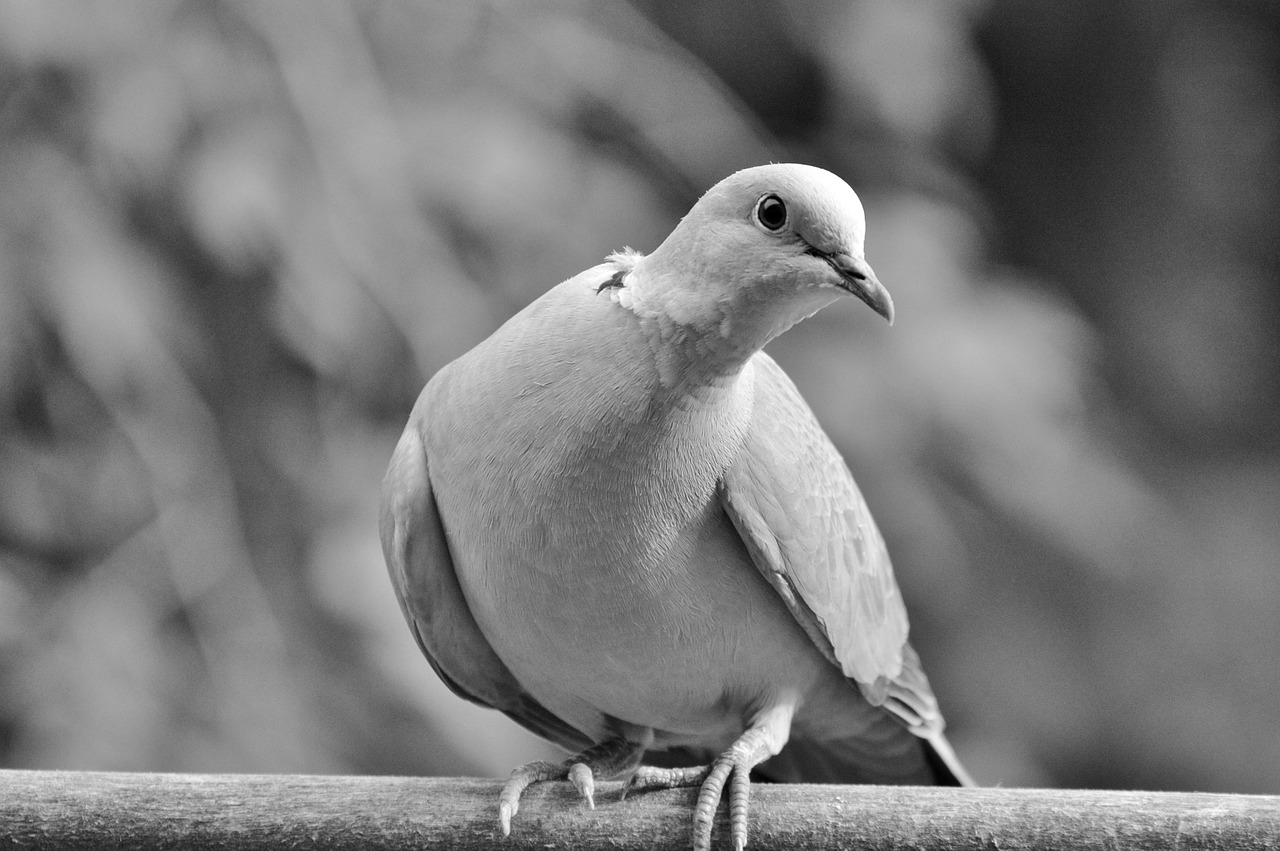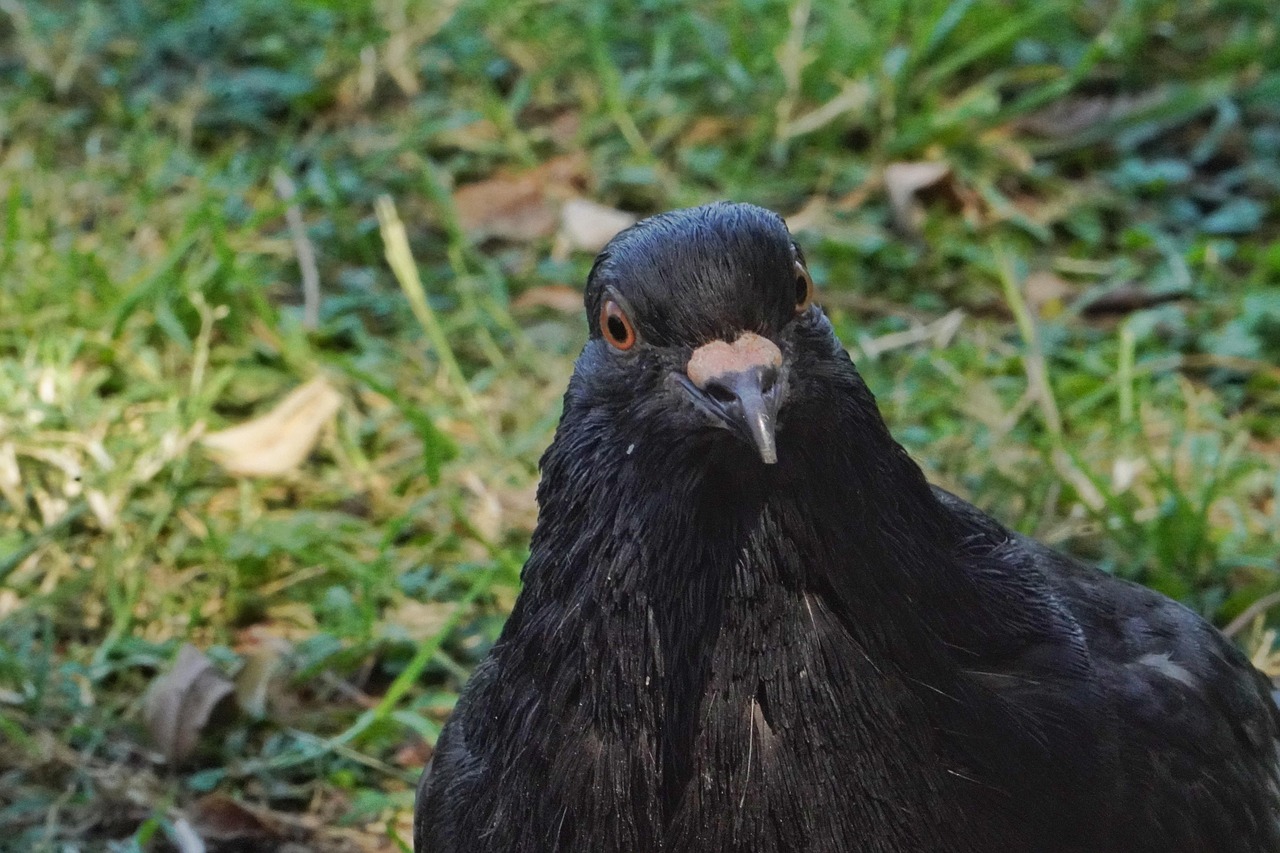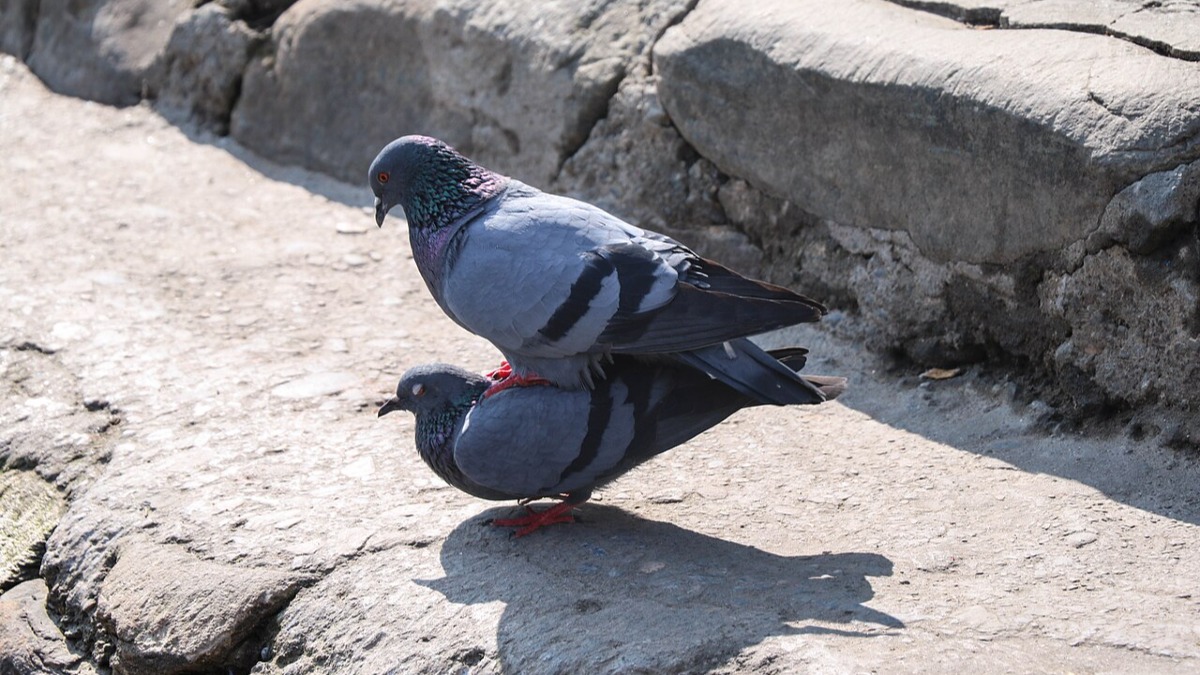
Raising young pigeons requires careful attention to their needs to ensure high survival rates and healthy growth. This guide covers key strategies for feeding, housing, health management, and more, helping both beginners and experienced breeders succeed in pigeon rearing. By following these tips, you can improve the well-being of your flock and achieve better outcomes in your pigeon breeding efforts.
Proper Feeding Techniques for Young Pigeons
Feeding young pigeons correctly is crucial for their development and survival. In the first few weeks, they rely heavily on crop milk from their parents or hand-feeding if necessary. As they grow, transitioning to solid foods like grains and seeds ensures they receive balanced nutrition. This section explores the best practices for feeding at different stages to support strong growth and health.
Understanding Crop Milk and Early Nutrition
Crop milk is a nutrient-rich secretion produced by parent pigeons to feed their squabs in the initial days after hatching. It is high in proteins, fats, and antibodies, which are essential for building immunity and promoting rapid growth. Breeders should monitor that both parents are actively feeding the young, as inadequate feeding can lead to malnutrition or death. If parents are unable to provide enough crop milk, hand-rearing with commercial pigeon milk substitutes may be necessary, but this requires careful preparation to avoid digestive issues.
To ensure optimal nutrition, observe the squabs for signs of fullness, such as a rounded crop, and feed them small amounts multiple times a day. Avoid overfeeding, as it can cause crop stasis or infections. Gradually, as the pigeons reach about two weeks of age, introduce softened grains or starter feeds to wean them off crop milk. This transition should be slow to prevent stress, and always provide fresh water to aid digestion. Consistency in feeding schedules helps young pigeons develop healthy eating habits and reduces mortality risks.
Transitioning to Solid Foods and Balanced Diets
As young pigeons grow, they need a varied diet to meet their nutritional requirements for feathers, bones, and overall health. Start by offering small, easy-to-digest grains like millet, corn, and peas, which are rich in carbohydrates and proteins. Mix these with commercial pigeon pellets that contain vitamins and minerals to prevent deficiencies. It is important to crush or soak hard grains initially to make them easier for young birds to consume, reducing the risk of choking or indigestion.
Monitor their intake and adjust portions based on activity levels and growth rates; underfed pigeons may show stunted growth, while overfeeding can lead to obesity. Include supplements like grit for digestion and calcium for bone development, but avoid excessive amounts that could harm them. A balanced diet not only supports physical development but also strengthens the immune system, making pigeons less susceptible to diseases. Regularly clean feeding dishes to prevent contamination and ensure food is always fresh to encourage healthy eating behaviors.
Ideal Housing and Environment for Young Pigeons
Creating a safe and comfortable living space is vital for the survival of young pigeons. The loft should protect them from predators, harsh weather, and diseases while providing enough space for movement and social interaction. Proper ventilation, cleanliness, and temperature control are key factors that influence their health and growth. This section details how to set up and maintain an optimal environment for raising pigeons successfully.
Designing a Safe and Spacious Loft
A well-designed loft is essential for young pigeons to thrive, as it serves as their shelter and breeding ground. Ensure the loft is spacious enough to prevent overcrowding, which can lead to stress, aggression, and the spread of illnesses. Use materials like wood or metal that are durable and easy to clean, with smooth surfaces to avoid injuries. Include perches at varying heights to encourage exercise and natural behaviors, and provide nesting boxes that are dark and quiet to make squabs feel secure.
Protect the loft from predators such as cats or rats by installing secure locks and mesh wiring. Additionally, position the loft in a location with good sunlight exposure but shaded areas to regulate temperature. Proper drainage is crucial to keep the floor dry and prevent dampness, which can cause respiratory problems. Regularly inspect the structure for damages and make repairs promptly to maintain a hazard-free environment. A safe loft not only reduces mortality but also promotes better breeding outcomes and overall flock health.
Maintaining Cleanliness and Optimal Conditions
Cleanliness in the pigeon loft is non-negotiable for preventing diseases and ensuring high survival rates. Remove droppings, leftover food, and wet bedding daily to minimize the risk of bacterial and fungal infections. Disinfect the loft weekly using bird-safe products, focusing on corners and nesting areas where pathogens can accumulate. Good ventilation is key to reducing ammonia levels from waste, which can harm the respiratory systems of young pigeons.
Maintain a stable temperature between 20-25°C (68-77°F) for squabs, as they are sensitive to cold and heat fluctuations. Use heaters or fans if needed, but avoid direct drafts that could cause chills. Humidity should be kept low to prevent mold growth, and fresh water must always be available. Regularly check for pests like mites or lice and treat infestations immediately. By upholding high hygiene standards, breeders can create a healthy environment that supports rapid growth and reduces the likelihood of illness-related deaths.
Health Management and Disease Prevention
Keeping young pigeons healthy involves proactive measures to prevent common diseases and address health issues early. Regular monitoring, vaccinations, and proper nutrition play significant roles in boosting immunity and survival. This section covers essential health practices, from identifying symptoms to implementing preventive care, to help breeders maintain a robust pigeon flock.
Common Health Issues and Early Detection
Young pigeons are prone to various health problems, such as respiratory infections, parasitic infestations, and nutritional deficiencies. Watch for signs like lethargy, labored breathing, diarrhea, or ruffled feathers, which may indicate illness. Respiratory issues often stem from poor ventilation or damp conditions, while parasites like worms or mites can weaken birds if not treated promptly. Early detection through daily observations allows for quick intervention, reducing the risk of spread to other pigeons.
Isolate sick birds immediately to prevent contagion and consult a veterinarian for accurate diagnosis and treatment. Common treatments include antibiotics for infections or antiparasitic medications, but always follow dosage instructions to avoid side effects. Keep a health log to track symptoms and treatments, helping identify patterns or recurring issues. By staying vigilant, breeders can address problems before they become severe, ensuring higher survival rates and a healthier overall flock.
Preventive Care and Vaccination Strategies
Prevention is better than cure when it comes to pigeon health, and vaccinations are a key part of this approach. Vaccinate young pigeons against common diseases like pigeon pox or paramyxovirus according to a schedule recommended by experts. Additionally, provide a balanced diet rich in vitamins A, D, and E to strengthen their immune systems. Regular deworming and parasite control should be part of the routine, especially in crowded lofts.
Implement biosecurity measures such as quarantining new birds before introducing them to the flock and limiting visitor access to the loft. Clean and disinfect equipment regularly, and avoid sharing tools between different groups of pigeons. Encourage natural behaviors like flying and socializing to reduce stress, which can compromise immunity. By combining vaccinations with good management practices, breeders can significantly lower disease incidence and improve the long-term survival of their young pigeons.
Behavioral and Social Aspects of Pigeon Rearing
Understanding pigeon behavior and social dynamics is essential for reducing stress and promoting healthy development in young birds. Pigeons are social animals that thrive in groups, but improper handling or isolation can lead to behavioral issues. This section discusses how to foster positive interactions and manage behaviors to enhance survival and well-being.
Socialization and Flock Integration
Socialization begins early for young pigeons, as they learn from their parents and flock mates. Allow squabs to interact with other pigeons in a controlled environment to develop social skills and reduce aggression. Introduce them gradually to the main flock after weaning to prevent bullying or stress-related problems. Observing their interactions helps identify dominant or submissive birds, allowing for adjustments in group dynamics if needed.
Provide ample space and resources like multiple feeding stations to minimize competition. Positive socialization not only improves mental health but also encourages natural behaviors like preening and cooing, which strengthen bonds. Avoid sudden changes in the flock composition, as this can cause anxiety and lead to health issues. By promoting a harmonious social environment, breeders can ensure that young pigeons grow into well-adjusted adults with higher survival rates.
Handling and Reducing Stress in Young Pigeons
Proper handling is crucial to minimize stress in young pigeons, which can negatively impact their growth and immunity. Handle them gently and infrequently, especially in the first few weeks, to avoid causing fear or injury. Use calm, slow movements and support their bodies fully to make them feel secure. Excessive handling can lead to stress-induced behaviors like feather plucking or reduced feeding, so limit interactions to necessary tasks like health checks.
Create a low-stress environment by maintaining consistent routines for feeding and cleaning, and avoid loud noises or sudden disturbances. Provide hiding spots in the loft where pigeons can retreat if frightened. Monitoring their behavior for signs of stress, such as pacing or vocalizing excessively, allows for timely interventions. By reducing stress, breeders can support better health outcomes and increase the likelihood of survival for young pigeons.
Breeding Strategies for Higher Survival Rates
Effective breeding practices are fundamental to increasing the survival rates of young pigeons. Selecting healthy parents, timing breeding cycles, and managing nests properly can lead to stronger offspring. This section explores advanced techniques and considerations for successful pigeon breeding.
Selecting and Pairing Breeding Pigeons
Choosing the right breeding pairs is the first step toward producing healthy squabs. Select pigeons that are free from genetic disorders, have good temperaments, and show strong physical traits like robust body condition and bright eyes. Avoid inbreeding by diversifying the gene pool, which reduces the risk of hereditary diseases. Pair birds based on compatibility, observing their interactions to ensure they bond well and care for their young cooperatively.
Provide a balanced diet rich in proteins and calcium to breeding pairs before and during the breeding season to enhance fertility and egg quality. Monitor nesting behaviors and ensure pairs have private, comfortable spaces to lay eggs. By selecting optimal breeders, you increase the chances of hatching vigorous squabs that are more likely to survive and thrive in their early stages.
Nest Management and Egg Care
Proper nest management is essential for the survival of pigeon eggs and newly hatched squabs. Use clean, dry nesting materials like straw or wood shavings to provide insulation and comfort. Check nests regularly for eggs, ensuring they are not cracked or abandoned, and maintain a stable temperature to support embryonic development. Rotate eggs gently if needed to prevent sticking, but avoid excessive handling that could damage them.
After hatching, keep the nest clean and free from parasites to protect the vulnerable squabs. Ensure both parents are involved in feeding and warming the young, and intervene only if necessary. By managing nests effectively, breeders can reduce egg loss and improve the survival rates of hatchlings, leading to a more successful breeding program.
Conclusion
Raising young pigeons successfully hinges on proper feeding, housing, health care, and behavioral management. By implementing these strategies, breeders can significantly boost survival rates and foster a thriving flock. For expert guidance and tools to streamline your pigeon rearing, consider using Ghawy – Pigeon Manager (غاوي – إدارة الحمام) to enhance your efforts and achieve better results.