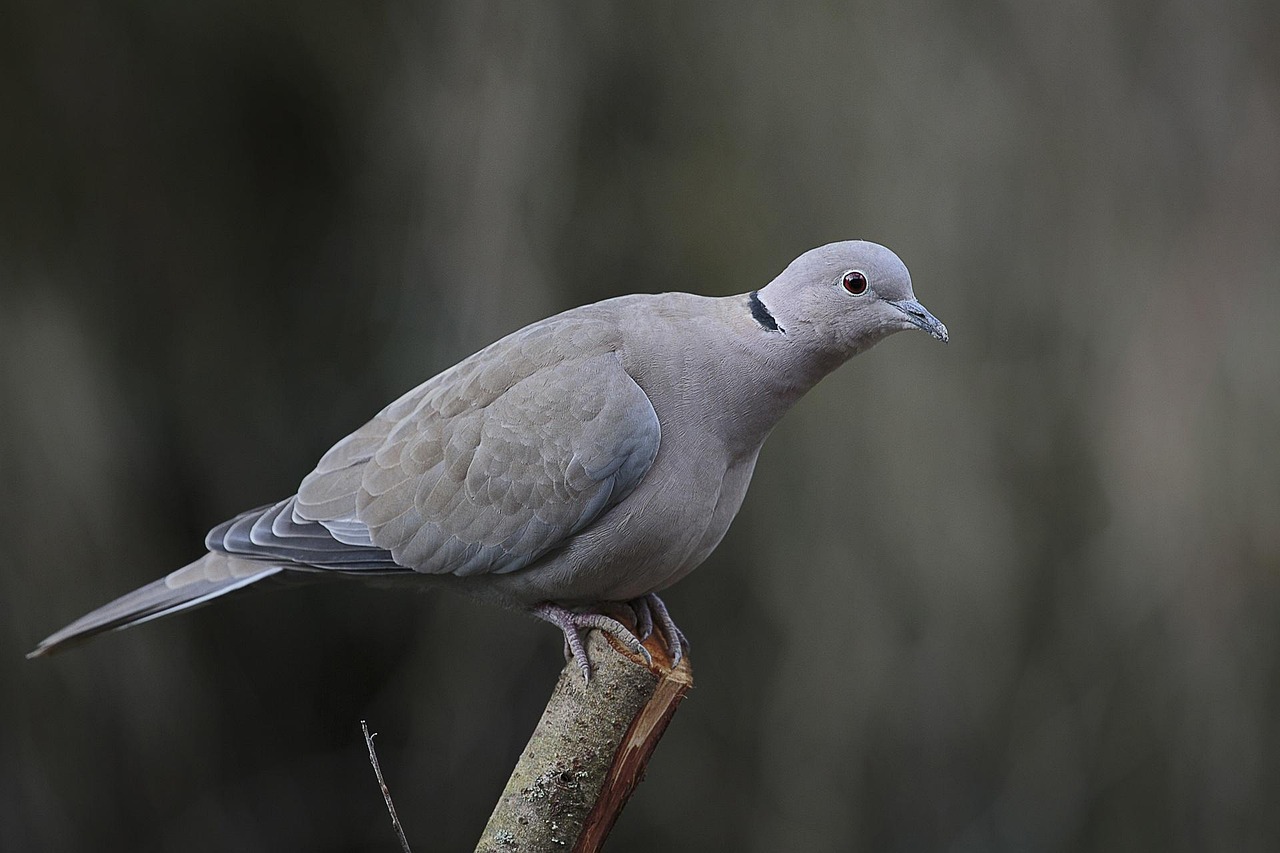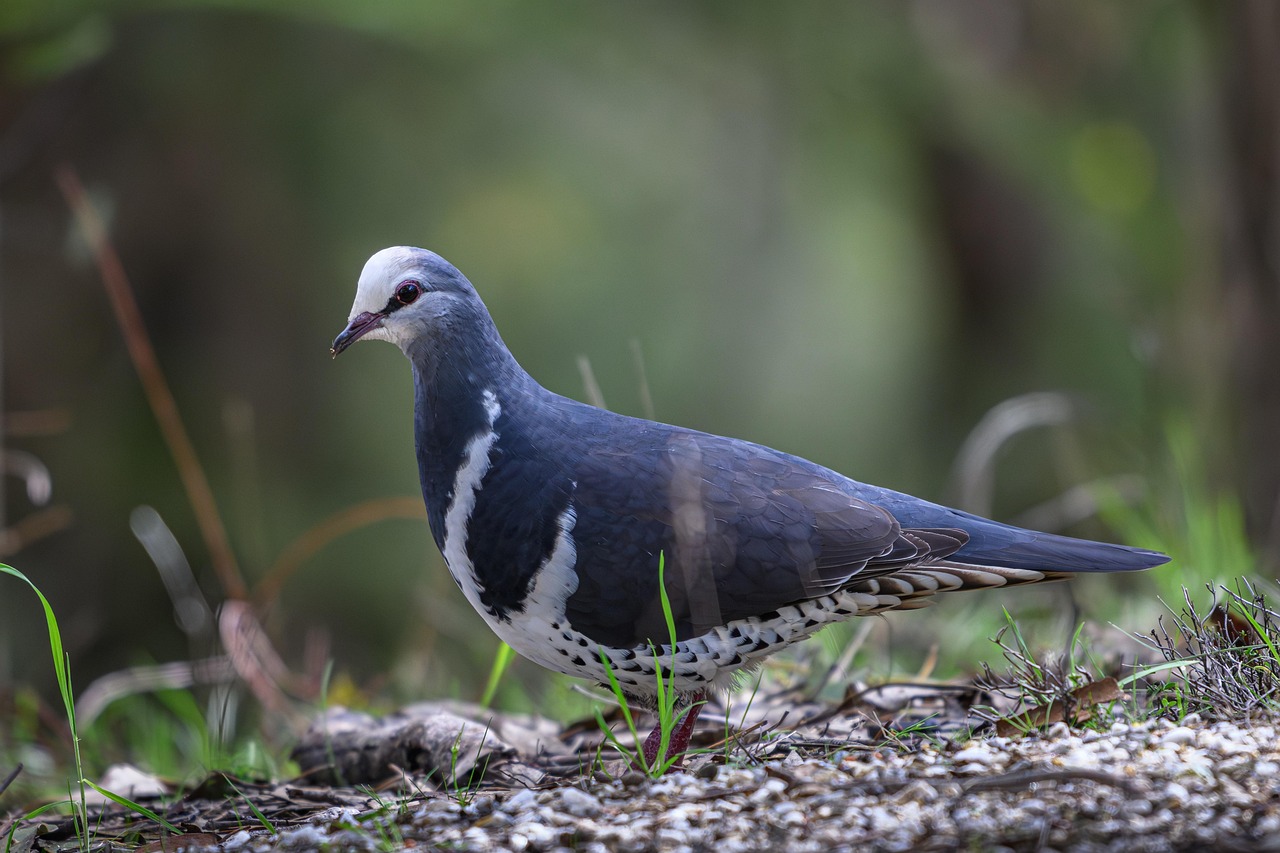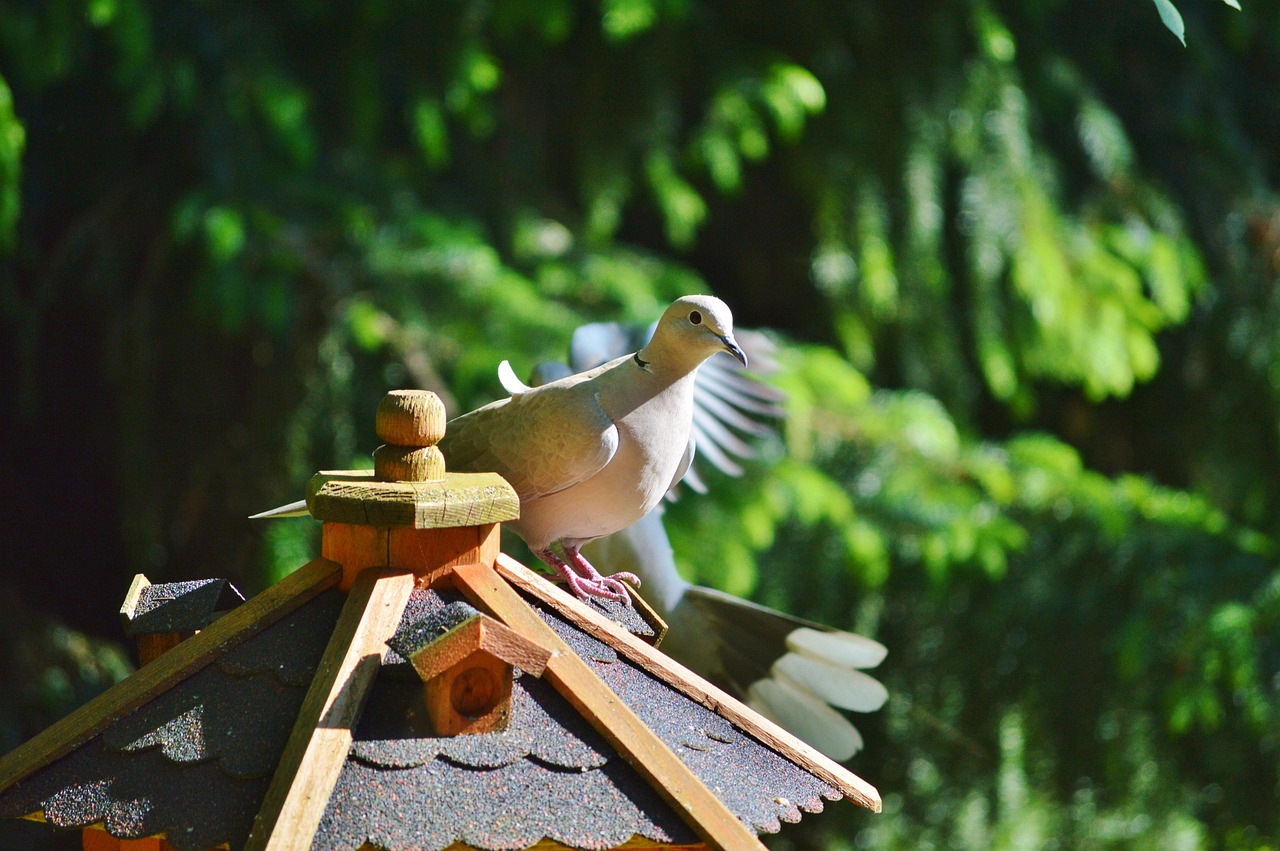
For pigeon enthusiasts, presenting rare breeds in their full glory is an art form that demands precision and passion. The right equipment transforms a simple display into a captivating showcase, highlighting every intricate feather and unique characteristic. This guide delves into the essential gear for exhibition and photography, ensuring your prized pigeons shine in any setting.
Mastering the Show Cage Setup for Optimal Presentation
A well-designed show cage setup is the foundation of any successful pigeon exhibition, providing a secure and aesthetically pleasing environment that enhances the bird's natural beauty. It serves not only as a display platform but also as a tool to manage stress and encourage natural behavior, making the pigeon appear more vibrant and engaging to judges and spectators alike. Investing in quality materials and thoughtful design can significantly impact how your rare breed is perceived, turning a good presentation into an award-winning one.
Choosing the Right Cage Design and Materials
Selecting the perfect cage involves balancing functionality with visual appeal, ensuring it complements rather than distracts from your pigeon. Opt for cages made from durable, non-toxic materials like stainless steel or powder-coated wire, which offer longevity and safety while maintaining a clean, professional look. The size should allow the pigeon to move comfortably without appearing cramped, typically ranging from 18 to 24 inches in length for most breeds, with adequate height for perching. Consider features such as removable trays for easy cleaning, secure latches to prevent escapes, and smooth edges to protect delicate feathers, all contributing to a stress-free experience for your bird.
Beyond basic construction, aesthetic details like color and finish play a crucial role in enhancing your pigeon's appearance. Neutral tones such as white, black, or metallic shades tend to work best, as they provide a subtle backdrop that makes colorful plumage stand out without overwhelming the viewer. For rare breeds with unique markings, a contrasting background can accentuate specific features, so experiment with different hues during practice setups. Additionally, incorporate natural elements like wooden perches or faux foliage to create a more organic feel, but ensure they are sanitized and non-toxic to maintain health standards in competitive environments.
Strategic Placement and Accessibility in Exhibitions
Positioning your show cage setup within an exhibition hall requires careful planning to maximize visibility and engagement while ensuring your pigeon remains calm and focused. Place the cage at eye level for most viewers, typically around 4 to 5 feet high, to facilitate easy observation without causing strain. Avoid high-traffic areas where excessive noise or movement might startle the bird, instead opting for spots with moderate foot traffic that allow for sustained attention. Lighting should be considered in conjunction with placement, as natural or artificial sources can affect how colors and textures are perceived, so test different angles during setup rehearsals.
Accessibility is key for both judges and enthusiasts who wish to appreciate your rare breed up close. Ensure the cage allows unobstructed views from multiple angles, with clear signage that includes the breed's name, origin, and unique traits to educate viewers. For larger exhibitions, consider using tiered displays or rotating platforms to showcase pigeons from all sides, but always prioritize safety by securing mechanisms to prevent accidents. Regularly monitor your pigeon's behavior during events, adjusting placement if signs of stress appear, as a comfortable bird will always present better than one under duress.
- Use adjustable stands to fine-tune height and angle based on venue layout.
- Incorporate barriers or ropes to maintain a respectful distance while allowing clear sightlines.
- Practice setup in various environments to anticipate challenges before show day.
Optimizing Lighting for Pigeons to Enhance Visual Appeal
Lighting for pigeons is a critical element in both photography and live displays, as it directly influences how colors, textures, and forms are perceived by the human eye. Proper illumination can accentuate the iridescence of feathers, highlight subtle markings, and create depth that makes rare breeds appear more dynamic and alive. Whether in a show ring or a studio setting, understanding light quality, direction, and temperature will elevate your presentation from ordinary to extraordinary, capturing the essence of your pigeon's rarity.
Natural vs. Artificial Light Sources for Different Settings
Natural light offers a soft, diffused quality that often brings out the truest colors in pigeon plumage, making it ideal for outdoor exhibitions or photography sessions during golden hour. However, it can be unpredictable due to weather changes and time of day, so supplement with reflectors or shades to control intensity and shadows. For indoor events, artificial lighting provides consistency and customization, with LED panels or fluorescent bulbs offering energy-efficient options that minimize heat and glare. Aim for a color temperature around 5000-5500 Kelvin, which mimics daylight and reduces color distortion, ensuring your pigeon's hues are rendered accurately without appearing washed out or overly saturated.
When using artificial sources, position lights at multiple angles to avoid harsh shadows that can obscure details, such as placing a key light at 45 degrees to the cage and fill lights on opposite sides. For photography, consider continuous lighting setups that allow real-time adjustments, or use strobes with softboxes for controlled bursts that freeze motion without startling the bird. Test different configurations with your specific breed, as rare pigeons may have unique reflective properties that require tailored approaches, and always prioritize the bird's comfort by avoiding direct beams that cause discomfort or stress.
Advanced Techniques for Highlighting Rare Features
To truly showcase the uniqueness of rare breeds, employ advanced lighting techniques that draw attention to specific attributes, such as feather patterns, eye color, or body structure. Use backlighting to create a halo effect around the pigeon, emphasizing silhouette and texture, or side lighting to enhance depth and dimension, making feathers appear more tactile. For breeds with metallic or iridescent plumage, like Archangels or Tumblers, incorporate polarized filters or adjustable dimmers to reduce glare while maximizing shine, capturing the subtle shifts in color that define their rarity.
Incorporate color gels or filters sparingly to add artistic flair, but ensure they complement rather than distort the pigeon's natural appearance, such as using blue tones to cool down warm environments or amber hues to enrich golden feathers. For video displays or live streams, dynamic lighting that changes gradually can create engaging visual interest, but maintain a steady base to keep the focus on the bird. Practice these techniques during training sessions to acclimate your pigeon to the setup, reducing anxiety and ensuring a poised presentation when it counts most.
- Experiment with light meters to measure intensity and avoid overexposure.
- Use diffusers or umbrellas to soften light and reduce harsh contrasts.
- Record lighting settings for consistency across multiple events or photo shoots.
Essential Photography Gear for Capturing Pigeon Elegance
Photographing rare pigeons requires specialized equipment that balances technical precision with an understanding of avian behavior, allowing you to freeze fleeting moments of beauty with clarity and artistry. From cameras and lenses to accessories that stabilize shots, the right gear ensures every detail is preserved for portfolios, competitions, or promotional materials. This section explores the must-have tools for amateur and professional photographers alike, helping you build a kit that delivers stunning results without compromising your pigeon's well-being.
Camera and Lens Selection for Detailed Shots
Choose a camera with high resolution and fast autofocus capabilities, such as a DSLR or mirrorless model, to capture sharp images even when pigeons are in motion. A resolution of 24 megapixels or higher is recommended for cropping and enlarging without loss of detail, essential for highlighting fine feather textures or intricate markings. Pair this with a versatile lens, like a 70-200mm zoom, which allows you to maintain a comfortable distance while filling the frame with your subject, reducing stress on the bird and minimizing distortion from wide-angle options.
For close-up shots that reveal the subtleties of rare breeds, invest in a macro lens with a focal length of 90mm or 100mm, enabling you to photograph eyes, beaks, and feather patterns with exceptional clarity. Consider lenses with image stabilization to counteract hand shake, especially in low-light conditions common at indoor exhibitions, and use aperture settings between f/2.8 and f/8 to control depth of field, blurring backgrounds to make your pigeon pop. Test different combinations during practice sessions to find the optimal setup for your specific breed, as larger pigeons may require wider angles, while smaller ones benefit from tighter framing.
Accessories for Stability and Creative Control
Stability is paramount in pigeon photography, as even slight movements can result in blurry images, so equip yourself with a sturdy tripod or monopod that allows quick adjustments. Look for models with flexible legs or ball heads to achieve low angles or overhead shots, mimicking perspectives that judges might use in shows. Supplement this with a remote shutter release or intervalometer to minimize camera shake during exposures, enabling you to capture natural behaviors without intrusion, such as preening or perching calmly.
Enhance creative control with accessories like reflectors to bounce light into shadowy areas, polarizing filters to reduce reflections on feathers or cages, and external flashes for fill lighting in dim environments. For action shots, such as pigeons in flight or during training, use high-speed sync flashes or continuous lighting setups to freeze motion without blur, and consider a gimbal for smooth panning if filming video. Always prioritize your pigeon's comfort by introducing gear gradually, allowing them to acclimate to sounds and movements, and never use equipment that causes distress or disrupts their natural demeanor.
- Carry extra batteries and memory cards to avoid missing critical shots.
- Use lens hoods to prevent lens flare and protect against accidental bumps.
- Invest in a camera bag with padded compartments for safe transport to events.
Integrating Display and Photography for Maximum Impact
Combining an effective show cage setup with professional photography creates a synergistic approach that amplifies the appeal of rare pigeons across both live and digital platforms. This integration allows enthusiasts to showcase their breeds in multifaceted ways, from winning ribbons at exhibitions to building online communities through stunning visuals. By aligning equipment choices and techniques, you can ensure consistency in how your pigeons are perceived, reinforcing their rarity and beauty in every context.
Coordinating Equipment for Seamless Transitions
Design your show cage setup with photography in mind, incorporating elements that enhance both live viewing and image capture, such as neutral backdrops that work well under various lighting conditions. Use modular cages that can be easily adapted for photo shoots, with removable panels or adjustable perches to create different compositions without stressing the bird. Coordinate lighting setups so that the same sources can be used for exhibitions and photography, reducing setup time and ensuring color consistency, which is crucial for breeds with specific hue requirements.
During events, schedule photography sessions during quieter periods to minimize distractions, using portable backdrops or pop-up studios that can be assembled quickly near your cage. Train your pigeon to remain calm during these transitions by incorporating camera sounds and flash simulations into regular handling routines, building confidence over time. Share behind-the-scenes content on social media or blogs to engage audiences with the process, highlighting how your equipment choices contribute to showcasing rarity, and gather feedback to refine your approach for future shows.
Leveraging Visuals for Promotion and Education
High-quality photographs and videos serve as powerful tools for promoting rare breeds, attracting potential buyers, or educating the public about conservation efforts. Use your integrated setup to produce portfolio-worthy images that highlight unique traits, such as genetic markers or historical significance, and pair them with informative captions that tell a story. For online platforms, optimize visuals for web use by resizing and compressing files without losing quality, ensuring fast loading times and clear displays on mobile devices.
Create educational materials like brochures or digital guides that feature your pigeons in their best light, using photos taken during exhibitions to demonstrate real-world presentation standards. Collaborate with other enthusiasts or organizations to host virtual showcases, streaming live from your setup with professional audio-visual equipment, and use lighting for pigeons to ensure broadcast quality. By consistently applying these integrated strategies, you not only elevate your own reputation but also contribute to the broader appreciation and preservation of rare pigeon breeds.
- Develop a style guide for visuals to maintain brand consistency across media.
- Use analytics to track engagement with photos and adjust techniques accordingly.
- Participate in online contests or forums to showcase your work and gain insights.
Conclusion
Mastering the art of showcasing rare pigeons requires a holistic approach that blends thoughtful show cage setups with precise lighting for pigeons and professional photography gear. By investing in quality equipment and honing your techniques, you can highlight the unique beauty of these breeds, whether in competitive rings or digital galleries. Remember, the goal is to create an environment where pigeons feel secure and vibrant, allowing their natural elegance to shine through. For those looking to streamline their management and presentation efforts, tools like Ghawy – Pigeon Manager (غاوي – إدارة الحمام) offer valuable support in organizing and optimizing your passion projects.