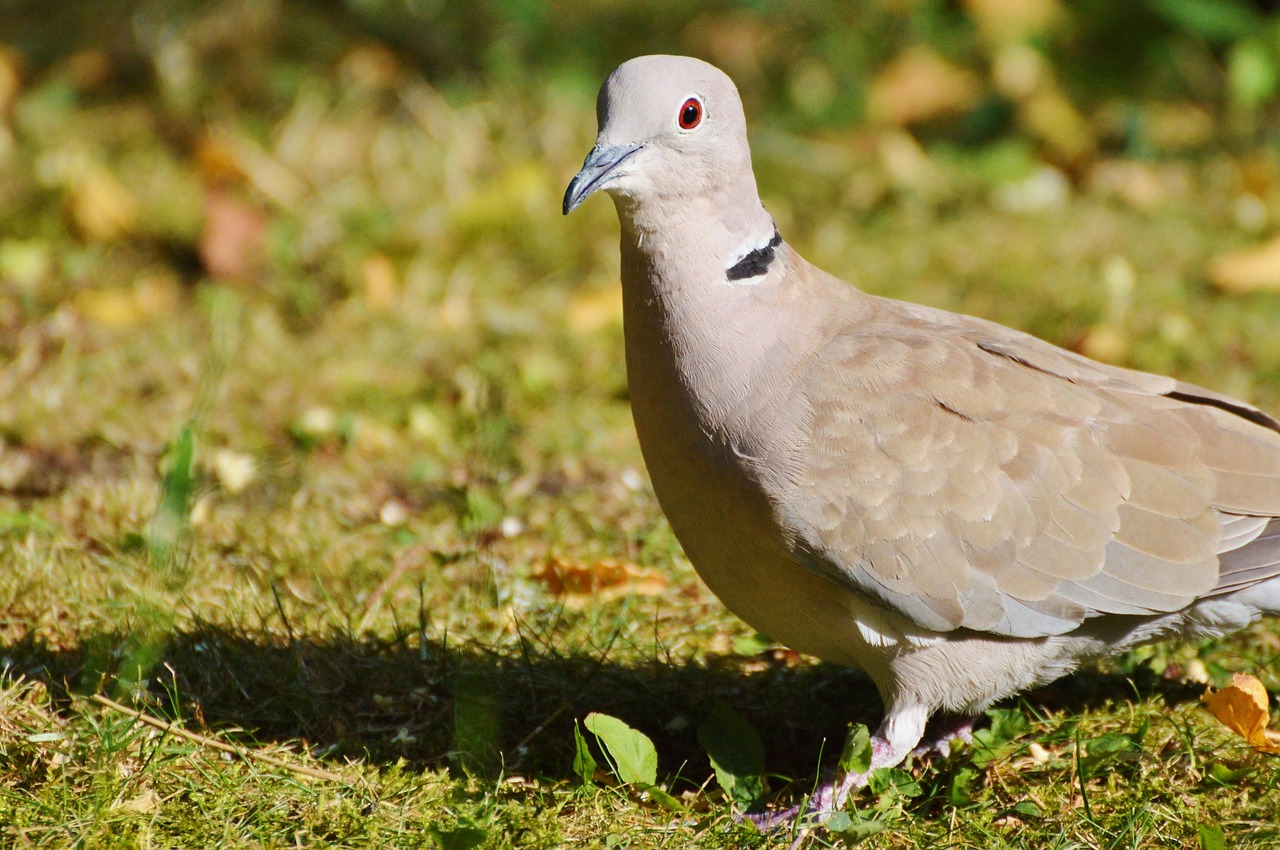
The Old German Owl pigeon, a breed celebrated for its elegance and distinctive appearance, has captivated enthusiasts worldwide, including in the Arab pigeon market. This article delves into the detailed standards of the Old German Owl, exploring its key characteristics and providing real-world examples from Arab breeders to help you understand and appreciate this remarkable show pigeon.
Understanding the Old German Owl Breed
The Old German Owl, known for its compact body and unique head shape, is a breed that originated in Germany and has gained popularity across the globe. Its standards are meticulously defined to ensure quality and consistency in shows, making it a favorite among pigeon fanciers who value precision and beauty.
Historical Background and Development
The breed's history dates back to the 19th century, where it was developed through selective breeding to enhance its ornamental features. In the Arab world, particularly in countries like Egypt and Saudi Arabia, the Old German Owl has been embraced by breeders who appreciate its aesthetic appeal and show potential. For instance, breeders in Cairo have successfully integrated these pigeons into local aviaries, focusing on maintaining pure bloodlines while adapting to regional climates.
This historical context is crucial for understanding how the breed's standards have evolved. Arab enthusiasts often study German breeding records to ensure their pigeons meet international criteria, leading to a thriving market where high-quality Old German Owls are traded at premium prices. By learning from this history, breeders can better appreciate the breed's nuances and contribute to its preservation.
Key Physical Characteristics
The Old German Owl is distinguished by several physical traits that define its standard. These include a short, broad body, a well-rounded head with a prominent forehead, and a short beak that complements its overall balance. In the Arab market, breeders prioritize these characteristics, with examples from Jordan showing pigeons that excel in body conformation, often winning accolades in local shows.
Additionally, the breed's feather quality and color patterns are essential aspects of its standard. Common colors include blue, black, and red, with specific markings required for show eligibility. Arab breeders, such as those in the UAE, have developed strains with vibrant hues that stand out in competitions, demonstrating how regional breeding practices can enhance these standards while adhering to global guidelines.
Detailed Show Pigeon Standards for the Old German Owl
Show pigeon standards for the Old German Owl are comprehensive, covering every aspect from head to tail. These standards ensure that each pigeon is judged fairly and consistently, promoting excellence in breeding and exhibition.
Head and Beak Standards
The head of an Old German Owl should be broad and rounded, with a smooth transition to the beak. The beak must be short and stout, ideally matching the head's proportions without appearing too long or thin. In the Arab market, breeders in Oman have set examples by breeding pigeons with perfectly shaped heads, using careful selection to avoid common faults like narrow skulls or elongated beaks.
Furthermore, the eyes and cere (the fleshy area above the beak) are critical components. The eyes should be bright and expressive, set wide apart, while the cere must be neat and well-defined. Arab enthusiasts, particularly in Qatar, emphasize these details in their breeding programs, resulting in pigeons that not only meet but often exceed standard expectations, making them highly sought after in regional auctions.
Body and Posture Requirements
A compact, well-muscled body is essential for the Old German Owl, with a posture that exudes confidence and balance. The back should be short and broad, leading to a tail that is carried slightly elevated. In examples from the Arab market, breeders in Bahrain have excelled in producing pigeons with ideal body structures, focusing on weight distribution and muscle tone to enhance show performance.
The wings and legs also play a significant role in the standards. Wings should be strong and close-fitting to the body, while legs must be of medium length and free from defects. Arab breeders, such as those in Kuwait, often use these criteria to evaluate their stock, ensuring that each pigeon can stand proudly in the show ring. This attention to detail has led to a reputation for quality in the Arab pigeon community.
Breeding and Care Practices in the Arab Market
Successful breeding of Old German Owls requires adherence to specific practices that align with show standards, and the Arab market has developed unique approaches to achieve this.
Selective Breeding Techniques
Selective breeding is key to maintaining and improving the Old German Owl's standards. Arab breeders, like those in Lebanon, use methods such as line breeding and outcrossing to enhance desirable traits while minimizing genetic flaws. For example, by pairing pigeons with superior head shapes, they can produce offspring that consistently meet show criteria, as seen in successful breeding programs across the region.
Additionally, health and vitality are prioritized in these techniques. Breeders in Syria focus on providing optimal nutrition and veterinary care to ensure their pigeons are not only aesthetically pleasing but also robust and long-lived. This holistic approach has resulted in a market where Old German Owls are known for their durability and show readiness, with examples of pigeons thriving in diverse Arab climates.
Housing and Management
Proper housing is crucial for the well-being of Old German Owls, especially in the Arab market where temperatures can vary. Aviaries should be spacious, well-ventilated, and protected from extreme weather. In Saudi Arabia, breeders have set examples by designing custom lofts that cater to the breed's needs, incorporating features like shaded areas and clean water sources to promote health.
- Ensure adequate space per pigeon to prevent overcrowding.
- Maintain a clean environment to reduce disease risk.
- Provide a balanced diet rich in grains and supplements.
Regular management practices, such as grooming and exercise, are also essential. Arab enthusiasts in Egypt often engage in daily routines that include flight training and feather maintenance, helping their pigeons stay in peak condition for shows. By following these practices, breeders can uphold the high standards expected of Old German Owls.
Examples from the Arab Pigeon Market
The Arab pigeon market offers numerous examples of how Old German Owl standards are applied and celebrated, providing insights for breeders and enthusiasts alike.
Notable Breeders and Their Success Stories
Several Arab breeders have gained recognition for their excellence with Old German Owls. In the UAE, a breeder known for producing champion pigeons has demonstrated how meticulous attention to standards can lead to success in international shows. Their pigeons, characterized by flawless conformation and vibrant colors, serve as benchmarks for others in the market.
Similarly, in Jordan, a family-run aviary has built a reputation for breeding Old German Owls that excel in local competitions. By focusing on genetic diversity and health, they have created a lineage that consistently meets show criteria, inspiring new breeders to adopt similar practices. These success stories highlight the potential for growth and innovation in the Arab pigeon community.
Market Trends and Pricing Insights
The demand for high-quality Old German Owls in the Arab market has led to specific trends and pricing structures. Pigeons that meet show standards often command higher prices, with examples from Qatar showing sales reaching thousands of dollars for top-tier specimens. This reflects the value placed on adherence to standards and the breed's popularity among collectors.
Moreover, trends indicate a growing interest in rare color variations and improved genetic lines. In Kuwait, breeders are investing in advanced breeding technologies to produce unique Old German Owls, driving market innovation. By staying informed about these trends, enthusiasts can make better decisions when purchasing or breeding pigeons, ensuring they contribute to the breed's ongoing excellence.
Conclusion
In summary, the Old German Owl pigeon stands out for its detailed standards and growing presence in the Arab market. By understanding its physical characteristics, show requirements, and breeding practices, enthusiasts can appreciate this breed's beauty and potential. Whether you're a seasoned breeder or a newcomer, focusing on these standards will help you succeed in the competitive world of pigeon showing. For expert guidance on managing your pigeons, consider using Ghawy – Pigeon Manager (غاوي – إدارة الحمام), a tool designed to streamline your breeding and care routines.