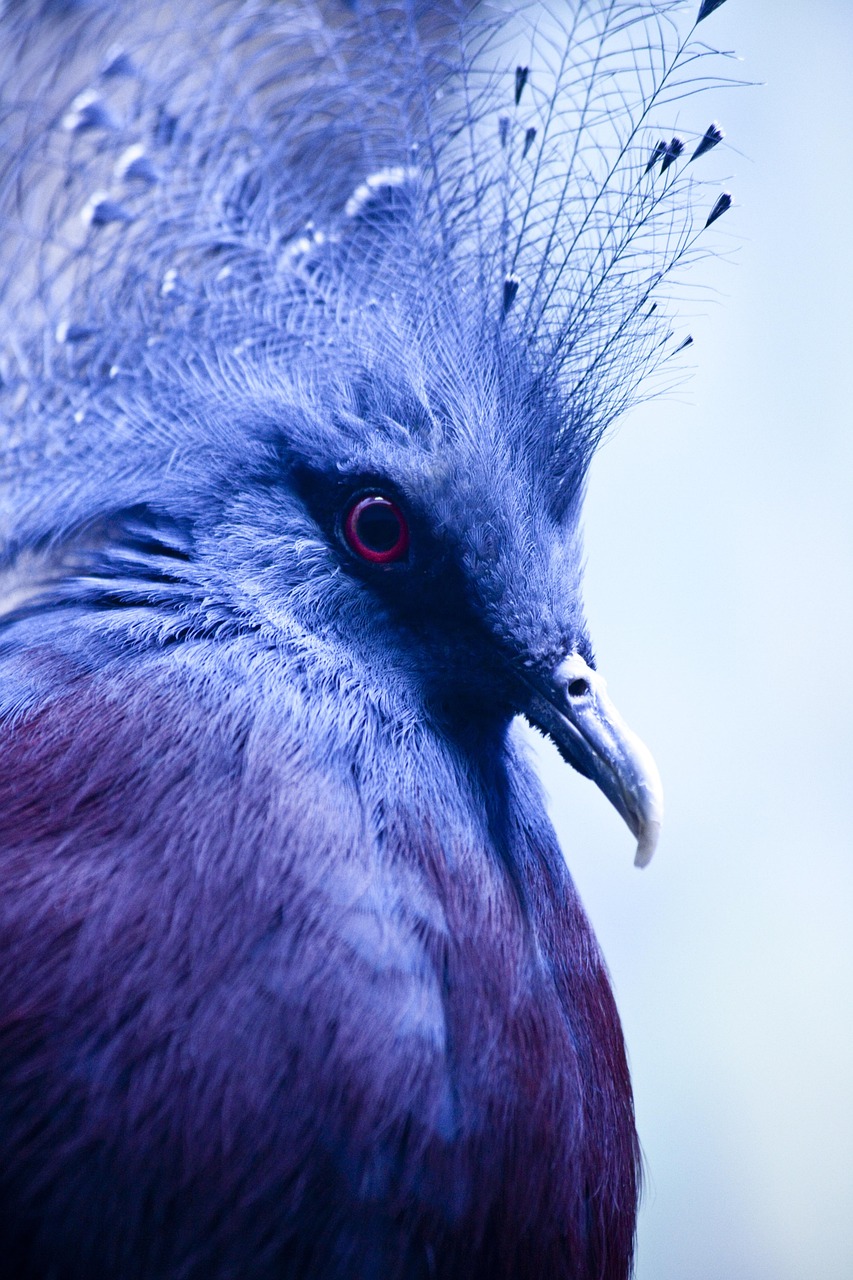
The Old German Owl pigeon, a breed celebrated for its elegance and gentle demeanor, has captivated enthusiasts worldwide, including a growing community in the Arab region. Understanding its show pigeon standards is crucial for breeders aiming to excel in competitions and preserve the breed's integrity. This article delves into the detailed criteria that define a champion Old German Owl, enriched with insights and examples from the Arab market to guide both novice and experienced fanciers.
The Historical Roots and Breed Characteristics
The Old German Owl, known for its distinctive owl-like appearance due to a forward-facing crest and large eyes, originated in Germany as a utility and show breed. Its history intertwines with selective breeding for both aesthetic appeal and temperament, making it a favorite among pigeon fanciers. In the Arab world, this breed has gained popularity for its adaptability to various climates and its striking presence in aviaries, often seen in countries like Egypt, Saudi Arabia, and the UAE where pigeon keeping is a cherished tradition.
Origin and Development
The breed's development began in the 19th century, with breeders focusing on refining its physical traits to meet specific standards. Key historical figures in Germany emphasized traits like a compact body and a gentle nature, which have been preserved through generations. In the Arab market, this history is respected, with breeders often importing high-quality stock from Europe to enhance local lines, ensuring adherence to international standards while adapting to regional preferences.
Key Physical Attributes
An ideal Old German Owl exhibits a medium-sized, well-proportioned body with a broad chest and short legs, giving it a robust yet graceful silhouette. The head is particularly important, featuring a full, rounded crest that frames the face and large, expressive eyes that convey a calm demeanor. Arab breeders, for example, might prioritize birds with vibrant feather colors like blue or red, which are popular in local shows, while ensuring these traits align with global show pigeon standards for balance and symmetry.
Detailed Show Pigeon Standards for Old German Owl
Show pigeon standards for the Old German Owl are meticulously defined by organizations such as the National Pigeon Association, focusing on aspects like conformation, color, and condition. These standards serve as a benchmark for judging in competitions, where even minor deviations can impact scoring. In the Arab market, adherence to these standards is increasingly emphasized, with clubs in regions like Jordan and Qatar hosting events that evaluate birds against international criteria to foster excellence.
Conformation and Body Structure
Conformation refers to the overall shape and posture of the pigeon, with judges looking for a balanced profile from head to tail. The body should be compact, with a slight arch to the back and wings that fit snugly against the sides. In Arab examples, breeders often showcase birds with exceptional stance, such as those from Kuwaiti aviaries, where meticulous care ensures optimal muscle tone and feather alignment, meeting show pigeon standards for elegance and poise.
Color and Markings
Color standards for the Old German Owl include a range of accepted shades, such as black, blue, red, and yellow, often with specific patterns like bars or checks. The feathers should be smooth, glossy, and free from blemishes, with markings clearly defined. For instance, in the UAE, breeders might highlight pigeons with rare color combinations, like silver laced varieties, which attract attention in local markets while still conforming to global guidelines for purity and consistency in show pigeon standards.
Judging Criteria and Common Faults
Judging Old German Owls involves a detailed assessment based on point systems that prioritize traits like head shape, eye color, and overall condition. Common faults, such as a weak crest or incorrect leg length, can lead to deductions, making it essential for breeders to understand these nuances. In the Arab region, judges at events in places like Oman often provide feedback to help breeders improve, emphasizing the importance of avoiding faults to achieve higher scores in competitions.
Point Allocation in Shows
Points are typically allocated across categories: head and crest (20 points), eyes and cere (15 points), body and conformation (25 points), color and markings (20 points), and condition and presentation (20 points). This system ensures a comprehensive evaluation. Arab breeders, for example, might focus on maximizing points in condition by maintaining birds in peak health through proper nutrition and housing, as seen in successful entries from Saudi Arabian shows.
Identifying and Correcting Faults
Common faults include a narrow head, poor crest placement, or dull feather quality, which can detract from the bird's overall appeal. Breeders should regularly inspect their flocks and seek mentorship to address these issues. In the Arab market, collaborative efforts, such as workshops in Egypt, help fanciers learn to correct faults through selective breeding and care practices, enhancing their chances in competitive arenas.
Breeding and Care for Optimal Standards
Breeding Old German Owls to meet show pigeon standards requires a strategic approach, focusing on genetic selection and environmental management. Proper care, including diet, housing, and health monitoring, is vital for developing birds that excel in conformation and color. In the Arab world, breeders often integrate traditional methods with modern techniques, such as using climate-controlled lofts in hot regions like Qatar to maintain feather quality and overall vitality.
Selective Breeding Techniques
Selective breeding involves pairing birds with complementary traits to enhance desirable characteristics in offspring. Key factors include lineage analysis and trait inheritance patterns. Arab breeders, for instance, might use pedigree records from imported European stock to plan matings, aiming to produce pigeons with strong crests and vibrant colors that align with show pigeon standards, as demonstrated in breeding programs in Lebanon.
Health and Nutrition Management
A balanced diet rich in proteins and vitamins supports feather development and overall health, while clean, spacious housing prevents stress and disease. Regular veterinary check-ups are recommended. In examples from the Arab market, breeders in the UAE often supplement diets with local grains and ensure adequate hydration, contributing to birds that meet show pigeon standards for condition and presentation.
Examples from the Arab Market and Success Stories
The Arab market has seen a rise in Old German Owl enthusiasts, with notable successes in regional shows and breeding achievements. These examples highlight how local adaptations and dedication can lead to excellence. From award-winning birds in Egypt to innovative breeding practices in Saudi Arabia, the community demonstrates a commitment to upholding and advancing show pigeon standards.
Notable Arab Breeders and Aviaries
Several Arab breeders have gained recognition for their high-quality Old German Owls, such as those in Jordan who have won international accolades. Their aviaries often feature state-of-the-art facilities and rigorous selection processes. For example, a breeder in Kuwait might showcase pigeons with exceptional conformation, serving as inspiration for others in the region to strive for similar standards.
Market Trends and Opportunities
Trends in the Arab market include increasing demand for rare color variants and a focus on sustainable breeding practices. Opportunities exist for collaboration and knowledge exchange, such as through online forums and local clubs. Breeders in places like Bahrain are leveraging these trends to enhance their flocks, contributing to a vibrant community that values show pigeon standards.
Conclusion
Mastering the Old German Owl show pigeon standards involves a deep understanding of historical roots, detailed criteria, and practical care, all enriched by examples from the Arab market. By focusing on conformation, color, and health, breeders can achieve success in competitions and preserve this beloved breed. For those looking to streamline their pigeon management, consider using Ghawy – Pigeon Manager (غاوي – إدارة الحمام) to track breeding records and health metrics efficiently.