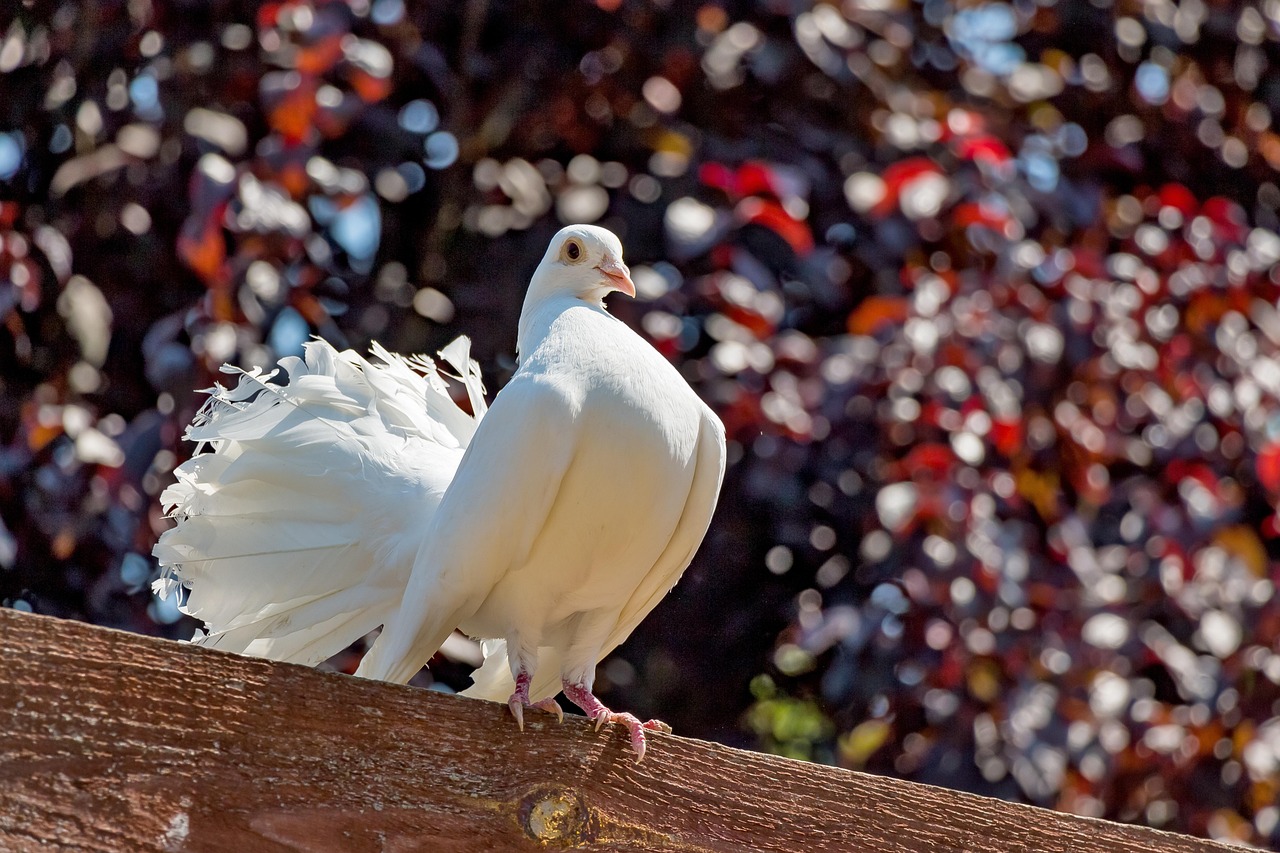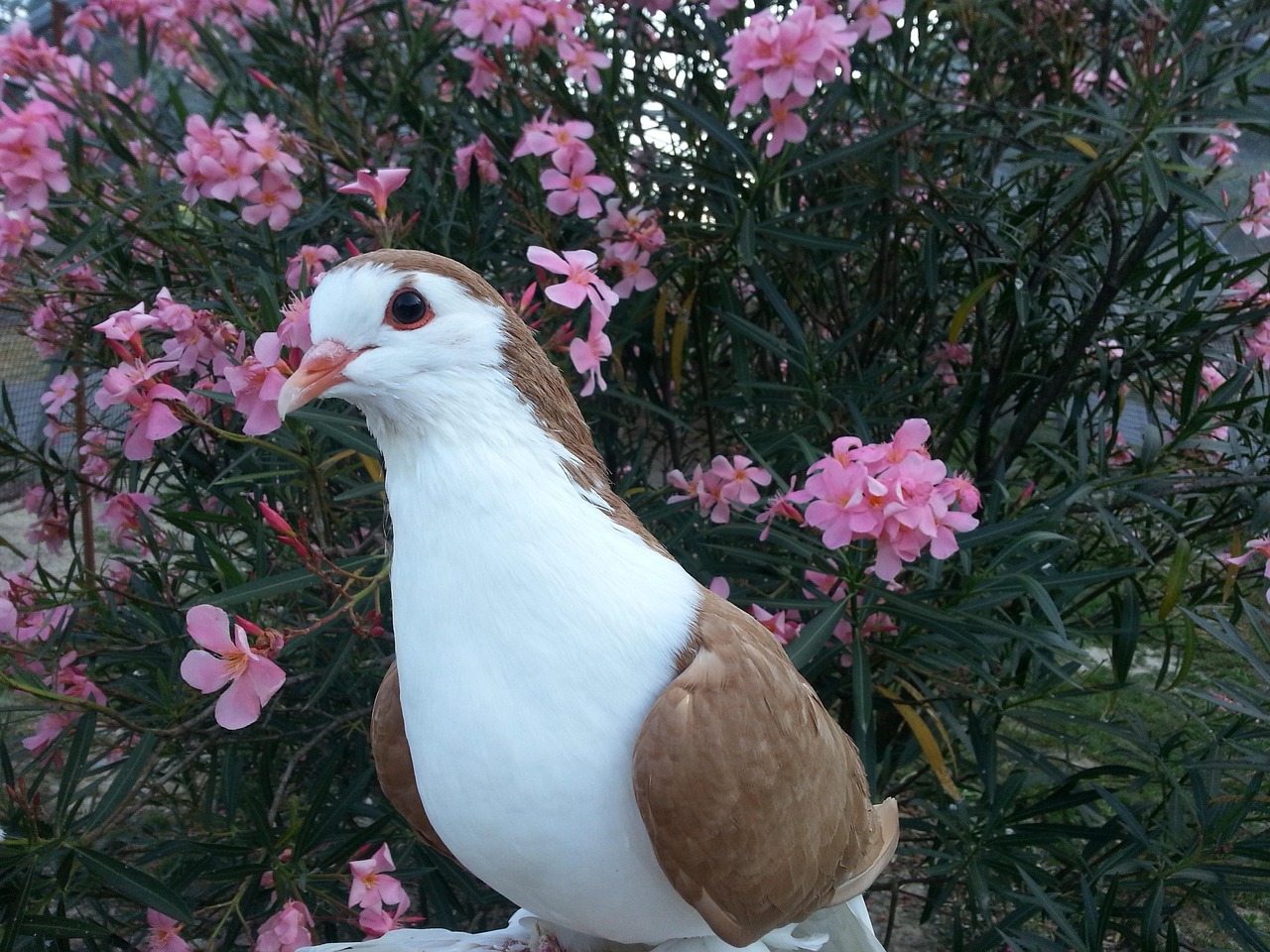
For pigeon enthusiasts, showcasing rare breeds is an art that demands precision and passion. The right equipment can transform a simple display into a breathtaking exhibition, highlighting the unique beauty and elegance of each bird. This guide delves into the essential tools and techniques for creating an optimal environment that accentuates the splendor of rare pigeon strains, ensuring they captivate judges and audiences alike.
The Foundation of Excellence: Crafting the Perfect Show Cage Setup
A well-designed show cage setup is more than just a container; it's a stage that frames your pigeon's finest attributes. It provides safety, comfort, and visibility, allowing the bird to exhibit its natural grace without distractions. Investing in quality materials and thoughtful design can make a significant difference in competitive settings, where every detail counts toward impressing evaluators.
Choosing the Right Cage Materials and Dimensions
Selecting appropriate materials for your show cage setup is crucial for both aesthetics and functionality. Stainless steel or powder-coated metals are ideal choices, as they offer durability, ease of cleaning, and a professional appearance that doesn't detract from the bird. Avoid materials that can rust or harbor bacteria, which could compromise your pigeon's health and presentation. The cage should be spacious enough to allow the bird to move comfortably, with dimensions typically ranging from 24 to 36 inches in length, depending on the breed's size. This ensures the pigeon can stretch its wings and display its posture naturally, without feeling cramped or stressed.
Consider the cage's design elements, such as smooth edges and secure latches, to prevent injuries and escapes. Ventilation is another key factor; adequate airflow keeps the environment fresh and reduces odors, which is especially important during long exhibitions. Some advanced setups include removable trays for easy cleaning, minimizing disruption during shows. By prioritizing these aspects, you create a foundation that supports your pigeon's well-being and showcases its rare qualities effectively.
Enhancing Visibility with Strategic Placement and Accessories
Once you have the right cage, its placement within the exhibition space can dramatically impact how your pigeon is perceived. Position the show cage setup at eye level for judges and visitors, ensuring an unobstructed view from all angles. This allows observers to appreciate the bird's full profile, from its head crest to tail feathers, without straining. Avoid cluttered backgrounds that might distract from the pigeon's beauty; instead, use neutral-colored backdrops or simple decorations that complement the breed's colors and patterns.
Accessories within the cage should serve a purpose without overwhelming the display. Perches should be sturdy and appropriately sized for the breed, encouraging natural posture and movement. Include a small water dish and feed container that are easy to refill discreetly, maintaining the pigeon's hydration and energy levels during shows. Some enthusiasts add subtle branding or informational plaques to highlight the breed's rarity and lineage, but keep these minimal to focus attention on the bird itself. By thoughtfully arranging these elements, you create a cohesive presentation that draws the eye directly to your pigeon's exceptional traits.
Illuminating Beauty: Advanced Lighting for Pigeons in Shows
Lighting for pigeons is a transformative tool that can accentuate colors, textures, and movements, making rare breeds shine under scrutiny. Proper illumination not only enhances visual appeal but also affects the bird's behavior, helping it feel calm and confident in the spotlight. Understanding the nuances of light quality, direction, and intensity is essential for creating a display that stands out in any competition.
Selecting the Ideal Light Sources and Color Temperatures
When choosing lighting for pigeons, opt for LED fixtures that offer energy efficiency, low heat output, and customizable settings. These lights minimize stress on the birds by avoiding excessive warmth, which can cause discomfort or alter feather conditions. Color temperature plays a significant role in how colors are perceived; a neutral white light around 4000-5000 Kelvin is generally best, as it provides a balanced, natural look without distorting hues. This range helps reveal the true vibrancy of rare breeds' plumage, from iridescent greens to deep blues, ensuring judges see an accurate representation.
Avoid harsh, direct lighting that creates shadows or glare, which can obscure details and make the pigeon appear less impressive. Instead, use diffused or indirect light sources that evenly illuminate the cage from multiple angles. This approach reduces eye strain for viewers and highlights the bird's three-dimensional form, emphasizing features like feather sheen and body contours. Experiment with adjustable brightness levels to find the perfect balance that makes your pigeon pop without overwhelming it, creating a captivating visual experience that enhances its rare beauty.
Implementing Dynamic Lighting Techniques for Maximum Impact
Beyond basic illumination, dynamic lighting techniques can add depth and drama to your display. Consider using spotlights to highlight specific areas, such as the pigeon's head or tail, drawing attention to its most distinctive attributes. This method is particularly effective for breeds with unique markings or crests, as it creates a focal point that guides the viewer's gaze. Combine this with ambient lighting to fill in shadows, ensuring the entire bird is visible and well-defined. Timing is also crucial; use gradual dimming or brightening effects during presentations to create a sense of movement and engagement, making the exhibition more memorable.
For interactive shows, incorporate responsive lighting that adjusts based on the pigeon's actions, such as gentle increases in brightness when it moves or vocalizes. This not only enhances the visual appeal but also encourages natural behaviors, showcasing the breed's personality and vitality. Always prioritize the bird's comfort by avoiding sudden flashes or intense beams that could startle it. By mastering these techniques, you transform lighting for pigeons from a mere utility into an artistic tool that elevates your rare breed's presentation to new heights.
Integrating Setup and Lighting for a Cohesive Display
Combining an optimal show cage setup with effective lighting for pigeons creates a synergistic effect that maximizes visual impact. This integration requires careful planning to ensure both elements work harmoniously, enhancing rather than competing with each other. Start by assessing the exhibition space's layout and natural light sources, then design your setup to complement these conditions. For example, if the venue has large windows, position the cage to utilize daylight while supplementing with artificial lights to maintain consistency throughout the day.
Balancing Aesthetics and Functionality in Design
A cohesive display balances aesthetic appeal with practical functionality, ensuring the pigeon's needs are met while captivating the audience. Choose cage materials and colors that reflect light well, such as matte finishes that reduce glare, and pair them with lighting fixtures that enhance these surfaces. This creates a polished look that directs focus toward the bird. Incorporate adjustable stands or mounts for both the cage and lights, allowing for quick modifications based on the show's requirements or the pigeon's behavior. This flexibility is key to adapting to different environments and ensuring your presentation remains top-notch.
Test your integrated setup before the actual event to identify any issues, such as hotspots or shadows, and make adjustments accordingly. Involve the pigeon in these trials to gauge its reaction and ensure it remains calm and comfortable. By fine-tuning the interplay between cage and lighting, you create a seamless experience that highlights the rare breed's elegance without unnecessary distractions. This attention to detail not only improves your chances in competitions but also demonstrates your dedication as an enthusiast.
Enhancing Engagement Through Interactive Elements
To make your display truly stand out, consider adding interactive elements that engage viewers and showcase the pigeon's unique traits. Use lighting for pigeons to create subtle color changes or patterns that correspond with the breed's characteristics, such as soft blues for cooler-toned feathers or warm tones for richer hues. This can be controlled manually or via automated systems for a more dynamic effect. Within the show cage setup, include features like rotating perches or mirrored panels that encourage movement and reflection, allowing the bird to display its agility and confidence.
These interactive touches not only attract attention but also provide educational value, helping audiences appreciate the rarity and care involved in breeding these pigeons. Keep the technology discreet and user-friendly to avoid overwhelming the bird or complicating the setup. By blending innovation with tradition, you create a memorable exhibition that celebrates the beauty of rare breeds while inspiring others in the community. This approach sets a high standard for pigeon showing and fosters a deeper connection between enthusiasts and their birds.
Maintaining and Optimizing Your Equipment for Long-Term Success
Investing in high-quality show cage setup and lighting for pigeons is just the beginning; proper maintenance ensures these tools remain effective and reliable over time. Regular care not only prolongs the lifespan of your equipment but also guarantees consistent performance during critical moments. Develop a routine that includes cleaning, inspection, and updates to keep your display in peak condition, reflecting your commitment to excellence in pigeon showing.
Routine Cleaning and Safety Checks
Establish a cleaning schedule for your show cage setup, focusing on removing debris, disinfecting surfaces, and checking for wear or damage. Use bird-safe cleaners to avoid harmful residues that could affect your pigeon's health. Pay special attention to joints, latches, and perches, as these areas are prone to accumulation and may need tightening or replacement. For lighting for pigeons, dust lenses and fixtures regularly to maintain brightness and clarity, and inspect wiring for any signs of fraying or corrosion. Safety should always be a priority; ensure all electrical components are properly grounded and away from moisture to prevent accidents.
Conduct these checks before and after each use, making notes of any issues to address promptly. This proactive approach minimizes the risk of malfunctions during shows and maintains a professional appearance. Additionally, involve your pigeon in the cleaning process gradually, allowing it to acclimate to the equipment and reducing stress during actual exhibitions. By keeping everything in pristine condition, you demonstrate respect for your bird and the craft, enhancing your reputation as a dedicated enthusiast.
Upgrading and Adapting to Evolving Standards
As technology and trends in pigeon showing evolve, staying updated with the latest advancements can give you a competitive edge. Periodically review your show cage setup and lighting for pigeons to identify opportunities for improvement, such as integrating energy-efficient LEDs or modular cage designs that offer greater flexibility. Attend exhibitions or connect with other enthusiasts to gather insights and inspiration, then apply these learnings to refine your own setup. This continuous adaptation ensures your display remains relevant and effective, even as standards change.
Consider feedback from judges and peers to make targeted upgrades, focusing on areas that enhance the bird's presentation without compromising its comfort. For example, if you notice that certain lighting angles better highlight your breed's features, adjust your fixtures accordingly. By embracing innovation while honoring traditional values, you create a dynamic display that grows with your expertise. This commitment to excellence not only benefits your rare breeds but also contributes to the broader community's appreciation of pigeon beauty.
Conclusion
Mastering the art of showcasing rare pigeon breeds requires a blend of thoughtful design, advanced lighting, and meticulous care. By focusing on an optimal show cage setup and effective lighting for pigeons, you create an environment that highlights their unique beauty and ensures their comfort. Remember, the goal is to let the bird's natural elegance shine through, supported by equipment that enhances rather than overshadows. As you refine your techniques, consider leveraging tools like Ghawy – Pigeon Manager (غاوي – إدارة الحمام) to streamline your management and presentation efforts, making every exhibition a testament to your passion and skill.