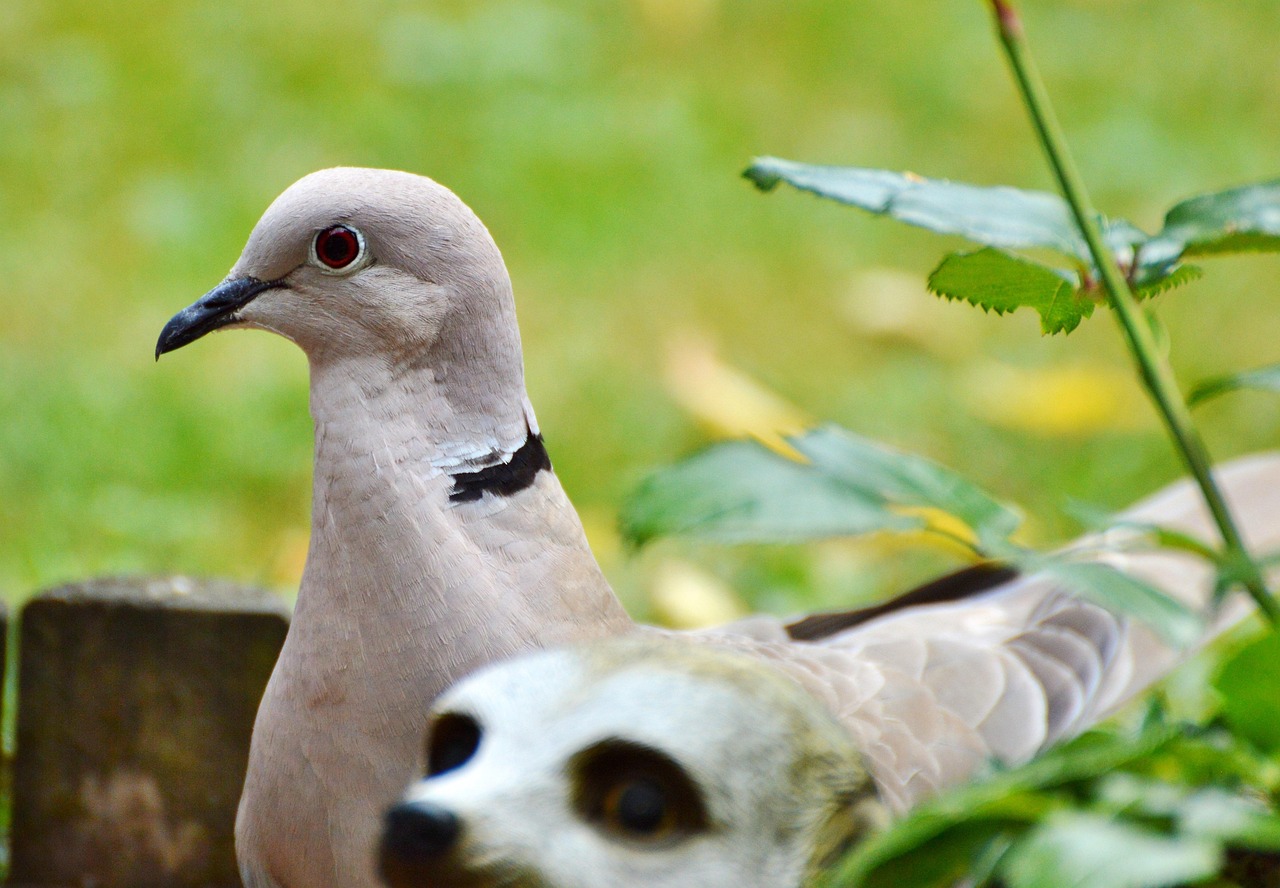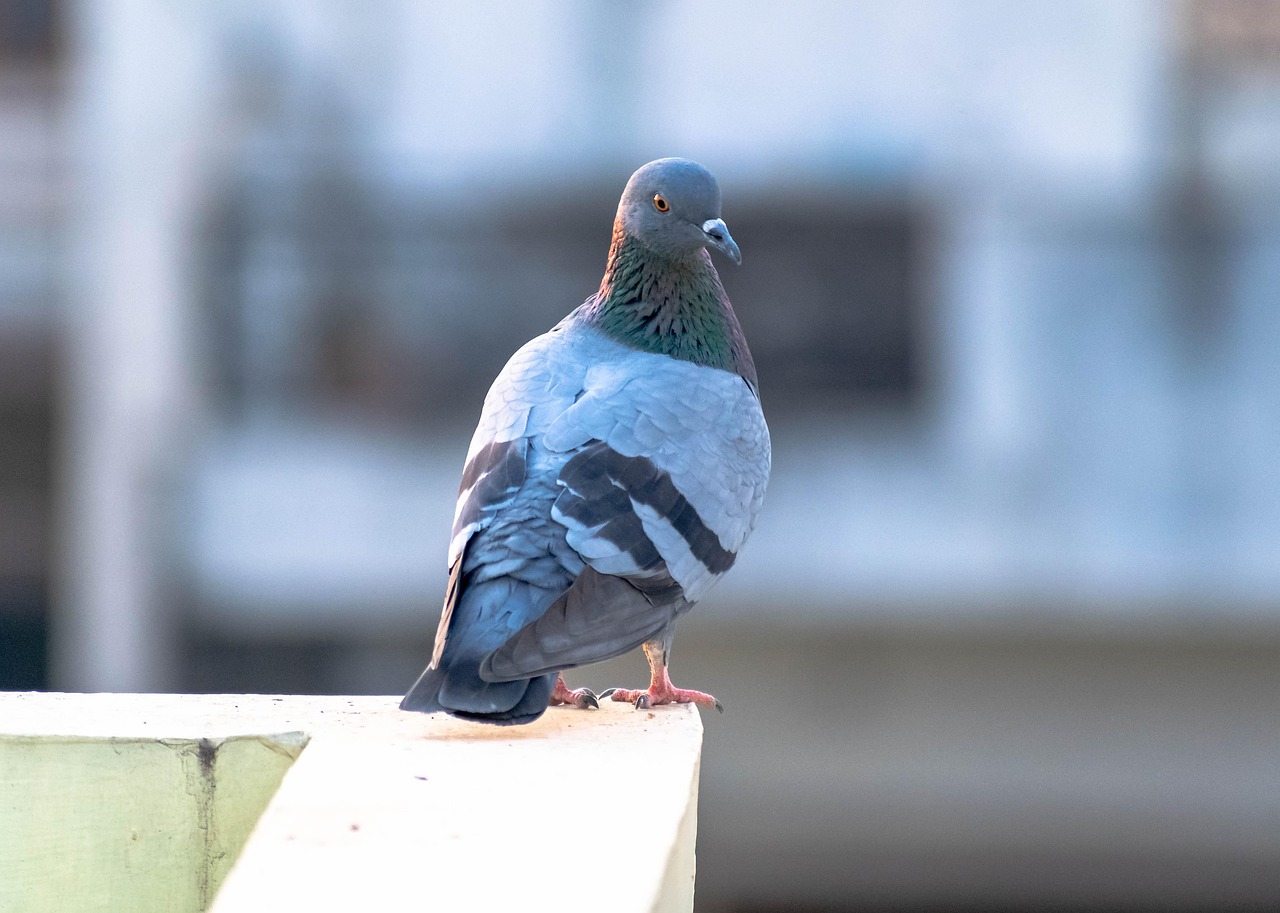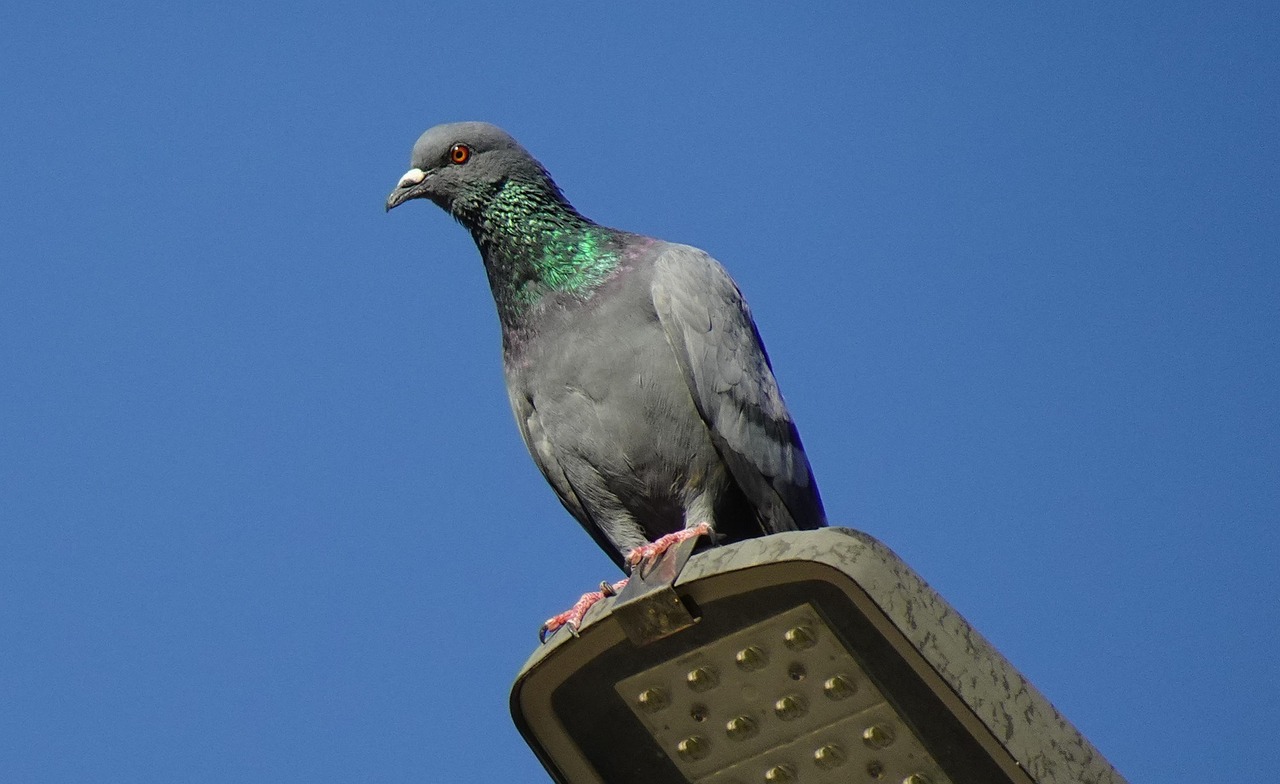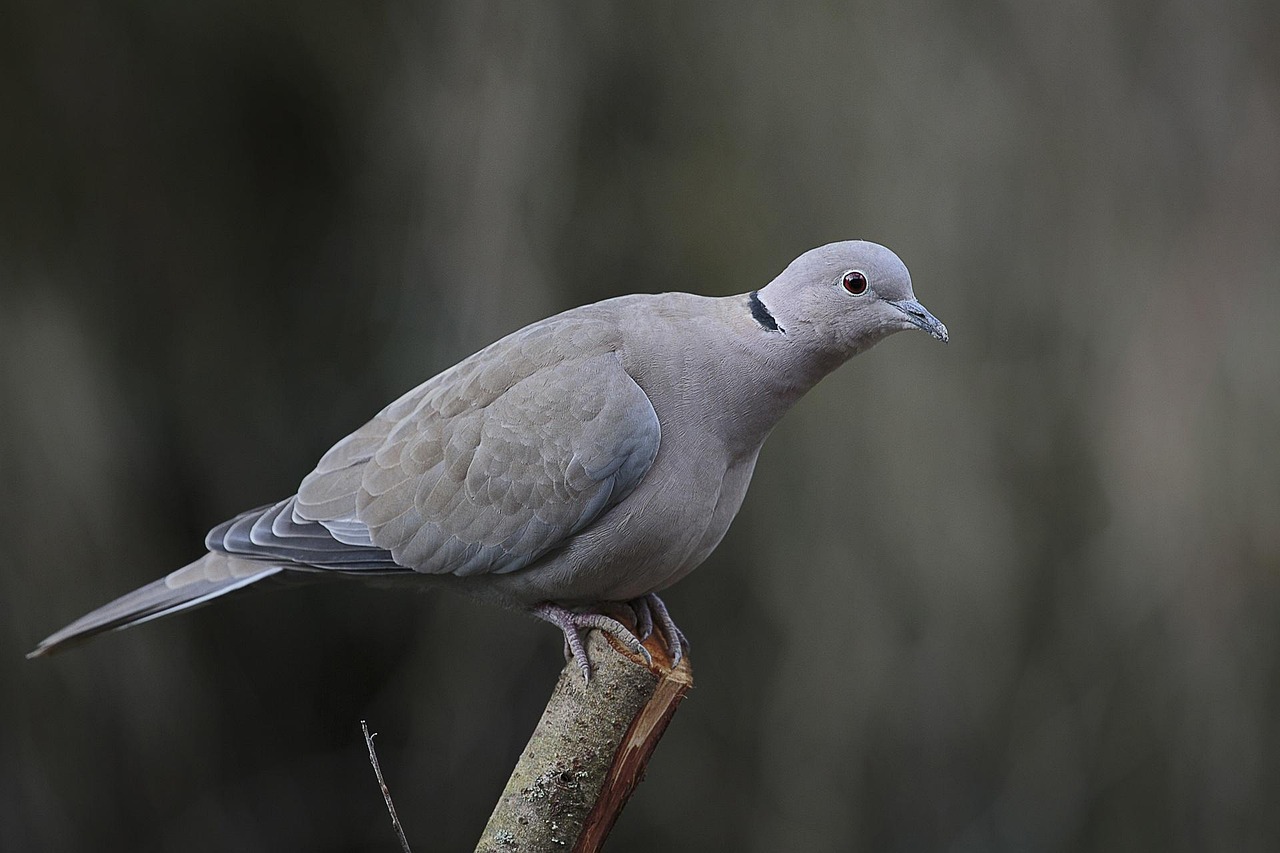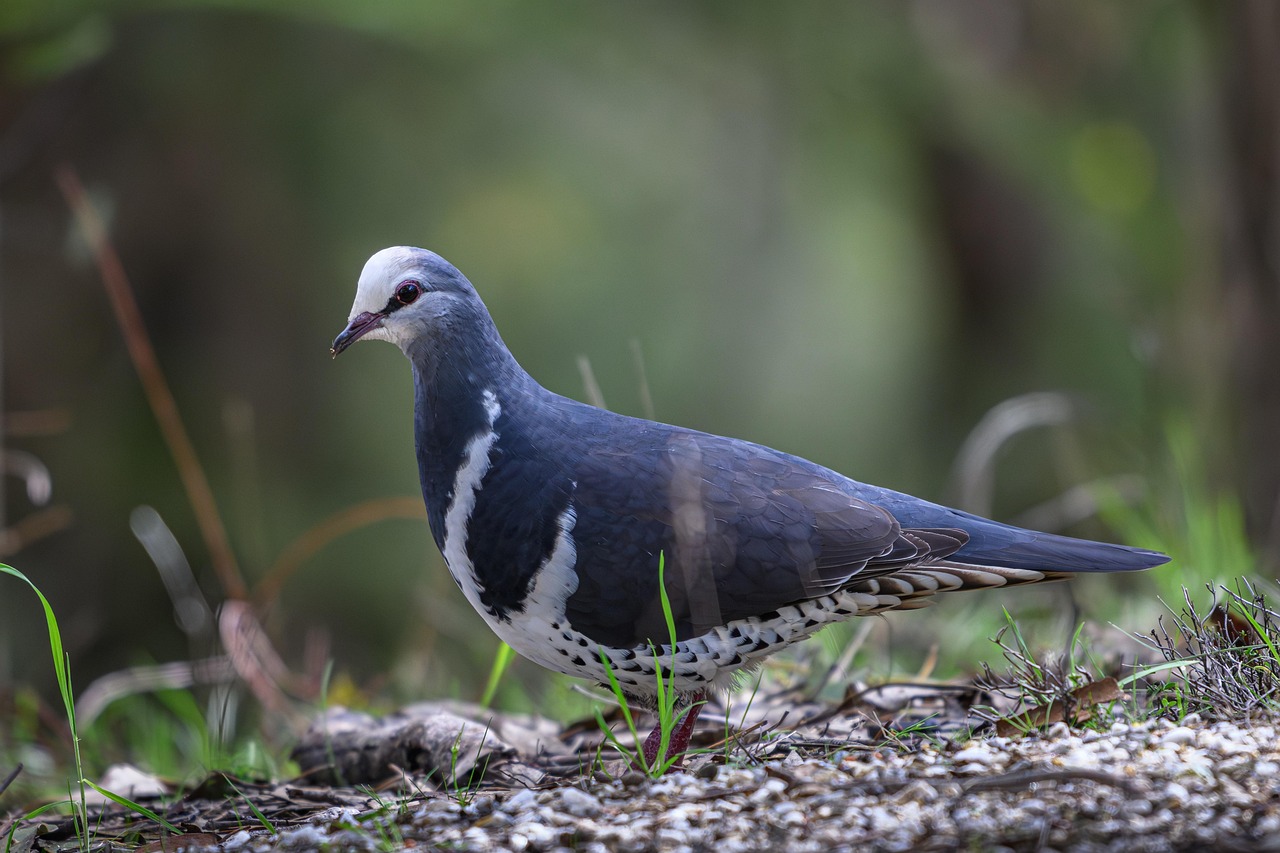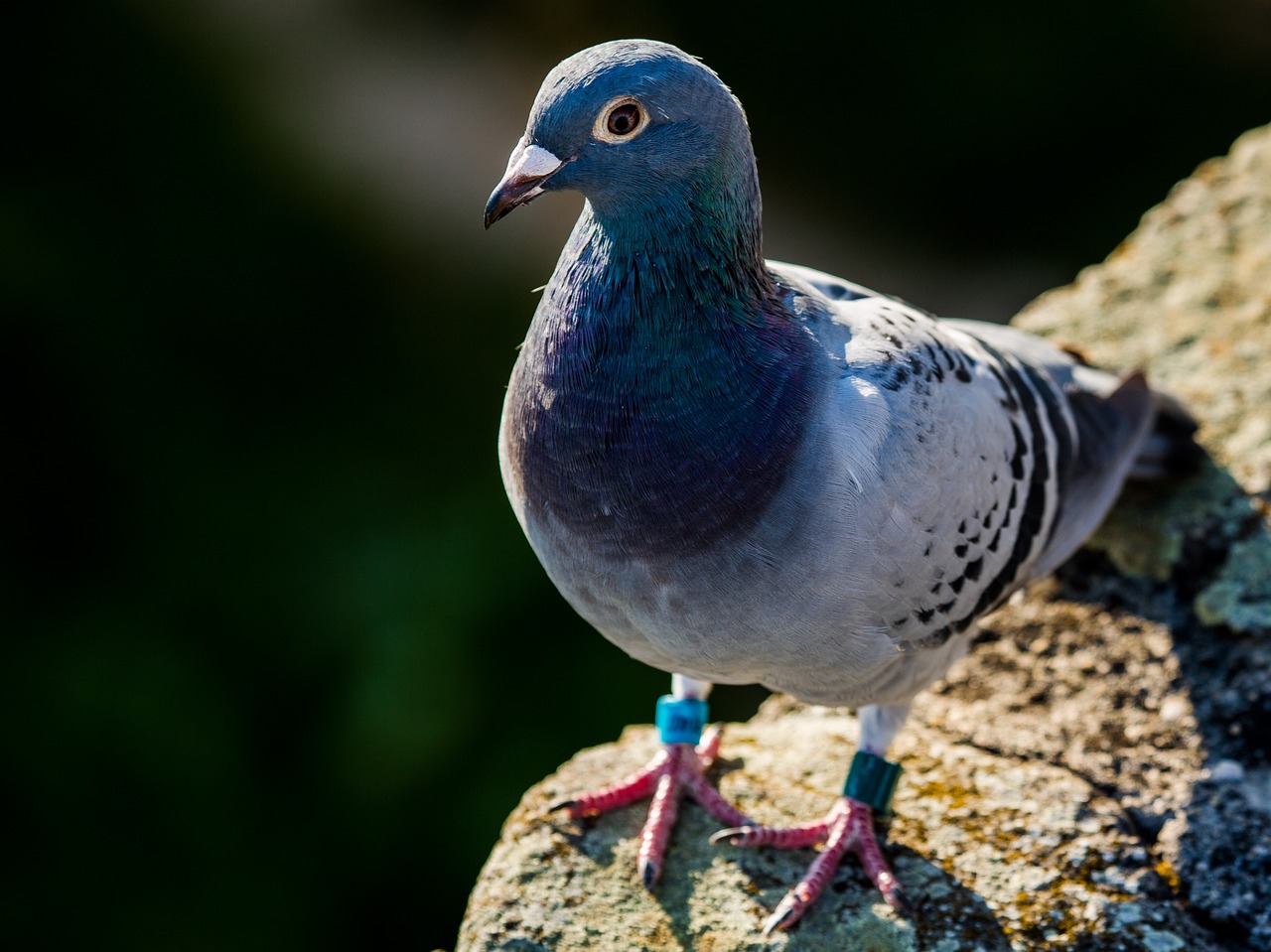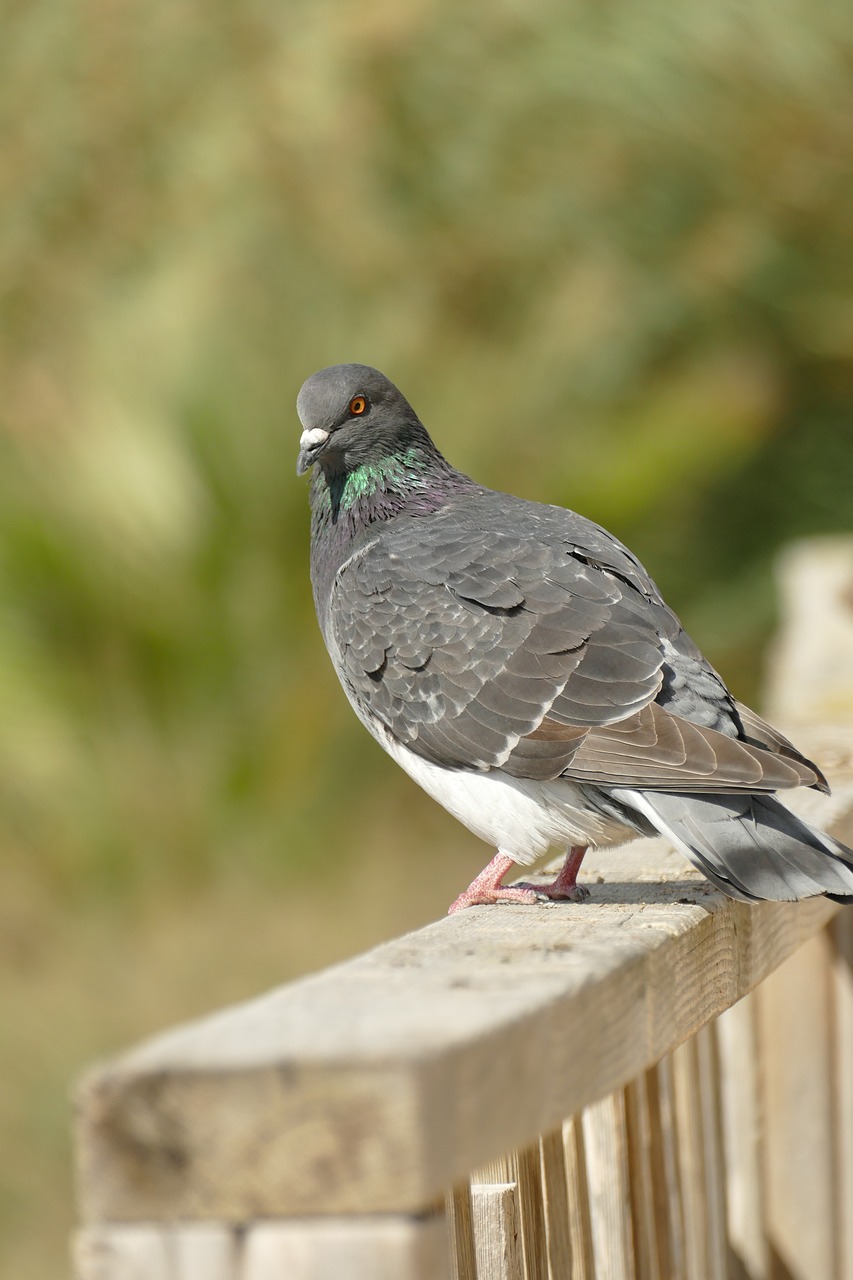
In the world of pigeon shows, a bird's market value is often determined not just by its genetics or health, but by how it is presented. This guide explores the art of pigeon photography, a crucial skill for enhancing your show presentation and boosting your pigeon's appeal to judges and buyers alike. By mastering these techniques, you can transform your birds into standout competitors and valuable assets.
The Art of Pigeon Photography: Capturing Beauty and Character
Pigeon photography is more than just taking pictures; it's about showcasing the unique traits that make your bird special. A well-photographed pigeon can highlight its best features, from feather patterns to posture, making it more attractive in show presentations. This section delves into why photography matters and how it can elevate your pigeon's market value.
Why Photography Matters in Show Presentation
In competitive pigeon shows, first impressions are everything. A high-quality photograph can capture the essence of your bird, allowing judges and potential buyers to appreciate its qualities even before seeing it in person. This visual representation is key to building interest and credibility. By investing time in pigeon photography, you demonstrate professionalism and attention to detail, which can significantly enhance your show presentation and increase your bird's perceived value.
Moreover, in today's digital age, many shows and sales occur online, where photographs are the primary means of evaluation. A stunning image can set your pigeon apart from the competition, making it more memorable and desirable. This is especially important for rare breeds or birds with unique markings, as photography can emphasize these traits effectively. By mastering this skill, you not only improve your show presentation but also open up opportunities for broader exposure and higher sales.
Essential Equipment for Professional Pigeon Photography
To achieve professional results in pigeon photography, you need the right tools. While a smartphone can work for basic shots, investing in a DSLR or mirrorless camera with a good lens can make a significant difference. A macro lens is particularly useful for capturing fine details like feather texture and eye color, which are crucial for show presentation. Additionally, consider using a tripod to ensure stability and sharp images, especially in low-light conditions.
Lighting is another critical aspect. Natural light is often best, as it provides a soft, flattering glow that enhances your pigeon's colors without harsh shadows. If shooting indoors, use softbox lights or reflectors to create even illumination. Backgrounds should be simple and neutral, such as a plain white or gray backdrop, to keep the focus on the bird. By equipping yourself properly, you can produce images that truly showcase your pigeon's beauty and improve your overall show presentation.
Techniques for Stunning Pigeon Photography
Mastering specific techniques can take your pigeon photography to the next level, making your show presentation more impactful. This section covers practical tips for capturing your bird's best angles and expressions, ensuring that every photo tells a compelling story.
Capturing the Perfect Pose and Expression
A great pigeon photograph often depends on the bird's pose and expression. To capture these effectively, work with your pigeon when it is calm and relaxed, such as after feeding or during a quiet moment. Use treats or gentle handling to encourage natural postures that highlight its conformation and alertness. Focus on the eyes, as they convey character and vitality, which are essential for show presentation.
Experiment with different angles to find the most flattering views. For example, a side profile can show off the bird's body shape and feather alignment, while a front view might emphasize its head structure. Avoid forced or unnatural poses, as they can detract from the bird's authenticity. By being patient and observant, you can capture moments that reflect your pigeon's true essence, making your photography a powerful tool for enhancing show presentation.
Editing and Enhancing Your Photographs
Post-processing is a key step in pigeon photography that can elevate your images from good to great. Use editing software like Adobe Lightroom or free alternatives to adjust brightness, contrast, and color balance, ensuring that your pigeon's features are accurately represented. Be careful not to over-edit, as this can make the photo look unnatural and harm your show presentation credibility.
Focus on subtle enhancements that bring out the best in your bird. For instance, sharpening can highlight feather details, while slight saturation adjustments can make colors pop without appearing garish. Cropping can help remove distractions and center the subject, creating a more professional look. By refining your photos thoughtfully, you ensure they support your show presentation goals and attract positive attention from judges and buyers.
Integrating Photography into Your Show Presentation Strategy
Pigeon photography should be seamlessly integrated into your overall show presentation to maximize its impact. This section explores how to use photos effectively in various contexts, from online listings to live competitions, to boost your bird's market value.
Using Photos in Online Listings and Social Media
In the digital marketplace, high-quality photos are essential for selling pigeons or promoting your breeding program. When creating online listings, include multiple images from different angles to give a comprehensive view of the bird. Use captions to highlight key traits, such as breed standards or show achievements, reinforcing your show presentation. Social media platforms like Instagram or Facebook are also valuable for sharing photos, building a following, and generating interest in your pigeons.
To optimize these efforts, ensure your photos are well-lit and clear, with no distracting elements. Update your galleries regularly with new images, especially after shows or breeding successes. By maintaining a strong visual presence online, you enhance your show presentation and create opportunities for networking and sales, ultimately raising your pigeon's market value.
Presenting Photos at Live Shows and Competitions
At live pigeon shows, photographs can complement your physical presentation, providing additional context or highlighting specific features. Consider creating a portfolio or display board with your best images to accompany your bird. This can help judges and attendees appreciate details that might be missed in a quick glance, strengthening your show presentation.
When preparing for competitions, select photos that align with the show's criteria, such as those emphasizing color patterns or body structure. Use them in presentations or discussions with judges to illustrate your bird's qualities. By integrating photography into your live show strategy, you demonstrate a thorough and professional approach, which can positively influence evaluations and increase your chances of success.
Advanced Tips for Elevating Your Pigeon Photography
For those looking to take their pigeon photography to an expert level, this section offers advanced insights into creative composition, storytelling, and consistency, all aimed at enhancing show presentation.
Creative Composition and Storytelling Through Images
Beyond basic shots, creative composition can make your pigeon photography more engaging and memorable. Experiment with techniques like rule of thirds, leading lines, or depth of field to add visual interest. For example, placing your bird off-center can create a dynamic image, while a shallow depth of field can blur the background and focus attention on key features. These elements contribute to a stronger show presentation by making your photos stand out.
Storytelling is another powerful aspect. Use a series of photos to depict your pigeon's journey, from daily care to show preparation, adding context and emotional appeal. This not only showcases your dedication but also builds a narrative that resonates with viewers. By incorporating creativity into your photography, you enhance the overall show presentation and create a lasting impression that can boost market value.
Maintaining Consistency and Building a Portfolio
Consistency in pigeon photography is crucial for establishing a professional image and reliable show presentation. Develop a style that reflects your brand, such as using similar lighting or backgrounds across all photos. This creates a cohesive look that makes your work recognizable and trustworthy. Regularly update your portfolio with high-quality images, documenting your pigeons' growth and achievements over time.
To build an effective portfolio, organize photos by categories like breed, age, or show results. This makes it easy to showcase specific traits or successes when needed. By maintaining consistency and a well-curated portfolio, you reinforce your expertise and commitment, which can attract more buyers and judges, ultimately raising your pigeon's market value through superior show presentation.
Conclusion
Mastering pigeon photography is a vital skill for any enthusiast looking to enhance show presentation and increase market value. By focusing on techniques, equipment, and strategic integration, you can create compelling images that highlight your bird's best qualities. Remember, a great photograph can make all the difference in competitions and sales. For those seeking to streamline their pigeon management and presentation efforts, consider exploring tools like Ghawy – Pigeon Manager (غاوي – إدارة الحمام) to support your journey. Embrace these insights to elevate your pigeons and achieve greater success in the show ring.