The Kashki pigeon, a distinguished member of the Arabian pigeon breeds, captivates enthusiasts with its unique blend of beauty and heritage. This article delves into the aesthetic allure and practical considerations of owning these birds, offering insights into their characteristics and care. We'll explore the nuances that make the حمام كشكي a prized possession, balancing its appeal with real-world factors for breeders and hobbyists alike.
The Enchanting World of Kashki Pigeons
Kashki pigeons, originating from the Arabian Peninsula, are celebrated for their striking appearance and cultural significance. These birds are not just pets; they embody a rich tradition of pigeon keeping that spans generations. In this section, we'll introduce the breed's background and why it holds a special place in the hearts of pigeon enthusiasts worldwide.
Historical and Cultural Significance
The history of Kashki pigeons is deeply intertwined with Arabian culture, where pigeon breeding has been a cherished pastime for centuries. These birds were often kept by royalty and commoners alike, symbolizing status and passion. Their development reflects selective breeding practices aimed at enhancing specific traits, such as color patterns and flight abilities. Today, they continue to be a symbol of pride in the region, with breeders preserving their lineage through careful management and dedication.
Understanding this cultural context adds depth to appreciating the حمام كشكي, as it's more than just a bird—it's a living piece of heritage. Enthusiasts often share stories of how these pigeons have been passed down through families, creating a sense of continuity and community. This historical backdrop sets the stage for exploring their aesthetic qualities and practical aspects in modern pigeon keeping.
Physical Characteristics and Aesthetic Appeal
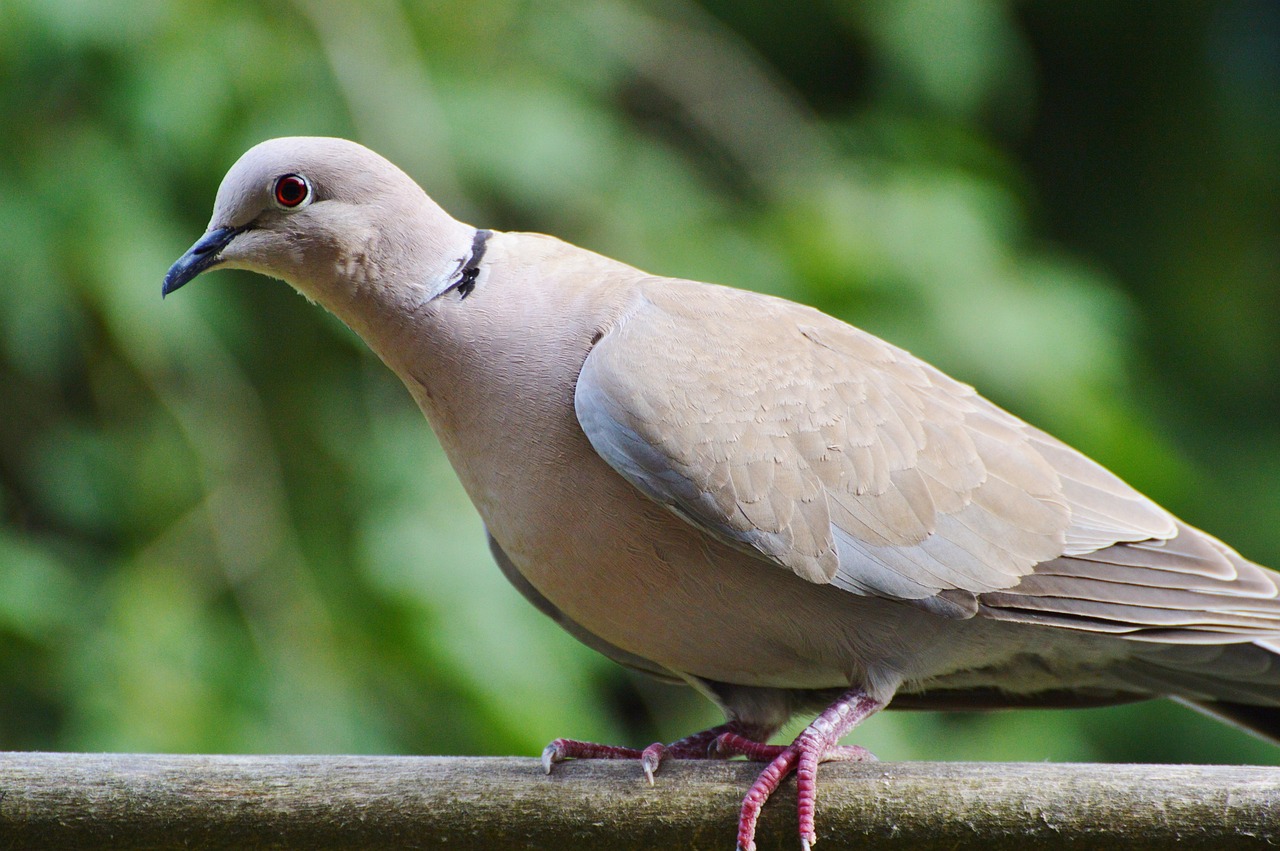
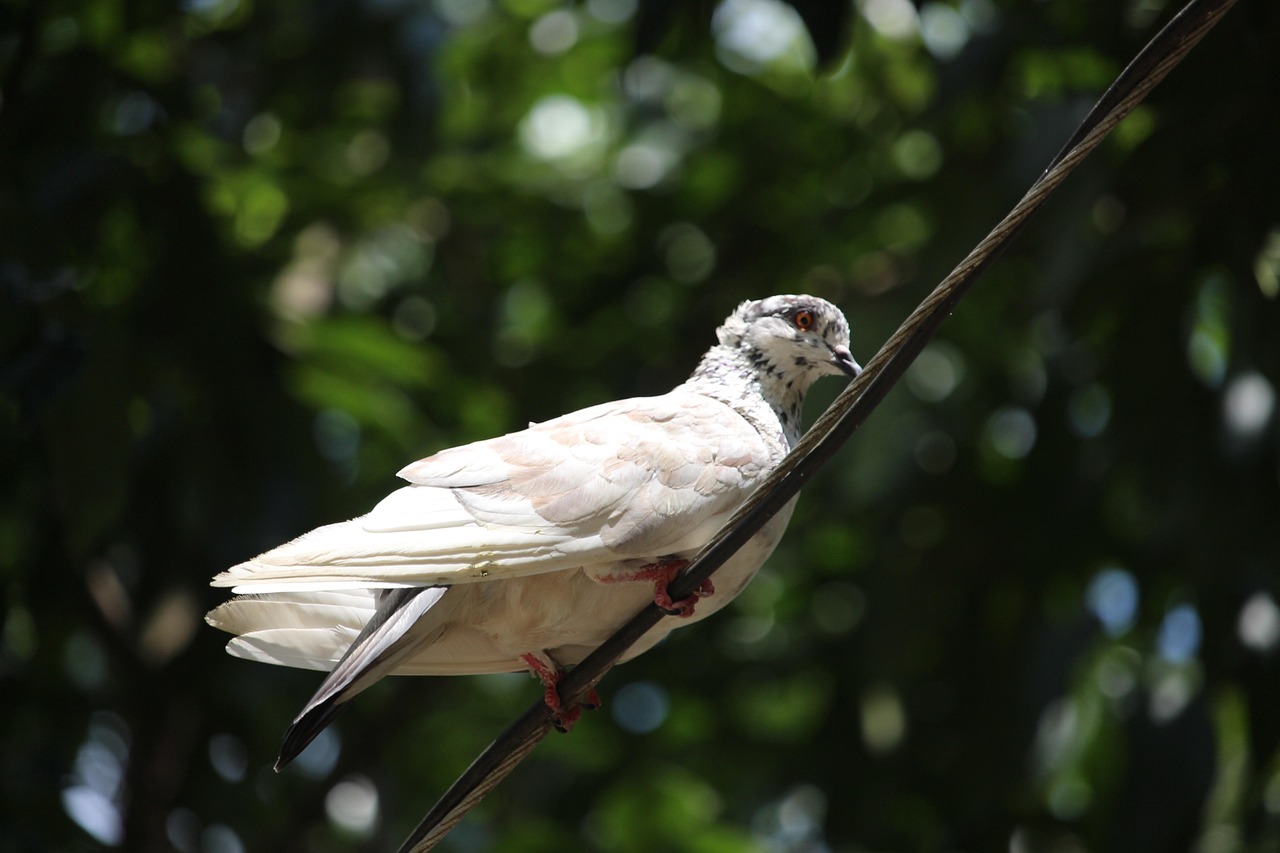
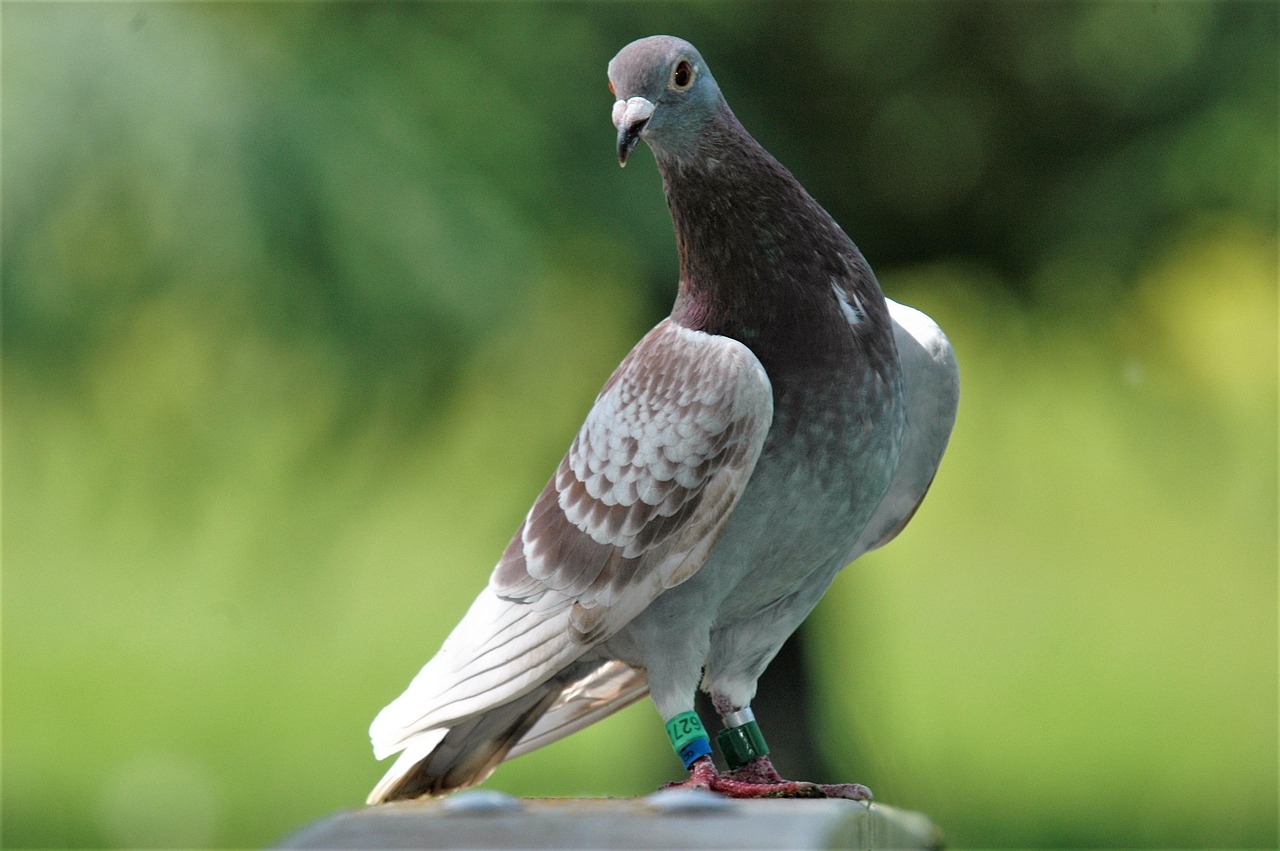
Kashki pigeons are renowned for their elegant physique and vibrant plumage, which vary widely among individuals. Common features include a sleek body, long wings, and a distinctive head shape that exudes grace. Their colors range from pure white and black to intricate patterns of red, yellow, and blue, making each bird a unique work of art. Breeders often prioritize these visual traits in competitions, where aesthetics play a crucial role in judging.
The aesthetic appeal of the حمام كشكي goes beyond mere looks; it's about the harmony of form and function. Their streamlined build aids in agile flight, while their feathers are maintained through meticulous grooming. Observing these pigeons in motion is a visual treat, as they glide through the air with effortless poise. This combination of beauty and performance makes them a favorite among those who value both artistry and practicality in their avian companions.
Advantages and Disadvantages of Kashki Pigeons
Owning Kashki pigeons comes with a mix of benefits and challenges that every potential breeder should consider. In this section, we'll break down the عيوب ومميزات to provide a balanced perspective, helping you make informed decisions about incorporating these birds into your flock.
Key Advantages of the Breed
Kashki pigeons offer numerous advantages that make them a rewarding choice for enthusiasts. Their hardy nature allows them to adapt well to various climates, reducing the risk of health issues compared to more delicate breeds. They are known for their intelligence and trainability, making them easier to handle and breed for specific traits. Additionally, their aesthetic diversity provides endless opportunities for selective breeding, allowing breeders to create unique lineages that stand out in shows and competitions.
Another significant advantage is their social behavior; Kashki pigeons tend to be peaceful and cooperative within flocks, minimizing aggression and stress. This makes them suitable for community aviaries or mixed-breed setups. Their flight capabilities are also a plus, as they excel in endurance and speed, appealing to those interested in pigeon racing or aerial displays. Overall, the حمام كشكي combines beauty, resilience, and versatility, offering a fulfilling experience for dedicated keepers.
Potential Drawbacks to Consider
Despite their many strengths, Kashki pigeons have some drawbacks that require careful management. One common issue is their susceptibility to certain diseases, such as respiratory infections, which can spread quickly in crowded conditions. Regular veterinary check-ups and a clean environment are essential to mitigate these risks. Their specific dietary needs, including high-quality grains and supplements, can also be more costly and time-consuming than for some other breeds.
Breeding Kashki pigeons can present challenges, as achieving desired aesthetic traits often involves complex genetics and patience. Inexperienced breeders might struggle with maintaining pure bloodlines or dealing with infertility issues. Additionally, their active nature means they require ample space for flying and exercise, which might not be feasible in urban settings. By acknowledging these عيوب ومميزات, breeders can prepare adequately and ensure the well-being of their birds.
Selecting the Right Kashki Pigeon: A Comprehensive Guide
Choosing a Kashki pigeon involves more than just picking the prettiest bird; it requires a strategic approach based on health, lineage, and personal goals. This section provides actionable tips to help you select the best specimens for your needs, whether for breeding, showing, or companionship.
Health and Vitality Assessment
When selecting a حمام كشكي, prioritize health above all else. Look for birds with bright, clear eyes, smooth feathers, and active behavior, as these are indicators of good vitality. Avoid pigeons that show signs of lethargy, discharge from the eyes or nostrils, or irregular breathing, which could signal underlying health issues. It's advisable to purchase from reputable breeders who provide health records and allow you to observe the birds in their natural habitat.
Conduct a thorough physical examination by checking the bird's weight, muscle tone, and leg strength. A healthy Kashki pigeon should feel firm but not overweight, with strong legs that support agile movement. Pay attention to their droppings, which should be consistent and free of abnormalities. Investing time in this assessment upfront can prevent costly vet visits and ensure a long, happy life for your pigeon.
Evaluating Lineage and Genetic Traits
The lineage of a Kashki pigeon plays a crucial role in its potential for breeding and showing. Research the bird's pedigree to understand its genetic background, focusing on traits like color patterns, size, and flight abilities that align with your goals. Reputable breeders often maintain detailed records, so don't hesitate to ask for documentation or references. Selecting birds from proven bloodlines increases the likelihood of producing offspring with desirable characteristics.
Consider the genetic diversity within the lineage to avoid inbreeding, which can lead to health problems and reduced vitality. If possible, visit multiple breeders to compare options and observe how the birds interact with their environment. This hands-on approach helps you gauge temperament and compatibility with your existing flock. By prioritizing lineage and genetics, you set a solid foundation for successful pigeon keeping.
Care and Management for Optimal Health
Proper care is essential to maximize the benefits of owning Kashki pigeons while minimizing their drawbacks. This section covers best practices for housing, nutrition, and daily maintenance, ensuring your birds thrive in a supportive environment.
Housing and Environmental Needs
Kashki pigeons require spacious, well-ventilated housing that protects them from extreme weather and predators. Aviaries should be designed with perches, nesting boxes, and open areas for flying to promote natural behaviors. Ensure the enclosure is secure, with mesh that prevents escapes and keeps out pests. Regular cleaning is vital to prevent disease; remove droppings daily and disinfect surfaces weekly to maintain hygiene.
The environment should mimic their natural habitat as much as possible, with access to sunlight and fresh air. In colder climates, provide insulation and heating options, while in hot areas, shade and water sources are crucial. Monitoring temperature and humidity levels helps prevent stress-related issues. By creating a comfortable and safe home, you support the overall well-being and productivity of your حمام كشكي.
Nutrition and Feeding Strategies
A balanced diet is key to maintaining the health and aesthetic qualities of Kashki pigeons. Feed them a mix of high-quality grains, such as corn, wheat, and peas, supplemented with vitamins and minerals to support feather growth and immune function. Fresh water should always be available, and consider adding grit to aid digestion. Adjust portions based on activity level and breeding status to prevent obesity or malnutrition.
Incorporate variety into their diet with occasional treats like greens or fruits, but avoid sugary or processed foods that can harm their health. During breeding seasons, increase protein intake to support egg production and chick development. Consistency in feeding schedules helps regulate their metabolism and reduces stress. With proper nutrition, your pigeons will exhibit vibrant plumage and robust energy.
Breeding and Training Techniques
Breeding and training Kashki pigeons require skill and patience to achieve desired outcomes. This section explores effective methods for successful reproduction and behavioral development, enhancing your experience as a breeder.
Breeding Best Practices
Successful breeding of حمام كشكي starts with selecting compatible pairs based on health, lineage, and aesthetic goals. Introduce birds gradually to allow bonding, and provide a quiet, stress-free nesting area. Monitor the breeding process closely, ensuring eggs are incubated properly and chicks receive adequate care from parents or hand-rearing if necessary. Keep detailed records of mating dates, hatch rates, and offspring traits to track progress and make informed decisions for future cycles.
Address common challenges like infertility or aggression by adjusting environmental factors or seeking advice from experienced breeders. Genetic testing can help identify carriers of undesirable traits, allowing you to refine your breeding program. Patience is essential, as achieving specific color patterns or sizes may take multiple generations. By following these practices, you contribute to the preservation and improvement of the Kashki breed.
Training for Performance and Bonding
Training Kashki pigeons enhances their flight abilities and strengthens the bond between bird and keeper. Start with basic commands using positive reinforcement, such as offering treats for desired behaviors like returning to the loft. Gradually introduce flight exercises in a controlled environment, building endurance and agility over time. Consistency and patience are key, as these intelligent birds respond well to routine and gentle handling.
Incorporate social training by allowing pigeons to interact with flock mates, which reduces stress and promotes cooperative behavior. For those interested in competitions, focus on specific skills like homing or aerial maneuvers. Training not only improves performance but also enriches the birds' lives, providing mental stimulation and physical activity. With dedication, you can develop a well-trained حمام كشكي that excels in various activities.
Conclusion
In summary, Kashki pigeons offer a captivating blend of aesthetic beauty and practical versatility, making them a valuable addition to any pigeon enthusiast's collection. By understanding their عيوب ومميزات, selecting birds carefully, and providing dedicated care, you can enjoy the rewards of breeding and keeping these remarkable birds. Whether for show, sport, or companionship, the حمام كشكي embodies the rich heritage of Arabian pigeon breeds. For those looking to streamline their management, consider tools like Ghawy – Pigeon Manager (غاوي – إدارة الحمام) to enhance your experience and ensure the best outcomes for your flock.