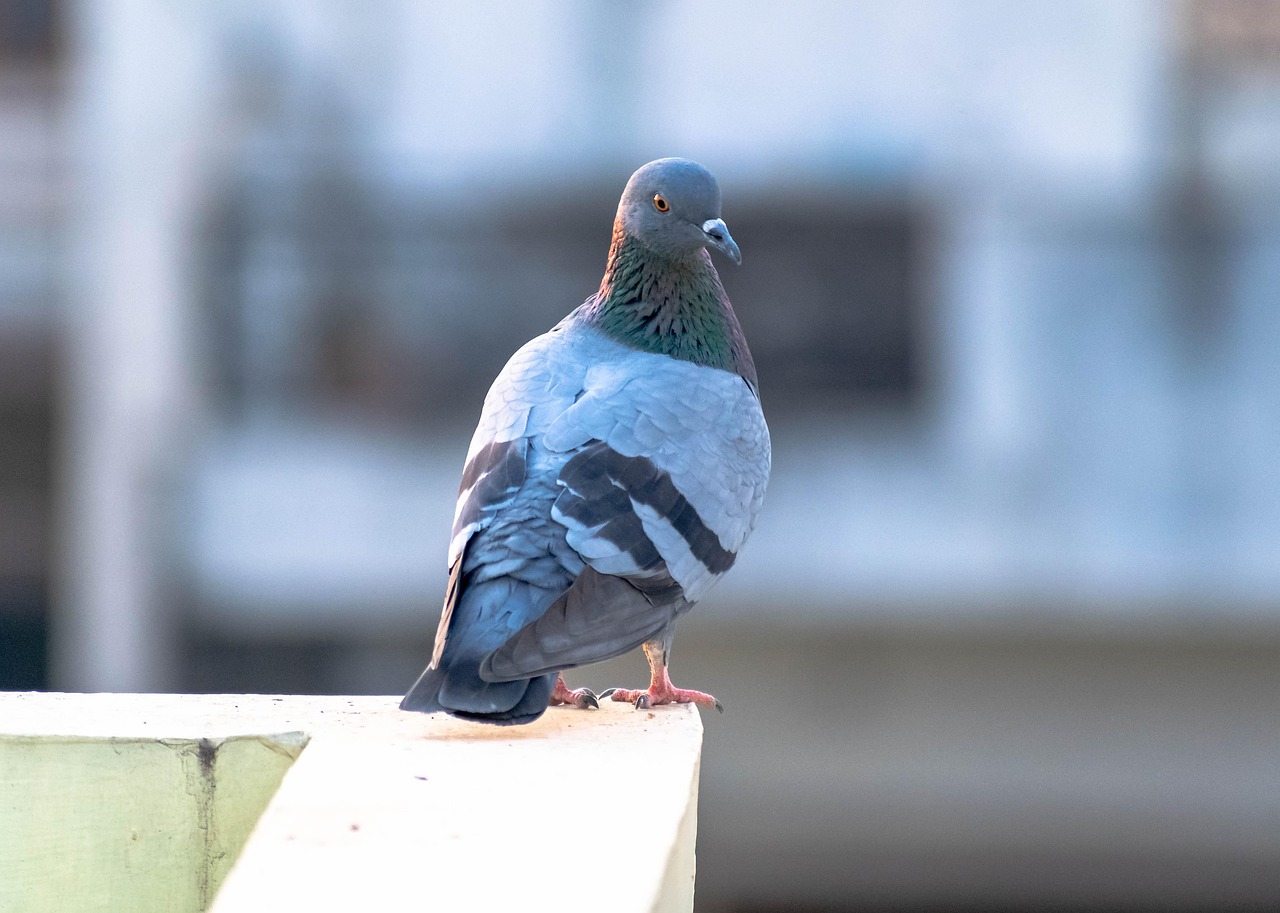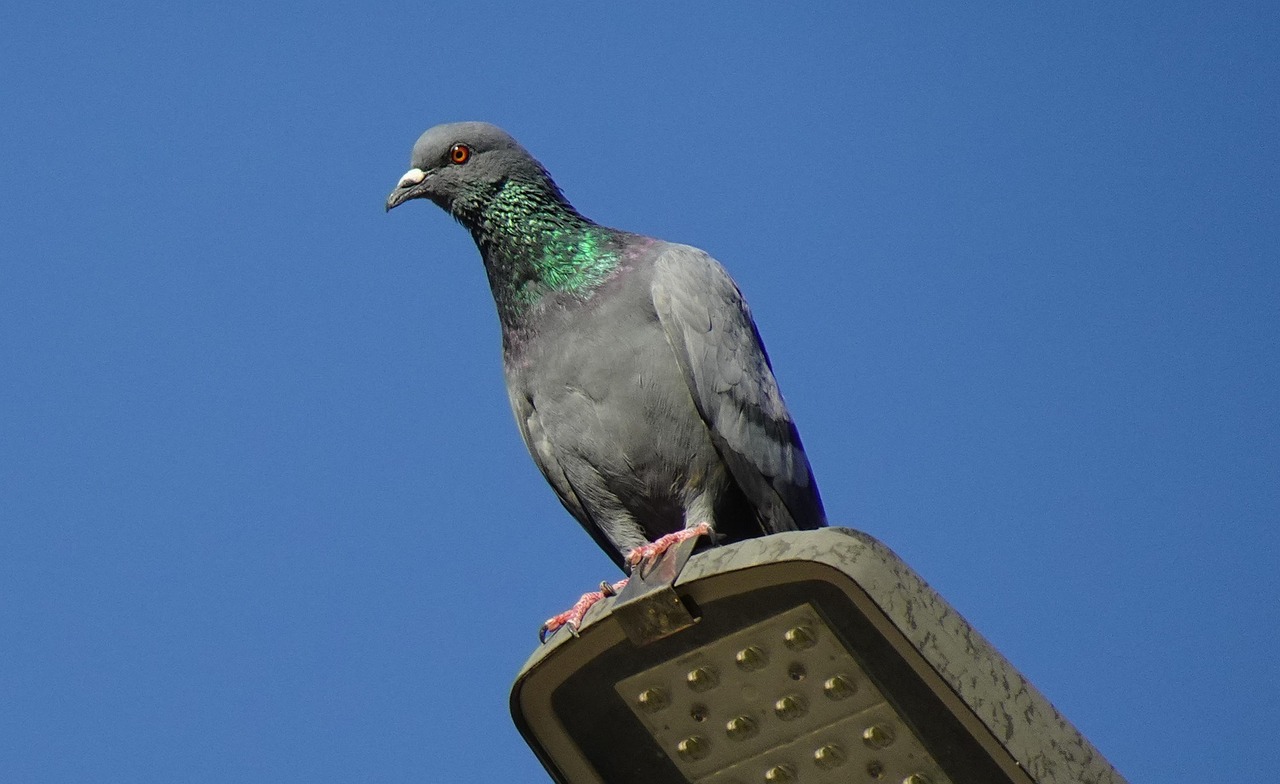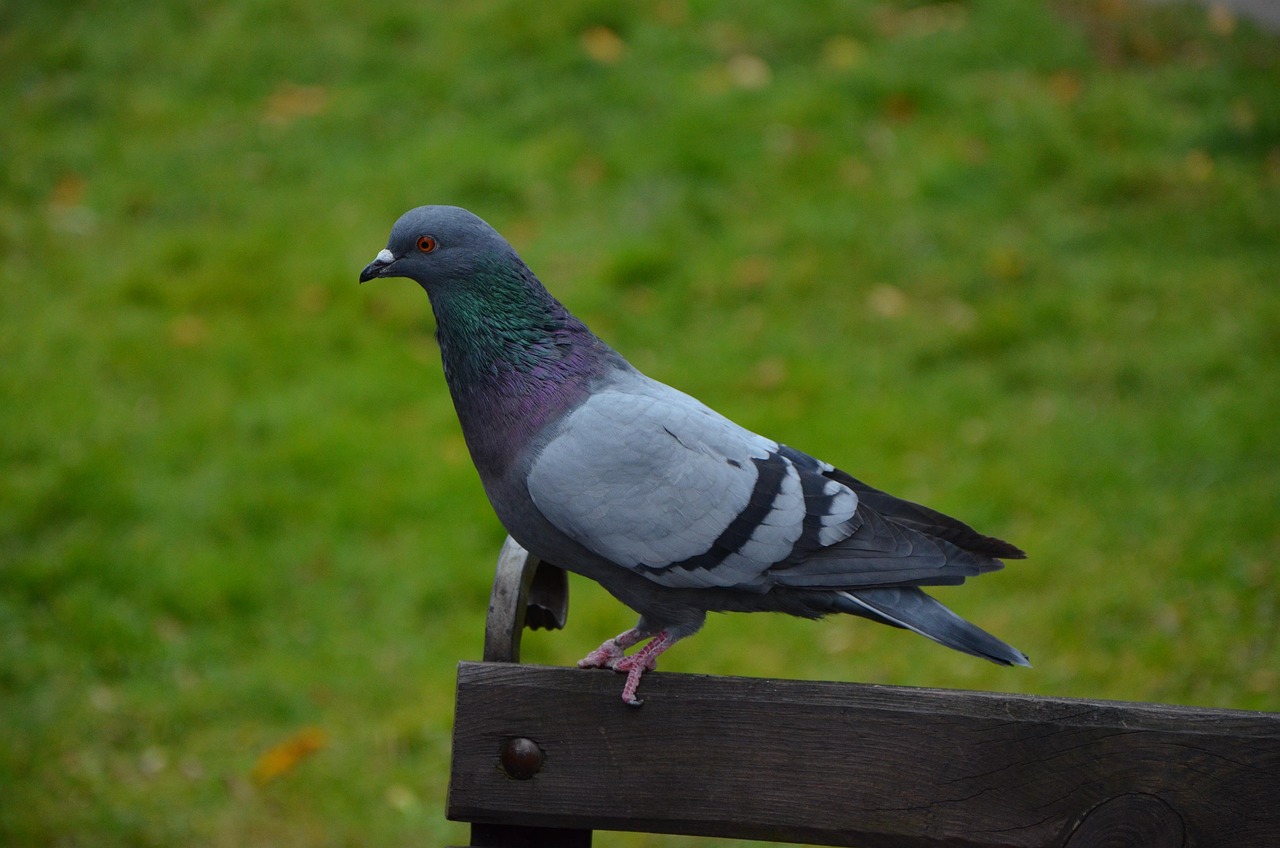
In the competitive world of pigeon shows, a stunning photograph can be the difference between a bird blending in and one that commands attention and value. This guide delves into the art of pigeon photography, offering expert techniques to capture your bird's best angles and enhance its show presentation, ultimately boosting its market appeal. Whether you're a seasoned breeder or a newcomer, these insights will help you showcase your pigeons like a pro.
The Art of Pigeon Photography: Capturing Beauty and Character
Pigeon photography is more than just snapping pictures; it's about telling a story through visuals that highlight a bird's unique traits and elegance. A well-executed photo can convey health, posture, and plumage quality, making it a critical tool for show presentation. By mastering this skill, you not only document your pigeons but also create marketing assets that attract buyers and judges alike. This section explores why photography matters and how to approach it with a creative eye.
Understanding the Role of Photography in Show Presentation
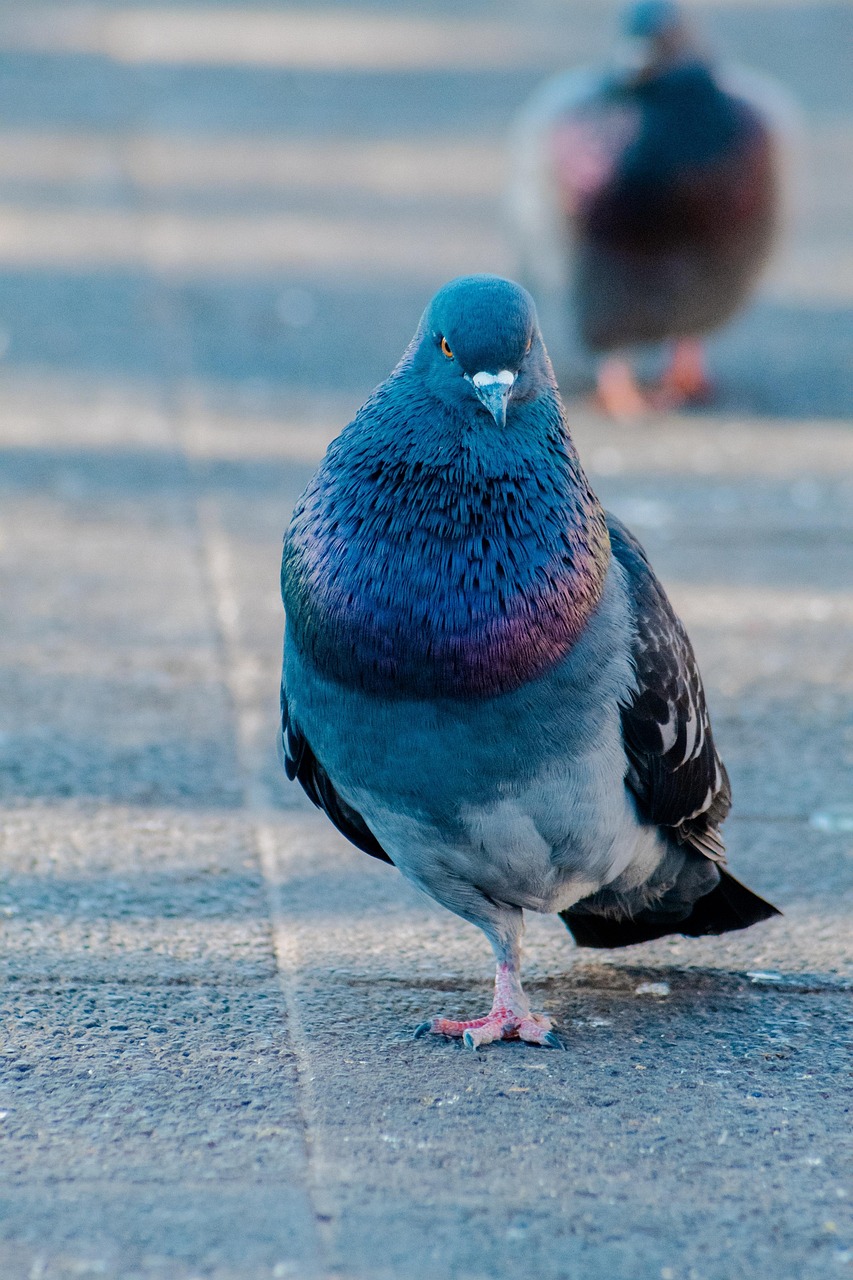
In show presentation, photography serves as a visual resume for your pigeon, showcasing its strengths before it even steps into the ring. A high-quality image can emphasize features like feather sheen, eye color, and body structure, which are key judging criteria. For example, a photo that captures the iridescence of a pigeon's neck feathers can highlight its genetic quality, making it more desirable to enthusiasts. By integrating pigeon photography into your routine, you build a portfolio that supports your bird's reputation and market value, turning casual viewers into potential buyers.
Moreover, in today's digital age, most initial interactions with pigeons happen online through websites or social media. A compelling photograph can stop scrollers in their tracks, driving engagement and inquiries. Think of it as the first impression in a show presentation; if the photo is blurry or poorly lit, it may undermine the bird's perceived worth. Investing time in learning photography techniques ensures your pigeons stand out in crowded online galleries, setting the stage for successful sales and show entries.
Essential Equipment for Professional Pigeon Shots
To achieve professional results in pigeon photography, you don't need the most expensive gear, but having the right tools can make a significant difference. Start with a DSLR or mirrorless camera that allows manual control over settings like aperture and shutter speed, giving you flexibility in various lighting conditions. A macro lens is ideal for close-up shots that capture intricate details, such as feather patterns or eye clarity, which are crucial for show presentation. Additionally, consider using a tripod to stabilize your camera, ensuring sharp images without blur, especially in low-light environments like indoor shows.
Lighting is another critical component; natural light often works best, as it brings out true colors and reduces harsh shadows. If shooting indoors, use softbox lights or reflectors to create even illumination that highlights your pigeon's features without overexposure. For example, positioning a light source at a 45-degree angle can accentuate texture and depth in the plumage. Don't forget accessories like a clean backdrop—simple colors like white or gray help the pigeon pop in the frame, minimizing distractions. By assembling a basic kit, you can elevate your pigeon photography from amateur snaps to polished portraits that enhance show presentation.
Techniques for Perfect Pigeon Portraits
Capturing the perfect pigeon portrait requires a blend of technical skill and patience, focusing on angles, lighting, and composition to showcase the bird's best attributes. This section provides actionable tips to improve your photography, ensuring each shot contributes to a compelling show presentation. From setting up the scene to post-processing, these techniques will help you create images that resonate with judges and buyers.
Setting Up the Perfect Shot: Angles and Backgrounds
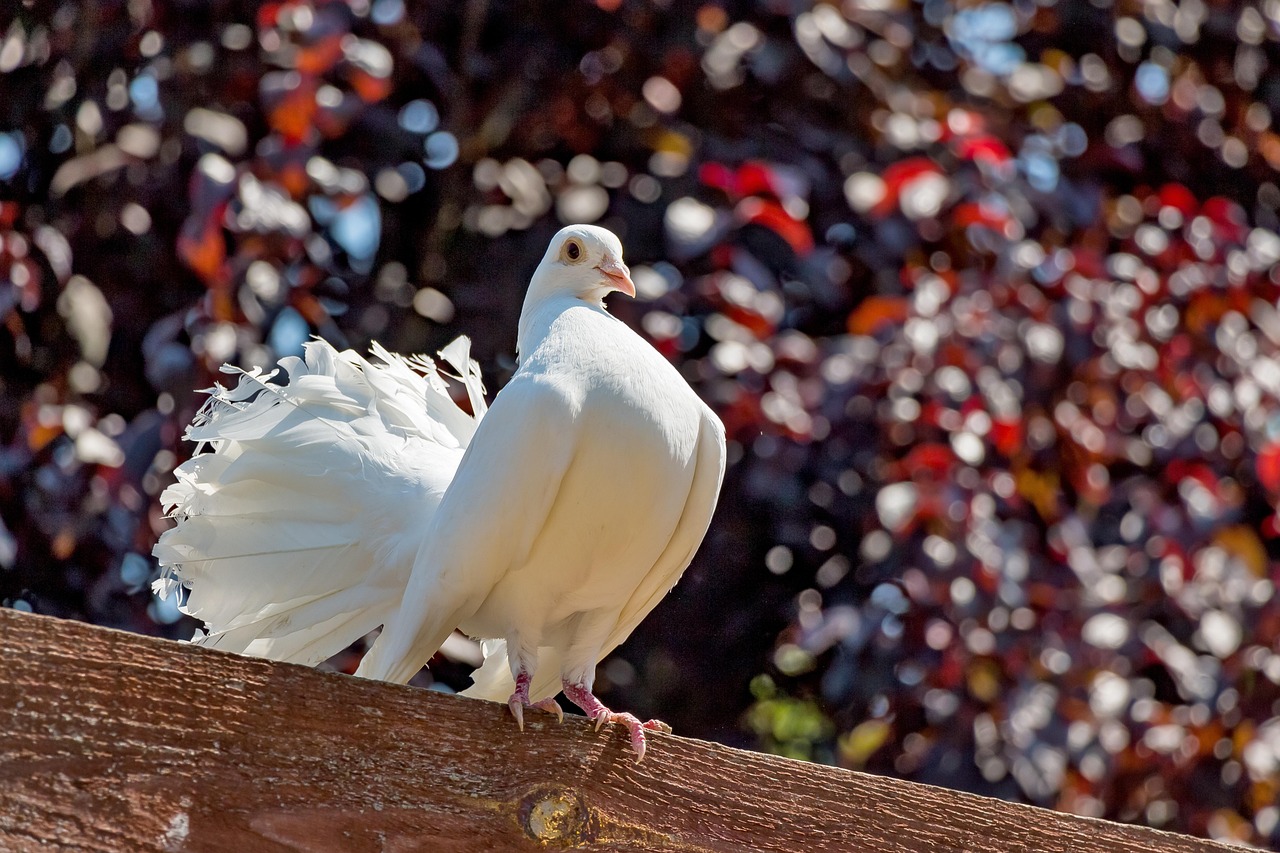
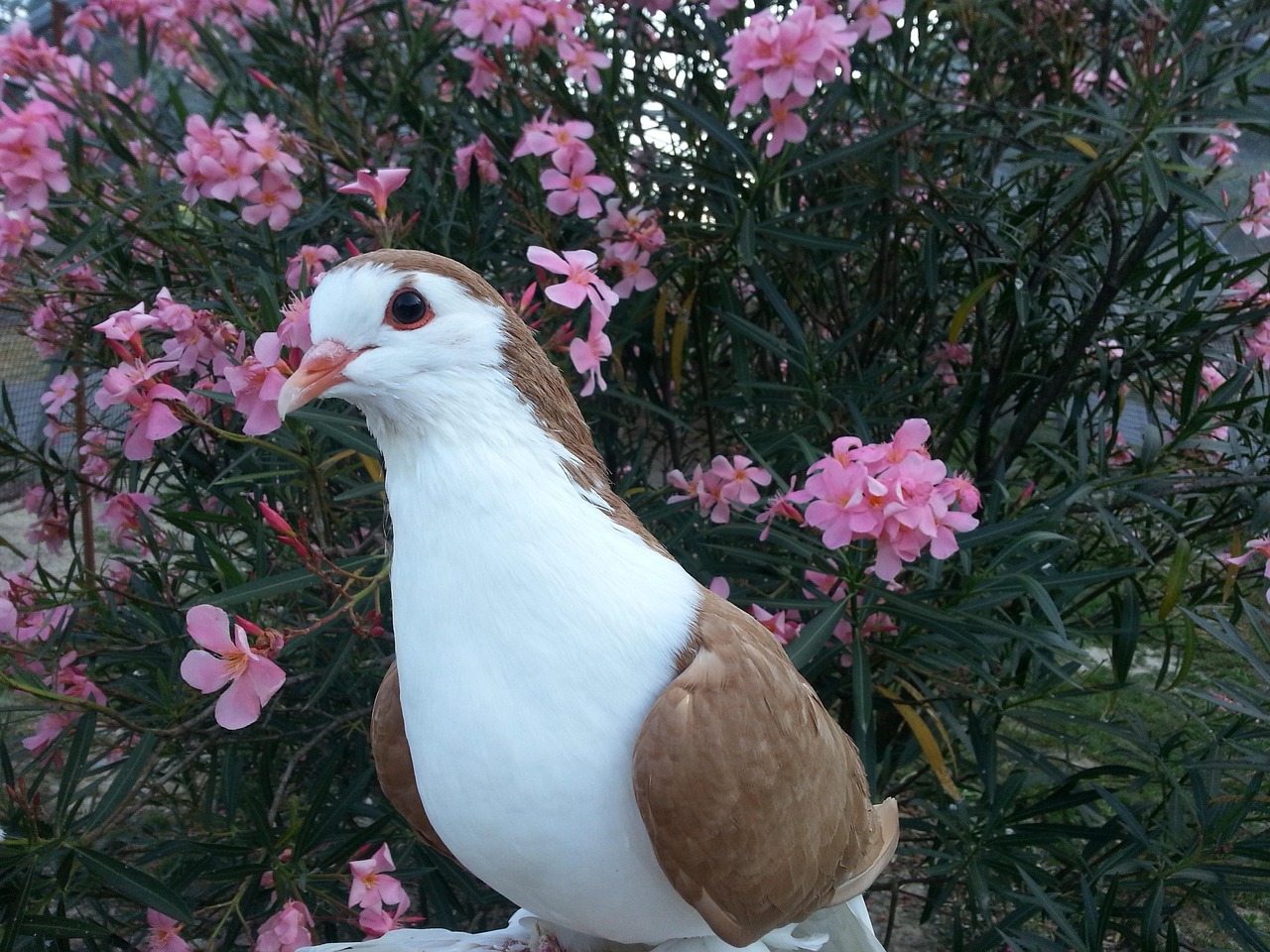
Choosing the right angle and background is fundamental in pigeon photography for an effective show presentation. Aim to shoot at the bird's eye level to create an engaging perspective that feels intimate and detailed. For instance, a side profile can highlight body conformation and wing structure, while a front view might emphasize head shape and eye expression. Experiment with different angles to find what best suits your pigeon's unique features, such as capturing the curve of its beak or the spread of its tail feathers in a dynamic pose.
The background should complement the pigeon without overpowering it; opt for neutral tones like beige or light blue that contrast with the bird's colors. Avoid busy patterns or cluttered spaces, as they can distract from the main subject. In a show setting, use a portable backdrop to maintain consistency across photos, making your portfolio look professional. Remember, the goal is to make the pigeon the star of the image, so keep the setup simple and focused. By mastering these elements, you'll produce clean, impactful photos that enhance your show presentation and market appeal.
Lighting and Composition Tips for Enhanced Details
Lighting plays a pivotal role in pigeon photography, as it can reveal or obscure key details in show presentation. Utilize soft, diffused light to avoid harsh shadows that might hide feather quality or color nuances. Early morning or late afternoon sunlight often provides a warm, flattering glow that enhances natural hues. If using artificial light, position it to create a gentle highlight on the pigeon's back or wings, emphasizing texture without causing glare. For example, a backlight can create a halo effect around the bird, adding drama and depth to the image.
Composition is equally important; apply the rule of thirds by placing the pigeon off-center to create a balanced, visually appealing shot. Include negative space around the bird to draw attention to its form and allow for text overlays in marketing materials. Focus on capturing sharp details, such as the clarity of the eye or the smoothness of the feathers, which are critical in judging. Use a narrow aperture (high f-stop) to increase depth of field, keeping the entire bird in focus. By combining thoughtful lighting with strong composition, you'll craft photos that not only look beautiful but also serve as powerful tools in your show presentation strategy.
Show Presentation Strategies Through Photography
Photography is a strategic component of show presentation, helping to build a narrative around your pigeon's qualities and achievements. This section explores how to use photos to tell a story, from documenting progress to creating promotional materials. By aligning your photography with show goals, you can increase engagement and drive interest in your birds.
Building a Visual Portfolio for Competitions
A visual portfolio is essential for showcasing your pigeons in competitions, as it provides judges with a comprehensive view of each bird's attributes. Start by taking photos at different stages, such as during molting or in peak condition, to demonstrate growth and health over time. For show presentation, include shots that highlight specific features valued in your pigeon's breed, like leg length or feather density. Organize these images in a digital album or printed booklet, with captions that explain key points, such as "This photo shows the ideal wing span for show standards."
Incorporate action shots, like the pigeon in flight or interacting with others, to add dynamism and personality to your portfolio. These images can convey vitality and temperament, which are often considered in judging. Use high-resolution files to ensure clarity when viewed on screens or in print, as blurry photos can detract from your presentation. By curating a diverse and detailed portfolio, you not only prepare for competitions but also create a resource that buyers can reference, boosting confidence in your pigeons' quality and market value.
Using Photos to Enhance Online and Offline Marketing
In today's market, photos are powerful tools for marketing your pigeons both online and offline, directly impacting show presentation and sales. For online platforms, such as websites or social media, use eye-catching images as thumbnails to attract clicks and shares. Write descriptive captions that incorporate keywords like "pigeon photography" and "show presentation" to improve SEO and reach a wider audience. For example, post a series of photos with tips on grooming or training, positioning yourself as an expert while showcasing your birds.
Offline, include photos in brochures, business cards, or show catalogs to create a tangible connection with potential buyers. At live events, display large prints or digital slideshows to draw crowds to your booth, using visuals to tell the story of your pigeons' lineage and achievements. Ensure consistency in style and quality across all materials to build a professional brand image. By leveraging photography in your marketing efforts, you not only enhance show presentation but also drive interest and sales, making your pigeons more valuable in the competitive market.
Advanced Tips for Seasoned Enthusiasts
For those looking to take their pigeon photography to the next level, this section offers advanced techniques that can refine your skills and elevate your show presentation. From post-processing to creative storytelling, these insights will help you stand out in a crowded field and maximize your pigeons' appeal.
Post-Processing and Editing for Professional Results
Post-processing is a crucial step in pigeon photography, allowing you to enhance images for a polished show presentation. Use software like Adobe Lightroom or free alternatives to adjust exposure, contrast, and color balance, ensuring the photo accurately represents the pigeon's appearance. For instance, subtly increase saturation to make feather colors pop without looking artificial, or use sharpening tools to highlight fine details like barbules. Avoid over-editing, as judges and buyers value authenticity; aim for natural enhancements that correct minor flaws, such as removing dust spots or balancing shadows.
Consider creating before-and-after comparisons to demonstrate the impact of editing, which can be useful in educational content or marketing. Save edited files in high-quality formats like JPEG or PNG for sharing, and keep originals for future use. By mastering basic editing techniques, you can transform good photos into great ones, reinforcing your reputation for quality in show presentation. Remember, the goal is to complement the pigeon's natural beauty, not overshadow it, so use edits sparingly and with purpose.
Creative Storytelling Through Photo Series
Creative storytelling through photo series can add depth to your show presentation, engaging viewers on an emotional level and highlighting your pigeons' journey. Plan a series that documents a pigeon from hatchling to show-ready adult, capturing key milestones like first flights or training sessions. Use varied shots—close-ups, wide angles, and action scenes—to build a narrative that showcases growth, personality, and dedication. For example, a series titled "From Coop to Show" could include images of the pigeon in its home environment, during grooming, and in competition, telling a cohesive story.
Incorporate these series into your marketing materials, such as blog posts or social media campaigns, to foster connection and trust with your audience. Add brief descriptions that explain each photo's context, emphasizing how it relates to show presentation standards. This approach not only enhances your portfolio but also positions you as a thoughtful breeder who cares about every aspect of pigeon raising. By telling stories through photography, you create memorable content that boosts engagement and market value, making your pigeons more than just birds—they become characters in a compelling tale.
Conclusion
Mastering pigeon photography is a game-changer for enhancing show presentation and elevating market value. By focusing on techniques like proper lighting, composition, and storytelling, you can create images that capture your birds' essence and attract attention from judges and buyers alike. Remember, a great photo not only showcases beauty but also builds trust and credibility in the competitive pigeon world. As you apply these tips, consider leveraging tools like Ghawy – Pigeon Manager (غاوي – إدارة الحمام) to streamline your management and presentation efforts, ensuring your pigeons always look their best. Start experimenting with your camera today, and watch as your pigeons' value soars to new heights.