In the world of pigeon shows, a stunning photograph can be the difference between a bird blending in and one that commands attention and value. This guide delves into the art of pigeon photography, offering expert techniques to capture your birds in their best light and elevate their market appeal through professional show presentation. Whether you're a seasoned breeder or a newcomer, mastering these skills can transform how your pigeons are perceived and valued.
The Art of Pigeon Photography: Capturing Beauty and Character
Pigeon photography is more than just taking pictures; it's about telling a story of elegance, health, and pedigree through visual media. A well-executed photo highlights the unique features that make your bird stand out in a competitive show environment. By focusing on key aspects like lighting and composition, you can create images that not only showcase your pigeon's physical attributes but also convey its personality and breeding quality. This section explores the foundational principles that underpin effective pigeon photography, setting the stage for more advanced techniques.
Understanding Lighting and Background for Optimal Shots
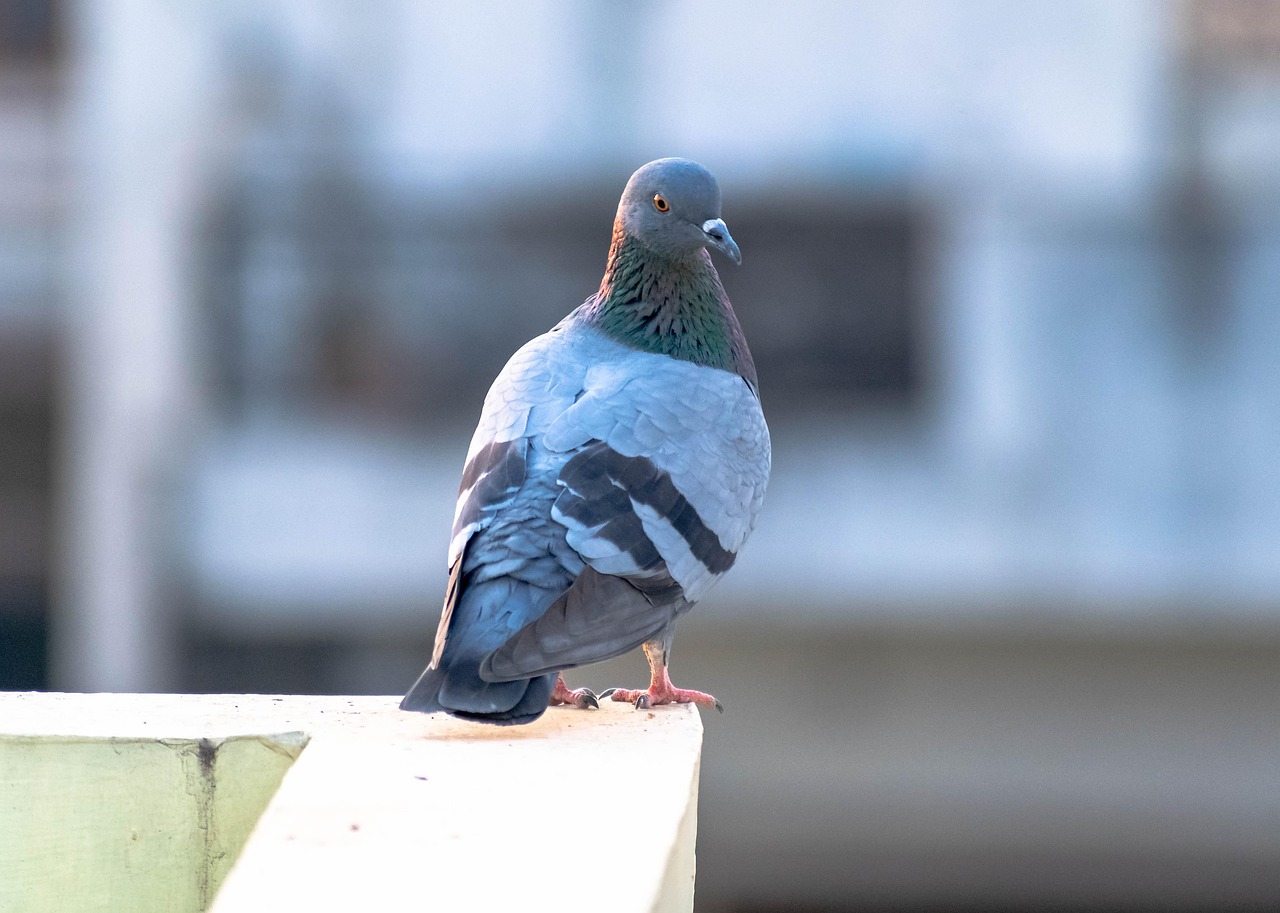
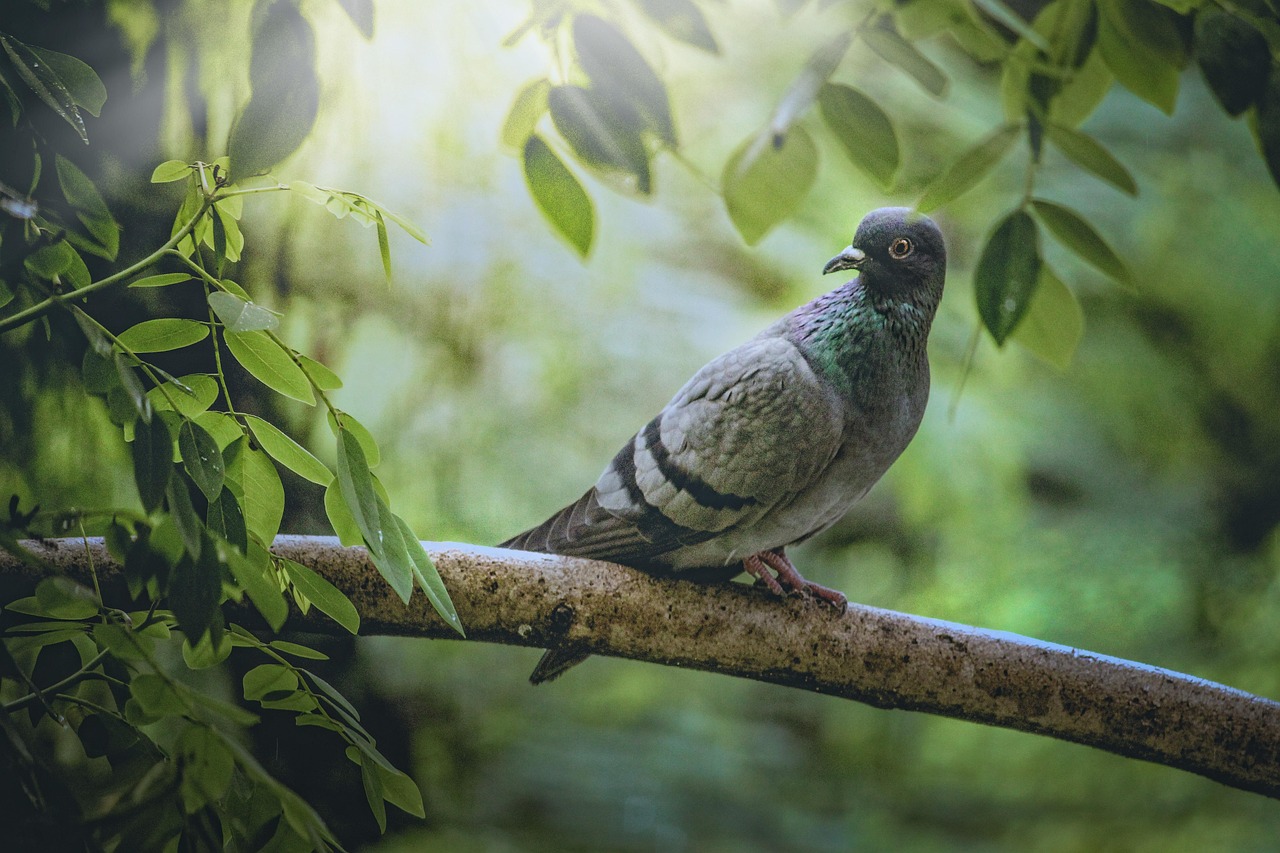
Lighting is the cornerstone of any great photograph, and in pigeon photography, it can make or break the image. Natural light, such as soft morning or late afternoon sun, often works best to avoid harsh shadows and bring out the true colors of the feathers. Avoid direct midday sun, which can cause overexposure and wash out details. For indoor shoots, use diffused artificial lighting to mimic natural conditions, ensuring even illumination across the bird. The background should be simple and non-distracting—neutral colors like white, gray, or light blue help the pigeon pop without competing for attention. A clean backdrop also emphasizes the bird's form and reduces post-processing needs, making your photos look more professional and authentic for show presentation.
Composition Techniques to Highlight Key Features
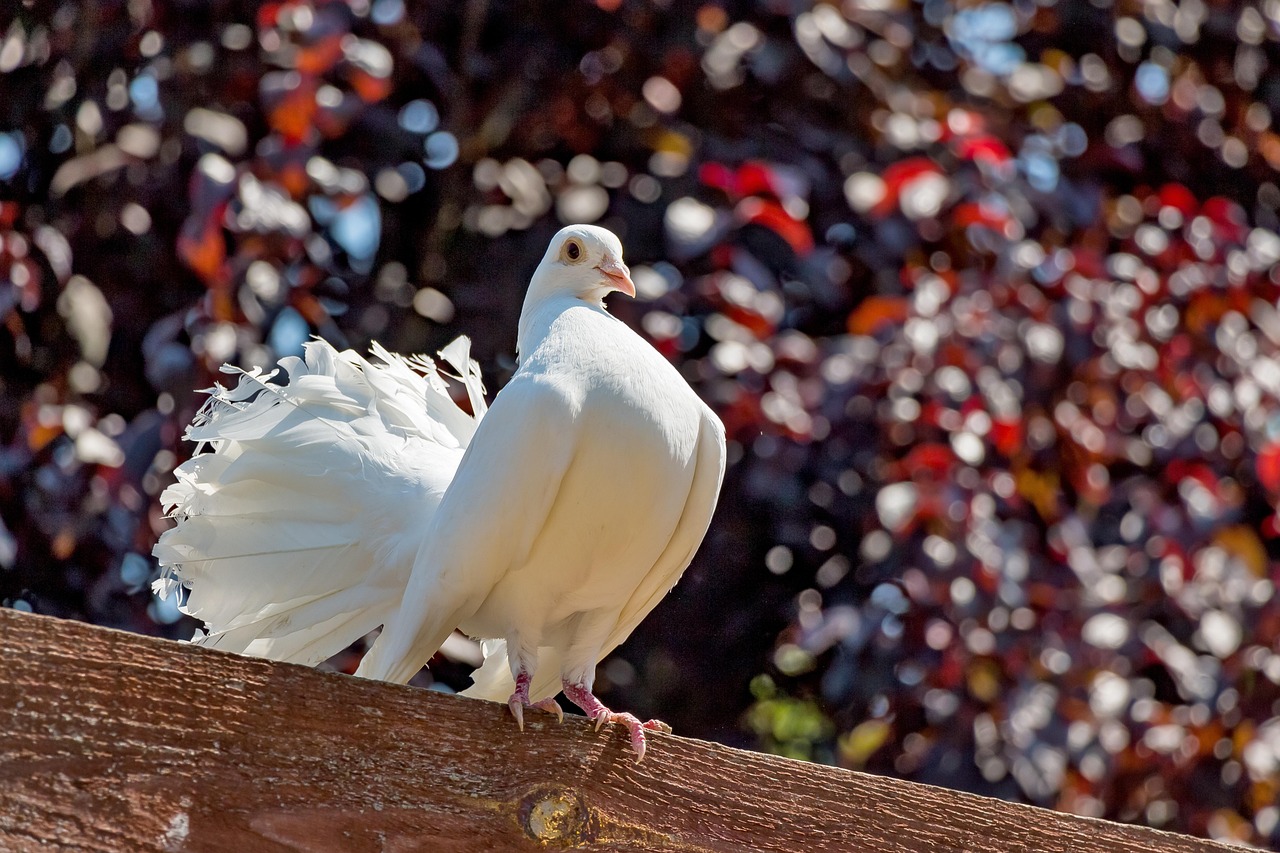
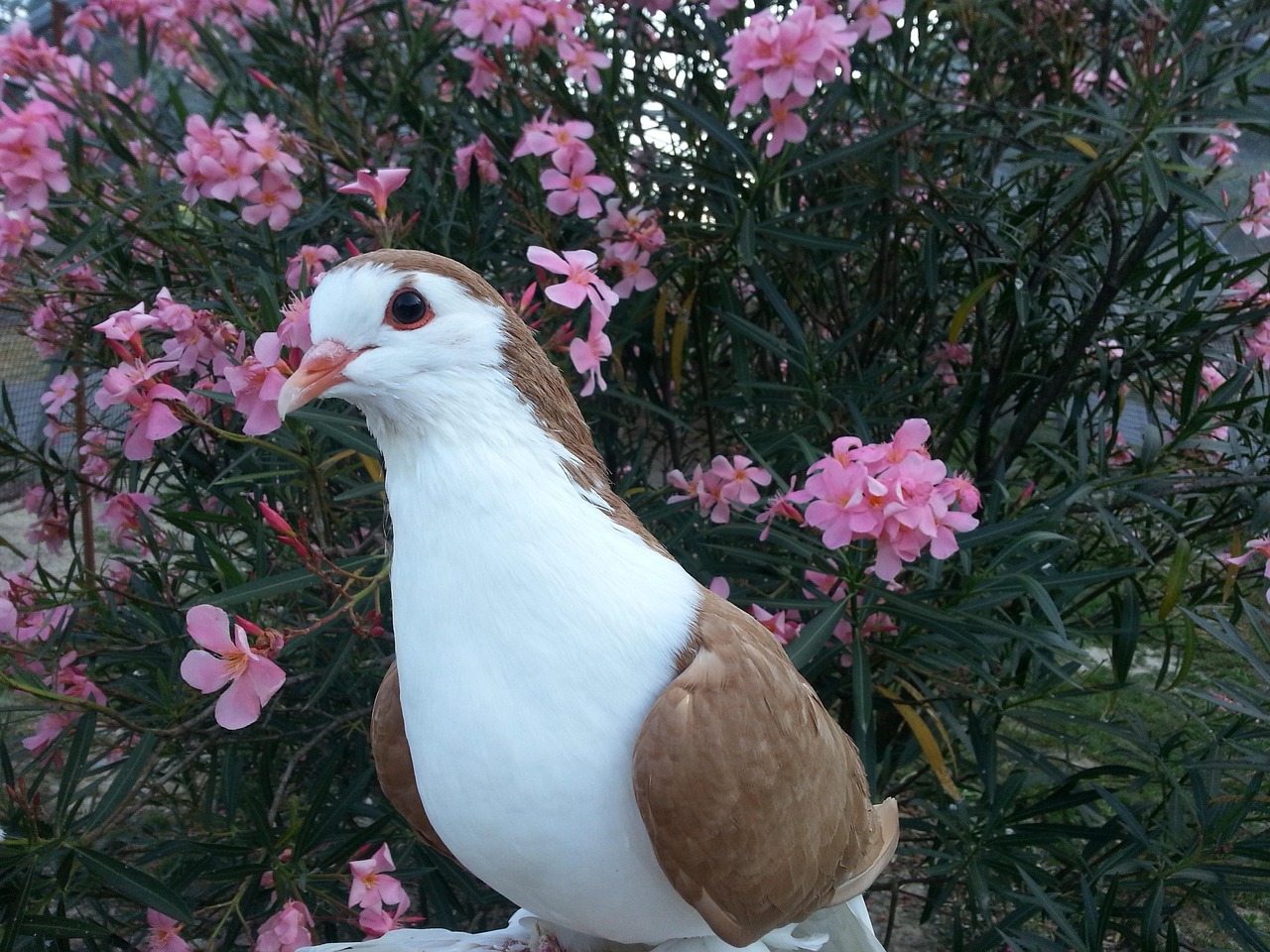
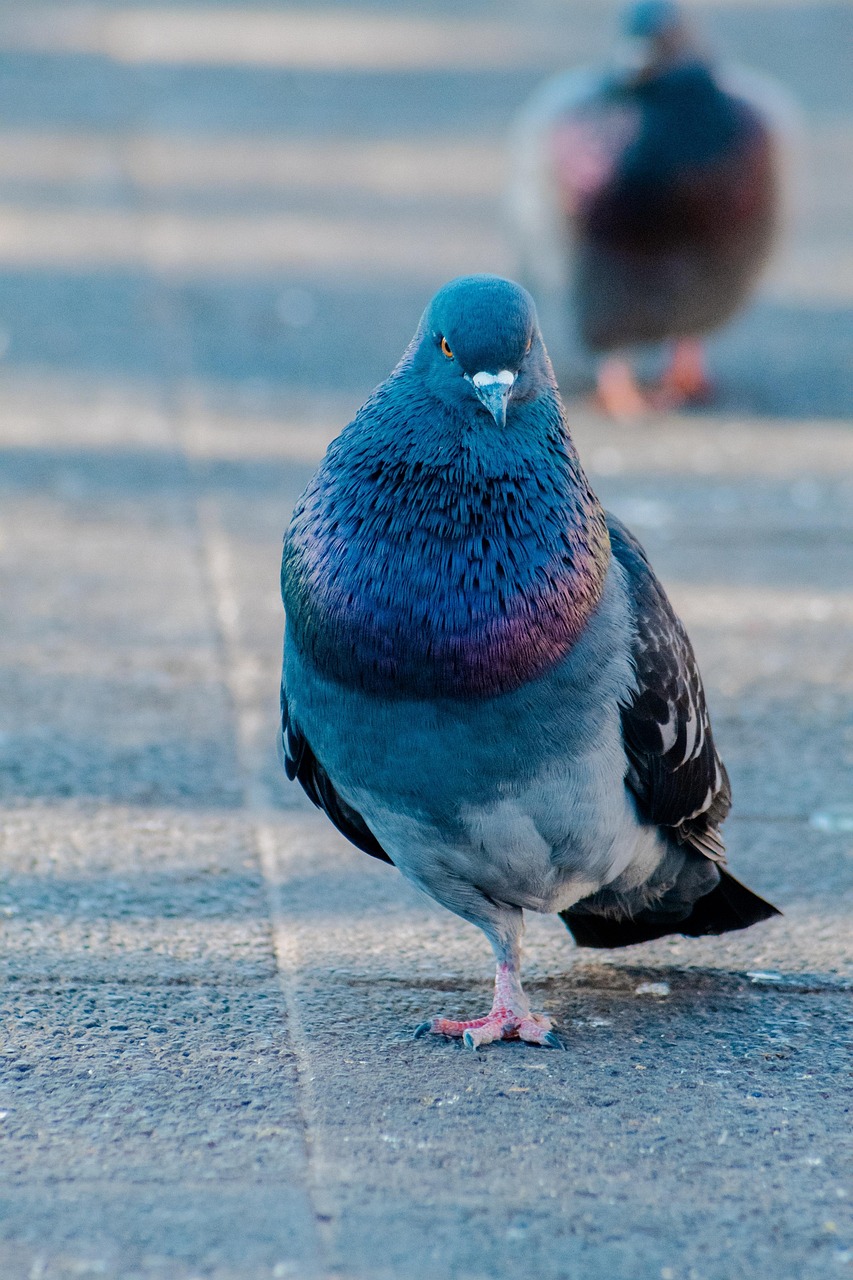
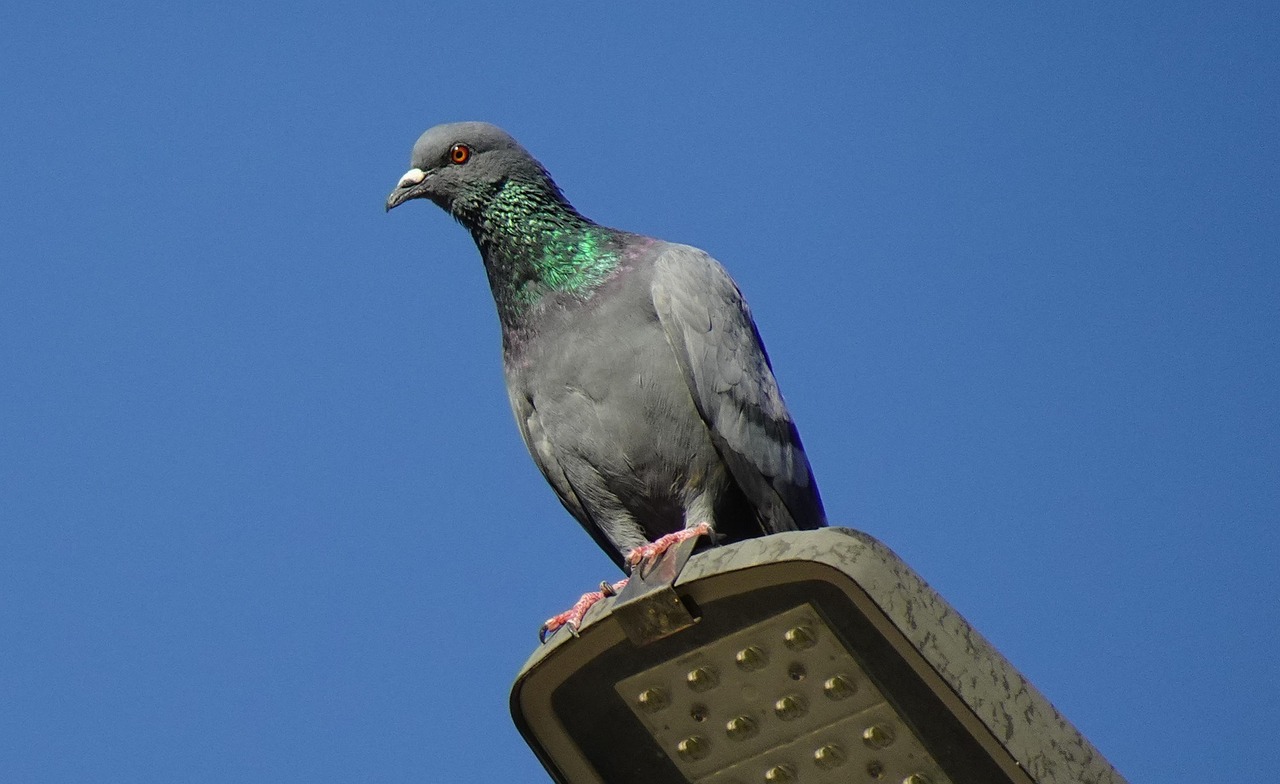
Composition involves arranging elements within the frame to guide the viewer's eye and emphasize what matters most. For pigeons, focus on capturing their posture, feather patterns, and eye clarity. Use the rule of thirds by placing the bird off-center to create a dynamic and engaging shot. Close-up shots can highlight intricate details like iridescent neck feathers or clean leg scales, while full-body shots showcase overall conformation and balance. Experiment with angles: a slight elevation can make the pigeon appear more majestic, while eye-level shots foster a connection with the viewer. Remember, the goal is to present the pigeon as a show-ready specimen, so avoid cluttered compositions that detract from its beauty. Practice these techniques to develop a keen eye for what makes a winning photo in competitive circles.
Advanced Techniques for Show-Ready Pigeon Photography
Once you've mastered the basics, advanced pigeon photography techniques can take your images to the next level, enhancing their impact in show presentations. These methods involve careful preparation, specialized equipment, and post-processing to ensure every photo meets professional standards. By investing time in these areas, you can create a portfolio that not only documents your birds but also markets them effectively to judges and buyers. This section covers practical steps to refine your photography skills and produce standout visuals.
Preparing Your Pigeon for the Camera
Preparation is key to capturing a pigeon at its best. Start by grooming the bird thoroughly: clean its feathers with a soft brush, check for any dirt or mites, and ensure its beak and claws are trimmed. A healthy, well-cared-for pigeon will naturally look more vibrant in photos. Schedule the shoot during a time when the bird is calm and relaxed, such as after feeding or during a quiet part of the day. Use treats or gentle handling to encourage natural poses, avoiding stress that can lead to awkward expressions or movements. Consider the setting—a familiar environment like its loft can help the pigeon feel at ease, but for more controlled shots, a dedicated photography area with minimal distractions works best. By prioritizing the pigeon's comfort, you'll capture more authentic and appealing images that reflect its true potential in show presentation.
Equipment and Post-Processing Tips
While a smartphone can take decent photos, investing in a DSLR or mirrorless camera with a macro lens can significantly improve quality, especially for detail shots. A tripod ensures stability and allows for sharper images, particularly in low-light conditions. For post-processing, use software like Adobe Lightroom or free alternatives to make subtle adjustments: enhance contrast to define feather patterns, adjust white balance for accurate colors, and crop to improve composition. Avoid over-editing, as authenticity is crucial in pigeon shows; the goal is to enhance, not alter, the bird's natural appearance. Save images in high resolution for print materials or online galleries, and organize them by breed or show category for easy access. These tools and techniques help create a polished portfolio that stands out in competitive environments, boosting your pigeon's market value through professional presentation.
Integrating Photography into Show Presentation Strategies
Pigeon photography should not exist in isolation; it must be seamlessly integrated into your overall show presentation strategy to maximize impact. From digital portfolios to physical displays, how you present these photos can influence judges' perceptions and buyers' decisions. This section explores practical ways to leverage your photography skills to create a cohesive and compelling narrative around your birds, enhancing their appeal in the show ring and beyond.
Creating a Digital Portfolio for Online Engagement
In today's digital age, an online portfolio is essential for reaching a wider audience and showcasing your pigeons to potential buyers and show organizers. Build a website or social media page dedicated to your birds, featuring high-quality photos organized by breed, age, or show achievements. Include captions that highlight key traits, such as lineage or award history, to add context. Use these platforms to share behind-the-scenes shots or video clips, giving followers a glimpse into your breeding program and care practices. Engage with the community by participating in online forums or groups focused on pigeon photography and show presentation. This not only builds your reputation but also drives traffic to your portfolio, increasing visibility and opportunities for sales or collaborations. A well-maintained digital presence can turn casual viewers into serious inquiries, elevating your pigeons' market value through strategic online exposure.
Using Photos in Physical Show Materials
Physical materials like show catalogs, flyers, and display boards rely heavily on photography to attract attention and convey quality. When preparing for a live show, print your best photos on high-quality paper or boards, ensuring they are large enough to be viewed from a distance. Arrange them in a logical sequence that tells a story—for example, start with a full-body shot, followed by close-ups of distinctive features, and end with action shots if available. Incorporate text that complements the images, such as breed standards or personal notes about the pigeon's temperament. At the show, set up your display in a well-lit area and use stands or frames to keep photos upright and professional. This tactile approach allows judges and attendees to appreciate the details up close, reinforcing the value of your birds through visual evidence. By blending digital and physical strategies, you create a multi-faceted presentation that resonates across different platforms, enhancing overall show success.
Common Mistakes to Avoid in Pigeon Photography
Even with the best intentions, common pitfalls can undermine your pigeon photography efforts, leading to subpar images that fail to impress in show presentations. Recognizing and avoiding these mistakes is crucial for maintaining a professional standard and ensuring your photos accurately represent your birds' worth. This section highlights frequent errors and provides actionable advice to steer clear of them, helping you refine your approach for better results.
Overlooking Bird Welfare During Shoots
One of the most critical mistakes is prioritizing the photo over the pigeon's well-being. Stressful conditions, such as prolonged handling or exposure to loud noises, can cause the bird to appear tense or unhealthy in images. Always monitor the pigeon's behavior—signs of distress include puffing feathers, rapid breathing, or attempts to escape. If the bird seems uncomfortable, take a break and reassess the environment. Use positive reinforcement, like treats or gentle praise, to create a positive association with photography sessions. Additionally, ensure the shoot area is safe and free from hazards that could injure the pigeon. By putting welfare first, you not only ethical but also capture more natural and appealing photos, as a relaxed bird will showcase its true beauty and character, essential for effective show presentation.
Neglecting Technical Details and Consistency
Technical oversights, such as poor focus, incorrect exposure, or inconsistent styling, can detract from the quality of your pigeon photography. Always check your camera settings before shooting: use a fast shutter speed to freeze motion, a narrow aperture for depth of field in detail shots, and adjust ISO to avoid graininess. Consistency is key—maintain similar lighting, backgrounds, and angles across your photo series to create a cohesive portfolio that looks professional. Avoid using filters or effects that distort colors or textures, as judges value authenticity in show presentations. Regularly review your images and seek feedback from experienced photographers or breeders to identify areas for improvement. By paying attention to these details, you ensure that every photo meets high standards, reinforcing your reputation and boosting your pigeons' market value through reliable and visually appealing content.
Conclusion
Mastering pigeon photography is a powerful tool for enhancing show presentation and elevating your birds' market value. By focusing on lighting, composition, and advanced techniques, you can create stunning images that capture the essence of your pigeons. Integrate these photos into digital and physical strategies to build a compelling narrative, while avoiding common mistakes to maintain professionalism. As you refine your skills, remember that every photo tells a story of dedication and quality. For those looking to streamline their pigeon management and presentation efforts, consider exploring tools like Ghawy – Pigeon Manager (غاوي – إدارة الحمام) to support your journey. Embrace these insights to stand out in the competitive world of pigeon shows and achieve greater success.