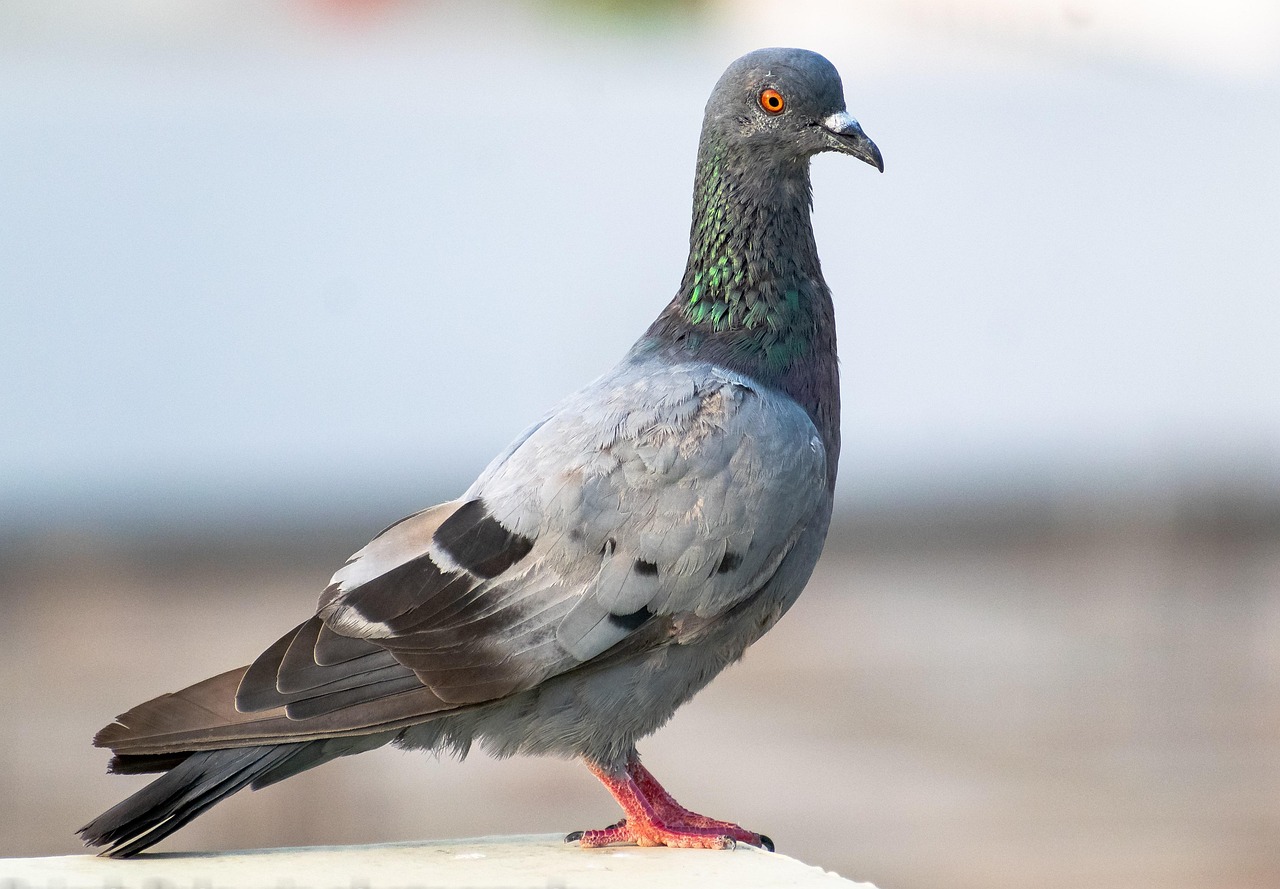
Breeding fancy pigeons is an art form that blends passion with precision, where genetics and global standards like the NPA criteria shape champions. This guide delves into the world of show pigeon criteria, offering actionable insights to elevate your breeding practices. Whether you're a novice or a seasoned enthusiast, understanding these principles is key to success in competitive circles.
Understanding NPA Standards for Fancy Pigeons
The National Pigeon Association (NPA) standards serve as the benchmark for excellence in fancy pigeon breeding, providing a comprehensive framework for evaluating birds in shows. These criteria ensure consistency and fairness, helping breeders focus on key traits that define top-quality specimens. By adhering to NPA standards, you can align your efforts with international best practices, enhancing both the beauty and health of your flock.
The Role of NPA Standards in Show Pigeon Criteria
NPA standards are meticulously designed to assess every aspect of a fancy pigeon, from physical conformation to coloration and behavior. They provide a detailed scoring system that judges use to rank birds, emphasizing traits like symmetry, feather quality, and overall vitality. For breeders, these standards offer a roadmap for selective breeding, guiding decisions to produce birds that not only meet but exceed expectations in competitive arenas. By integrating NPA standards into your routine, you can systematically improve your flock's performance and reputation.
Moreover, NPA standards evolve with advancements in fancy pigeon genetics, ensuring they remain relevant and effective. They encourage breeders to stay informed about new developments, fostering a community of continuous learning and innovation. Embracing these criteria can transform your breeding program from a hobby into a professional pursuit, with tangible results in show rings worldwide.
Key Components of NPA Evaluation
The evaluation process under NPA standards covers multiple dimensions, each critical to a pigeon's overall score. Physical attributes such as head shape, eye color, and body structure are scrutinized, with specific breeds having unique requirements. For instance, some breeds prioritize a distinctive crest or posture, while others focus on feather patterns. Understanding these nuances is essential for tailoring your breeding strategies to meet show pigeon criteria effectively.
Behavioral traits also play a significant role, as NPA standards assess temperament and movement. A calm, confident pigeon that presents well in the ring can gain an edge over competitors. This holistic approach ensures that breeders consider not just aesthetics but also the bird's well-being and functionality. By focusing on these key components, you can breed pigeons that are not only visually stunning but also resilient and adaptable.
- Physical conformation: Includes size, shape, and posture
- Feather quality: Covers texture, color, and pattern
- Behavioral assessment: Evaluates temperament and presentation
Exploring Fancy Pigeon Genetics for Superior Breeding
Fancy pigeon genetics is the foundation of successful breeding, involving the study of hereditary traits that influence appearance and health. By mastering genetic principles, breeders can predict outcomes and make informed choices to enhance desirable characteristics. This section explores how genetics intersect with NPA standards, offering practical tips for applying this knowledge in your breeding program.
Genetic Basics for Show Pigeon Criteria
At its core, fancy pigeon genetics involves understanding dominant and recessive genes, which determine traits like coloration, feather type, and size. For example, certain color patterns may be inherited in predictable ways, allowing breeders to plan matings that produce specific outcomes. By studying pedigrees and genetic markers, you can identify carriers of desirable traits and avoid common pitfalls like inbreeding, which can weaken a flock's overall quality.
Integrating genetic knowledge with NPA standards ensures that your breeding efforts are both scientifically sound and aligned with competitive goals. Tools like genetic testing and record-keeping can streamline this process, helping you track progress over generations. As you delve deeper into fancy pigeon genetics, you'll discover how subtle variations can lead to significant improvements, making your birds stand out in shows.
Advanced Techniques in Genetic Selection
Beyond basic genetics, advanced techniques such as line breeding and outcrossing can optimize your breeding program for show pigeon criteria. Line breeding involves mating closely related birds to reinforce specific traits, while outcrossing introduces new genetic material to enhance diversity and vigor. Both methods require careful planning to balance consistency with innovation, ensuring your flock remains healthy and competitive.
Additionally, staying updated on genetic research can provide insights into emerging trends in fancy pigeon genetics. Collaborating with other breeders and participating in forums can expand your knowledge base, fostering a community-driven approach to excellence. By leveraging these advanced techniques, you can create a breeding strategy that not only meets NPA standards but also pushes the boundaries of what's possible in fancy pigeon development.
Applying Show Pigeon Criteria in Practical Breeding
Translating theory into practice is where the magic happens in fancy pigeon breeding. This section focuses on actionable steps to implement show pigeon criteria, from selecting breeding pairs to preparing birds for competition. By following these guidelines, you can build a successful breeding program that consistently produces high-quality specimens.
Selecting Breeding Pairs Based on NPA Standards
Choosing the right breeding pairs is a critical step in aligning with NPA standards. Start by evaluating each bird against show pigeon criteria, considering factors like conformation, color, and temperament. Look for complementary traits that can enhance offspring quality, such as pairing a bird with excellent feather quality with one that has strong physical structure. This strategic approach increases the likelihood of producing champions that excel in multiple areas.
Record-keeping is essential here, as it allows you to track lineage and performance over time. Use tools like breeding logs or digital apps to monitor progress and identify patterns. By consistently applying NPA standards in your selection process, you can refine your flock's genetics and achieve long-term success in fancy pigeon breeding.
Preparing Pigeons for Shows and Competitions
Once you've bred pigeons that meet show pigeon criteria, proper preparation is key to showcasing their potential. This involves grooming, training, and health management to ensure birds are in peak condition for competitions. Regular handling can acclimate pigeons to the show environment, reducing stress and improving their presentation. Additionally, a balanced diet and routine veterinary care support overall vitality, which judges often note under NPA standards.
Participating in local shows can provide valuable feedback, helping you refine your breeding and preparation techniques. Observe how judges apply NPA standards and learn from experienced breeders to continuously improve. By dedicating time to preparation, you can maximize your pigeons' chances of success and gain recognition in the fancy pigeon community.
Overcoming Challenges in Fancy Pigeon Breeding
Breeding fancy pigeons comes with its share of challenges, from genetic disorders to competition pressures. This section addresses common obstacles and offers solutions to help you navigate them while adhering to NPA standards. By anticipating and managing these issues, you can maintain a healthy, productive flock.
Managing Genetic Diversity and Health Issues
One of the biggest challenges in fancy pigeon genetics is maintaining genetic diversity to prevent health problems like susceptibility to diseases or structural defects. Inbreeding can exacerbate these issues, so it's crucial to introduce new bloodlines periodically. Use genetic testing to identify potential risks and plan matings that promote diversity without compromising on show pigeon criteria.
Health management also plays a vital role, as sick or stressed birds are unlikely to perform well in shows. Implement a preventive care routine that includes vaccinations, parasite control, and a clean living environment. By prioritizing health alongside genetics, you can breed pigeons that are not only beautiful but also robust and long-lived.
Adapting to Evolving NPA Standards
NPA standards are not static; they evolve to reflect new insights and trends in fancy pigeon breeding. Staying informed about updates is essential for remaining competitive. Attend workshops, read industry publications, and engage with breeding associations to keep your knowledge current. This proactive approach ensures your breeding program stays aligned with the latest show pigeon criteria.
Flexibility is key here, as you may need to adjust your strategies based on changing standards. Embrace innovation while preserving the core principles of fancy pigeon genetics, and you'll be well-equipped to thrive in this dynamic field. Remember, success in breeding is a journey of continuous learning and adaptation.
Conclusion
Mastering fancy pigeon breeding requires a deep understanding of NPA standards, fancy pigeon genetics, and show pigeon criteria. By integrating these elements into your practice, you can breed pigeons that excel in competitions and contribute to the advancement of the hobby. Stay committed to learning and innovation, and consider leveraging tools like Ghawy – Pigeon Manager (غاوي – إدارة الحمام) to streamline your efforts. With dedication and expertise, you can achieve remarkable results in the world of fancy pigeons.