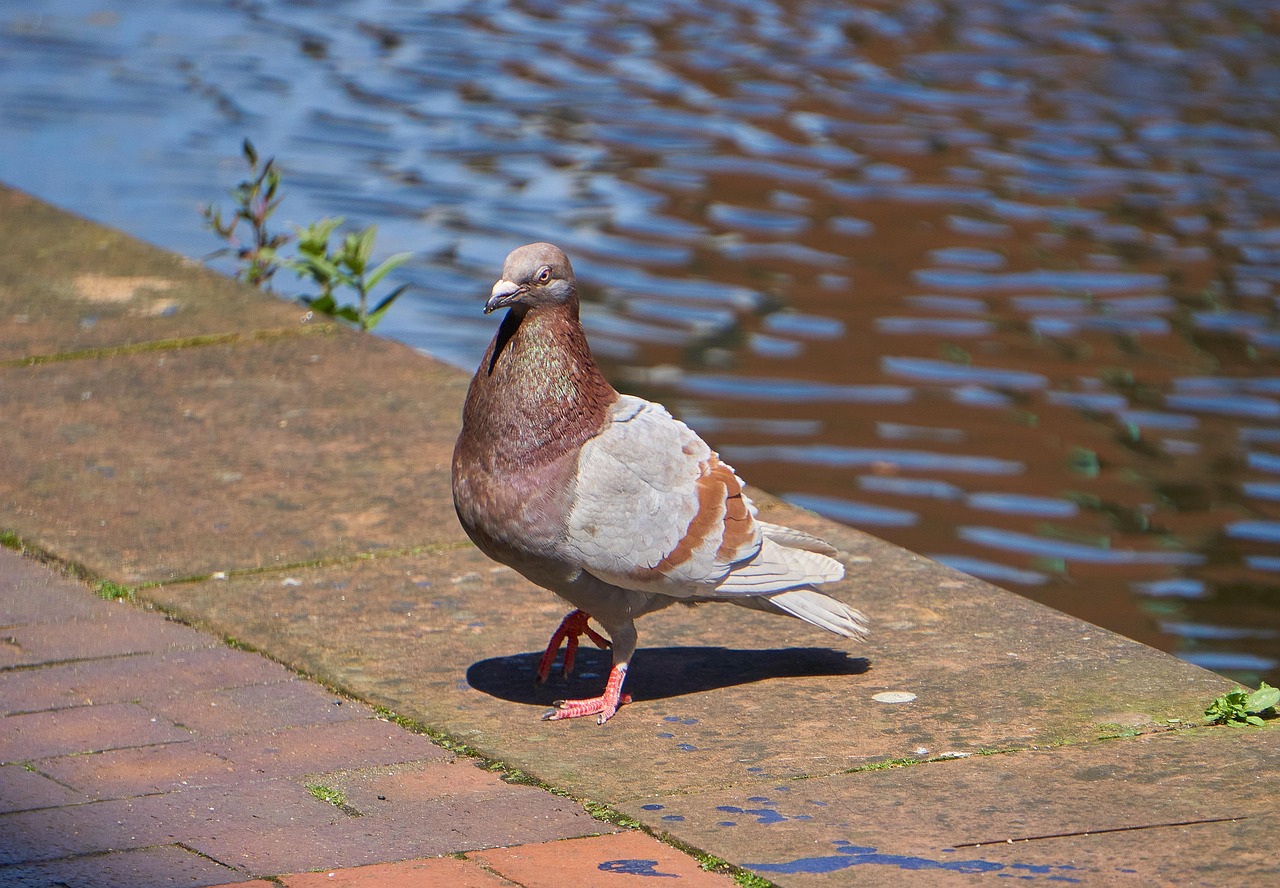
Breeding fancy pigeons is an art form that blends passion with precision, where enthusiasts strive to create birds of exceptional beauty and conformation. This guide delves into the world of improving pigeon breeds according to the rigorous NPA standards, offering insights into fancy pigeon genetics and show pigeon criteria to help you elevate your aviary to international levels. Whether you're a novice or a seasoned breeder, understanding these principles is key to success in competitive circles and personal satisfaction.
Understanding NPA Standards: The Global Benchmark for Pigeon Excellence
The National Pigeon Association (NPA) standards serve as the definitive guide for evaluating fancy pigeons worldwide, ensuring consistency and quality across breeds. These criteria cover every aspect of a pigeon's appearance, from feather texture and color to body structure and behavior, providing a framework that breeders can rely on for objective assessment. By adhering to NPA standards, you not only enhance your birds' chances in shows but also contribute to the preservation and improvement of genetic lineages, making it a cornerstone of responsible breeding practices.
The History and Evolution of NPA Standards
Established in the early 20th century, the NPA has evolved from a small group of enthusiasts into a global authority, refining its standards over decades to reflect advancements in avian science and breeding techniques. Initially focused on a few popular breeds, the standards now encompass hundreds of varieties, each with specific requirements tailored to their unique characteristics. This evolution mirrors the growing sophistication of the fancy pigeon community, where meticulous record-keeping and genetic understanding have become integral. Today, NPA standards are updated regularly to incorporate new research and feedback from breeders, ensuring they remain relevant and effective in promoting excellence.
Key Components of NPA Show Pigeon Criteria
NPA show pigeon criteria are divided into several key areas, each critical for achieving top scores in competitions. These include conformation, which assesses the bird's overall shape and proportions; color and markings, where specific patterns and hues are evaluated for purity and brilliance; and condition, covering feather quality, health, and grooming. Additionally, behavior and presentation play a role, as judges look for birds that exhibit confidence and poise in the show ring. Understanding these components allows breeders to focus their efforts on areas that matter most, such as selecting breeding pairs with strong genetic traits or implementing training routines to improve showmanship.
- Conformation: Focus on body symmetry, wing placement, and leg structure.
- Color and Markings: Ensure adherence to breed-specific patterns and avoid disqualifying faults.
- Condition: Maintain optimal health through diet, exercise, and regular grooming.
Delving into Fancy Pigeon Genetics: The Science Behind Beautiful Birds
Fancy pigeon genetics is a fascinating field that explores how traits are inherited and expressed, enabling breeders to predict and manipulate characteristics like color, size, and feather type. By understanding basic genetic principles, such as dominant and recessive genes, you can make informed decisions when pairing birds to achieve desired outcomes, whether it's enhancing a rare color or strengthening a particular conformation. This knowledge not only improves breeding efficiency but also helps prevent genetic disorders, ensuring the long-term health and vitality of your flock.
Inheritance Patterns and Selective Breeding Strategies
In fancy pigeon genetics, traits follow specific inheritance patterns, such as autosomal dominant or sex-linked recessive, which influence how they appear in offspring. For example, certain color mutations may require both parents to carry the gene for expression, while others can be passed down from a single parent. Selective breeding strategies involve carefully choosing pairs based on their genetic makeup, often using pedigree records to track lineage and avoid inbreeding. By applying these strategies, breeders can gradually refine their stock, producing birds that consistently meet NPA standards and exhibit superior qualities over generations.
Genetic Diversity and Health Considerations
Maintaining genetic diversity is crucial in fancy pigeon breeding to prevent issues like reduced fertility or increased susceptibility to diseases. Inbreeding, while sometimes used to fix desirable traits, can lead to genetic bottlenecks if not managed carefully. To promote health, breeders should introduce new bloodlines periodically and conduct health screenings for common avian conditions. Additionally, understanding the genetic basis of traits like feather structure or beak shape can help identify potential health risks early, allowing for proactive care. Balancing genetic improvement with diversity ensures a robust and resilient flock that thrives in both shows and everyday life.
Applying Show Pigeon Criteria: Practical Tips for Breeders
Applying show pigeon criteria in your breeding program requires a hands-on approach, from selecting initial stock to preparing birds for competition. Start by studying the NPA standards for your specific breed, noting any disqualifications or preferred traits, and use this as a blueprint for your goals. Regular evaluation of your birds against these criteria, perhaps with the help of experienced judges or mentors, can provide valuable feedback for adjustments. Over time, this disciplined application not only hones your skills but also builds a reputation for quality within the fancy pigeon community.
Selecting and Evaluating Breeding Stock
Selecting breeding stock is a critical step that sets the foundation for future generations, requiring a keen eye for detail and a deep understanding of NPA standards. Look for birds that excel in key areas like conformation and color, but also consider their genetic background and health history. Evaluating stock involves more than just visual inspection; it includes assessing temperament, breeding performance, and any historical show records. By choosing birds that complement each other's strengths and weaknesses, you can create a balanced breeding program that consistently produces show-quality offspring. Remember, patience is key, as it may take several generations to see significant improvements.
Training and Presentation for Shows
Training and presentation are essential aspects of meeting show pigeon criteria, as even the most genetically perfect bird can underperform if not properly prepared. Begin training early by acclimating birds to handling, travel, and the show environment, using positive reinforcement to build confidence. Grooming plays a vital role, with regular baths, feather trimming, and nail care ensuring your pigeon looks its best on judging day. During shows, focus on presenting your bird calmly and professionally, highlighting its best features while adhering to NPA guidelines. These efforts not only improve scores but also enhance the overall experience for both you and your pigeon.
Advanced Techniques in Breed Improvement
Advanced techniques in breed improvement go beyond basic genetics and selection, incorporating modern tools and collaborative efforts to push the boundaries of what's possible. Technologies like DNA testing can identify specific genes linked to desirable traits, allowing for more precise breeding decisions. Additionally, participating in breeding clubs or online forums can provide access to shared knowledge and rare bloodlines, fostering innovation. By embracing these advanced methods, you can accelerate progress toward creating birds that not only meet but exceed NPA standards, setting new benchmarks in the fancy pigeon world.
Utilizing Technology and Record-Keeping
Technology has revolutionized fancy pigeon breeding, with software and apps available for tracking pedigrees, health records, and breeding outcomes. These tools help breeders analyze data over time, identifying trends and making informed adjustments to their programs. Record-keeping is equally important, as detailed logs of each bird's lineage, show results, and health issues provide a comprehensive history that guides future decisions. By leveraging technology, you can streamline your breeding process, reduce errors, and focus more on the creative aspects of improving your flock according to NPA standards.
Collaborating with the Global Pigeon Community
Collaboration with the global pigeon community opens doors to new ideas and resources, enhancing your ability to improve breeds. Attend shows, join associations like the NPA, and engage with breeders from different regions to exchange insights and stock. This networking can lead to partnerships for co-breeding projects or access to exclusive genetic material. Moreover, sharing your experiences through articles or social media can inspire others and contribute to the collective knowledge base. In a field driven by passion, such collaborations enrich the hobby and drive continuous advancement in fancy pigeon genetics and show criteria.
Conclusion: Elevating Your Pigeon Breeding Journey
Mastering the art of fancy pigeon breeding according to NPA standards is a rewarding journey that combines science, skill, and dedication. By focusing on fancy pigeon genetics and show pigeon criteria, you can transform your aviary into a hub of excellence, producing birds that captivate judges and enthusiasts alike. Remember, success comes from continuous learning, careful planning, and a love for these beautiful creatures. As you apply these insights, consider exploring tools like Ghawy – Pigeon Manager (غاوي – إدارة الحمام) to streamline your management and breeding efforts, taking your passion to new heights.