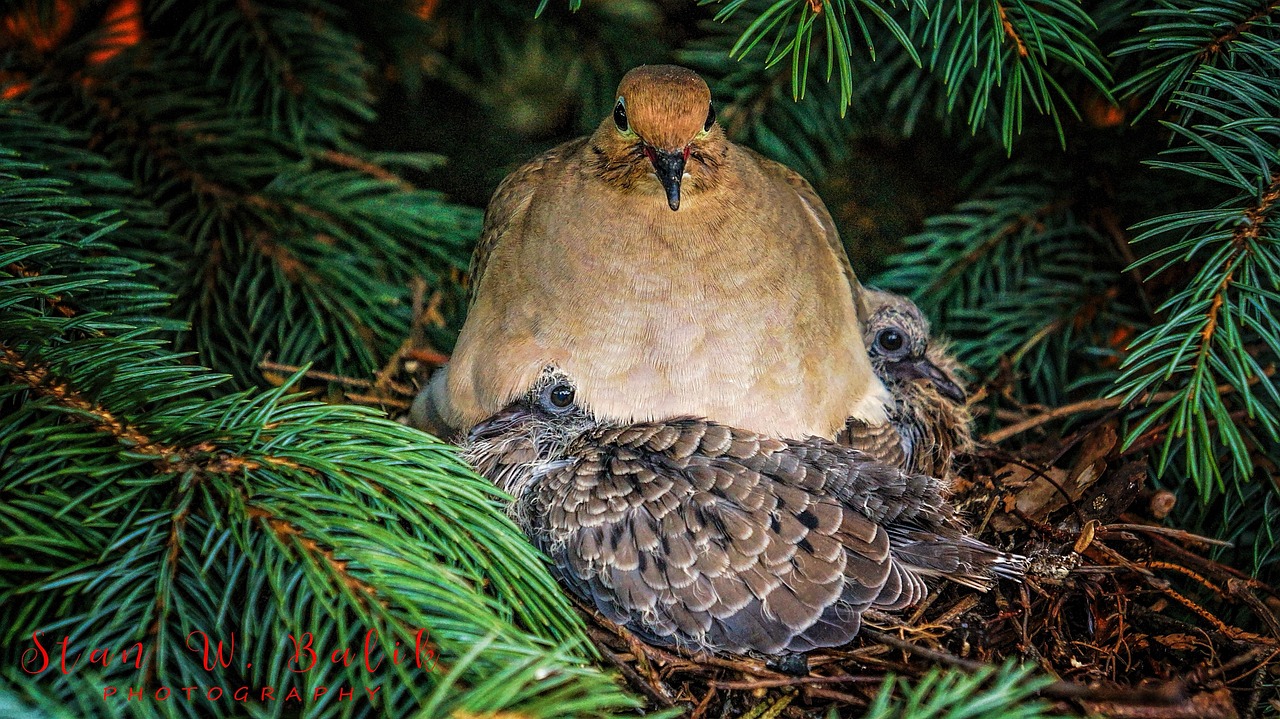
Fancy pigeon breeding is an art form that combines passion with precision, aiming to produce offspring of exceptional purity and beauty. This guide delves into the best pairing methods to achieve high-quality, visually stunning birds, offering actionable insights for enthusiasts at all levels. By focusing on strategic approaches, breeders can enhance genetic traits and maintain the integrity of their flocks.
Understanding the Foundations of Fancy Pigeon Breeding
Successful fancy pigeon breeding starts with a deep understanding of genetics and breed standards. It's not just about pairing birds randomly; it requires careful planning to preserve desirable traits and avoid common pitfalls. This section explores the core principles that underpin effective breeding practices, setting the stage for more advanced techniques.
The Role of Genetics in Purity
Genetics play a crucial role in determining the purity and beauty of fancy pigeons. Each breed has specific characteristics, such as feather patterns, colors, and body shapes, that are governed by genetic codes. By studying inheritance patterns, breeders can predict outcomes and make informed decisions. For example, dominant and recessive traits influence how traits are passed down, so selecting parents with strong genetic backgrounds is essential. This knowledge helps in avoiding genetic disorders and ensuring robust health in the offspring.
Moreover, understanding genetic diversity is key to maintaining purity without compromising vitality. Inbreeding can lead to homogeneity but may also increase the risk of health issues. Therefore, a balanced approach that incorporates outcrossing when necessary can enhance genetic resilience. Breeders should keep detailed records of lineage to track traits over generations, using tools like pedigree charts to visualize genetic connections. This systematic approach supports long-term success in fancy pigeon breeding.
Selecting the Right Breeding Stock
Choosing the right breeding stock is the first step toward achieving high-purity offspring. Look for birds that exemplify the breed standard in terms of physical attributes, temperament, and health. Assess factors like feather quality, eye color, and overall conformation to ensure they meet ideal benchmarks. It's also important to consider the bird's history, including any previous breeding successes or health issues, to avoid passing on undesirable traits.
In addition to physical traits, evaluate the genetic compatibility of potential pairs. Birds from similar bloodlines may produce more consistent results, but introducing new lines can add vigor. Conduct health checks to rule out common ailments, such as respiratory infections or parasites, which could affect breeding outcomes. By prioritizing quality over quantity, breeders can build a strong foundation for their fancy pigeon breeding projects. Remember, the best pairing methods often start with meticulous selection processes.
Best Pairing Methods for Optimal Results
Implementing the best pairing methods is essential for producing offspring that are both pure and beautiful. This section outlines proven strategies, from line breeding to outcrossing, that cater to different breeding goals. Each method has its advantages and challenges, so understanding when to apply them can make a significant difference in outcomes.
Line Breeding for Consistency
Line breeding involves mating closely related birds, such as cousins or half-siblings, to reinforce desirable traits and maintain purity. This method is popular in fancy pigeon breeding because it helps stabilize genetic characteristics, leading to predictable and uniform offspring. By focusing on a specific bloodline, breeders can enhance traits like unique feather patterns or distinctive head shapes that define a breed. However, it requires careful monitoring to avoid inbreeding depression, which can reduce vitality.
To practice line breeding effectively, start with a foundation pair that exhibits strong traits and track their lineage over multiple generations. Use selective breeding to gradually refine characteristics, avoiding mating that could amplify weaknesses. Regular health assessments are crucial to detect any issues early. Many successful breeders combine line breeding with occasional outcrossing to introduce new genes, balancing purity with genetic health. This approach is one of the best pairing methods for those aiming to preserve specific breed standards.
Outcrossing for Genetic Diversity
Outcrossing involves mating birds from unrelated bloodlines to introduce genetic diversity and improve overall health. This method is valuable in fancy pigeon breeding when a line shows signs of weakness or when breeders want to enhance certain traits without sacrificing purity. By bringing in new genes, outcrossing can increase vigor, reduce the risk of genetic disorders, and sometimes produce novel characteristics that add beauty to the flock. It's particularly useful for revitalizing older lines that have become too homogeneous.
When implementing outcrossing, select birds that complement each other's strengths and weaknesses. For instance, if one line has excellent feather quality but poor conformation, pair it with a bird that has strong body structure. Monitor the offspring closely to see how traits blend, and be prepared for some variability in results. This method requires patience, as it may take several generations to stabilize new traits. By integrating outcrossing into your breeding strategy, you can achieve a balance between purity and resilience, making it a key component of the best pairing methods.
Advanced Techniques in Fancy Pigeon Breeding
Beyond basic methods, advanced techniques can elevate your fancy pigeon breeding efforts to new heights. This section covers innovative approaches like selective pairing based on phenotype and genotype, as well as the use of technology to enhance breeding outcomes. These strategies require more expertise but offer greater control over genetic outcomes.
Phenotype and Genotype Analysis
Analyzing both phenotype (observable traits) and genotype (genetic makeup) is a sophisticated approach in fancy pigeon breeding. Phenotype analysis involves assessing physical characteristics, such as color, size, and behavior, to select birds that meet breed standards. Genotype analysis, on the other hand, delves into the genetic code to identify carriers of specific traits or potential health risks. By combining these analyses, breeders can make more informed pairing decisions, increasing the likelihood of producing high-purity offspring with desired beauty traits.
To apply this technique, use tools like DNA testing or pedigree software to gather genetic data. For example, test for color genes to predict feather patterns in offspring. This allows for strategic pairings that target specific traits, such as enhancing rare colors or improving structural integrity. While this method may involve higher costs and technical knowledge, it provides a scientific edge in breeding. Incorporating phenotype and genotype analysis into your routine can refine the best pairing methods, leading to more consistent and impressive results.
Seasonal and Environmental Considerations
Seasonal and environmental factors significantly impact fancy pigeon breeding success. Birds are more receptive to breeding during certain times of the year, often in spring and summer when conditions are favorable. Adjusting pairing schedules to align with natural cycles can improve fertility rates and chick health. Additionally, creating an optimal environment in the loft, with proper lighting, temperature, and nutrition, supports breeding efforts. These considerations are often overlooked but are crucial for implementing the best pairing methods effectively.
Focus on providing a stress-free habitat with ample space and clean nesting areas. Monitor weather patterns to avoid extreme temperatures that could affect breeding behavior. Supplement diets with high-quality feeds rich in vitamins and minerals to boost reproductive health. By tailoring your approach to seasonal rhythms and environmental needs, you can enhance the overall success of your breeding program. This holistic view ensures that fancy pigeon breeding is not just about genetics but also about nurturing conditions for growth.
Maintaining Health and Beauty in Offspring
Producing high-purity offspring is only part of the equation; maintaining their health and beauty over time is equally important. This section discusses post-breeding care, including nutrition, housing, and ongoing evaluation, to ensure that your fancy pigeons thrive and retain their desirable traits.
Nutritional Support for Growth
Proper nutrition is vital for the development of fancy pigeon offspring, influencing both health and aesthetic qualities. Provide a balanced diet that includes grains, seeds, and supplements to support feather growth, bone strength, and overall vitality. Key nutrients like protein, calcium, and vitamins are essential during the chick stage to prevent deficiencies that could affect beauty traits, such as dull feathers or poor conformation. Adjust feeding regimens based on age and breeding status to meet changing needs.
Incorporate fresh water and occasional treats, like greens or fruits, to enhance diet variety. Avoid overfeeding, which can lead to obesity and health issues. By prioritizing nutritional support, breeders can ensure that their fancy pigeon breeding efforts yield robust, beautiful birds. This care extends beyond pairing methods to long-term flock management, reinforcing the importance of a comprehensive approach.
Housing and Socialization
Appropriate housing and socialization play a critical role in maintaining the beauty and purity of fancy pigeons. Design lofts that offer protection from predators, adequate ventilation, and space for exercise to promote physical well-being. Social interactions within the flock can influence behavior and stress levels, which in turn affect breeding success and offspring quality. Introduce new birds gradually to minimize conflicts and ensure a harmonious environment.
Regular cleaning and maintenance prevent diseases that could compromise health and appearance. Provide perches and nesting boxes that cater to the specific needs of your breed. By fostering a supportive living space, you help preserve the traits achieved through the best pairing methods. This attention to detail ensures that your fancy pigeon breeding program produces not only pure but also happy and healthy birds.
Conclusion
Mastering fancy pigeon breeding requires a blend of knowledge, strategy, and care. By understanding genetics, selecting the right stock, and applying the best pairing methods, breeders can achieve high-purity offspring with stunning beauty. Advanced techniques and ongoing maintenance further enhance results, ensuring long-term success. For those looking to streamline their efforts, tools like Ghawy – Pigeon Manager (غاوي – إدارة الحمام) offer valuable support in tracking lineages and optimizing breeding plans. Embrace these insights to elevate your passion and produce exceptional birds that stand out in any flock.