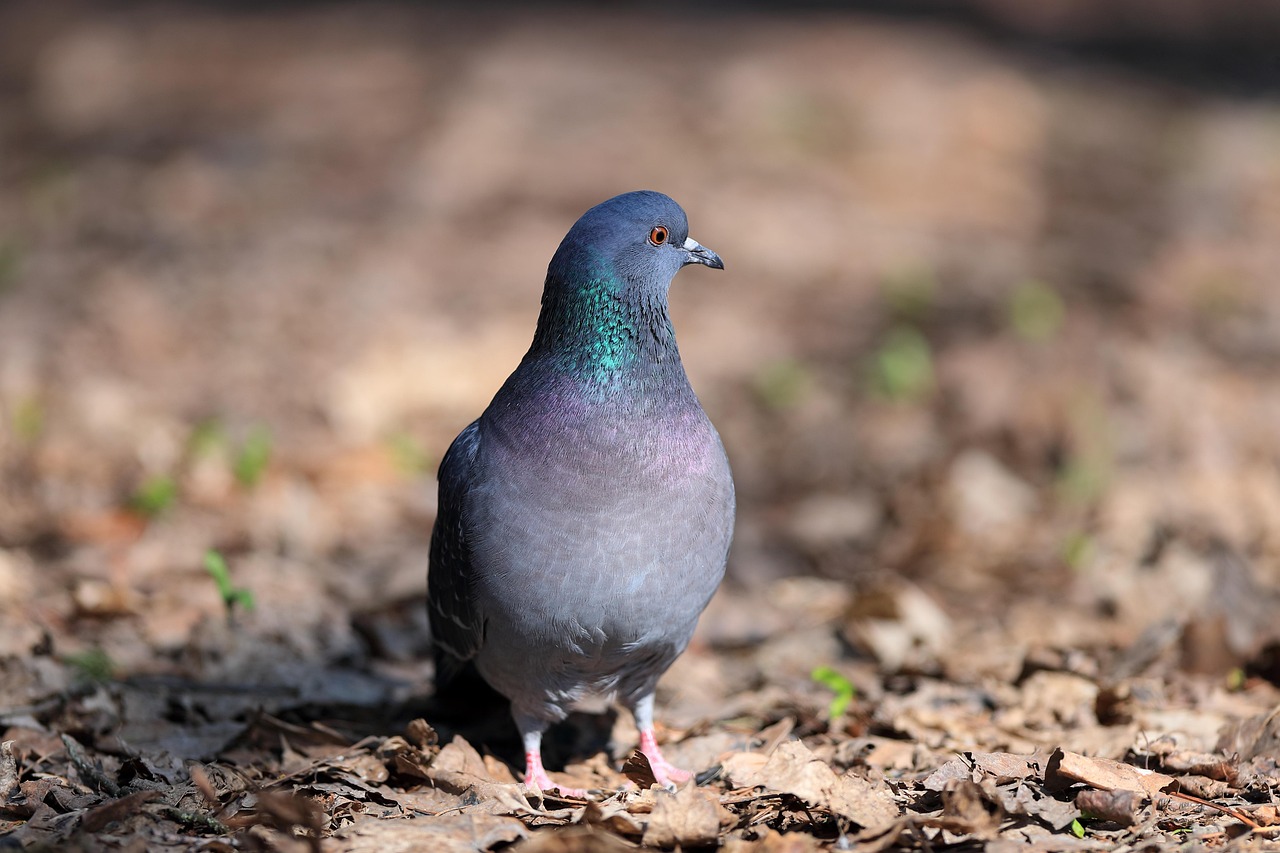
The widowhood system is a transformative training method in pigeon racing, designed to cultivate elite racing birds by harnessing their natural instincts for peak performance. By strategically separating mates, this approach taps into a pigeon's drive to return home swiftly, making it a cornerstone for fanciers aiming to dominate long-distance competitions. In this article, we explore how to build a squad of top-tier racers using this powerful technique.
Understanding the Widowhood System: A Foundation for Success
The widowhood system revolves around separating male and female pigeons during the racing season, allowing them to reunite briefly before races to stimulate motivation. This method leverages the birds' strong homing and mating instincts, creating a psychological edge that translates into faster flight times. It's particularly effective for long-distance races, where endurance and speed are critical, and has been refined over decades by expert fanciers worldwide.
The Core Principles of Widowhood Training
At its heart, widowhood training is about timing and emotional management. Pigeons are kept in separate lofts, with males and females only allowed to see each other for short periods, such as before basketing for a race. This brief reunion sparks excitement and a desire to return home quickly, boosting their racing performance. The system requires meticulous planning, as improper handling can lead to stress or diminished results, but when executed correctly, it produces consistent winners.
Key aspects include maintaining optimal health through balanced nutrition and regular exercise, as stressed or unhealthy birds won't perform well. Fanciers must monitor each bird's condition closely, adjusting training schedules based on individual responses. By understanding these principles, you can lay a solid groundwork for developing elite racing birds that thrive under pressure.
Benefits of Adopting the Widowhood Approach
Implementing the widowhood system offers numerous advantages for pigeon racing enthusiasts. It enhances motivation, leading to faster race times and higher placement rates in competitions. The method also allows for better control over breeding and training cycles, enabling fanciers to focus on developing specific traits in their birds. Additionally, it can reduce aggression and improve overall loft harmony, as separated birds are less likely to engage in territorial disputes.
Other benefits include increased stamina and resilience, as pigeons trained under this system often show improved recovery after long flights. By fostering a competitive edge, widowhood helps build a reputation for excellence in the racing community. For those serious about achieving top results, embracing this approach is a game-changer that sets the stage for sustained success.
Selecting and Preparing Your Widowhood Pigeons
Choosing the right pigeons is crucial for widowhood success, as not all birds are suited to this intensive training method. Look for individuals with proven racing pedigrees, strong physical attributes, and a calm temperament that can handle separation without excessive stress. Elite racing birds often come from lines known for endurance and homing ability, making genetic selection a key factor in building a winning team.
Criteria for Ideal Candidates
When selecting widowhood pigeons, prioritize health, age, and previous performance. Birds should be in prime condition, typically between one and three years old, with no underlying medical issues. Assess their racing history, favoring those with consistent results in middle to long-distance events. Temperament is also vital; choose pigeons that adapt well to changes and show eagerness during training sessions.
Physical traits to consider include strong wing muscles, clear eyes, and a robust build that indicates good stamina. Avoid birds that are overly aggressive or timid, as they may not respond positively to the widowhood system. By carefully vetting your pigeons, you increase the likelihood of developing a cohesive squad of elite performers ready for the rigors of competition.
Pre-Training Preparation and Loft Setup
Before implementing widowhood, prepare your loft and pigeons through gradual acclimatization. Ensure separate housing areas for males and females, with adequate space, ventilation, and cleanliness to prevent disease. Introduce the birds to the separation process slowly, starting with short periods apart and gradually increasing the duration to minimize stress.
Key preparation steps include establishing a consistent feeding and exercise routine, as well as conducting health checks for parasites or infections. Use this phase to bond with your pigeons, building trust that will pay off during races. A well-organized loft setup not only supports the widowhood system but also enhances overall bird welfare, setting the stage for optimal performance.
Training Regimens for Elite Racing Birds
Effective training is the backbone of developing widowhood pigeons into elite racing birds, requiring a balanced mix of exercise, rest, and motivation. Tailor your regimen to each bird's needs, focusing on building endurance and speed through progressive challenges. Consistency is key, as irregular training can hinder progress and lead to burnout or injury.
Building Endurance and Speed
Start with short, frequent flights to build base fitness, gradually increasing distance and intensity over weeks. Incorporate loft flying and road training, where pigeons are released from varying locations to hone their navigation skills. Monitor performance metrics like return times and recovery rates, adjusting routines based on individual progress. This phased approach helps develop the stamina needed for long-distance races.
Speed training involves simulating race conditions, such as basketing pigeons before reunions to boost motivation. Use positive reinforcement, like treats or brief mate interactions, to encourage faster returns. Avoid overtraining by scheduling rest days and lighter sessions, ensuring birds remain fresh and eager. By balancing endurance and speed work, you cultivate well-rounded competitors capable of excelling in diverse racing scenarios.
Motivational Techniques and Timing
Motivation is central to the widowhood system, driven by strategic reunions between mates. Time these interactions carefully, typically allowing birds to see each other for a few minutes before basketing for a race. This sparks a strong homing instinct, as pigeons rush back to reunite, leading to improved race times. Experiment with timing to find what works best for your squad, as individual responses can vary.
Other motivational tools include using nesting materials or favorite perches to create a sense of home. Maintain a calm and positive loft environment, as stress can dampen motivation. Regularly assess each bird's enthusiasm, tweaking techniques to keep them engaged. By mastering these motivational aspects, you unlock the full potential of your widowhood pigeons, transforming them into driven elite racing birds.
Nutrition and Health Management for Peak Performance
Proper nutrition and health care are essential for sustaining widowhood pigeons through demanding training and races. A balanced diet fuels energy levels and supports recovery, while proactive health management prevents issues that could derail performance. Focus on high-quality feeds, supplements, and regular veterinary check-ups to keep your birds in top shape.
Dietary Strategies for Racing Pigeons
Design a nutrition plan that aligns with training phases, increasing protein and carbohydrates during intense periods to support muscle repair and energy. Use specialized pigeon feeds rich in grains, seeds, and legumes, supplemented with vitamins and minerals as needed. Hydration is critical, so ensure fresh water is always available, especially after flights.
- Key components include corn for energy, peas for protein, and grit for digestion.
- Avoid overfeeding to prevent obesity, which can slow birds down.
- Adjust portions based on activity levels, monitoring weight regularly.
Incorporate treats like safflower seeds during motivational sessions to reinforce positive behavior. By tailoring nutrition to individual needs, you enhance endurance and speed, giving your elite racing birds a competitive edge in long-distance events.
Health Monitoring and Disease Prevention
Regular health checks are vital to detect and address issues early, ensuring widowhood pigeons remain fit for racing. Watch for signs of illness, such as lethargy or respiratory problems, and quarantine affected birds to prevent spread. Implement a vaccination schedule and parasite control program, consulting with an avian veterinarian for expert guidance.
Maintain loft hygiene by cleaning daily and disinfecting periodically to reduce disease risk. Provide adequate ventilation and sunlight to support immune function. By prioritizing health management, you minimize downtime and maximize performance, allowing your birds to consistently compete at their best.
Advanced Strategies for Long-Distance Races
Long-distance races present unique challenges that require advanced widowhood strategies to succeed. Focus on mental conditioning, weather adaptation, and race-day tactics to give your elite racing birds an advantage. These approaches build on basic training, preparing pigeons for the rigors of extended flights over varied terrain.
Mental Conditioning and Stress Reduction
Mental toughness is crucial for long-distance performance, as pigeons must navigate obstacles and maintain focus over hours. Expose birds to different environments during training to build confidence and reduce anxiety. Use positive reinforcement to reinforce calm behavior, avoiding sudden changes that could cause stress.
Techniques like gradual distance increases and simulated race scenarios help pigeons adapt mentally. Monitor for signs of burnout, such as decreased enthusiasm, and adjust training accordingly. By fostering resilience, you ensure your widowhood pigeons can handle the psychological demands of elite competitions.
Weather Adaptation and Navigation Skills
Weather conditions significantly impact race outcomes, making adaptation a key skill for widowhood pigeons. Train birds in various weather types, from sunny days to light rain, to build experience. Focus on navigation by releasing pigeons from unfamiliar locations, enhancing their homing abilities and problem-solving skills.
Use technology like GPS trackers to analyze flight patterns and identify areas for improvement. Prepare for race day by checking forecasts and adjusting strategies accordingly. By honing these skills, you equip your elite racing birds to overcome environmental challenges and secure top placements.
Conclusion
The widowhood system is a powerful tool for building elite racing birds, combining strategic separation, targeted training, and comprehensive care to achieve peak performance. By understanding its principles, selecting suitable pigeons, and implementing advanced strategies, fanciers can dominate long-distance races and elevate their racing programs. Remember, success hinges on consistency and adaptation, so stay attentive to your birds' needs. For those looking to streamline their management, consider tools like Ghawy – Pigeon Manager (غاوي – إدارة الحمام) to enhance efficiency and results.