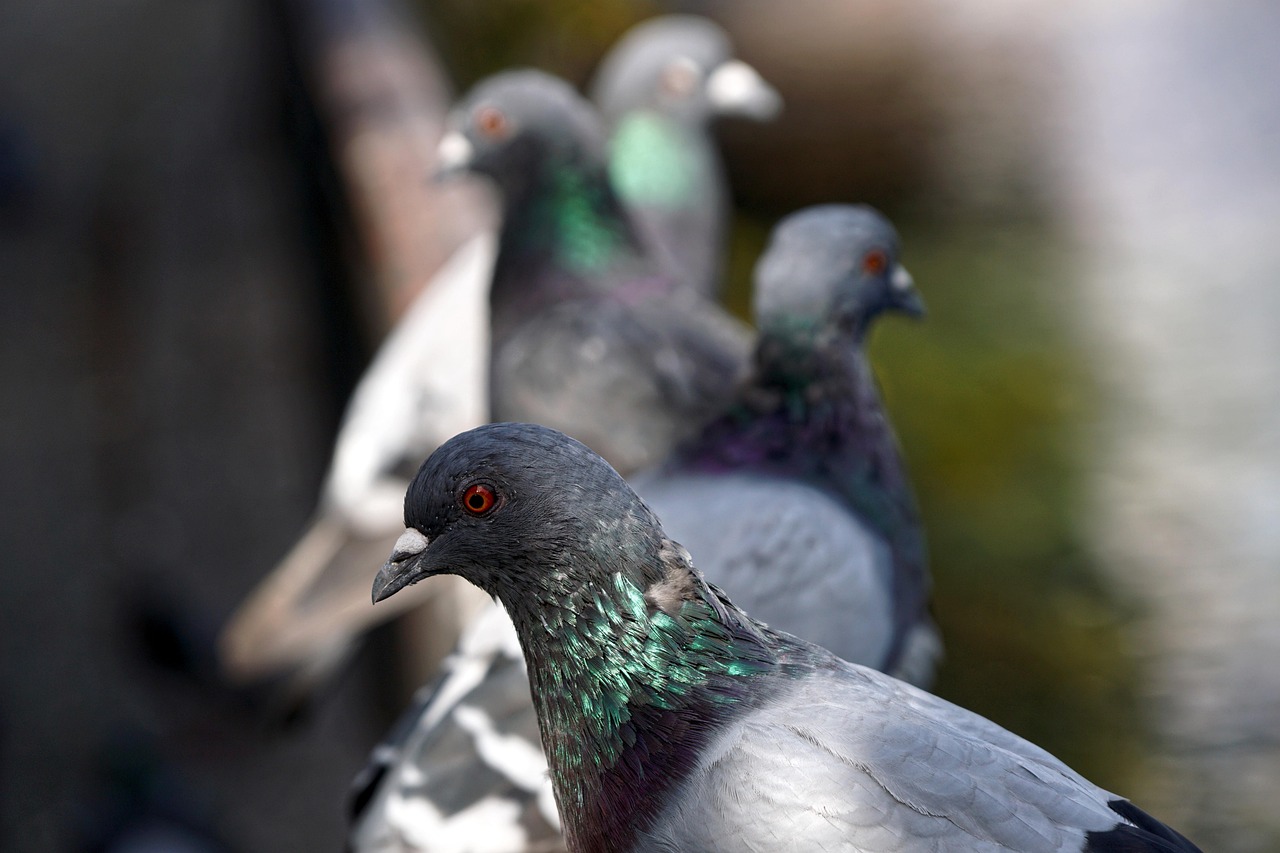
Fancy pigeon breeding is an art form that combines passion with precision, aiming to produce offspring of exceptional purity and beauty. This guide delves into the best pairing methods to achieve high-quality, genetically sound birds, offering actionable insights for enthusiasts at all levels. By focusing on strategic approaches, you can enhance your flock's traits and ensure sustainable success in this rewarding hobby.
Understanding the Foundations of Fancy Pigeon Breeding
Successful fancy pigeon breeding starts with a solid grasp of genetics and breed standards. It's not just about pairing any two birds; it requires careful selection to maintain or improve desirable characteristics. This section explores the core principles that underpin effective breeding practices, setting the stage for more advanced techniques.
The Role of Genetics in Purity
Genetics play a crucial role in determining the traits passed down to offspring, such as color, feather patterns, and body structure. Understanding basic genetic concepts, like dominant and recessive genes, helps breeders predict outcomes and avoid undesirable mutations. For example, breeding two birds with recessive traits can lead to consistent purity in future generations, but it requires patience and meticulous record-keeping. By studying pedigrees, breeders can identify carriers of specific genes and make informed decisions to enhance lineage quality.
In fancy pigeon breeding, genetic diversity must be balanced with purity to prevent inbreeding depression, which can weaken health and vitality. Implementing outcrossing with unrelated birds of similar quality can introduce new genes while maintaining core traits. This approach reduces the risk of genetic disorders and promotes robust offspring. Regularly testing for common health issues and consulting breed-specific guidelines ensures that genetic integrity is preserved over time, leading to birds that are both beautiful and resilient.
Selecting Breeding Stock for Optimal Results
Choosing the right breeding stock is a critical step in achieving high-purity offspring. Look for birds that exemplify breed standards, with strong conformation, vibrant colors, and good temperament. Avoid individuals with visible defects or health problems, as these can be passed on to the next generation. It's advisable to source birds from reputable breeders who prioritize genetic health and provide detailed lineage information, ensuring a solid foundation for your breeding program.
When selecting pairs, consider complementary traits that can enhance each other's strengths. For instance, pairing a bird with excellent feather quality but average size with one that has superior body structure can produce balanced offspring. Regular health checks and vaccinations are essential to maintain stock vitality, as healthy parents are more likely to produce strong chicks. By investing time in selection, you set the stage for successful fancy pigeon breeding that yields consistent, high-quality results.
Best Pairing Methods for Fancy Pigeon Breeding
Implementing the best pairing methods is key to producing offspring with high purity and aesthetic appeal. This section outlines proven strategies, from line breeding to outcrossing, that cater to different goals and experience levels. Each method has its advantages, and combining them can lead to a versatile and thriving flock.
Line Breeding for Consistency and Purity
Line breeding involves mating closely related birds, such as cousins or half-siblings, to concentrate desirable traits and establish a uniform lineage. This method is highly effective for fancy pigeon breeding when aiming for specific characteristics, like unique color patterns or feather textures. By keeping genetic lines tight, breeders can achieve predictable outcomes and maintain purity over generations. However, it requires careful monitoring to avoid inbreeding issues, so it's best used in moderation with regular health assessments.
To implement line breeding successfully, start with a foundation pair that exhibits the traits you want to emphasize. Track their offspring and select the best individuals for subsequent pairings, gradually refining the lineage. This process can take several generations but results in birds that are true to breed standards. Pairing methods like this demand patience and detailed record-keeping, but the reward is a flock with consistent beauty and genetic stability, making it a cornerstone of advanced breeding programs.
Outcrossing to Enhance Genetic Diversity
Outcrossing introduces unrelated birds into the breeding program to boost genetic diversity and improve overall health. This method is ideal for fancy pigeon breeding when you need to address weaknesses, such as low fertility or susceptibility to disease. By pairing birds from different but compatible lines, you can infuse new traits without sacrificing core qualities. It's a strategic approach that balances purity with vitality, ensuring long-term sustainability in your flock.
When outcrossing, select birds that complement your existing stock, focusing on traits that need enhancement. For example, if your birds have excellent color but poor feather structure, choose an outcross with strong conformation. Monitor the offspring closely to see how new genes integrate, and be prepared to adjust future pairings based on results. This method reduces the risks associated with inbreeding and can lead to more resilient and adaptable birds, making it a valuable tool in the breeder's toolkit.
Advanced Techniques for Achieving High Purity
Beyond basic pairing methods, advanced techniques can elevate your fancy pigeon breeding efforts to produce truly exceptional birds. This section covers strategies like selective breeding and environmental management, which work in tandem to optimize outcomes. By mastering these approaches, you can fine-tune your program for maximum purity and beauty.
Selective Breeding for Trait Enhancement
Selective breeding focuses on choosing pairs based on specific, desirable traits to gradually improve the flock over time. In fancy pigeon breeding, this might involve targeting features like iridescent plumage, elegant posture, or unique markings. By consistently selecting the best performers from each generation, you can steer the genetic direction toward your goals. This method requires a keen eye for detail and a long-term commitment, as changes may be subtle initially but compound over years.
To practice selective breeding effectively, maintain detailed records of each bird's traits and breeding history. Use this data to identify patterns and make informed pairing decisions. For instance, if you notice that certain color combinations yield more vibrant offspring, prioritize those matches in future seasons. Pairing methods like this rely on observation and adaptation, allowing you to respond to the flock's evolving needs. Over time, selective breeding can transform an average group into a showcase of purity and artistry.
Managing Environment for Optimal Breeding Conditions
The environment plays a significant role in the success of fancy pigeon breeding, influencing health, fertility, and chick development. Ensure your loft is clean, well-ventilated, and free from stressors like predators or extreme temperatures. Provide a balanced diet rich in nutrients to support breeding pairs and their offspring, as proper nutrition is crucial for producing strong, beautiful birds. Regular maintenance and monitoring create a stable setting that encourages successful pairings and high-purity results.
In addition to physical conditions, consider the social dynamics within your flock. Pairing methods work best when birds are comfortable and not under stress, so avoid overcrowding and provide ample space for nesting. Introduce new birds gradually to prevent conflicts that could disrupt breeding. By optimizing the environment, you support the genetic efforts of your program, leading to healthier chicks that better express desired traits. This holistic approach ensures that every aspect of fancy pigeon breeding contributes to your goals.
Practical Tips for Implementing Best Pairing Methods
Applying the best pairing methods in real-world scenarios requires practical knowledge and adaptability. This section offers actionable advice on timing, record-keeping, and common challenges, helping you navigate the complexities of fancy pigeon breeding. Whether you're a novice or an expert, these tips can streamline your process and enhance outcomes.
Timing and Seasonality in Breeding Cycles
Timing is critical in fancy pigeon breeding, as birds have natural cycles that affect fertility and chick survival. Plan pairings during optimal seasons, typically spring and early summer, when daylight and temperature conditions support nesting and rearing. Monitor your birds for signs of readiness, such as increased activity or nest-building behavior, to ensure successful mating. By aligning your efforts with natural rhythms, you increase the chances of producing healthy, high-purity offspring.
Adjust your schedule based on breed-specific needs and local climate. Some fancy pigeon varieties may breed year-round in controlled environments, but seasonal timing often yields better results. Keep a calendar to track breeding attempts and outcomes, allowing you to refine your approach over time. Pairing methods that consider timing not only improve success rates but also help manage flock growth sustainably, preventing overcrowding and resource strain.
Overcoming Common Breeding Challenges
Fancy pigeon breeding can present challenges, such as infertility, aggression, or poor chick development. Address these issues proactively by selecting compatible pairs and providing supportive care. If a pairing fails, reassess the birds' health and compatibility, and consider alternative methods like outcrossing. Regular veterinary check-ups can identify underlying problems early, ensuring that your breeding program remains on track.
- Monitor pairs for signs of stress or incompatibility and intervene if necessary.
- Provide supplemental nutrition during breeding seasons to boost vitality.
- Keep detailed logs to identify patterns and adjust strategies accordingly.
By anticipating and managing challenges, you maintain the integrity of your fancy pigeon breeding efforts. Pairing methods are most effective when combined with problem-solving skills, allowing you to adapt to changing circumstances and continue producing beautiful, pure birds.
Conclusion
Mastering fancy pigeon breeding through the best pairing methods is a journey that blends science with artistry, leading to offspring of unparalleled purity and beauty. By understanding genetics, selecting quality stock, and applying techniques like line breeding and outcrossing, you can achieve consistent results. Remember to optimize the environment and stay adaptable to challenges. For those looking to streamline their efforts, tools like Ghawy – Pigeon Manager (غاوي – إدارة الحمام) offer valuable support in tracking and managing your breeding program. Embrace these strategies to elevate your hobby and contribute to the legacy of exquisite fancy pigeons.