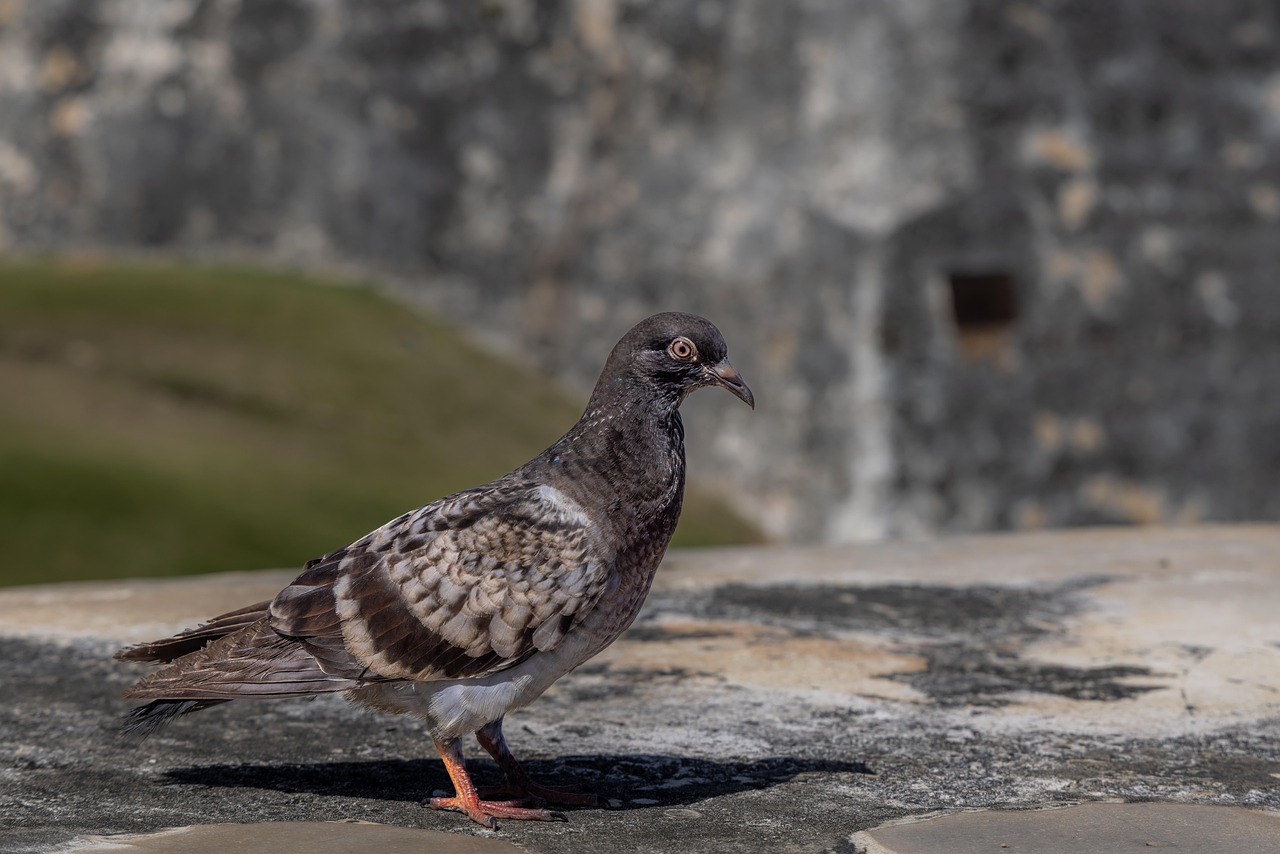
Fancy pigeon breeding is an art form that combines passion with precision, aiming to produce offspring of exceptional purity and beauty. This guide delves into the best pairing methods to achieve high-quality, genetically sound birds, offering actionable insights for enthusiasts at all levels. By focusing on strategic approaches, you can enhance your flock's traits and ensure sustainable success in this rewarding hobby.
Understanding the Foundations of Fancy Pigeon Breeding
Successful fancy pigeon breeding starts with a solid grasp of genetics and breed standards. It's not just about pairing any two birds; it requires careful planning to maintain or improve desirable characteristics. This section explores the core principles that underpin effective breeding practices, setting the stage for more advanced techniques.
The Role of Genetics in Purity
Genetics play a crucial role in determining the traits of fancy pigeons, from feather patterns to body structure. Understanding basic genetic concepts, such as dominant and recessive genes, helps breeders predict outcomes and avoid undesirable mutations. For instance, breeding two birds with similar genetic backgrounds can reinforce purity, but it also requires vigilance to prevent inbreeding depression. By studying pedigrees and tracking lineage, breeders can make informed decisions that enhance genetic diversity while preserving key attributes.
In practice, this means selecting birds with proven heritage and documented traits. Tools like breeding records and genetic testing, though not always necessary for hobbyists, can provide valuable insights. The goal is to balance purity with health, ensuring that offspring are not only beautiful but also robust and free from genetic disorders. This foundational knowledge empowers breeders to approach fancy pigeon breeding with confidence and clarity.
Setting Clear Breeding Objectives
Before initiating any pairing, it's essential to define your breeding objectives. Are you aiming to enhance specific colors, improve flight abilities, or achieve a particular body shape? Clear goals guide the selection process and help prioritize traits. For example, if beauty is the primary focus, you might target birds with vibrant plumage and symmetrical features, while purity might involve maintaining a breed's historical standards.
To implement this, create a breeding plan that outlines target traits and timelines. Consider factors like age, health, and compatibility of potential pairs. By setting measurable objectives, such as producing a certain number of offspring with desired characteristics, you can track progress and adjust strategies as needed. This proactive approach ensures that your fancy pigeon breeding efforts are focused and effective, leading to consistent results over time.
Best Pairing Methods for High Purity and Beauty
Choosing the right pairing methods is critical for achieving offspring with high purity and aesthetic appeal. This section covers proven techniques that breeders use to optimize genetic outcomes and enhance visual traits. From line breeding to outcrossing, each method offers unique benefits and challenges.
Line Breeding for Genetic Consistency
Line breeding involves mating closely related birds, such as cousins or half-siblings, to concentrate desirable genes and maintain purity. This method is highly effective for preserving specific traits, like unique color patterns or body shapes, within a fancy pigeon breed. By keeping the gene pool narrow, breeders can reinforce characteristics that define the breed's beauty and standard.
However, line breeding requires careful management to avoid inbreeding issues, such as reduced fertility or health problems. To mitigate risks, introduce occasional outcrosses with unrelated birds of the same breed to refresh genetic diversity. Monitor offspring closely for any signs of weakness and maintain detailed records to track lineage. When done correctly, line breeding can produce stunning, purebred fancy pigeons that excel in shows and breeding programs.
Outcrossing to Enhance Traits
Outcrossing involves pairing birds from different but related lines or breeds to introduce new genetic material and improve specific traits. This method is ideal for enhancing beauty by combining the best features from diverse backgrounds, such as merging vibrant colors from one line with elegant body structures from another. It helps prevent genetic stagnation and can lead to healthier, more vigorous offspring.
To implement outcrossing successfully, select birds with complementary traits and ensure they align with your breeding objectives. For instance, if your fancy pigeons lack certain feather details, outcross with a line known for that characteristic. After outcrossing, you may need to backcross to original lines to stabilize traits. This method requires patience and experimentation, but it can yield remarkable results in terms of both purity and aesthetic appeal.
Practical Steps for Implementing Pairing Strategies
Turning theory into practice involves actionable steps that ensure successful pairings and healthy offspring. This section provides a step-by-step guide to executing the best pairing methods, from selection to post-breeding care. By following these practical tips, breeders can maximize their chances of achieving high-purity, beautiful fancy pigeons.
Selecting and Preparing Breeding Pairs
The selection process begins with evaluating potential breeding pairs based on health, age, and trait alignment. Choose birds that are at least one year old, in prime condition, and free from diseases. Assess their physical attributes against breed standards, focusing on features that contribute to beauty, such as feather quality and symmetry. Compatibility is also key; observe their behavior to ensure they get along and are likely to mate successfully.
Once selected, prepare the pairs by providing a clean, stress-free environment with adequate nutrition. A balanced diet rich in proteins and vitamins supports reproductive health. Set up nesting areas that mimic natural conditions to encourage breeding behavior. By taking these preparatory steps, you create an optimal foundation for the pairing process, increasing the likelihood of producing strong, attractive offspring.
Monitoring and Managing the Breeding Process
After pairing, closely monitor the birds for signs of mating and egg-laying. Keep detailed records of dates, behaviors, and any issues that arise. Once eggs are laid, ensure they are incubated properly, either naturally by the parents or artificially if necessary. Maintain stable temperatures and humidity levels to support embryo development.
When chicks hatch, provide attentive care, including proper feeding and protection from predators or environmental stressors. As they grow, assess their traits against your breeding objectives, noting any deviations or successes. This ongoing management allows for adjustments in future pairings and helps refine your fancy pigeon breeding techniques over time.
Advanced Techniques for Experienced Breeders
For those looking to take their fancy pigeon breeding to the next level, advanced techniques offer deeper insights and greater control. This section explores methods like selective breeding and genetic mapping, which can enhance purity and beauty in more sophisticated ways. These approaches require experience but can lead to exceptional results.
Selective Breeding for Targeted Improvement
Selective breeding involves choosing only the best offspring from each generation to serve as future breeders, gradually improving traits over time. This method focuses on incremental enhancements, such as refining color intensity or perfecting body proportions. By consistently selecting top performers, you can create a lineage of fancy pigeons that exemplify beauty and purity.
To practice selective breeding, establish clear criteria for what constitutes "best" based on your goals. Use shows or peer evaluations as benchmarks. Keep meticulous records to track progress across generations. This long-term approach requires dedication but can transform your flock into a showcase of excellence in fancy pigeon breeding.
Utilizing Technology in Breeding Programs
Modern technology, such as digital record-keeping and genetic analysis tools, can streamline breeding efforts and improve accuracy. Software platforms help manage pedigrees, track health data, and analyze trait inheritance patterns. While not essential for all breeders, these tools offer valuable support for those aiming for high precision in their pairing methods.
For example, using apps or databases to log breeding outcomes can identify trends and optimize future pairings. If accessible, genetic testing can reveal hidden traits or potential health risks. Integrating technology into your routine enhances efficiency and supports the goal of producing pure, beautiful fancy pigeons with greater consistency.
Conclusion
Mastering fancy pigeon breeding through the best pairing methods is a journey that blends science with artistry. By understanding genetics, setting clear objectives, and applying techniques like line breeding and outcrossing, you can achieve offspring of high purity and stunning beauty. Remember to prioritize health and compatibility in all pairings, and consider tools like Ghawy – Pigeon Manager (غاوي – إدارة الحمام) to streamline your efforts. With patience and dedication, your breeding program can flourish, producing birds that captivate and inspire.