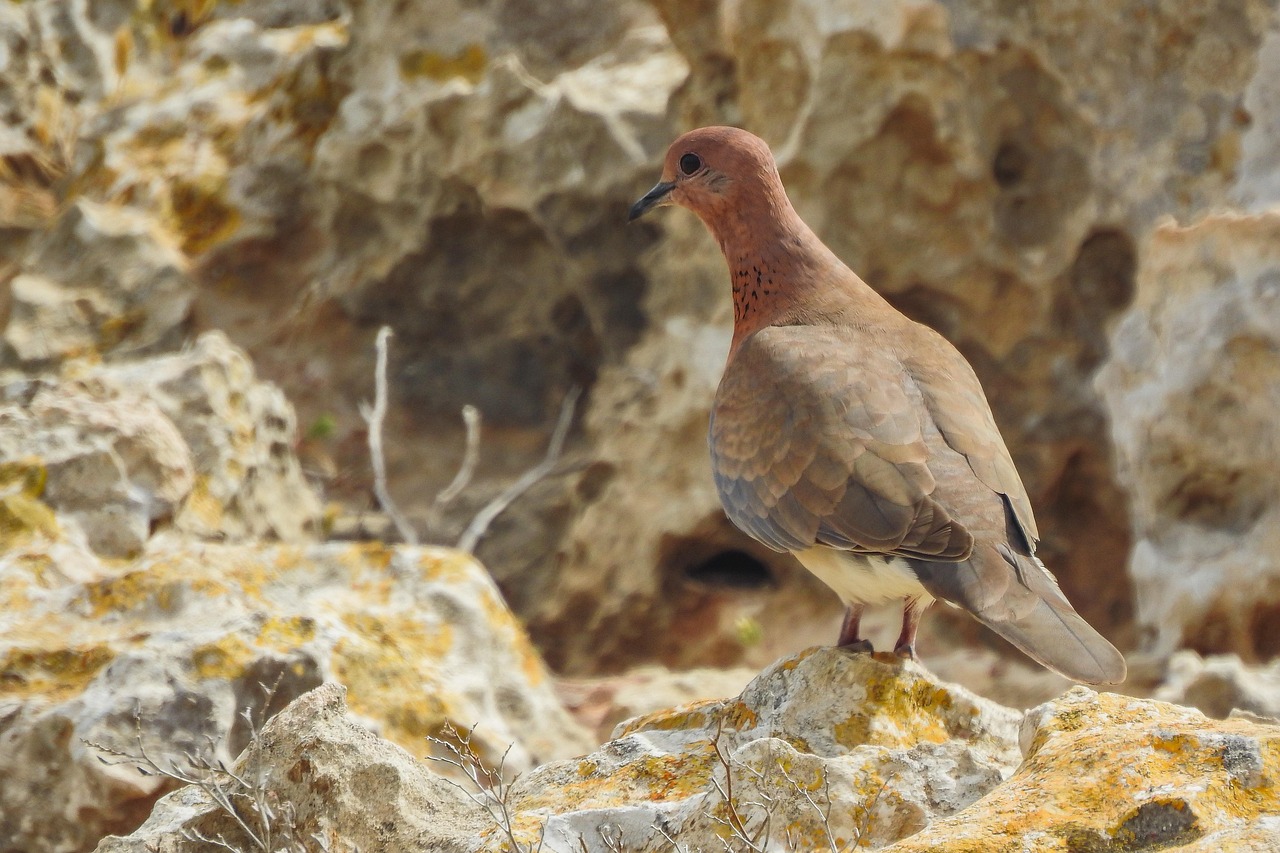
Fancy pigeon breeding is an art form that combines passion with precision, aiming to produce offspring of exceptional purity and beauty. This guide delves into the best pairing methods to achieve high-quality, visually stunning birds, offering actionable insights for enthusiasts at all levels. By focusing on strategic approaches, breeders can enhance genetic traits and maintain breed standards effectively.
Understanding Fancy Pigeon Breeding Fundamentals
Before diving into pairing techniques, it's crucial to grasp the core principles of fancy pigeon breeding. This involves selecting birds based on health, lineage, and aesthetic qualities to ensure successful outcomes. A solid foundation in genetics and breed standards sets the stage for advanced methods, helping breeders avoid common pitfalls and maximize their efforts.
Key Genetic Concepts for Breeders
Genetics play a pivotal role in fancy pigeon breeding, influencing traits like color, feather patterns, and body structure. Understanding dominant and recessive genes allows breeders to predict offspring characteristics and plan pairings strategically. For instance, pairing birds with complementary traits can enhance desired features while minimizing defects, leading to healthier and more beautiful progeny over generations.
Inheritance patterns vary across breeds, so studying specific genetic markers is essential. Tools like pedigree charts help track lineage and identify carriers of desirable traits, enabling informed decisions. By mastering these concepts, breeders can refine their approach to achieve consistent results in purity and aesthetics.
Importance of Breed Standards and Selection
Adhering to established breed standards is vital for maintaining purity in fancy pigeon breeding. These standards define ideal characteristics, such as size, shape, and coloration, serving as benchmarks for selection. Breeders should prioritize birds that closely match these criteria, as deviations can dilute quality and affect breeding success.
Selection involves evaluating individual birds for health, temperament, and conformation. Regular health checks and observation of behavior ensure that only the best specimens are used for pairing. This meticulous process not only preserves breed integrity but also enhances the overall beauty of the flock, making it a cornerstone of effective breeding practices.
Best Pairing Methods for High Purity
Implementing the best pairing methods is key to achieving high purity in fancy pigeon breeding. These techniques range from inbreeding to outcrossing, each with specific applications and benefits. By choosing the right method based on goals and resources, breeders can optimize genetic outcomes and produce superior offspring.
Inbreeding and Line Breeding Strategies
Inbreeding involves mating closely related birds, such as siblings or parent-offspring pairs, to concentrate desirable traits and fix genetic lines. This method is effective for establishing uniformity and purity but requires careful management to avoid inbreeding depression, which can lead to health issues. Breeders should monitor for signs of weakness and introduce new bloodlines periodically to maintain vigor.
Line breeding, a milder form of inbreeding, focuses on mating birds with a common ancestor but less direct relation. This approach balances trait fixation with genetic diversity, reducing risks while still enhancing purity. It's particularly useful for breeders aiming to develop distinct strains within a breed, as it allows for gradual refinement without compromising overall health.
Outcrossing and Hybridization Techniques
Outcrossing introduces unrelated birds from the same breed to increase genetic diversity and improve vitality. This method is ideal for addressing inbreeding issues or introducing new traits, such as enhanced coloration or resilience. Breeders should select outcross partners with complementary qualities to avoid diluting desired characteristics, ensuring that purity is maintained alongside diversity.
Hybridization, or crossing different breeds, can create unique combinations but may reduce purity if not managed carefully. It's best used for experimental purposes or to develop new varieties, with a focus on backcrossing to stabilize traits. By understanding these techniques, breeders can adapt their strategies to meet specific goals, whether for show quality or genetic innovation.
Enhancing Beauty Through Selective Pairing
Beauty in fancy pigeons is not just about appearance but also about harmony and balance in physical traits. Selective pairing focuses on enhancing aesthetic qualities through deliberate choices, combining visual appeal with functional health. This section explores methods to elevate beauty in breeding programs, ensuring that offspring are both stunning and robust.
Focusing on Color and Pattern Enhancement
Color and pattern are defining features of fancy pigeons, making them prime targets for selective pairing. Breeders should study inheritance patterns for specific hues and markings, pairing birds that exhibit strong expressions of these traits. For example, mating birds with vibrant, consistent colors can produce offspring with enhanced pigmentation, while careful selection of pattern carriers can lead to intricate designs.
Environmental factors, such as diet and lighting, can also influence color development, so optimizing care is essential. By integrating genetic knowledge with practical management, breeders can achieve striking visual results that stand out in competitions and collections.
Improving Conformation and Feather Quality
Conformation refers to the overall structure and posture of a pigeon, critical for both beauty and health. Selective pairing should prioritize birds with ideal body proportions, strong bone structure, and graceful movement. Assessing these traits during selection helps ensure that offspring inherit desirable physical attributes, contributing to their aesthetic appeal.
Feather quality, including texture, sheen, and density, is another key aspect of beauty. Pairing birds with excellent feather condition can enhance these characteristics in progeny, leading to birds that are not only beautiful but also resilient. Regular grooming and nutritional support further boost feather health, making it a holistic approach to breeding for beauty.
Practical Tips for Successful Breeding Programs
Running a successful fancy pigeon breeding program requires more than just knowledge of pairing methods; it involves practical management and continuous learning. This section offers actionable tips to streamline operations, improve outcomes, and sustain long-term success in breeding for purity and beauty.
Setting Up an Optimal Breeding Environment
An optimal breeding environment is foundational for healthy and productive pigeons. This includes providing spacious, clean lofts with proper ventilation, temperature control, and nesting areas. Hygiene practices, such as regular cleaning and disease prevention, reduce stress and promote breeding success, ensuring that birds are in peak condition for pairing.
- Ensure lofts are predator-proof and secure
- Maintain consistent lighting to simulate natural cycles
- Provide balanced nutrition and fresh water daily
Monitoring environmental factors helps breeders identify and address issues early, supporting overall flock health and breeding efficiency.
Record-Keeping and Tracking Progress
Accurate record-keeping is essential for tracking breeding outcomes and refining strategies over time. Breeders should maintain detailed logs of pairings, offspring traits, health records, and pedigree information. This data enables analysis of what works best, allowing for adjustments to improve purity and beauty in future generations.
Digital tools can simplify this process, offering organized ways to manage information. By staying organized, breeders can make informed decisions, avoid repetitive mistakes, and achieve consistent results in their fancy pigeon breeding endeavors.
Conclusion
Mastering fancy pigeon breeding involves a blend of genetic knowledge, strategic pairing methods, and practical management. By focusing on best pairing methods, breeders can achieve high purity and enhance beauty in their flocks, creating birds that are both visually stunning and genetically robust. Remember, tools like Ghawy – Pigeon Manager (غاوي – إدارة الحمام) can streamline your efforts, helping you track progress and optimize your breeding programs with ease. Embrace these insights to elevate your passion and produce exceptional offspring.