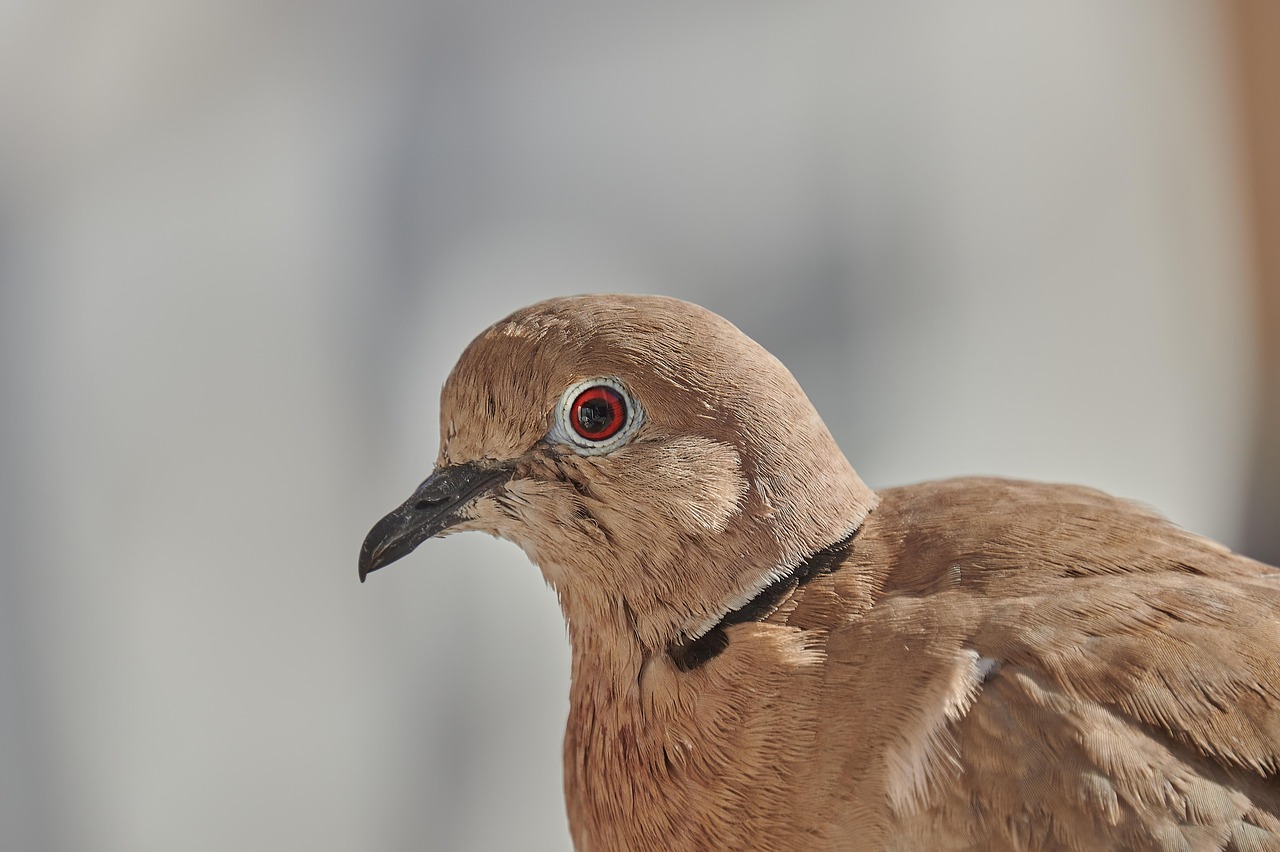
Breeding fancy pigeons is an art form that combines passion with precision, where enthusiasts strive to create birds of exceptional beauty and conformation. This guide delves into the world of fancy pigeon genetics and show pigeon criteria, focusing on the globally recognized NPA standards to help breeders elevate their flocks. By understanding these principles, you can transform your hobby into a pursuit of excellence, producing pigeons that not only captivate the eye but also thrive in competitive arenas.
Understanding NPA Standards: The Global Benchmark
The National Pigeon Association (NPA) standards serve as the definitive framework for evaluating fancy pigeons worldwide, providing a consistent set of criteria that ensures fairness and quality in shows. These standards cover every aspect of a pigeon's appearance and structure, from head shape to feather texture, and are essential for breeders aiming to compete or improve their stock. By adhering to NPA standards, you align your breeding practices with international expectations, which can enhance the value and reputation of your birds. This section explores why these standards matter and how they influence the fancy pigeon community globally.
The History and Evolution of NPA Standards
The NPA was established to promote the breeding and exhibition of fancy pigeons, with its standards evolving over decades to reflect advancements in genetics and avian science. Initially focused on basic traits like color and size, the standards now encompass detailed specifications for over 100 breeds, each with unique requirements. This evolution has helped standardize judging processes, reducing subjectivity and fostering a more competitive yet fair environment. Understanding this history provides context for why NPA standards are so respected, as they represent a collective effort by experts to preserve and enhance pigeon breeds. For breeders, this means that following these standards is not just about compliance but about contributing to a legacy of excellence in pigeon fancying.
Key Components of NPA Show Pigeon Criteria
NPA show pigeon criteria are divided into several key components, each critical for achieving high scores in competitions. These include conformation, which assesses the bird's overall body shape and balance; color and markings, which must match breed-specific patterns; and condition, referring to the health and grooming of the pigeon. Additionally, factors like deportment (how the bird carries itself) and feather quality are evaluated, with judges looking for smooth, tight plumage free from defects. By mastering these components, breeders can systematically improve their flocks, focusing on areas that yield the most points. This approach transforms breeding from a guessing game into a science, where every decision is informed by clear, measurable goals.
The Science of Fancy Pigeon Genetics
Fancy pigeon genetics is the backbone of successful breeding, involving the study of heredity and trait inheritance to produce desired characteristics in offspring. Unlike random mating, a genetic approach allows breeders to predict outcomes, reduce undesirable traits, and enhance qualities like color, size, and temperament. This science is complex but rewarding, as it enables the creation of birds that not only meet NPA standards but also exhibit unique beauty. In this section, we'll explore how genetics intersects with breeding practices, offering actionable insights for enthusiasts at all levels.
Basic Genetic Principles for Breeders
At its core, fancy pigeon genetics involves understanding dominant and recessive genes, which determine how traits are passed from parents to chicks. For example, certain color patterns may be dominant, meaning they appear more frequently, while others are recessive and require specific pairings to manifest. Breeders should start by learning the genetic profiles of their breeds, using resources like pedigree charts to track lineage and avoid inbreeding. By applying these principles, you can make informed pairing decisions, such as crossing birds with complementary traits to strengthen desirable characteristics. This foundational knowledge is crucial for anyone serious about improving their flock, as it reduces trial and error and increases the likelihood of producing show-quality pigeons.
Advanced Techniques in Genetic Selection
For experienced breeders, advanced genetic techniques can take fancy pigeon breeding to the next level, involving strategies like line breeding and outcrossing to enhance specific traits. Line breeding focuses on mating closely related birds to fix desirable characteristics, while outcrossing introduces new genes to improve vigor and diversity. Tools like DNA testing are also becoming more accessible, allowing for precise identification of genetic markers linked to health and appearance. By incorporating these techniques, breeders can accelerate progress toward NPA standards, creating birds that are not only beautiful but also genetically robust. However, it's important to balance innovation with caution, as over-reliance on certain methods can lead to health issues, so always prioritize the well-being of your pigeons.
Applying Show Pigeon Criteria in Practice
Applying show pigeon criteria in practice requires a hands-on approach, where breeders must translate NPA standards into daily care and selection processes. This involves everything from choosing breeding pairs based on their conformity to criteria to preparing birds for exhibitions through grooming and training. By integrating these practices into your routine, you can ensure that your pigeons consistently meet high standards, whether for personal satisfaction or competitive success. In this section, we'll provide practical tips for implementing show pigeon criteria, making the journey from theory to reality smoother and more effective.
Selecting and Pairing Breeding Stock
Selecting and pairing breeding stock is a critical step in applying show pigeon criteria, as it sets the foundation for future generations. Start by evaluating each bird against NPA standards, using checklists to assess traits like head shape, eye color, and body proportions. Look for birds that excel in multiple areas, but also consider complementary strengths—for instance, pairing a pigeon with excellent color but average conformation with one that has superior structure. This strategic approach increases the chances of producing offspring that inherit the best qualities from both parents. Additionally, maintain detailed records of each pairing and its results, which will help you refine your strategies over time and build a lineage of champions.
Preparing Pigeons for Shows and Competitions
Preparing pigeons for shows and competitions goes beyond breeding, involving meticulous grooming, training, and health management to present birds at their best. Begin by ensuring your pigeons are in peak condition, with a balanced diet, regular exercise, and preventive healthcare to avoid issues like mites or respiratory problems. Grooming should include bathing, feather trimming if necessary, and checking for any defects that could detract from their appearance. Training is also key, as pigeons need to be comfortable with handling and staging to exhibit good deportment during judging. By dedicating time to these preparations, you can maximize your birds' potential in competitions, turning hard work into tangible rewards and recognition within the fancy pigeon community.
Overcoming Common Breeding Challenges
Breeding fancy pigeons according to NPA standards is not without its challenges, from genetic bottlenecks to health issues that can hinder progress. Overcoming these obstacles requires patience, knowledge, and a proactive mindset, as even experienced breeders face setbacks. This section addresses common breeding challenges and offers solutions to help you navigate them, ensuring that your efforts lead to sustainable improvement. By anticipating and managing these issues, you can maintain a healthy, thriving flock that consistently meets high standards.
Managing Genetic Diversity and Health
Managing genetic diversity and health is essential for long-term success in fancy pigeon breeding, as inbreeding can lead to weakened immune systems and reduced vitality. To avoid this, introduce new bloodlines periodically through careful outcrossing, selecting birds from reputable sources that complement your existing stock. Health management should include regular veterinary check-ups, vaccinations, and a clean living environment to prevent diseases. Common health issues in fancy pigeons include respiratory infections and parasitic infestations, which can be mitigated with proper hygiene and nutrition. By prioritizing both genetic diversity and health, you create a resilient flock that is better equipped to meet NPA standards and thrive in various conditions.
Dealing with Non-Conformance and Setbacks
Dealing with non-conformance and setbacks is a natural part of breeding, as not every pigeon will meet NPA standards or produce ideal offspring. When faced with birds that fall short, assess whether they can be improved through selective pairing or if they should be culled from your breeding program. Setbacks like failed hatchings or health crises require quick action, such as consulting with other breeders or veterinarians for advice. It's important to view these challenges as learning opportunities, using them to refine your techniques and deepen your understanding of fancy pigeon genetics. Remember, persistence is key; many top breeders have overcome numerous obstacles to achieve excellence, so stay committed to your goals and adapt as needed.
Conclusion
Mastering the art of fancy pigeon breeding according to NPA standards is a rewarding journey that blends science, skill, and passion. By understanding and applying show pigeon criteria, delving into fancy pigeon genetics, and overcoming common challenges, you can elevate your flock to new heights of beauty and conformity. Whether you're a novice or an experienced enthusiast, these insights provide a roadmap for success, helping you produce birds that shine in competitions and bring joy to your aviary. For those looking to streamline their breeding efforts, consider exploring tools like Ghawy – Pigeon Manager (غاوي – إدارة الحمام), which can assist with tracking and management. Embrace this guide as a starting point, and continue learning and experimenting to achieve your breeding dreams.