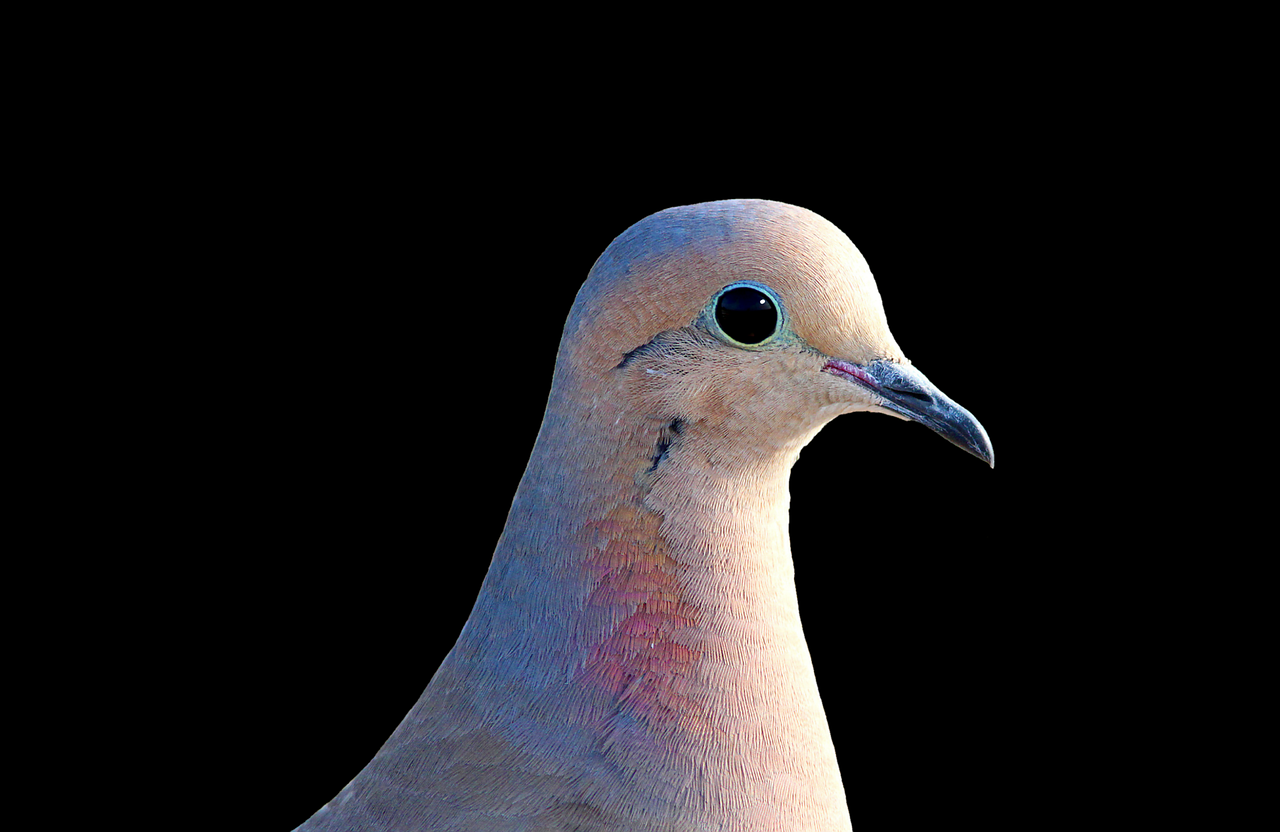
Breeding fancy pigeons is an art form that combines passion with precision, and adhering to the NPA standards is the key to achieving excellence in show pigeon competitions. This guide delves into the intricate world of fancy pigeon genetics and show pigeon criteria, offering actionable insights for enthusiasts aiming to elevate their breeding programs. By understanding these global benchmarks, you can transform your hobby into a rewarding pursuit of perfection.
Understanding NPA Standards: The Global Benchmark for Fancy Pigeons
The National Pigeon Association (NPA) standards serve as the definitive framework for evaluating fancy pigeons worldwide, ensuring consistency and fairness in competitions. These criteria cover every aspect of a pigeon's appearance, from feather quality to posture, providing breeders with clear goals to strive for. By mastering NPA standards, you not only enhance your chances in shows but also contribute to the preservation and improvement of pigeon breeds.
The History and Evolution of NPA Standards
NPA standards have evolved over decades, reflecting advancements in avian science and the growing sophistication of the fancy pigeon community. Initially focused on basic traits like color and size, they now incorporate detailed genetic insights and health considerations. This evolution ensures that the standards remain relevant and rigorous, guiding breeders toward sustainable practices that prioritize both aesthetics and well-being.
Today, NPA standards are recognized globally, making them essential for anyone serious about fancy pigeon breeding. They provide a common language for enthusiasts, judges, and breeders, fostering collaboration and innovation across borders. Understanding this history helps appreciate the depth of knowledge required to excel, as it underscores the importance of continuous learning and adaptation in this dynamic field.
Key Components of NPA Evaluation Criteria
NPA evaluation criteria are comprehensive, covering multiple dimensions that define a top-tier fancy pigeon. These include physical attributes such as head shape, eye color, and feather texture, as well as behavioral traits like temperament and movement. Each component is scored meticulously, with judges trained to identify even subtle deviations from the ideal standards.
For breeders, focusing on these key components means paying attention to details that might seem minor but can make a significant difference in competitions. For instance, feather sheen and leg positioning are often overlooked by novices but are critical in NPA assessments. By studying these criteria closely, you can develop a systematic approach to breeding, targeting specific traits to enhance overall quality.
The Science of Fancy Pigeon Genetics: Building Superior Breeds
Fancy pigeon genetics is the foundation of successful breeding, involving the careful selection and combination of genes to produce desired traits. This science goes beyond mere aesthetics, influencing health, vitality, and the ability to meet show pigeon criteria. By delving into genetic principles, breeders can make informed decisions that lead to consistent improvements over generations.
Basic Genetic Principles for Pigeon Breeders
At its core, fancy pigeon genetics involves understanding dominant and recessive genes, as well as how traits are inherited from parent birds. For example, color patterns and feather types often follow predictable genetic patterns, allowing breeders to plan matings with precision. Knowledge of these principles helps avoid common pitfalls, such as inbreeding depression, which can weaken a breed over time.
Practical application of these principles requires patience and record-keeping, as tracking lineage and trait expression is essential for long-term success. Breeders should familiarize themselves with genetic terminology and tools, such as pedigree charts, to optimize their programs. This foundational knowledge empowers you to experiment creatively while maintaining genetic diversity and health.
Advanced Techniques in Genetic Selection
Advanced genetic selection involves leveraging modern insights to enhance specific traits aligned with NPA standards. Techniques like selective breeding for improved feather quality or disease resistance can give your pigeons a competitive edge. By focusing on heritability estimates and genetic markers, breeders can accelerate progress without compromising ethical standards.
Incorporating these techniques requires a deep understanding of your breed's genetic pool and potential. For instance, crossbreeding might introduce desirable traits but must be done cautiously to preserve breed integrity. Advanced breeders often collaborate with experts or use software tools to analyze genetic data, ensuring their efforts are both effective and sustainable in meeting show pigeon criteria.
Show Pigeon Criteria: What Judges Look For in Competitions
Show pigeon criteria encompass the specific attributes that judges evaluate during competitions, directly tied to NPA standards. These criteria ensure that pigeons are not only beautiful but also healthy and well-presented, reflecting the breeder's skill and dedication. Understanding what judges prioritize can help you prepare your birds for success in the show ring.
Physical Attributes and Presentation Standards
Physical attributes are the most visible aspect of show pigeon criteria, including factors like symmetry, color vibrancy, and overall conformation. Judges assess each bird against breed-specific ideals, looking for harmony in proportions and absence of defects. Presentation also plays a role, with grooming and handling affecting how a pigeon is perceived in the competitive environment.
To excel, breeders must train their pigeons to stand and move confidently, as nervousness can detract from physical appeal. Regular health checks and proper nutrition are essential to maintain peak condition. By mastering these elements, you ensure your pigeons not only meet but exceed expectations, standing out in crowded competitions.
Behavioral and Health Considerations
Behavioral traits, such as calmness and alertness, are increasingly important in show pigeon criteria, as they reflect a bird's overall well-being and training. Judges may observe how pigeons interact with handlers and other birds, valuing temperament that showcases breed characteristics. Health is paramount, with any signs of illness or stress leading to disqualification.
Breeders should prioritize socialization and routine veterinary care to foster positive behaviors. A healthy pigeon is more likely to perform well, so preventive measures against common ailments are crucial. Integrating these considerations into your breeding program ensures that your birds are not only aesthetically pleasing but also robust and resilient.
Practical Breeding Strategies to Meet NPA Standards
Developing practical breeding strategies is essential for consistently producing pigeons that adhere to NPA standards. This involves a holistic approach that combines genetic knowledge, husbandry skills, and continuous evaluation. By implementing structured plans, breeders can achieve steady progress toward their goals.
Setting Up an Effective Breeding Program
An effective breeding program starts with clear objectives aligned with NPA standards, such as improving specific traits like feather texture or color depth. Breeders should select foundation stock carefully, prioritizing birds that already exhibit desirable characteristics. Keeping detailed records of matings, offspring, and performance in shows helps track progress and identify areas for improvement.
Regular culling and selection are necessary to maintain quality, as not all offspring will meet high standards. This process requires objectivity and a long-term vision, as breeding for perfection often takes multiple generations. By staying organized and focused, you can build a reputation for excellence in the fancy pigeon community.
Common Challenges and Solutions in Fancy Pigeon Breeding
Breeders often face challenges such as genetic bottlenecks, health issues, or difficulty in meeting specific show pigeon criteria. Addressing these requires adaptability and problem-solving skills. For example, introducing new bloodlines can refresh genetic diversity, while improved nutrition can enhance feather quality.
- Genetic diversity: Rotate breeding pairs and avoid over-reliance on a few individuals.
- Health management: Implement biosecurity measures and regular check-ups.
- Trait consistency: Use selective breeding to stabilize desired characteristics over time.
Learning from setbacks is part of the journey, and connecting with other enthusiasts can provide valuable support. By anticipating these challenges, you can develop resilient strategies that keep your breeding program on track.
Conclusion
Mastering fancy pigeon breeding according to NPA standards is a rewarding endeavor that blends science, art, and dedication. By focusing on fancy pigeon genetics and show pigeon criteria, breeders can produce birds that excel in competitions and contribute to breed preservation. Remember, success comes from continuous learning and practical application. For those looking to streamline their efforts, tools like Ghawy – Pigeon Manager (غاوي – إدارة الحمام) offer innovative solutions to manage breeding programs effectively. Embrace these insights to elevate your passion and achieve lasting excellence in the world of fancy pigeons.