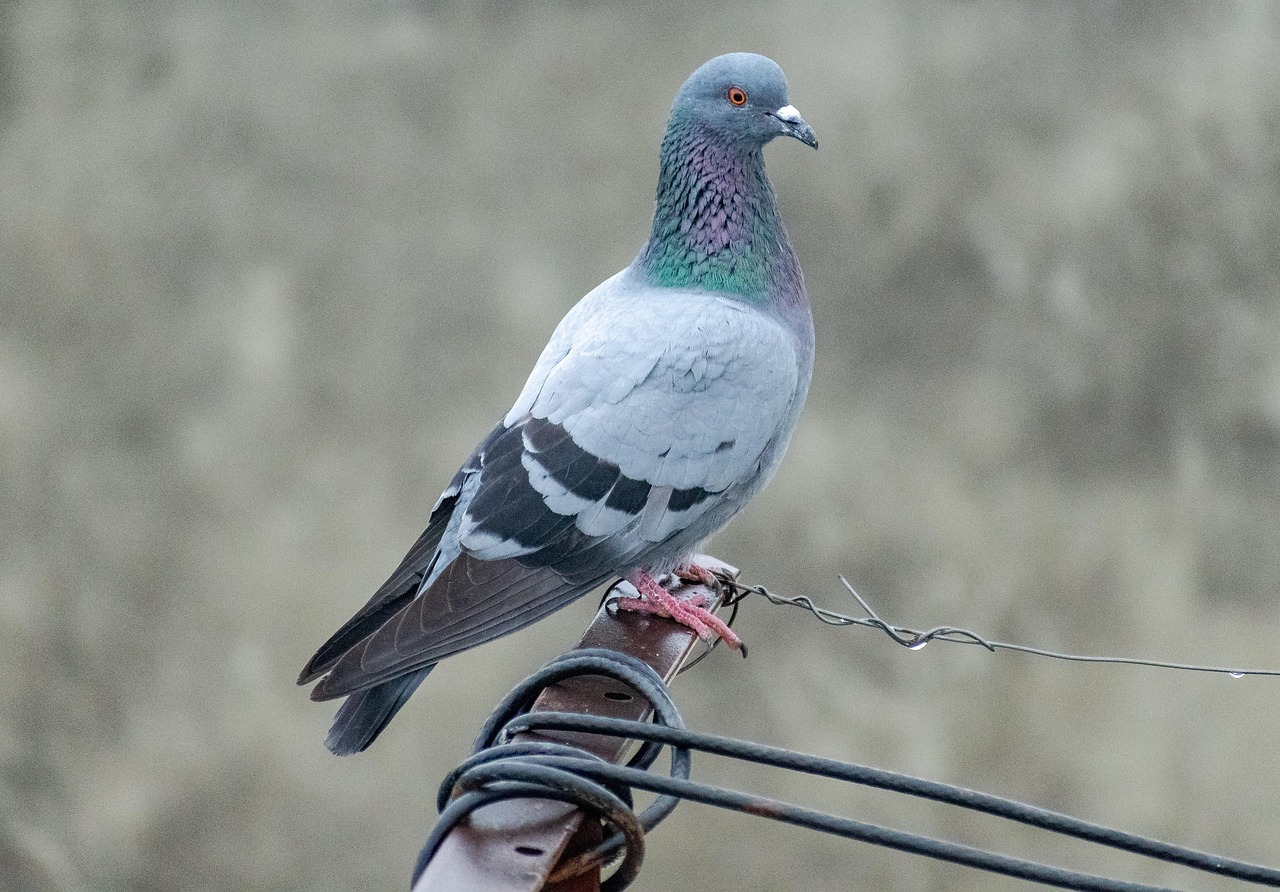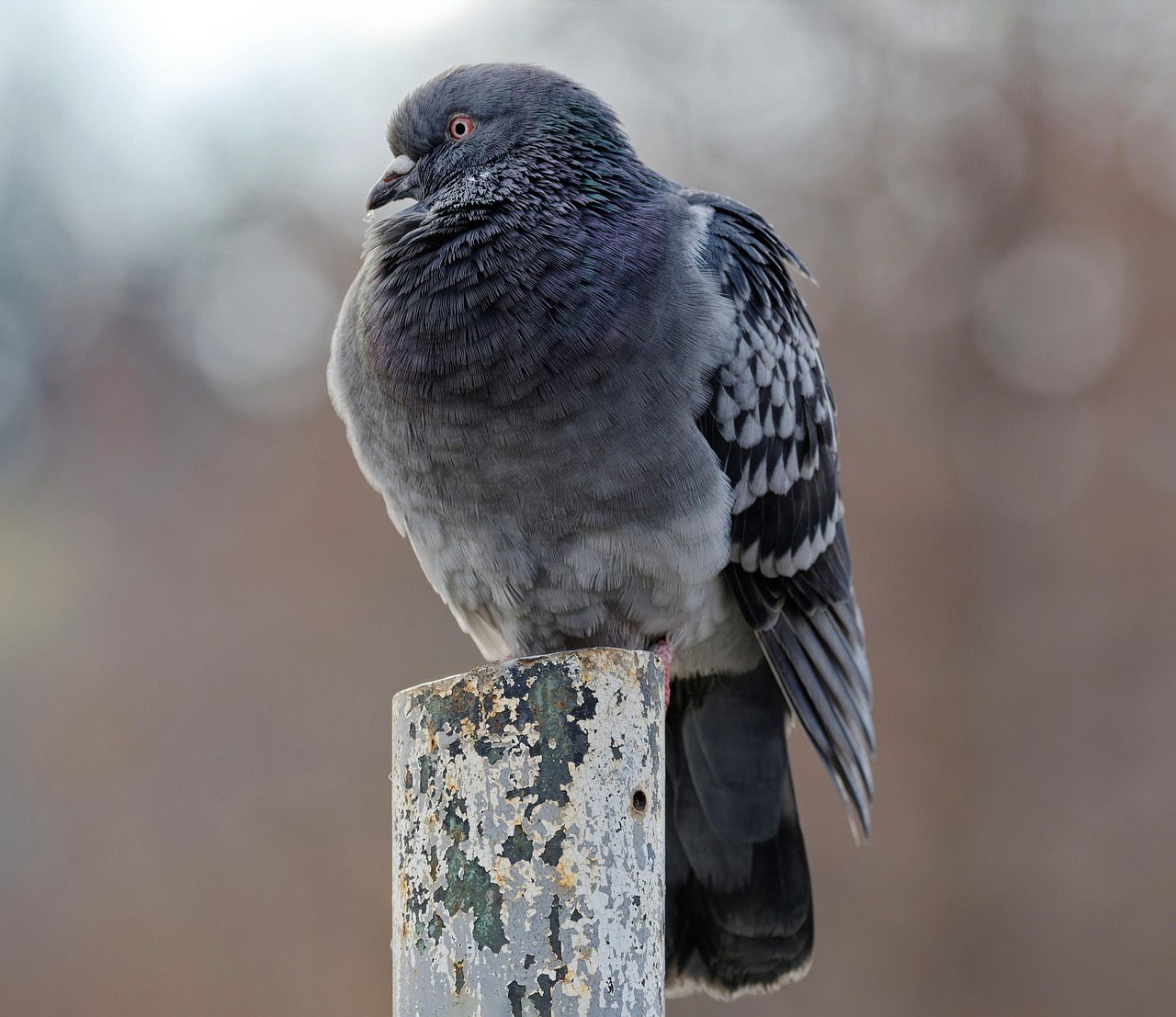
In the world of fancy pigeon breeding, value is not just about rarity or color; it's sculpted through meticulous attention to morphology, particularly in the shoulders and frontal structure. This article delves into how mastering shoulder genetics pigeons and pigeon morphology improvement can transform your birds from ordinary to extraordinary, potentially doubling their market worth and competitive edge. By focusing on these key anatomical features, breeders can unlock genetic potential that enhances both aesthetics and functionality.
The Foundation of Pigeon Value: Understanding Morphology
Pigeon morphology, the study of form and structure, is the cornerstone of breeding excellence. It goes beyond superficial traits to encompass skeletal and muscular frameworks that define a bird's posture, movement, and overall appeal. In fancy pigeons, morphology is critical because it directly influences show performance, breeding success, and market desirability. A well-structured pigeon not only looks impressive but also exhibits better health and vitality, making it a prized asset in any collection.
Shoulder genetics pigeons play a pivotal role in this context, as the shoulder region affects wing carriage, flight efficiency, and balance. Similarly, the frontal area, including the head and beak, contributes to expression and breed standards. By prioritizing these aspects, breeders can systematically enhance their flocks, moving from random selection to targeted genetic improvement. This approach requires a deep understanding of avian anatomy and inheritance patterns, which we'll explore in detail.
Why Shoulders Matter in Pigeon Breeding
The shoulders are a critical junction in a pigeon's anatomy, connecting the wings to the body and influencing overall symmetry. In shoulder genetics pigeons, traits like width, angle, and muscle attachment are heritable and can be selected for over generations. A broad, well-angled shoulder allows for powerful wing strokes and graceful flight, which is essential for show birds and racing breeds alike. Moreover, it contributes to a balanced posture that judges often favor in competitions.
To improve shoulder structure, breeders should assess parent birds for desirable traits and use selective breeding to reinforce them. This involves observing live birds, studying pedigrees, and sometimes even using imaging techniques to analyze bone structure. Over time, consistent selection can lead to a lineage with enhanced shoulder morphology, increasing value through improved performance and aesthetics. It's a long-term investment that pays off in higher prices and breeding demand.
The Role of Frontal Features in Aesthetic Appeal
Frontal features, including the head, beak, eyes, and wattle, are key to a pigeon's expression and breed identity. In pigeon morphology improvement, focusing on the frontal area can dramatically enhance visual appeal, which is crucial for fancy varieties. A well-proportioned head with a strong beak and clear eyes not only meets breed standards but also signals good health and genetic vigor. These traits are often the first thing buyers notice, making them a direct driver of value.
Breeders can enhance frontal features by selecting for specific characteristics, such as beak shape or eye color, that align with their breed's ideal. This requires careful record-keeping and cross-referencing with breed standards from organizations like the National Pigeon Association. By integrating frontal genetics into breeding programs, enthusiasts can produce birds that stand out in shows and attract premium offers. Remember, consistency in these traits across generations solidifies a breeder's reputation and flock value.
Mastering Shoulder Genetics for Enhanced Performance
Shoulder genetics pigeons are not just about looks; they impact functional attributes like flight and endurance. A pigeon with optimized shoulder morphology will exhibit smoother wing movements, better stamina, and reduced risk of injury. This is particularly important for breeds used in flying competitions or as working birds. By understanding the genetic basis of shoulder traits, breeders can make informed decisions that enhance both form and function.
Genetic improvement in shoulders often involves polygenic traits, meaning multiple genes interact to produce the desired outcome. Breeders should use tools like heritability estimates and selection indices to prioritize breeding pairs. For example, pairing birds with complementary shoulder strengths can yield offspring that surpass both parents. This strategic approach accelerates pigeon morphology improvement, leading to flocks that are not only beautiful but also robust and capable.
Identifying Key Shoulder Traits for Selection
When focusing on shoulder genetics pigeons, key traits to monitor include shoulder blade angle, muscle mass, and joint flexibility. A desirable shoulder has a moderate angle that allows for efficient lift and minimal drag during flight. Muscle mass should be sufficient to support wing power without causing imbalance. Flexibility ensures a full range of motion, which is vital for agility and health. Breeders can assess these traits through hands-on examination and by observing birds in motion.
To systematically improve these traits, maintain detailed records of each bird's shoulder measurements and performance metrics. Use this data to identify top performers and breed them selectively. Over generations, this focused selection will amplify desirable genes, leading to a noticeable enhancement in shoulder morphology. This process requires patience and precision, but the payoff is a flock with superior genetics that commands higher value in the market.
Breeding Strategies for Shoulder Enhancement
Effective breeding strategies for shoulder genetics pigeons involve a mix of inbreeding and outcrossing. Inbreeding can fix desirable traits within a lineage, but it must be done cautiously to avoid genetic defects. Outcrossing introduces new genetic material that can strengthen shoulder structure, especially if sourced from birds with proven morphology. A balanced approach, using pedigree analysis and performance testing, ensures steady progress in pigeon morphology improvement.
Implement a breeding plan that includes regular evaluations and adjustments based on outcomes. For instance, if a particular pairing produces offspring with weak shoulders, reconsider the genetic compatibility or introduce new bloodlines. Tools like genetic mapping, though advanced, can aid in understanding trait inheritance. By staying adaptable and informed, breeders can double their pigeon's value through enhanced shoulder genetics, making their birds sought-after in competitive circles.
Optimizing Frontal Morphology for Breed Standards
Frontal morphology is a defining aspect of fancy pigeons, directly tied to breed standards and aesthetic judgment. In pigeon morphology improvement, the frontal area includes elements like skull shape, beak length, and eye placement, which vary significantly between breeds. A breeder's ability to refine these features can set their birds apart in shows and sales. By aligning with established standards, you ensure your pigeons meet market expectations and judge criteria.
To optimize frontal features, start by studying the specific requirements for your pigeon breed. Use resources like breed clubs and expert consultations to identify ideal traits. Then, apply selective breeding to emphasize these characteristics, such as breeding for a more pronounced frontal shield in certain varieties. This targeted approach not only enhances visual appeal but also reinforces genetic purity, increasing the overall value of your flock through consistency and quality.
Key Frontal Features to Target in Breeding
In focusing on frontal morphology, key features include beak curvature, eye size and color, and head shape. For example, in breeds like Fantails, a well-rounded head with bright eyes is crucial, while in Carriers, a strong, straight beak is preferred. By targeting these features, breeders can achieve pigeon morphology improvement that aligns with breed ideals. This requires careful observation and selection, as even minor deviations can affect value.
Use a checklist to evaluate frontal traits during breeding season:
- Assess beak alignment and strength
- Check eye clarity and placement
- Measure head proportions relative to body size
- Note any asymmetries or defects
Techniques for Improving Frontal Structure
Improving frontal structure involves both genetic and environmental factors. Genetically, select breeding pairs with complementary frontal traits to produce balanced offspring. Environmentally, ensure proper nutrition and housing to support healthy development, as deficiencies can affect bone and feather growth in the frontal area. Techniques like controlled breeding seasons and health monitoring can further aid in pigeon morphology improvement.
Consider using advanced methods such as photographic analysis to track changes in frontal features across generations. This allows for precise adjustments in breeding programs. By combining traditional knowledge with modern tools, breeders can achieve significant enhancements in frontal morphology, doubling their pigeon's value through superior aesthetics and genetic integrity. Remember, consistency in these efforts builds a reputation for quality that attracts buyers and enthusiasts alike.
Integrating Shoulder and Frontal Genetics for Maximum Value
To truly double your fancy pigeon's value, integrate shoulder and frontal genetics into a cohesive breeding strategy. This holistic approach ensures that improvements in one area complement the other, producing birds that excel in both form and function. For instance, a pigeon with strong shoulders and a well-defined frontal structure will not only perform better but also look more impressive, meeting dual criteria for show and sale.
Develop a breeding plan that prioritizes both shoulder genetics pigeons and frontal traits, using selection indices to balance priorities. This might involve breeding birds with excellent shoulders to those with superior frontal features, then selecting offspring that exhibit the best of both. Over time, this integration leads to a flock with enhanced overall morphology, making them highly valuable in competitive markets. It's a strategic investment that pays dividends in reputation and revenue.
Case Studies: Success Stories in Morphology Improvement
Real-world examples illustrate the power of focused genetics. Breeders who have prioritized shoulder genetics pigeons report birds with improved flight scores and higher show rankings. Similarly, those emphasizing frontal morphology see increased demand for their visually striking pigeons. By studying these cases, you can adapt proven strategies to your own breeding program, accelerating pigeon morphology improvement.
Key lessons from successful breeders include:
- Maintain detailed genetic records to track trait inheritance
- Participate in shows to get feedback and benchmark against peers
- Network with other enthusiasts to exchange knowledge and stock
Tools and Resources for Genetic Management
Effective genetic management requires the right tools. Use software or apps to track pedigrees, traits, and breeding outcomes. Resources like breed-specific guides and online forums can provide insights into shoulder genetics pigeons and frontal improvement techniques. Additionally, consider tools like DNA testing for advanced trait analysis, though this is optional for most breeders.
For streamlined management, platforms like Ghawy – Pigeon Manager (غاوي – إدارة الحمام) offer integrated solutions for record-keeping and breeding planning. By leveraging such tools, you can optimize your efforts in pigeon morphology improvement, ensuring consistent progress toward doubling your pigeon's value. This professional approach minimizes errors and maximizes efficiency in your breeding journey.
Conclusion
Doubling the value of your fancy pigeons through shoulder and frontal genetics is a achievable goal with dedicated effort. By mastering shoulder genetics pigeons and focusing on pigeon morphology improvement, you can enhance both aesthetic appeal and functional performance. This comprehensive approach involves selective breeding, strategic planning, and the use of modern tools to track and optimize traits. Over time, these efforts lead to birds that command higher prices, win more shows, and attract serious buyers.
In summary, key takeaways include the importance of understanding morphology, targeting specific shoulder and frontal traits, and integrating genetics into a cohesive strategy. By applying these principles, you can transform your flock into a valuable asset. For those looking to streamline their breeding management, consider exploring solutions like Ghawy – Pigeon Manager (غاوي – إدارة الحمام) to support your journey. Embrace these insights to elevate your pigeon breeding to new heights of success and value.