In the world of fancy pigeons, value isn't just about beauty—it's a science rooted in genetics and morphology. By mastering the art of selecting superior shoulders and frontal features, breeders can dramatically enhance their pigeons' worth, transforming them from mere pets into prized assets. This article delves into the critical role of shoulder genetics pigeons and pigeon morphology improvement, offering actionable insights to elevate your breeding program.
The Foundation of Pigeon Value: Understanding Morphology
Pigeon morphology, the study of form and structure, is the cornerstone of breeding excellence. It goes beyond aesthetics to influence health, performance, and marketability. A deep understanding of morphology allows breeders to make informed decisions that enhance genetic traits, leading to pigeons that command higher prices and greater respect in competitions.
Why Shoulder and Frontal Features Matter
Shoulder and frontal features are pivotal in pigeon morphology improvement because they directly impact posture, flight capability, and overall balance. Strong, well-angled shoulders contribute to efficient wing movement, while a prominent, well-defined frontal area enhances the bird's appearance and structural integrity. These traits are not just cosmetic; they are indicators of robust genetics that can be passed down through generations, making them essential for long-term breeding success.
Focusing on shoulder genetics pigeons ensures that your birds possess the physical foundation needed for both show and breeding purposes. By prioritizing these aspects, you can avoid common pitfalls like weak joints or disproportionate builds, which can detract from value. This approach aligns with the principles of selective breeding, where targeted improvements lead to superior offspring and increased financial returns.
Key Morphological Indicators to Assess
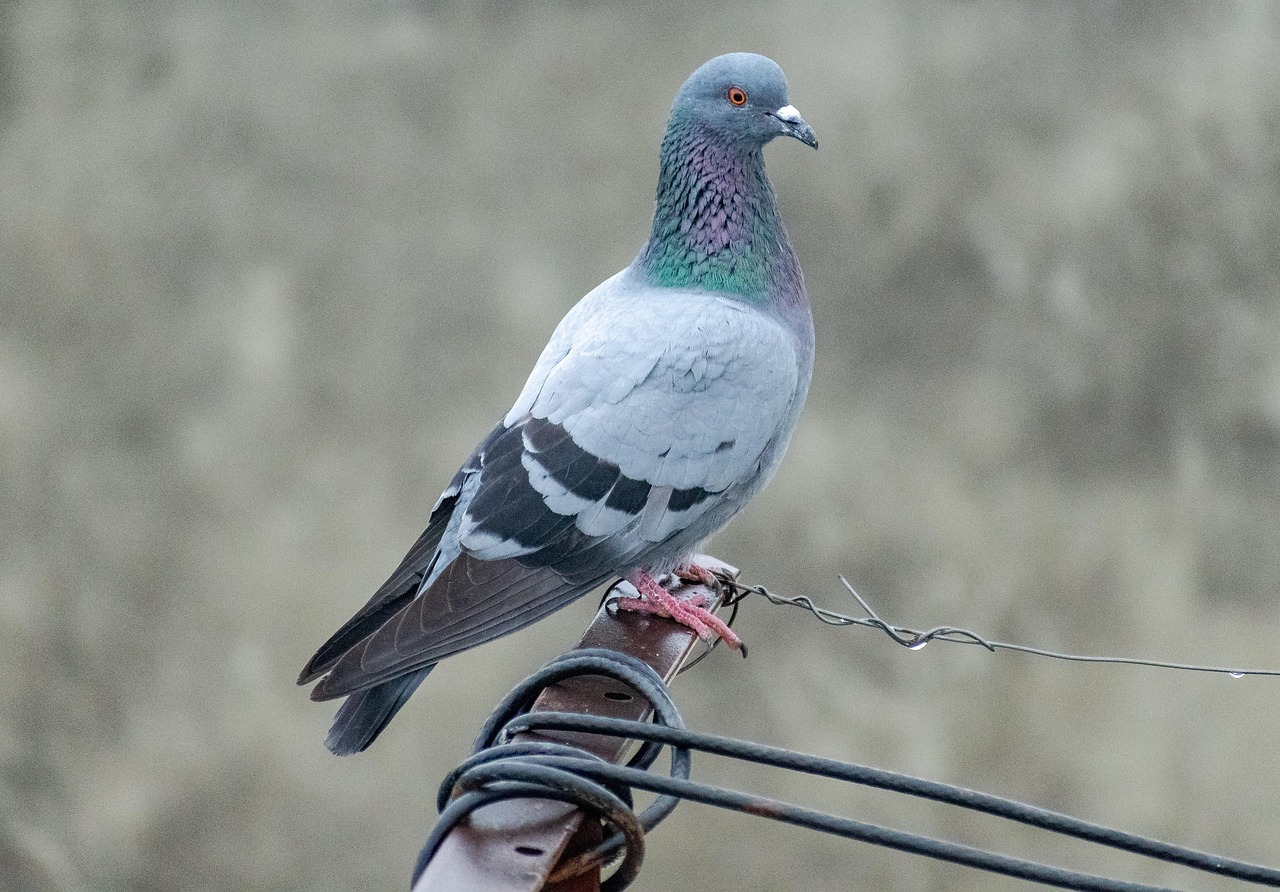
When evaluating pigeons for shoulder and frontal traits, breeders should look for specific indicators. For shoulders, check for a broad, muscular base with a slight upward angle that supports wing extension. The frontal area should exhibit a smooth, rounded curve from the beak to the crown, without any dips or irregularities. These features not only enhance visual appeal but also correlate with better health and vitality, as they often reflect strong bone structure and genetic fitness.
In pigeon morphology improvement, it's crucial to assess these traits in conjunction with other factors like feather quality and overall symmetry. A holistic view ensures that improvements in one area don't compromise others. For instance, overemphasizing shoulder width without considering balance can lead to mobility issues. By integrating these assessments into regular breeding evaluations, you can steadily enhance your flock's value over time.
Mastering Shoulder Genetics for Enhanced Pigeon Value
Shoulder genetics pigeons are a specialized field that focuses on inheriting and refining traits related to the shoulder region. This involves understanding how genes influence muscle development, joint alignment, and wing attachment. By leveraging genetic knowledge, breeders can selectively pair birds to amplify desirable shoulder characteristics, leading to pigeons that excel in both form and function.
Genetic Principles Behind Shoulder Development
The genetics of shoulder development are complex, involving multiple genes that control muscle mass, bone density, and joint flexibility. Dominant traits often dictate broader shoulders, while recessive genes might influence finer details like angle or symmetry. Through careful pedigree analysis and selective breeding, breeders can identify carriers of favorable genes, ensuring that offspring inherit robust shoulder structures. This process is central to pigeon morphology improvement, as it allows for predictable and consistent enhancements across generations.
Practical applications include using breeding records to track shoulder traits over time, identifying patterns that indicate genetic strength. For example, if a particular lineage consistently produces pigeons with strong, well-defined shoulders, those birds should be prioritized in breeding programs. This data-driven approach minimizes guesswork and maximizes the potential for value increase, making it a key strategy for serious enthusiasts.
Breeding Strategies for Optimal Shoulders
To optimize shoulder genetics pigeons, implement strategic breeding practices that focus on complementary traits. Pair birds with contrasting but compatible shoulder features to balance strengths and mitigate weaknesses. For instance, a pigeon with excellent width might be bred with one that has superior angle, resulting in offspring that combine both attributes. This method, known as outcrossing, can introduce genetic diversity while maintaining core improvements in shoulder morphology.
Additionally, consider environmental factors that support shoulder development, such as proper nutrition and exercise. A balanced diet rich in protein and minerals fosters muscle growth, while adequate flight space encourages natural wing use, strengthening shoulder joints. By integrating these strategies, breeders can accelerate pigeon morphology improvement, leading to pigeons that not only look impressive but also perform better in shows and breeding scenarios.
- Use pedigree analysis to identify strong shoulder genetics
- Implement outcrossing to enhance genetic diversity
- Provide optimal nutrition and exercise for development
Frontal Features: The Aesthetic and Functional Edge
Frontal features, encompassing the head and face regions, play a dual role in pigeon value by enhancing both aesthetics and functionality. A well-proportioned frontal area contributes to the bird's overall symmetry and balance, making it more appealing to judges and buyers. Moreover, it can influence breathing efficiency and vision, which are critical for health and performance in competitive settings.
Anatomy of an Ideal Frontal Structure
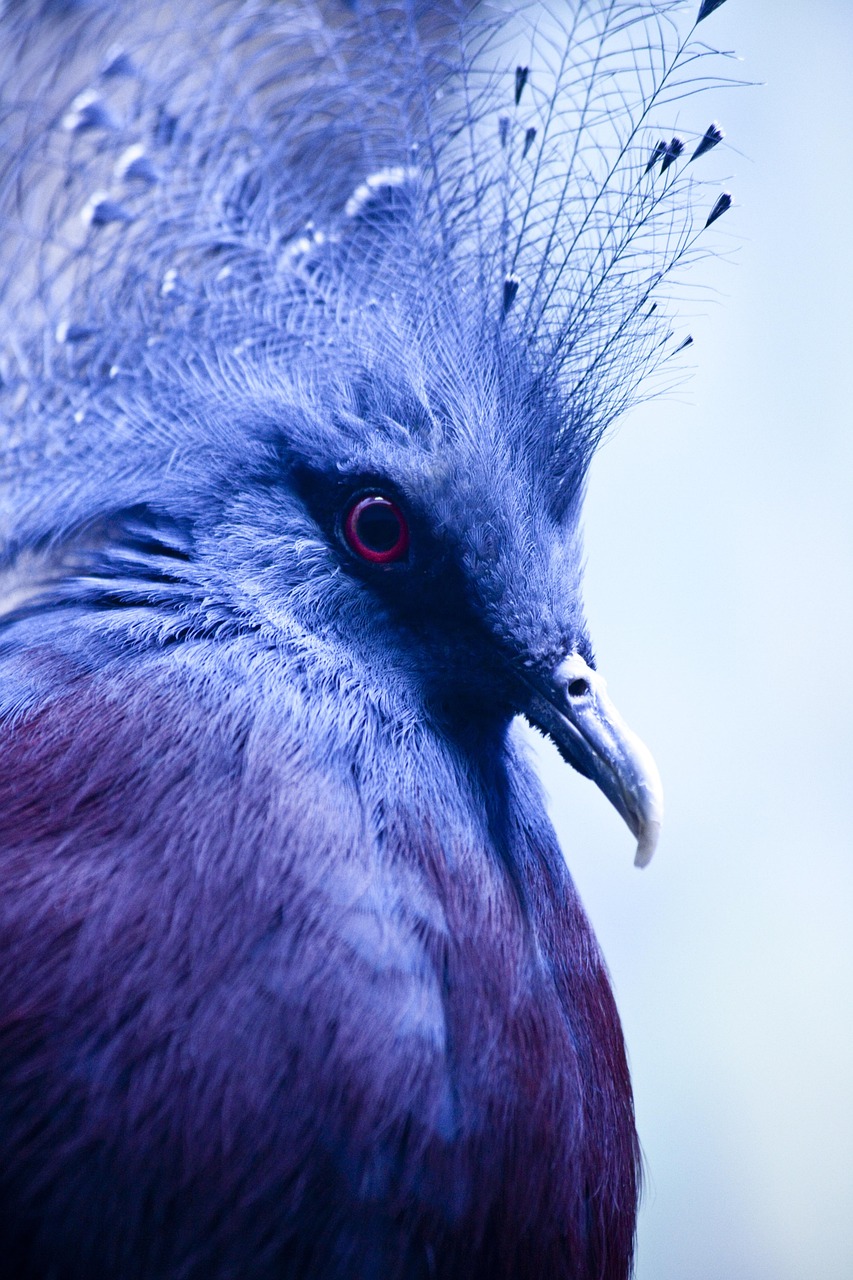
An ideal frontal structure in pigeons includes a broad, smoothly curved forehead that transitions seamlessly into the beak and eyes. The eyes should be clear, bright, and symmetrically placed, indicating good health and genetic vigor. The beak should be strong and well-aligned, supporting feeding and grooming behaviors. These elements combine to create a harmonious appearance that is highly valued in fancy pigeon circles, directly impacting pigeon morphology improvement efforts.
When assessing frontal features, pay attention to details like the angle of the beak and the depth of the eye sockets. Minor variations can significantly affect the bird's profile and, consequently, its market value. By breeding for these refined traits, you can produce pigeons that stand out in shows and attract higher offers from collectors. This focus on precision aligns with the broader goals of shoulder genetics pigeons, as both areas require meticulous attention to detail for optimal results.
Enhancing Frontal Traits Through Selective Breeding
Selective breeding for frontal traits involves choosing parent birds with exemplary head and face characteristics to pass on to their offspring. This requires a keen eye for detail and a thorough understanding of inheritance patterns. For example, if a pigeon has a particularly elegant frontal curve, breeding it with a mate that has complementary eye placement can yield progeny with enhanced overall appeal. This process is integral to pigeon morphology improvement, as it allows for gradual refinement over multiple generations.
To support this, maintain detailed breeding logs that document frontal measurements and observations. This data helps identify trends and make informed pairing decisions. Additionally, consider the role of environmental factors, such as lighting and habitat, which can influence the development of frontal features. By combining genetic selection with optimal care, breeders can achieve consistent improvements that boost their pigeons' value and reputation.
Integrating Shoulder and Frontal Improvements for Maximum Impact
Combining improvements in shoulder genetics pigeons and frontal features creates a synergistic effect that maximizes pigeon value. When both areas are enhanced, the bird exhibits superior overall morphology, leading to better performance in shows, higher breeding demand, and increased financial returns. This integrated approach ensures that no single trait is overemphasized at the expense of others, resulting in a well-rounded and valuable pigeon.
Balancing Aesthetics and Functionality
In pigeon morphology improvement, it's essential to balance aesthetics with functionality. While strong shoulders and attractive frontal features enhance visual appeal, they must also support the bird's physical capabilities. For instance, a pigeon with beautifully defined shoulders should also have the muscle strength to sustain flight, and an elegant frontal structure should not impede breathing. By evaluating both aspects during breeding selections, you can produce pigeons that are not only beautiful but also healthy and resilient.
This balance is achieved through continuous assessment and adjustment. Regularly review your breeding outcomes to ensure that improvements in one area don't lead to deficiencies in another. Engage with other enthusiasts to share insights and learn from their experiences. This collaborative approach fosters a deeper understanding of how shoulder genetics pigeons and frontal traits interact, enabling more effective breeding strategies that drive long-term value growth.
Practical Steps for Breeders
To implement these strategies, start by conducting a thorough evaluation of your current flock. Identify birds with strong shoulder and frontal traits, and use them as foundation stock for your breeding program. Develop a breeding plan that outlines specific goals for pigeon morphology improvement, such as increasing shoulder width or refining frontal curves. Monitor progress through regular assessments and adjust your approach based on results.
Invest in tools and resources that support your efforts, such as measurement devices for precise morphological analysis. Consider using software like Ghawy – Pigeon Manager (غاوي – إدارة الحمام) to track breeding data and genetic lineages efficiently. This platform can streamline record-keeping and provide insights that enhance your decision-making process. By taking these practical steps, you can systematically double your fancy pigeons' value through targeted genetic and morphological enhancements.
- Evaluate current flock for shoulder and frontal strengths
- Develop a detailed breeding plan with specific goals
- Use tools like Ghawy – Pigeon Manager for data tracking
Conclusion
Doubling the value of your fancy pigeons hinges on a strategic focus on shoulder genetics pigeons and pigeon morphology improvement. By mastering the selection of superior shoulders and frontal features, you can enhance both aesthetics and functionality, leading to birds that command higher prices and greater acclaim. Remember, success in breeding requires patience, precision, and a commitment to continuous learning. For those looking to streamline their efforts, consider leveraging tools like Ghawy – Pigeon Manager (غاوي – إدارة الحمام) to optimize your breeding program and achieve remarkable results.