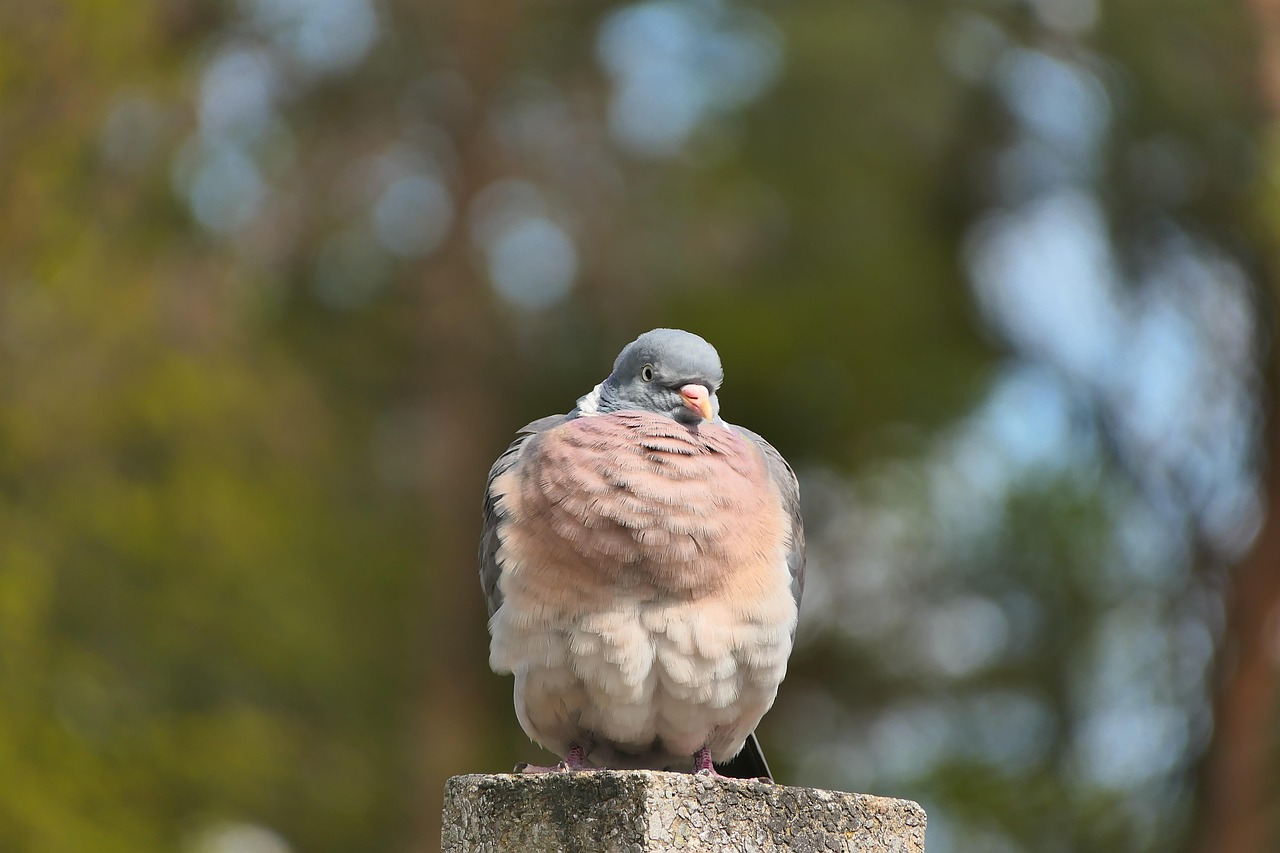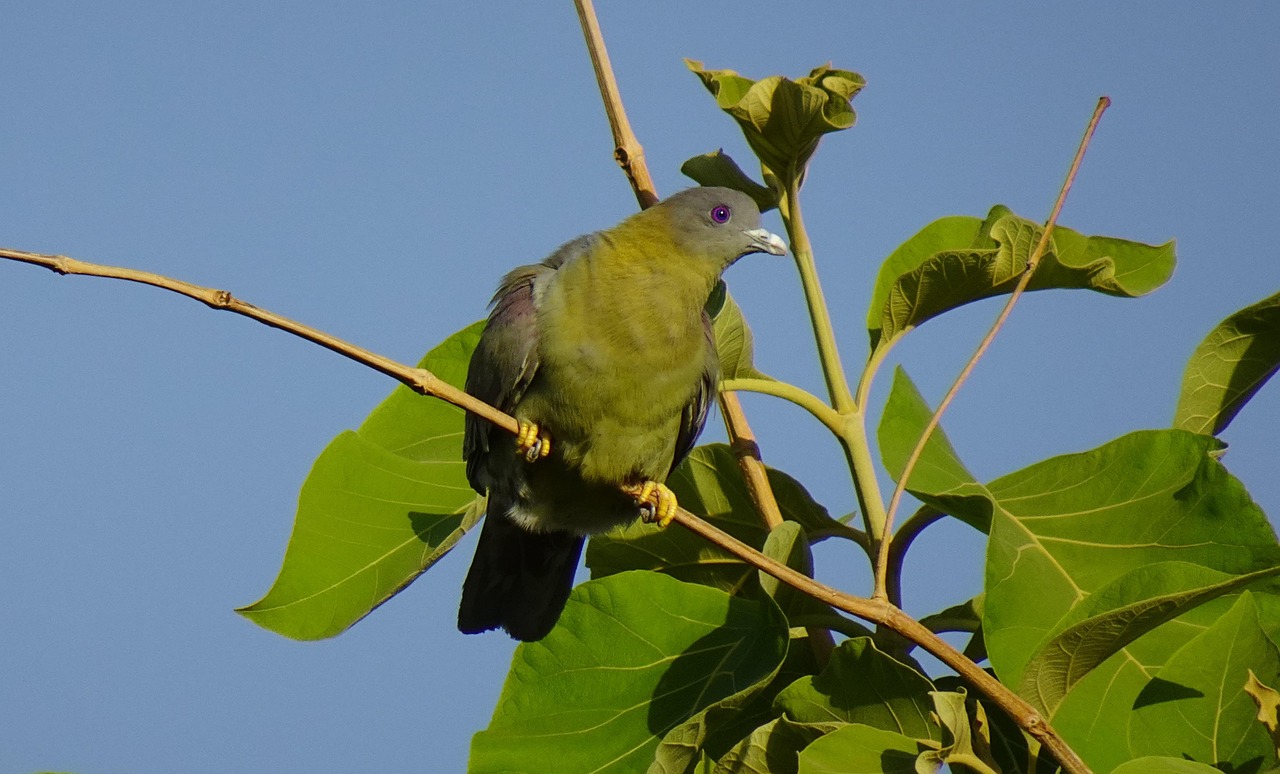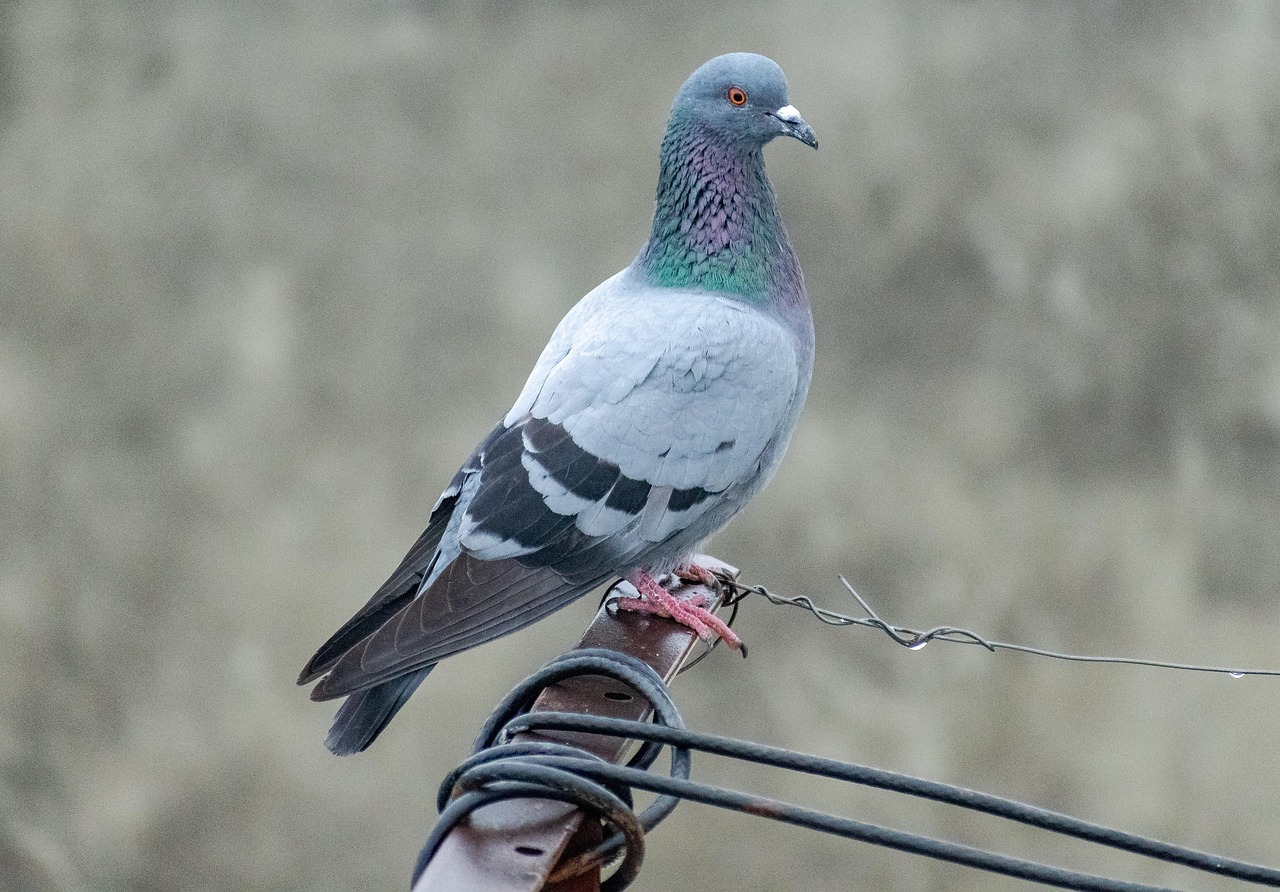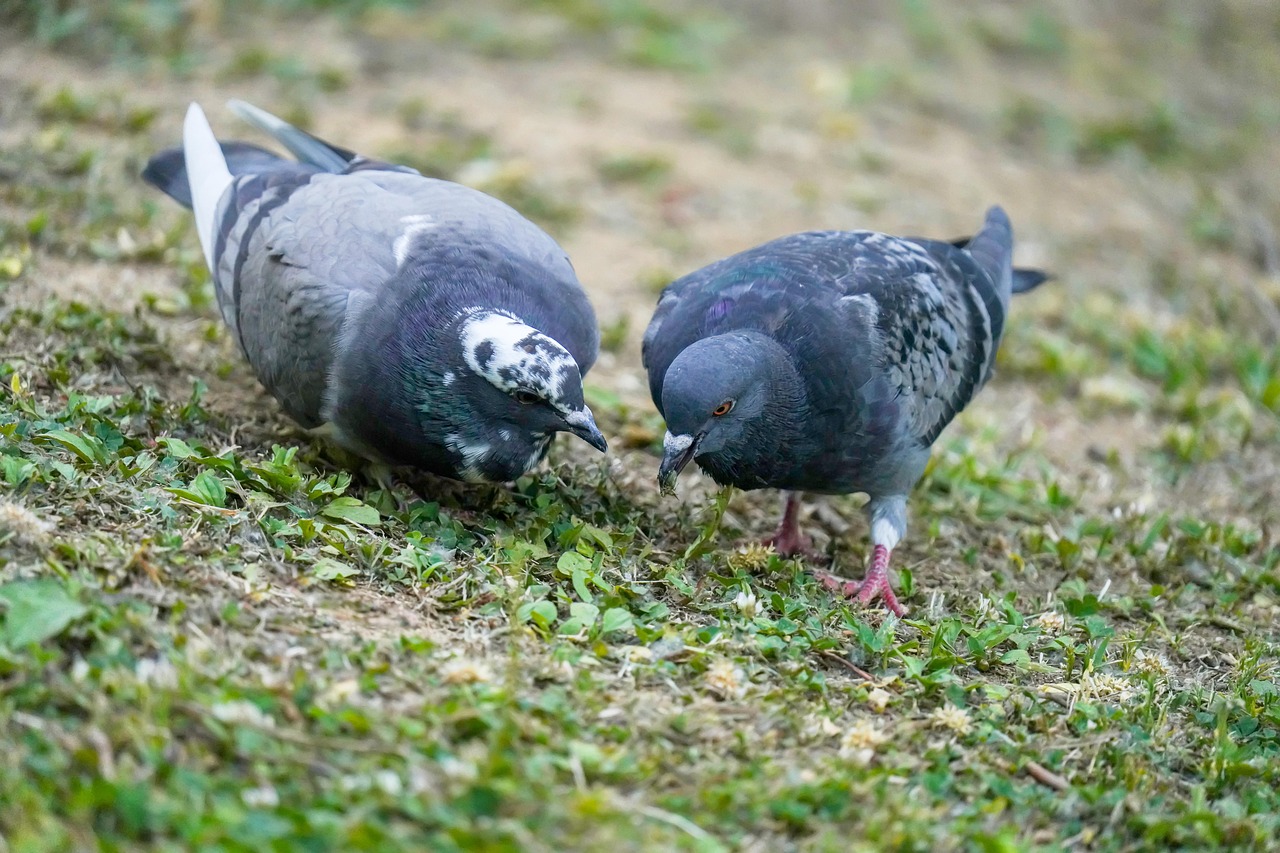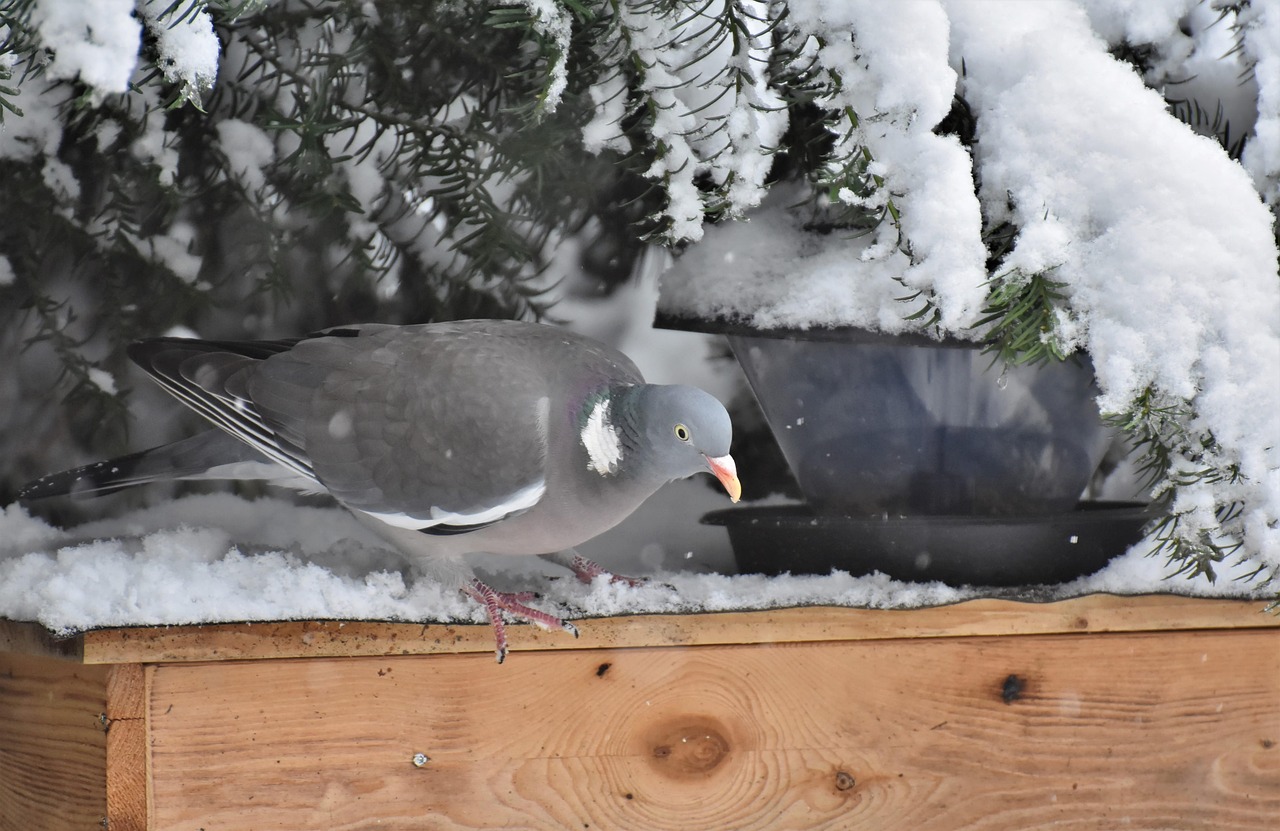
In the specialized world of fancy pigeon breeding, the aesthetic and monetary value of your birds can be dramatically enhanced through strategic focus on specific morphological traits. This article delves into the critical role of shoulder genetics and frontal structure in pigeon morphology improvement, offering actionable insights to help breeders elevate their flocks. By mastering these elements, you can transform ordinary pigeons into prized specimens that command attention and higher prices in competitive markets.
The Foundation of Pigeon Morphology: Understanding Key Traits
Pigeon morphology improvement begins with a deep understanding of the physical characteristics that define breed standards and desirability. Shoulder genetics and frontal features are among the most influential factors, as they directly impact posture, balance, and overall visual appeal. Breeders who prioritize these traits can achieve significant enhancements in their pigeons' conformation, leading to increased value and recognition in shows and sales.
Why Shoulder Genetics Matter in Pigeon Breeding
Shoulder genetics play a pivotal role in determining a pigeon's structural integrity and movement. The shoulders, comprising the scapula and associated muscles, influence wing placement, flight efficiency, and stance. In fancy pigeons, well-developed shoulders contribute to a robust and elegant silhouette, which is highly prized in competitions. By selecting breeding pairs with superior shoulder genetics, you can propagate traits that enhance both form and function, making your birds more attractive to enthusiasts and collectors.
Focusing on shoulder genetics involves assessing factors such as width, angle, and muscle definition. Pigeons with broad, sloping shoulders often exhibit better balance and a more imposing presence. This trait is not only aesthetic but also functional, as it supports healthier wing mechanics and reduces stress during flight. Incorporating shoulder genetics into your breeding program requires careful observation and record-keeping to track improvements over generations, ensuring consistent progress toward your goals.
The Impact of Frontal Structure on Pigeon Aesthetics
Frontal structure, encompassing the head, beak, and eye placement, is another critical component of pigeon morphology improvement. A well-defined frontal area enhances the bird's expression and symmetry, which are key judging criteria in fancy pigeon competitions. Traits like a strong, curved beak and prominent eyes can elevate a pigeon's appearance, making it stand out in a crowd. Breeders should aim for harmonious proportions that align with breed standards, as this directly correlates with perceived value and desirability.
Improving frontal structure involves selective breeding for specific characteristics, such as beak shape and head size. For example, pigeons with a refined, tapered beak often appear more elegant, while those with a broad forehead may convey strength and character. It's essential to balance these traits with overall body proportions to avoid imbalances that could detract from the bird's appeal. By prioritizing frontal improvements, you can create pigeons that not only look exceptional but also exhibit the confidence and poise that judges and buyers seek.
Strategies for Enhancing Shoulder Genetics in Your Flock
To effectively enhance shoulder genetics, breeders must adopt a systematic approach that combines selective breeding with environmental management. This section outlines practical strategies to improve shoulder traits, focusing on genetic selection, nutrition, and exercise. By implementing these methods, you can accelerate the development of superior pigeons that showcase optimal shoulder morphology.
Selective Breeding for Superior Shoulder Traits
Selective breeding is the cornerstone of improving shoulder genetics in pigeons. Start by identifying individuals with desirable shoulder characteristics, such as a wide base, smooth slope, and strong muscle attachment. Use these birds as foundation stock for your breeding program, pairing them with mates that complement or enhance these traits. Over generations, this focused selection will amplify the genetic potential for improved shoulders, leading to a flock with consistent and impressive morphology.
When selecting breeding pairs, consider factors beyond just appearance. Health, temperament, and genetic diversity are crucial to avoid inbreeding and maintain vitality. Keep detailed records of each bird's lineage and traits to make informed decisions. Tools like pedigree charts and performance tracking can help you identify patterns and optimize your breeding strategy. Remember, patience is key; shoulder genetics improvement is a gradual process that requires dedication and careful planning to achieve lasting results.
Nutrition and Exercise for Shoulder Development
Proper nutrition and exercise are vital for supporting the genetic potential of shoulder traits in pigeons. A balanced diet rich in proteins, vitamins, and minerals fuels muscle growth and bone health, which are essential for developing strong shoulders. Incorporate high-quality feeds and supplements tailored to active birds, ensuring they receive the nutrients needed for optimal development. Hydration is also critical, as it supports overall health and metabolic functions that influence morphology.
Exercise plays a complementary role in shoulder development by promoting muscle tone and flexibility. Encourage regular flight and perching activities that engage the shoulder muscles, such as controlled flying sessions and obstacle courses. This not only strengthens the shoulders but also improves overall fitness, reducing the risk of injuries. Monitor your pigeons' activity levels and adjust their routines as needed to support steady growth. By combining targeted nutrition with purposeful exercise, you can maximize the expression of shoulder genetics in your flock.
Optimizing Frontal Features for Maximum Appeal
Frontal features are a key determinant of a pigeon's visual impact and value. This section explores techniques for optimizing these traits through breeding, grooming, and health management. By focusing on the frontal area, you can enhance the overall aesthetics of your pigeons, making them more competitive in shows and more attractive to potential buyers.
Breeding for Ideal Frontal Proportions
Breeding for ideal frontal proportions requires a keen eye for detail and an understanding of breed-specific standards. Focus on traits like head shape, beak curvature, and eye placement, aiming for symmetry and balance. Select breeding pairs that exhibit these characteristics, and avoid those with flaws such as asymmetrical features or weak beaks. Over time, this selective approach will produce offspring with refined frontal structures that meet or exceed industry expectations.
Incorporate genetic testing and observation to identify carriers of desirable traits, even if they are not fully expressed. This allows you to build a diverse gene pool that supports long-term improvement. Consider collaborating with other breeders to exchange knowledge and stock, broadening your genetic resources. By prioritizing frontal features in your breeding program, you can create pigeons that not only look stunning but also possess the genetic robustness to pass these traits to future generations.
Grooming and Health Maintenance for Frontal Enhancement
Grooming and health maintenance are essential for showcasing and preserving frontal features in pigeons. Regular grooming practices, such as cleaning the beak and eyes, can highlight these areas and prevent issues like infections or deformities. Use gentle tools and techniques to maintain the natural beauty of the frontal structure, avoiding harsh chemicals that could damage delicate tissues.
Health management is equally important, as illnesses or nutritional deficiencies can negatively impact frontal traits. Ensure your pigeons receive routine veterinary check-ups and vaccinations to prevent common ailments. Provide a clean, stress-free environment that supports overall well-being, as healthy birds are more likely to exhibit optimal morphology. By integrating grooming and health care into your routine, you can enhance the frontal appeal of your pigeons and ensure they remain in peak condition for competitions and sales.
Integrating Shoulder and Frontal Improvements for Holistic Value
To truly double the value of your fancy pigeons, it's essential to integrate improvements in shoulder genetics and frontal features into a cohesive breeding strategy. This holistic approach ensures that all aspects of morphology are enhanced in harmony, resulting in birds that excel in both form and function. This section discusses how to balance these traits and measure progress effectively.
Balancing Traits for Overall Conformation
Balancing shoulder and frontal traits is crucial for achieving overall conformation that meets breed standards. Avoid overemphasizing one area at the expense of another, as this can lead to imbalances that reduce value. Instead, aim for a synergistic approach where improvements in shoulder genetics complement enhancements in frontal features. For example, a pigeon with strong shoulders should also have a proportionate head and beak to maintain aesthetic harmony.
Use visual assessments and judging criteria to evaluate balance, seeking feedback from experienced breeders or judges. Adjust your breeding selections based on these evaluations to refine your flock's morphology over time. Remember that perfection is a journey; incremental improvements in both areas will yield pigeons that are not only beautiful but also functionally sound. By focusing on balance, you can create specimens that stand out for their comprehensive excellence.
Measuring Success and Tracking Progress
Measuring success in pigeon morphology improvement requires clear metrics and consistent tracking. Establish goals for shoulder and frontal traits, such as specific measurements or visual benchmarks, and monitor your flock's progress against these targets. Use tools like photography, scoring sheets, and digital records to document changes over generations, allowing you to identify trends and adjust your strategies as needed.
Celebrate milestones, such as winning awards or achieving desired trait expressions, to stay motivated. Share your progress with the breeding community to gain insights and support. By systematically tracking improvements, you can demonstrate the increased value of your pigeons to potential buyers and enthusiasts. This data-driven approach not only enhances your breeding program but also builds credibility and reputation in the fancy pigeon world.
Conclusion
In summary, doubling the value of your fancy pigeons hinges on a focused approach to shoulder genetics and frontal structure within pigeon morphology improvement. By mastering selective breeding, nutrition, exercise, and holistic trait integration, you can elevate your flock to new heights of aesthetic and monetary worth. Remember, consistency and patience are key to achieving lasting results. For those looking to streamline their breeding efforts, consider leveraging tools like Ghawy – Pigeon Manager (غاوي – إدارة الحمام) to track progress and optimize your strategy. Embrace these insights to transform your pigeons into prized assets that captivate and inspire.