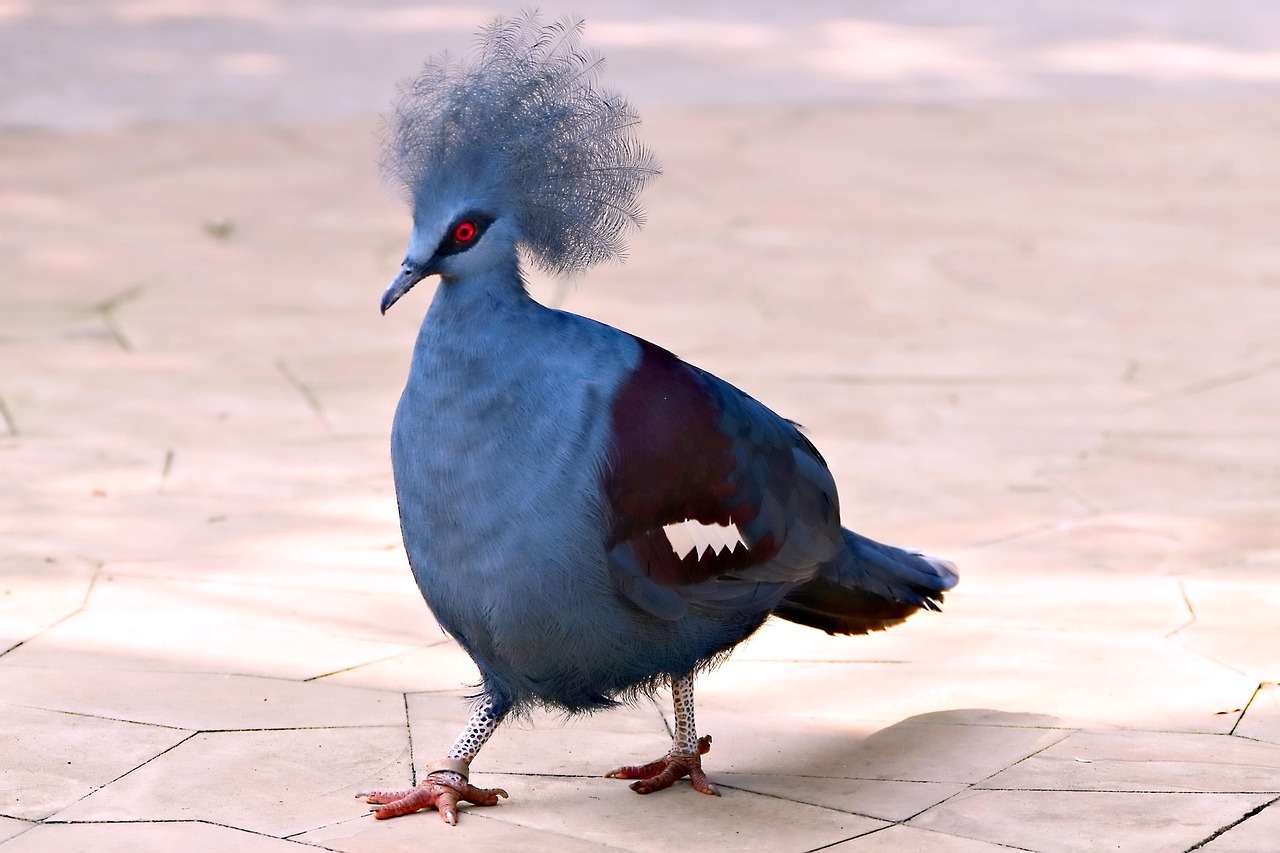
The Old German Owl pigeon, a breed celebrated for its elegance and distinctive appearance, has captivated enthusiasts worldwide, including a growing community in the Arab region. Understanding the precise show pigeon standards is crucial for breeders aiming to excel in competitions and preserve the breed's integrity. This article delves into the detailed criteria for Old German Owls, offering practical insights and examples from the Arab market to guide both novice and experienced fanciers.
The History and Origin of the Old German Owl
The Old German Owl, known for its compact body and unique head shape, originated in Germany in the early 20th century, developed from older owl pigeon varieties. Its popularity has spread globally, with Arab breeders increasingly adopting it for both show and hobby purposes. This section explores its historical background and how it has been integrated into pigeon culture in the Middle East.
Development and Breed Characteristics
The breed was refined through selective breeding to emphasize traits like a short, broad beak and a prominent forehead, which give it an "owl-like" appearance. In the Arab market, these characteristics are highly prized, with breeders often sourcing quality stock from European lines to enhance local flocks. For instance, breeders in Saudi Arabia and Egypt have successfully imported Old German Owls to establish breeding programs that adhere to international standards.
Key historical milestones include its recognition by pigeon associations in Germany and subsequent adoption by clubs in the Arab world, where it is now featured in regional shows. The breed's adaptability to various climates has made it a favorite among Arab enthusiasts, who appreciate its hardiness and aesthetic appeal.
Cultural Significance in the Arab Region
In countries like the UAE and Jordan, pigeon keeping is a cherished tradition, and the Old German Owl has gained a niche following due to its unique look and show potential. Breeders often participate in local exhibitions, where adherence to show pigeon standards is critical for success. Examples include annual pigeon shows in Dubai, where Old German Owls are judged based on strict criteria, fostering a competitive yet collaborative community.
The integration of this breed into Arab pigeon culture reflects a broader trend of embracing international varieties while maintaining local breeding practices. This has led to a vibrant market where knowledge exchange and quality improvement are prioritized.
Detailed Show Pigeon Standards for Old German Owl
To excel in competitions, breeders must master the specific standards set by organizations like the European Pigeon Association, which are also referenced in Arab shows. This section breaks down the key physical and behavioral criteria that define a top-quality Old German Owl.
Physical Attributes and Proportions
The ideal Old German Owl should have a compact, well-rounded body with a broad chest and short legs, giving it a balanced appearance. The head is a critical feature, requiring a pronounced forehead and a short, thick beak that blends smoothly into the face. In the Arab market, breeders often use these standards to select breeding pairs, with examples from Kuwait showing a preference for birds with deep, rich feather colors and flawless markings.
Other important physical traits include a smooth, tight feather texture and a proud carriage, which should be evident when the bird is at rest or in motion. Judges in Arab competitions, such as those in Qatar, closely inspect these aspects to award points, emphasizing the need for meticulous care in breeding and presentation.
Color and Markings Requirements
Old German Owls come in various colors, including black, blue, red, and yellow, often with specific patterns like bars or checks. The standards dictate that colors should be vibrant and evenly distributed, without any blemishes or fading. In the Arab region, breeders in Oman and Bahrain have developed lines with exceptional color consistency, using selective breeding to enhance desirable traits.
Markings, such as wing shields and tail patterns, must be symmetrical and clear, as any deviations can lead to point deductions in shows. Examples from the Saudi Arabian pigeon community highlight how breeders document color genetics to predict offspring outcomes, ensuring adherence to show pigeon standards over generations.
Breeding and Care Practices for Optimal Standards
Maintaining high standards requires not only selecting the right birds but also implementing effective breeding and care strategies. This section covers best practices for nurturing Old German Owls to meet show criteria, with insights from Arab breeders.
Selective Breeding Techniques
Successful breeding involves pairing birds that complement each other's strengths, such as combining a bird with excellent head shape with one that has superior color. In the Arab market, breeders often use pedigree records and genetic knowledge to make informed decisions, as seen in examples from Egypt where lineage tracking is common. This approach helps in producing offspring that consistently meet Old German Owl standards.
- Focus on health and vitality to avoid genetic weaknesses
- Use outcrossing sparingly to introduce new traits without compromising breed integrity
- Monitor growth and development from chick stage to ensure proper conformation
Regular evaluation of breeding stock against show criteria is essential, with many Arab breeders participating in mentorship programs to refine their techniques.
Nutrition and Health Management
A balanced diet rich in proteins and vitamins is crucial for developing strong feathers and overall vitality, which directly impact show performance. Arab breeders, such as those in the UAE, often customize feed blends based on local availability, incorporating grains and supplements to meet specific needs. Health management includes routine vaccinations and parasite control, as diseases can affect appearance and disqualify birds from competitions.
Examples from Jordan show that proactive care, including clean loft environments and regular exercise, contributes to birds that not only meet but exceed show pigeon standards. This holistic approach ensures that Old German Owls remain in peak condition year-round.
Examples from the Arab Market and Show Success
The Arab region has seen a rise in Old German Owl enthusiasts who achieve notable success in local and international shows. This section highlights real-world examples and trends that illustrate the application of standards in practice.
Notable Breeders and Achievements
In Saudi Arabia, breeders like Ahmed Al-Farsi have gained recognition for producing Old German Owls that win top prizes at national exhibitions, thanks to strict adherence to show pigeon standards. Their birds often feature in competitions judged by international experts, setting benchmarks for others in the region. Similarly, in Lebanon, breeding clubs organize workshops to educate members on the nuances of Old German Owl criteria.
These achievements demonstrate how dedication to standards can lead to excellence, with Arab breeders increasingly contributing to the global pigeon community. Success stories often involve collaboration and knowledge sharing, fostering a supportive environment.
Market Trends and Future Outlook
The demand for high-quality Old German Owls is growing in the Arab market, driven by increased participation in shows and a rising interest in pigeon breeding as a hobby. Prices for premium birds can vary, with examples from Qatar showing that well-conformed specimens command higher values. Future trends include greater use of technology, such as digital record-keeping, to track breeding outcomes and maintain standards.
As the community expands, there is a focus on sustainability and ethical breeding practices, ensuring that the Old German Owl remains a cherished breed for generations to come. This evolution reflects the dynamic nature of pigeon culture in the Arab world.
Conclusion
Mastering the Old German Owl standards is essential for any breeder aiming to succeed in the competitive world of show pigeons. By understanding the detailed criteria, implementing effective breeding practices, and learning from examples in the Arab market, enthusiasts can elevate their flocks and contribute to the breed's legacy. For those looking to streamline their management, tools like Ghawy – Pigeon Manager (غاوي – إدارة الحمام) offer valuable support in tracking and optimizing breeding programs.