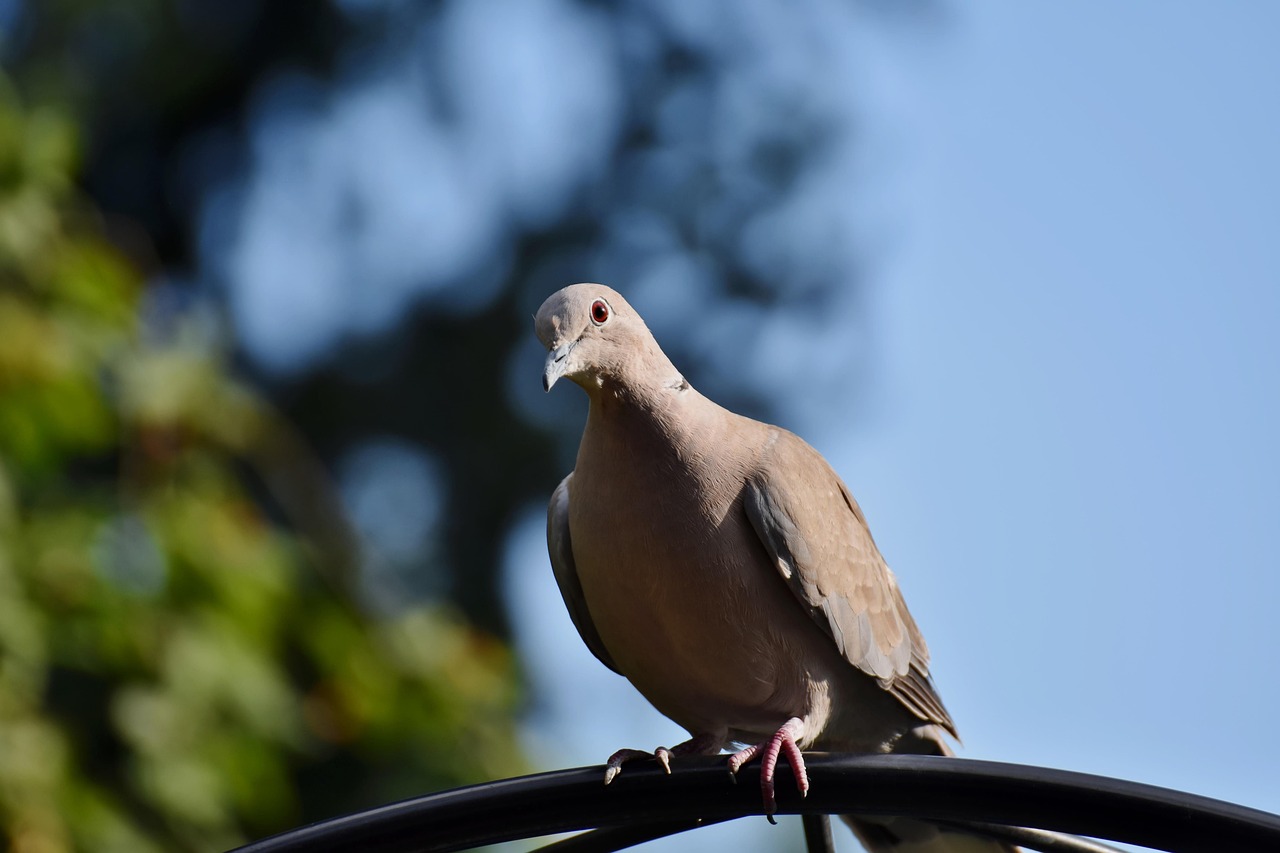
The widowhood system is a powerful training method for pigeon racing, designed to create elite racing birds that excel in long-distance competitions. By leveraging natural instincts and strategic conditioning, this approach transforms ordinary pigeons into top performers. In this article, we explore how to build and maintain a superior team of widowhood pigeons for consistent success.
Understanding the Widowhood System
The widowhood system is a specialized training regimen that capitalizes on the mating instincts of pigeons to enhance their racing performance. Originating in Europe, it has become a cornerstone for breeders aiming to develop elite racing birds. This method involves separating mates during the racing season to motivate birds to return home quickly, driven by the desire to reunite. When implemented correctly, it can lead to remarkable improvements in speed, endurance, and overall results.
Core Principles of Widowhood
At its heart, the widowhood system relies on psychological triggers to boost a pigeon's motivation. By keeping male and female pigeons apart except for brief reunions before races, handlers tap into the birds' innate drive to return to their mates and nests. This emotional stimulus is key to developing elite racing birds that perform under pressure. It's not just about separation; it's about timing and consistency to maintain high energy levels and focus.
Successful application requires a deep understanding of pigeon behavior. Birds must be healthy, well-fed, and accustomed to the routine to avoid stress. The system works best with experienced pigeons that have established pair bonds, as newcomers may not respond as effectively. By mastering these principles, fanciers can create a disciplined environment where widowhood pigeons thrive and dominate races.
Benefits for Long-Distance Races
Widowhood pigeons excel in long-distance events due to their enhanced motivation and stamina. The system encourages birds to conserve energy during flights, as they are eager to return home rather than linger. This makes elite racing birds ideal for competitions spanning hundreds of kilometers, where mental fortitude is as crucial as physical ability. Studies and anecdotal evidence show that pigeons trained under widowhood often achieve faster times and higher rankings.
Additionally, this method allows for better recovery between races. Since birds are not constantly breeding, they maintain peak condition throughout the season. Handlers can fine-tune training schedules to build endurance gradually, reducing the risk of burnout. For those focused on long-haul events, investing in widowhood techniques can yield a team of reliable, high-performing elite racing birds.
Setting Up Your Widowhood Loft
Creating an optimal environment is essential for nurturing widowhood pigeons into elite racing birds. The loft should be designed to minimize stress and promote health, with separate compartments for males and females to enforce the widowhood system. Proper ventilation, lighting, and cleanliness are non-negotiable, as they directly impact the birds' well-being and performance. A well-structured loft supports the rigorous training demands of elite racing birds.
Design and Layout Essentials
A typical widowhood loft includes individual sections for each bird, ensuring they have personal space to rest and train. Males are usually housed in compartments that allow them to see their mates briefly before separation, reinforcing the motivational aspect. Perches, nesting areas, and feeding stations should be arranged to facilitate easy management and monitoring. This setup helps elite racing birds stay focused and reduces aggressive behaviors that can arise from overcrowding.
Materials matter too; use durable, easy-to-clean surfaces to prevent disease. Incorporate features like shaded areas and wind protection to accommodate varying weather conditions. By prioritizing loft design, you create a foundation where widowhood pigeons can develop into consistent performers. Remember, a chaotic environment undermines training efforts, so invest time in planning and maintenance.
Equipment and Maintenance Tips
Equip your loft with essentials like quality feeders, waterers, and health monitoring tools to support elite racing birds. Automated systems can save time and ensure consistency in feeding schedules, which is vital for the widowhood system. Regular cleaning routines prevent infections and parasites, safeguarding the health of your widowhood pigeons. Disinfect lofts weekly and inspect birds for signs of illness to catch issues early.
Maintenance extends to training aids, such as landing boards and exercise pens, which encourage natural behaviors. Keep records of each bird's progress, including weight, flight times, and health metrics, to tailor your approach. With proper equipment and upkeep, your loft becomes a hub for developing top-tier elite racing birds. Neglect can lead to setbacks, so treat this as an ongoing commitment.
Training Techniques for Elite Performance
Training widowhood pigeons to become elite racing birds involves a blend of physical conditioning and psychological conditioning. Start with basic exercises and gradually increase intensity to build endurance and speed. The widowhood system amplifies this by using mate separation as a reward, making training sessions more effective. Consistency is key; irregular schedules can confuse birds and hinder progress toward elite status.
Initial Conditioning and Habituation
Begin by acclimating widowhood pigeons to their new routine in a stress-free manner. Allow them to explore the loft and establish territories before introducing separation. Short, supervised flights help build confidence and physical strength, laying the groundwork for elite racing birds. Use positive reinforcement, such as treats or brief reunions, to associate training with positive outcomes. This phase should last several weeks to ensure birds are comfortable and responsive.
Habituation also involves exposing pigeons to various environmental factors, like different weather conditions and sounds, to prepare them for race day unpredictability. Gradually increase flight distances, starting from a few kilometers and working up to longer routes. By focusing on gradual progression, you reduce the risk of injury and burnout, essential for sustaining elite racing birds over a season.
Advanced Flight and Endurance Drills
Once widowhood pigeons are accustomed to the basics, introduce advanced drills to hone their skills. Implement interval training, alternating between high-intensity sprints and longer, steady flights to build cardiovascular fitness. This approach is crucial for developing elite racing birds capable of handling the demands of long-distance competitions. Use landmarks and GPS trackers to monitor performance and adjust training plans accordingly.
Incorporate mock races to simulate real competition conditions, including timed releases and recovery periods. Analyze data on speed, altitude, and navigation to identify areas for improvement. Elite racing birds benefit from varied routines that challenge their abilities without overwhelming them. Remember, overtraining can be detrimental, so balance intensity with adequate rest to maintain peak condition.
Nutrition and Health Management
Proper nutrition is the backbone of developing widowhood pigeons into elite racing birds. A balanced diet rich in proteins, carbohydrates, and essential vitamins supports muscle development, energy levels, and overall health. Tailor feeding schedules to match training intensity, increasing portions before heavy workouts and reducing them during rest periods. Hydration is equally important; ensure fresh water is always available to prevent dehydration, especially after long flights.
Diet Plans for Peak Condition
Design diet plans that cater to the specific needs of widowhood pigeons during different phases of training. For elite racing birds, high-energy foods like grains, legumes, and supplements can boost performance. Include sources of fat for endurance and proteins for muscle repair. Avoid overfeeding, as obesity can impair flight efficiency; instead, use measured portions based on individual bird requirements and activity levels.
Supplements such as electrolytes and probiotics can enhance recovery and immune function, reducing the risk of illness. Monitor weight regularly to adjust diets and ensure birds maintain optimal body condition. By prioritizing nutrition, you provide the fuel needed for widowhood pigeons to excel as elite racing birds. Consistency in feeding times also reinforces routine, supporting the psychological aspects of the widowhood system.
Common Health Issues and Prevention
Widowhood pigeons are susceptible to health problems like respiratory infections, parasites, and stress-related issues, which can derail their progress as elite racing birds. Implement preventive measures, such as vaccinations and regular vet check-ups, to safeguard their well-being. Quarantine new birds before introducing them to the loft to prevent disease spread. Watch for symptoms like lethargy, loss of appetite, or irregular droppings, and act promptly if issues arise.
Stress management is critical in the widowhood system; minimize disruptions and provide a calm environment to keep elite racing birds focused. Use natural remedies or approved medications under professional guidance. A healthy pigeon is a competitive pigeon, so invest in proactive care to maintain a team of robust widowhood pigeons. Regular health audits can catch problems early, ensuring long-term success.
Breeding and Selection Strategies
Breeding plays a pivotal role in cultivating widowhood pigeons with the potential to become elite racing birds. Select breeding pairs based on performance history, genetics, and temperament to pass on desirable traits. The widowhood system can influence breeding cycles, so time matings to align with racing seasons for optimal results. By focusing on quality over quantity, you build a lineage of strong, motivated birds.
Choosing the Right Bloodlines
Research and select bloodlines known for success in long-distance races to enhance your pool of widowhood pigeons. Look for birds with proven endurance, speed, and navigation skills, as these are hallmarks of elite racing birds. Consider factors like ancestry, race records, and physical attributes when making selections. Cross-breeding can introduce diversity, but prioritize stability to maintain consistent performance.
Keep detailed breeding records to track inheritance of traits and identify the best matches. This data-driven approach helps refine your strategy over time, leading to a superior generation of widowhood pigeons. Remember, genetics alone aren't enough; combine them with excellent training and care to develop true elite racing birds. Patience and selectivity pay off in the long run.
Raising and Socializing Young Birds
Start socializing young widowhood pigeons early to build confidence and adaptability, essential for elite racing birds. Expose them to the loft environment, handling, and basic training exercises from a young age. Use gentle methods to avoid fear, as stressed birds may not reach their potential. Incorporate the widowhood principles gradually, allowing them to form bonds that will later drive their racing motivation.
Monitor growth and development closely, providing a nutrient-rich diet to support rapid maturation. As they mature, introduce more structured training to prepare them for the demands of competition. By investing in proper upbringing, you set the stage for widowhood pigeons to evolve into reliable elite racing birds. Early intervention in health and behavior can prevent issues down the line.
Race Day Preparation and Tactics
Preparing widowhood pigeons for race day is a meticulous process that can make or break their performance as elite racing birds. In the days leading up to a race, focus on light training, proper nutrition, and mental conditioning to ensure peak readiness. Use the widowhood system to your advantage by arranging brief reunions with mates to heighten motivation before release. This strategic approach helps elite racing birds stay focused and energetic during the event.
Pre-Race Routines and Checks
Establish a consistent pre-race routine for widowhood pigeons to minimize stress and maximize performance. Conduct health inspections to confirm birds are injury-free and in optimal condition. Adjust feeding to provide easily digestible meals that supply sustained energy without causing discomfort. Hydration is critical; ensure birds are well-watered but not overhydrated, which could affect flight efficiency.
Mental preparation involves familiarizing elite racing birds with transport crates and race conditions to reduce anxiety. Use positive reinforcement, like favorite treats or brief mate interactions, to build anticipation. By standardizing these steps, you create a predictable environment that supports the widowhood system's effectiveness. Last-minute changes can disrupt rhythm, so stick to the plan for best results.
During and Post-Race Strategies
On race day, monitor weather and course details to advise handlers on release timing for widowhood pigeons. Elite racing birds benefit from strategic releases that consider wind patterns and obstacles. During the race, trust their training and instincts; avoid unnecessary interventions that could cause confusion. Use tracking technology to follow progress and estimate arrival times, allowing for timely preparations at the loft.
After the race, prioritize recovery for elite racing birds to maintain long-term health. Provide immediate access to water and light food, followed by a thorough health check. Reunite birds with their mates as a reward, reinforcing the widowhood system's motivational aspects. Analyze performance data to identify strengths and areas for improvement, adjusting future training accordingly. Proper post-race care ensures widowhood pigeons remain competitive season after season.
Conclusion
Mastering the widowhood system is essential for building elite racing birds that dominate long-distance pigeon races. By focusing on loft design, training, nutrition, breeding, and race tactics, you can develop a team of high-performing widowhood pigeons. Remember, consistency and attention to detail are key to sustained success. For expert guidance and tools to manage your pigeons, consider using Ghawy – Pigeon Manager (غاوي – إدارة الحمام) to streamline your efforts and achieve better results.