Enhancing the value of ornamental pigeons starts with a deep understanding of shoulder genetics and pigeon morphology improvement. By focusing on these key traits, breeders can significantly increase the aesthetic and market worth of their birds, leading to more successful and rewarding pigeon keeping.
The Role of Shoulder Genetics in Pigeon Value
Shoulder genetics play a crucial role in determining the overall structure and appeal of ornamental pigeons. A well-developed shoulder contributes to a balanced and powerful appearance, which is highly prized in competitions and sales. Understanding the genetic factors behind shoulder formation can help breeders make informed decisions to enhance their flocks.
Understanding Shoulder Structure
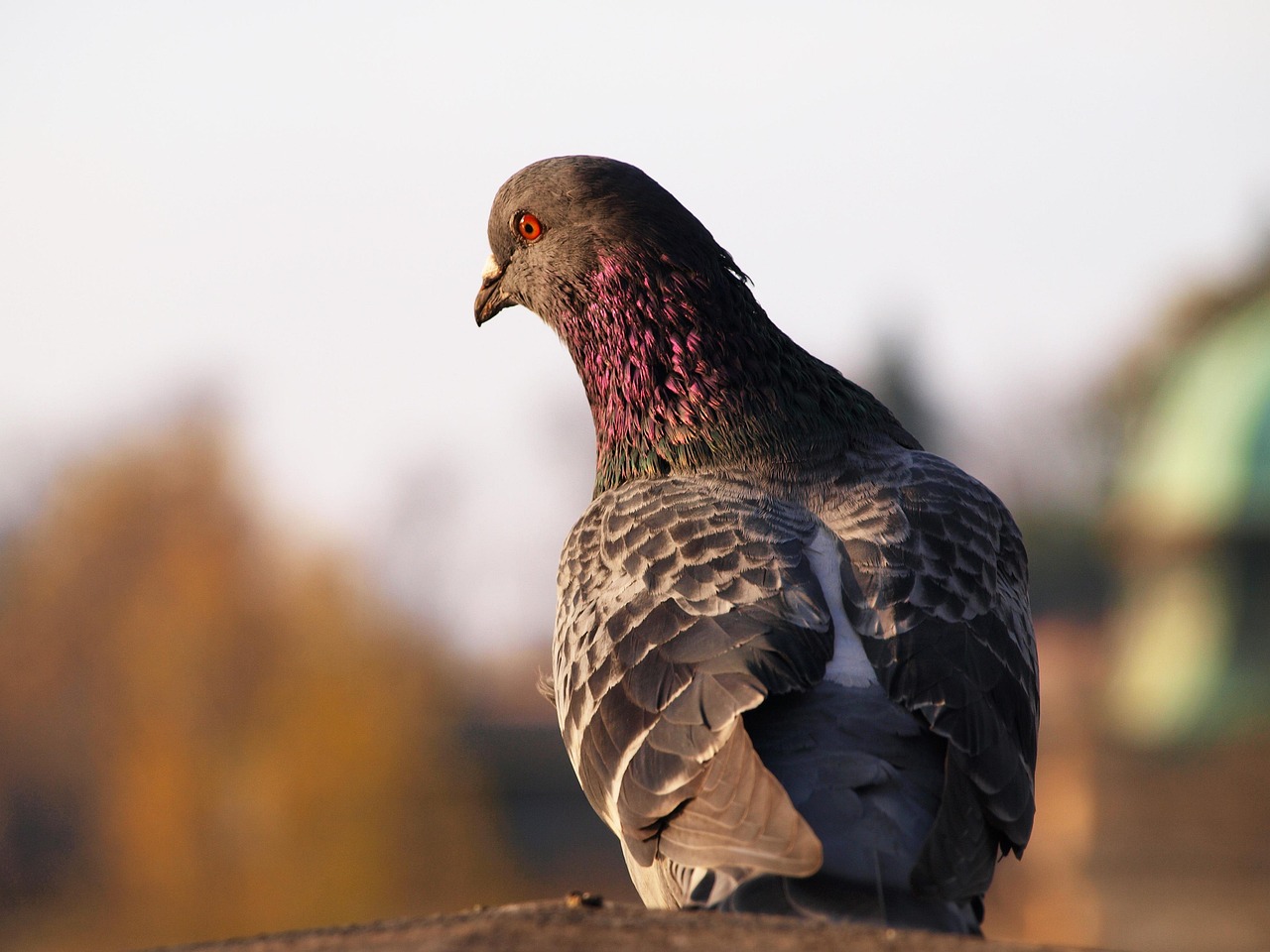
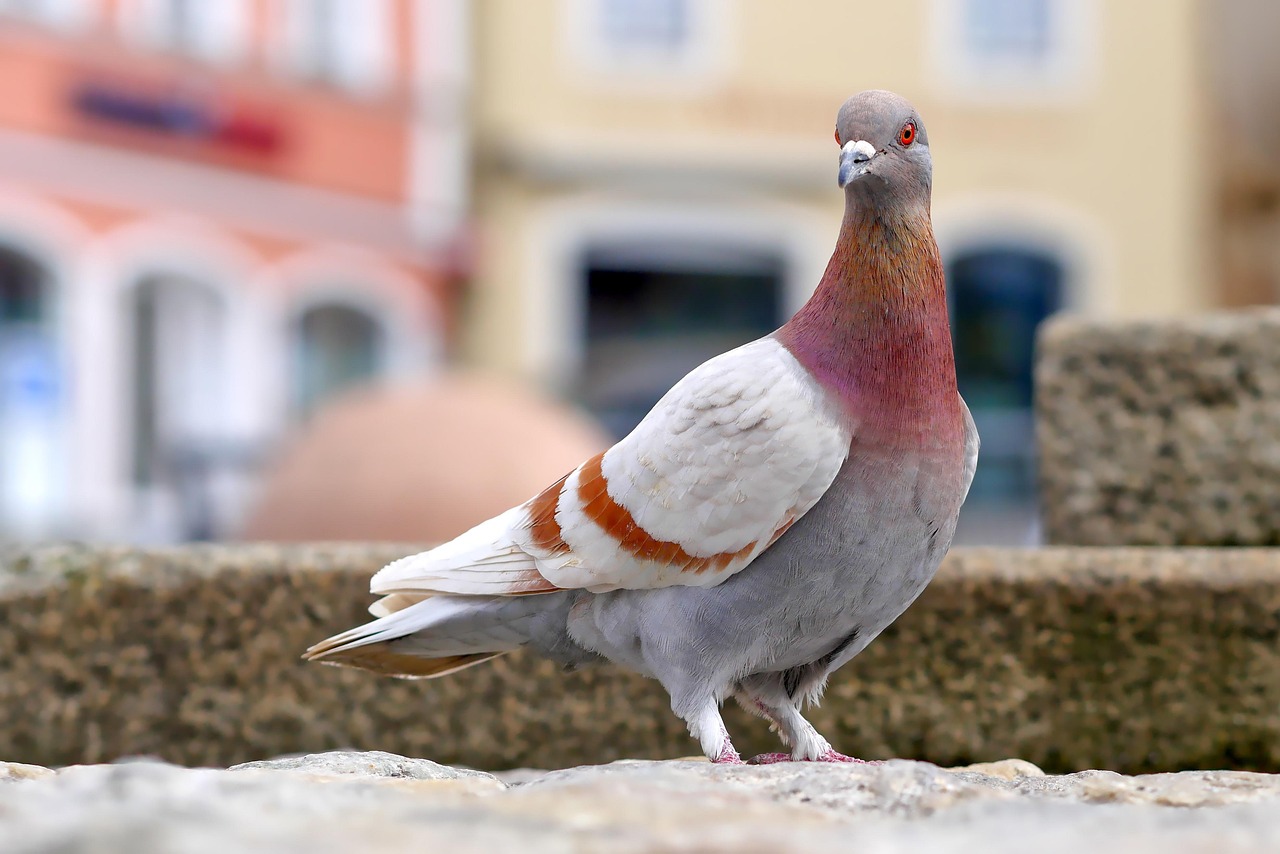
The shoulder in pigeons refers to the area where the wing meets the body, and its genetics influence muscle attachment, wing carriage, and overall posture. In ornamental breeds, a broad and well-angled shoulder is often associated with strength and elegance, making it a key factor in pigeon morphology improvement. By selecting for specific genetic markers, breeders can promote traits that lead to a more robust and visually appealing bird. This involves studying inheritance patterns and using selective breeding to fix desirable characteristics over generations.
For instance, pigeons with superior shoulder genetics tend to exhibit better flight capabilities and a more imposing stance, which can double their value in shows and auctions. Breeders should assess shoulder width, muscle definition, and symmetry during evaluations. Incorporating tools like pedigree analysis and genetic testing can aid in identifying carriers of optimal traits, ensuring that improvements are sustainable and heritable.
Selecting for Optimal Shoulder Traits
When selecting pigeons for breeding, prioritize individuals with strong shoulder genetics that align with breed standards. Look for features such as a prominent keel, well-developed pectoral muscles, and a smooth transition from shoulder to back. These elements contribute to a harmonious body shape and are essential for pigeon morphology improvement. Avoid birds with narrow or weak shoulders, as they may lack the structural integrity needed for high value.
Practical steps include regular health checks, proper nutrition, and controlled breeding environments to support genetic expression. Breeders can use techniques like line breeding or outcrossing to introduce or reinforce shoulder traits. Documenting progress through photos and records helps track improvements and make data-driven decisions for future pairings.
Improving Frontal Features for Enhanced Aesthetics
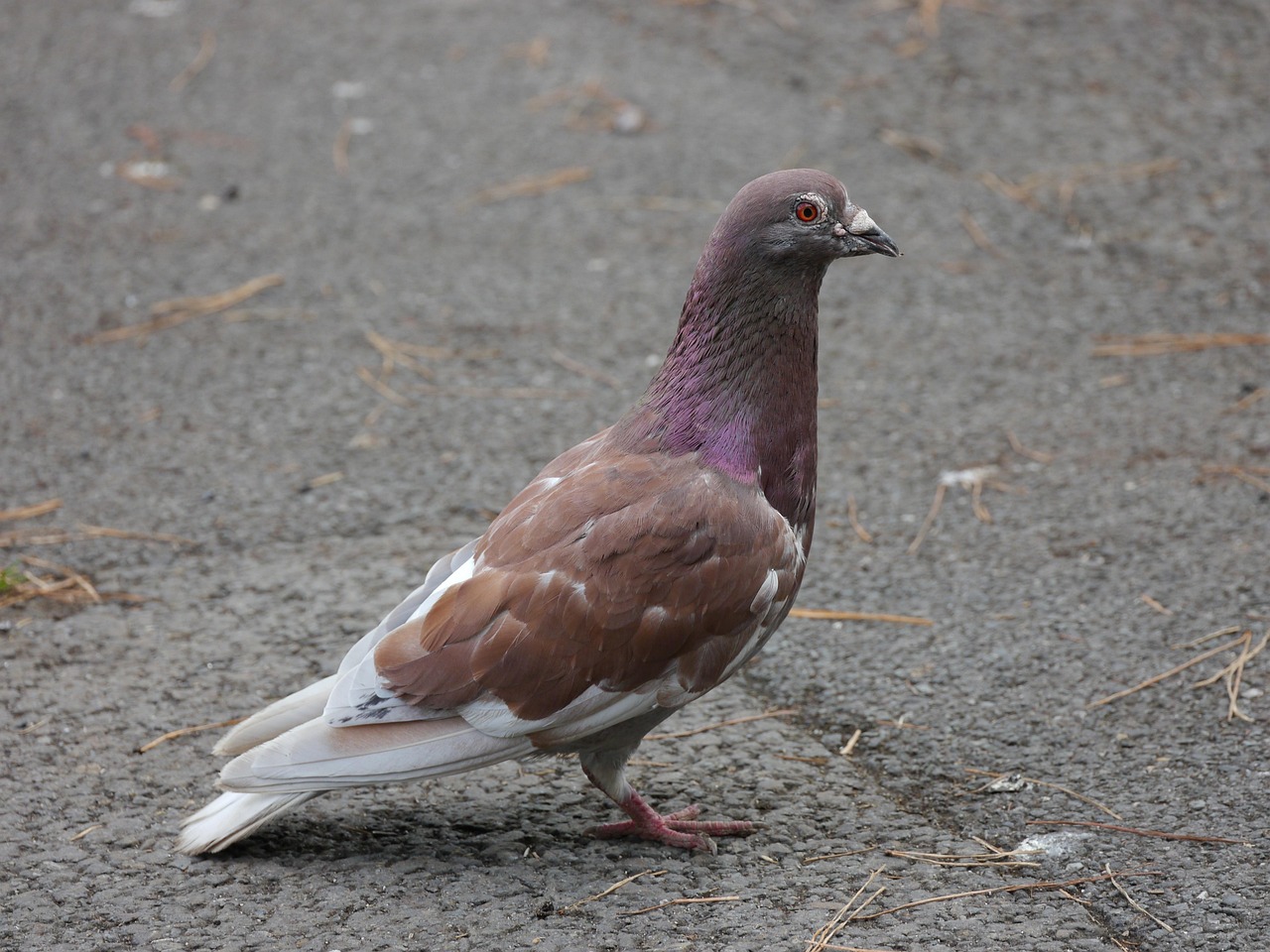
The frontal area, including the head and beak, is a focal point in ornamental pigeons and greatly impacts their visual appeal. Focusing on pigeon morphology improvement in this region can lead to birds that stand out in competitions and attract higher prices. A well-proportioned frontal profile often signifies good health and genetic quality.
Key Elements of Frontal Morphology
Frontal morphology encompasses the head shape, eye placement, beak structure, and overall expression of the pigeon. In many breeds, a broad forehead, large expressive eyes, and a strong beak are desirable traits that enhance beauty and functionality. Genetics influence these features, and selective breeding can amplify positive characteristics while minimizing flaws. For example, a balanced head with a smooth curve from beak to crown is often linked to better aerodynamics and aesthetic harmony.
Breeders should aim for consistency in frontal traits across their flock to establish a recognizable strain. This involves understanding how genes interact to produce specific phenotypes and avoiding inbreeding that might lead to defects. Regular assessments during growth stages allow for early intervention and adjustment of breeding strategies to achieve optimal results.
Breeding Strategies for Superior Frontals
To improve frontal features, employ breeding strategies that emphasize genetic diversity and trait selection. Start by identifying foundation stock with excellent frontal characteristics and use them as benchmarks for future generations. Crossbreeding with unrelated lines can introduce new genes that enhance morphology, but it should be done cautiously to maintain breed purity.
Monitor offspring for desired traits such as symmetry, color intensity, and structural soundness. Incorporating environmental factors like adequate lighting and space can also support proper development. Over time, this focused approach leads to pigeons with striking frontals that command attention and higher value in the market.
Integrating Shoulder and Frontal Genetics for Maximum Impact
Combining superior shoulder genetics with enhanced frontal features creates a synergistic effect that maximizes pigeon value. A bird with both strong shoulders and an attractive frontal profile is more likely to excel in shows and breeding programs. This holistic approach to pigeon morphology improvement ensures that all aspects of the bird's appearance are optimized.
Balancing Traits for Overall Harmony
Achieving balance between shoulder and frontal traits requires careful planning and observation. Breeders should avoid overemphasizing one area at the expense of another, as this can lead to disproportional birds. Instead, aim for a cohesive look where the shoulders support a graceful neck and head, creating a fluid silhouette. This balance is often judged in competitions and can be the difference between an average and a premium pigeon.
Use scoring systems or breed standards to evaluate overall conformation and make adjustments in breeding pairs. Engaging with fellow enthusiasts and attending events can provide insights into current trends and successful practices. By prioritizing harmony, breeders can produce pigeons that are not only beautiful but also functionally sound.
Practical Breeding Techniques
Implement practical breeding techniques such as selective pairing based on phenotypic and genotypic data. Keep detailed records of traits related to shoulder genetics and frontal morphology to identify patterns and correlations. Techniques like backcrossing can help stabilize desirable characteristics, while occasional outcrossing introduces genetic vigor.
Ensure that breeding environments are stress-free and nutritionally supportive to allow genes to express fully. Regular culling of substandard birds maintains high standards and focuses resources on the best specimens. Over generations, this methodical approach leads to consistent improvements and a flock that embodies excellence in pigeon morphology.
Common Mistakes in Pigeon Morphology Improvement
Many breeders encounter pitfalls when trying to enhance shoulder genetics and frontal features, which can hinder progress and reduce pigeon value. Recognizing and avoiding these mistakes is essential for successful pigeon morphology improvement. Common errors include neglecting genetic diversity, overlooking health issues, and focusing solely on appearance without considering functionality.
Overlooking Genetic Diversity
Relying too heavily on a limited gene pool can lead to inbreeding depression, where traits like vitality and fertility decline. This is particularly risky when selecting for specific shoulder or frontal characteristics, as it may amplify undesirable genes. To prevent this, introduce new bloodlines periodically and use genetic testing to assess diversity. Maintaining a broad genetic base ensures long-term health and adaptability in your flock.
Additionally, avoid the temptation to breed only from top-performing birds without considering their genetic background. Balance selection for traits with efforts to preserve overall genetic health. This approach supports sustainable improvement and reduces the risk of genetic disorders that could devalue your pigeons.
Ignoring Health and Nutrition
Poor health and nutrition can undermine even the best genetics, leading to suboptimal expression of shoulder and frontal traits. Ensure that pigeons receive a balanced diet rich in proteins, vitamins, and minerals to support muscle development and skeletal growth. Regular veterinary check-ups help detect issues early, such as parasites or infections that affect morphology.
Provide ample space for exercise, as physical activity promotes strong shoulders and overall conditioning. Neglecting these aspects can result in birds that look good initially but fail to maintain their value over time. Prioritize wellness alongside genetic selection for comprehensive pigeon morphology improvement.
Advanced Tips for Doubling Pigeon Value
For breeders aiming to double the value of their ornamental pigeons, advanced strategies in genetics and management can make a significant difference. Leveraging modern tools and community knowledge enhances efforts in shoulder genetics and pigeon morphology improvement. These tips go beyond basics to help achieve premium results.
Utilizing Technology in Breeding
Incorporate technology such as DNA testing and digital imaging to analyze shoulder and frontal traits with precision. Genetic markers can identify carriers of desirable genes, allowing for more accurate pairings. Software for pedigree tracking helps visualize inheritance patterns and plan future breedings. These tools reduce guesswork and accelerate progress in developing high-value pigeons.
Additionally, use online platforms and forums to share insights and learn from global experts. Adopting best practices from successful breeders can provide new ideas for enhancing morphology. Embracing innovation keeps your breeding program competitive and forward-thinking.
Engaging with the Pigeon Community
Active participation in pigeon clubs, shows, and online groups fosters learning and networking. Competing your birds provides feedback on shoulder and frontal qualities, highlighting areas for improvement. Collaborating with other breeders can lead to exchanges of stock or knowledge that benefit your flock.
Stay updated on breed standards and judging criteria to align your efforts with market demands. By building a reputation for quality, you increase the perceived value of your pigeons. Community engagement also opens doors to partnerships and sales opportunities that can double your returns.
Conclusion
In summary, doubling the value of ornamental pigeons hinges on mastering shoulder genetics and frontal morphology through selective breeding and proper care. By focusing on these key areas, breeders can enhance aesthetics, functionality, and market appeal. Remember, consistent effort and learning are vital for long-term success. For expert guidance and tools to manage your pigeon breeding journey, consider using Ghawy – Pigeon Manager (غاوي – إدارة الحمام) to streamline your efforts and achieve outstanding results.