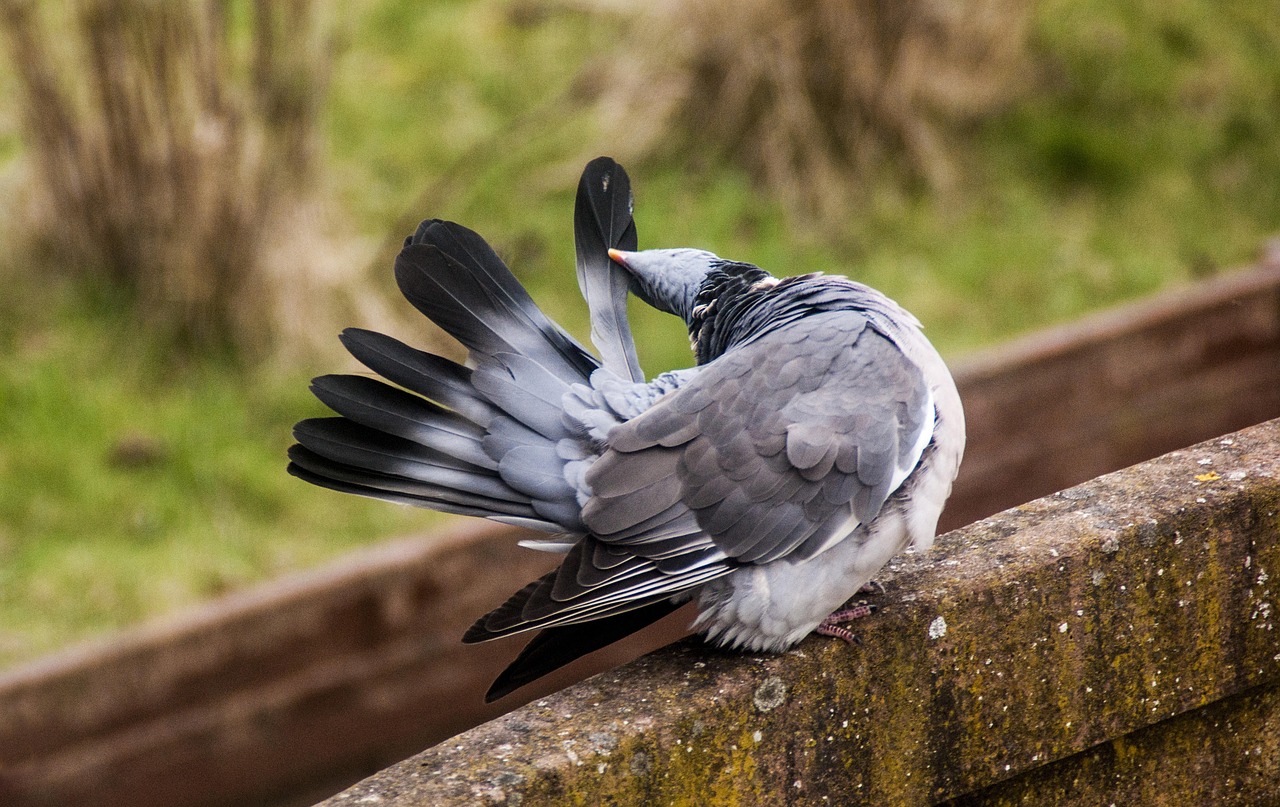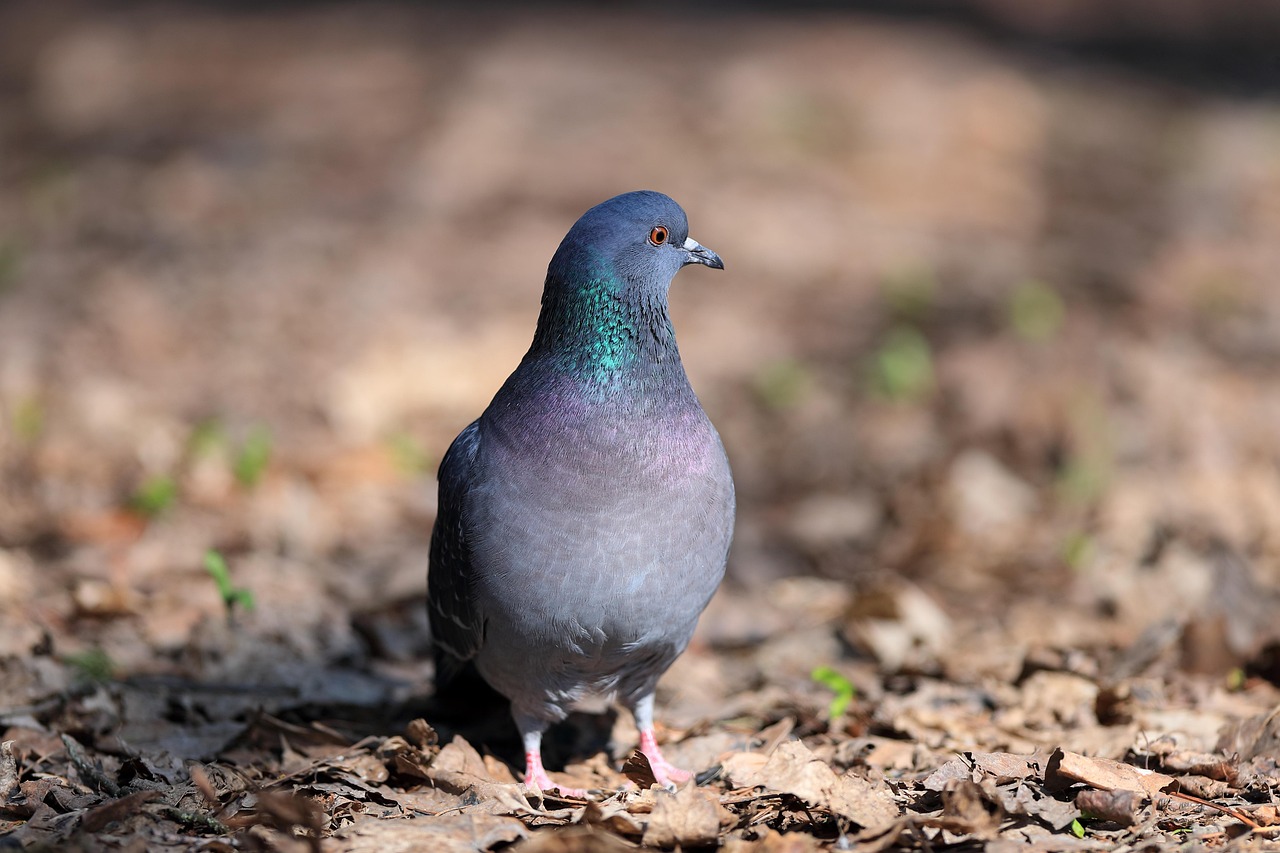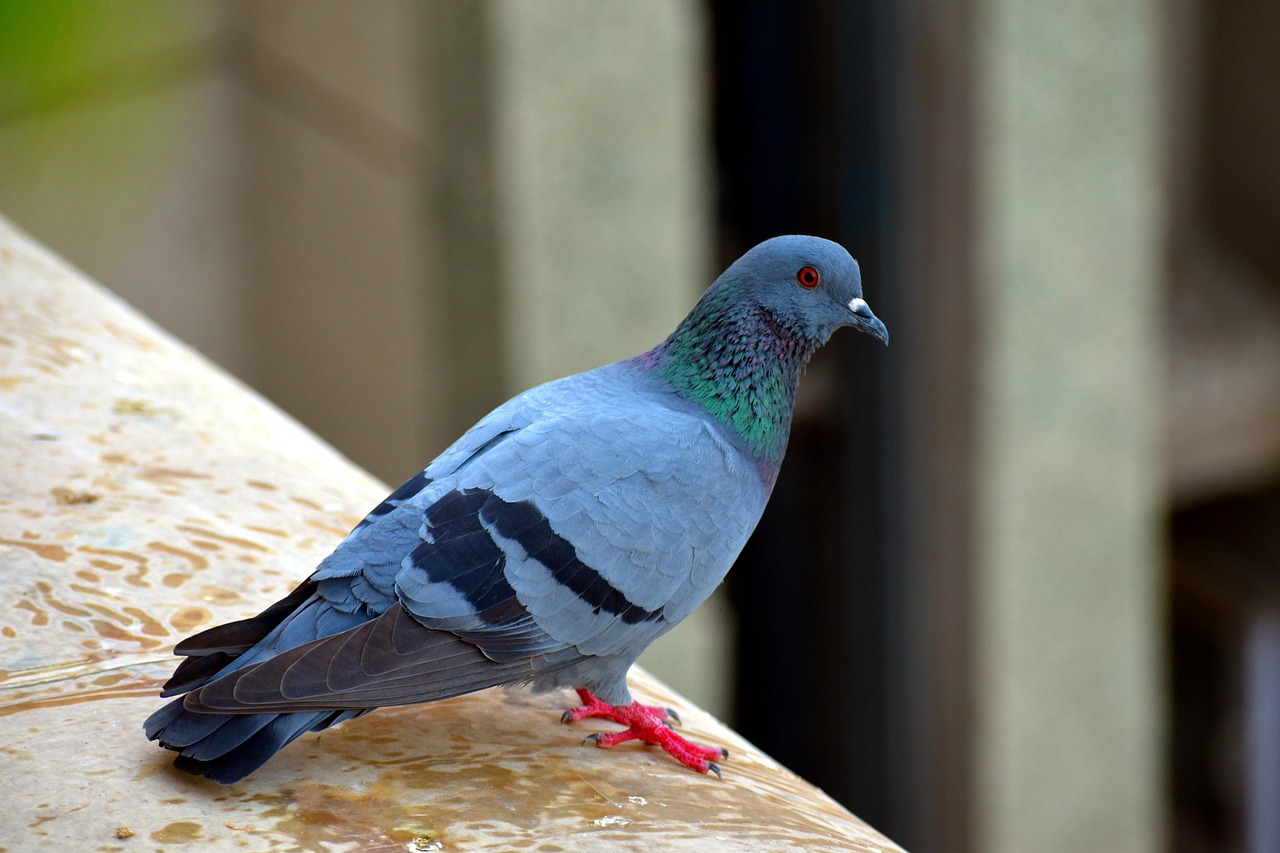
The widowhood system is a transformative training method in pigeon racing, designed to harness natural instincts to create elite racing birds. By strategically separating mates, fanciers can unlock peak performance, especially for grueling long-distance competitions. This article delves into how to build a squad of widowhood pigeons that consistently excel, focusing on practical insights for enthusiasts.
The Foundation of the Widowhood System
At its core, the widowhood system leverages the powerful drive of pigeons to reunite with their mates, channeling this energy into racing motivation. This method involves keeping cocks and hens apart during the racing season, allowing them to interact only briefly before and after flights. For long-distance races, where endurance and determination are paramount, this psychological edge can make the difference between a good bird and an elite racing bird. Understanding this foundation is crucial for any fancier aiming to compete at the highest levels.
Psychological Triggers and Motivation
Widowhood pigeons thrive on anticipation and reward. By creating a routine where cocks see their hens only during specific times—such as upon return from a race—fanciers tap into deep-seated instincts. This setup not only boosts homing speed but also enhances recovery, as birds are eager to return to their perceived "safe haven." For elite racing birds, this motivation is amplified, leading to consistent performances even over hundreds of kilometers. It's a delicate balance of stress and comfort that, when managed well, yields remarkable results.
Implementing this requires careful observation. Each pigeon has a unique personality; some may respond better to visual contact, while others need tactile interaction. Adjusting the system to individual needs ensures that all widowhood pigeons in your loft are optimally motivated. This personalized approach is key to building a reliable team for long-distance challenges, where mental fortitude is as important as physical stamina.
Setting Up the Loft Environment
A well-designed loft is essential for the success of the widowhood system. It should include separate compartments for cocks and hens, with secure partitions that allow controlled interactions. Ventilation, lighting, and cleanliness are non-negotiable, as elite racing birds require a stress-free environment to perform at their best. Consider features like perches that mimic natural settings and nesting boxes that provide comfort without distraction.
In addition to physical setup, the daily routine plays a pivotal role. Establish consistent feeding, training, and interaction schedules to reinforce the psychological triggers. For widowhood pigeons, predictability reduces anxiety and enhances focus on racing. Tools like automatic feeders or monitoring systems can help maintain this consistency, especially for fanciers managing large teams. Remember, a stable environment fosters the resilience needed for long-distance competitions.
Training Regimens for Long-Distance Excellence
Training widowhood pigeons for long-distance races involves a progressive approach that builds endurance and navigation skills. Start with short, frequent flights to establish a homing instinct, then gradually increase distance and complexity. Elite racing birds benefit from varied routes that simulate race conditions, helping them adapt to different terrains and weather patterns. This section outlines effective strategies to prepare your squad for the demands of extended competitions.
Building Endurance and Stamina
Endurance is the cornerstone of long-distance racing. Begin training widowhood pigeons with daily tosses from 5-10 kilometers, slowly extending to 50-100 kilometers over several weeks. Incorporate rest days to prevent burnout, as recovery is vital for muscle development and mental sharpness. Elite racing birds should show consistent improvement in flight times and energy levels; monitor their progress closely to adjust the regimen as needed.
Nutrition and hydration are integral to this process. Provide a balanced diet rich in proteins and carbohydrates during training phases, and ensure access to clean water at all times. Supplements like electrolytes can aid in recovery after strenuous flights. For widowhood pigeons, the goal is to build a robust physique that can withstand the rigors of races spanning 500 kilometers or more. Pair this with regular health checks to catch any issues early.
Navigation and Homing Skills
Long-distance races test a pigeon's ability to navigate unfamiliar routes. Enhance this skill by training widowhood pigeons from multiple release points, varying directions and distances. Use landmarks or natural cues to help them develop a mental map; elite racing birds often rely on sun position, magnetic fields, and visual memory. Incorporate training in different weather conditions to build adaptability, as races rarely occur under ideal circumstances.
Technology can support this training. GPS trackers or loft management apps allow fanciers to analyze flight patterns and identify areas for improvement. For widowhood pigeons, consistent practice from diverse locations reinforces homing instincts, making them more reliable in competitions. Remember, patience is key—some birds may take longer to master navigation, but with persistent training, they can become top performers.
Nutrition and Health Management
Optimal health is non-negotiable for widowhood pigeons aiming to become elite racing birds. A tailored nutrition plan and proactive healthcare regimen ensure they have the energy and resilience for long-distance challenges. This section covers essential dietary components and common health issues, providing actionable tips for maintaining a thriving loft.
Dietary Strategies for Peak Performance
Feed widowhood pigeons a mix of grains, seeds, and pellets designed for racing pigeons, adjusting portions based on training intensity. During heavy training, increase protein intake to support muscle repair, and before races, focus on carbohydrates for sustained energy. Elite racing birds benefit from supplements like vitamins and probiotics to boost immunity and digestion. Always provide fresh water and consider adding electrolytes during hot weather or after long flights.
- Key grains: corn, peas, wheat, and barley
- Supplements: calcium for bone strength, omega-3 for feather health
- Feeding schedule: twice daily, with adjustments for race days
Monitor weight and condition regularly to avoid overfeeding or deficiencies. For widowhood pigeons, a lean but muscular build is ideal for long-distance efficiency. Work with a vet or experienced fancier to fine-tune the diet, as individual needs may vary based on breed and activity level.
Preventing and Managing Health Issues
Common health challenges in widowhood pigeons include respiratory infections, parasites, and stress-related ailments. Implement a preventive care routine with regular deworming, vaccination, and loft disinfection. Elite racing birds are particularly susceptible during intense training, so watch for signs like lethargy, ruffled feathers, or changes in droppings. Early intervention with appropriate treatments can prevent outbreaks and keep your team competitive.
Stress management is equally important. The widowhood system can be mentally taxing; provide enrichment like perches and bathing areas to reduce anxiety. For long-distance races, ensure adequate rest between events to avoid exhaustion. By prioritizing health, fanciers can sustain a squad of widowhood pigeons that perform consistently year after year.
Breeding and Selection for Elite Traits
Building a team of elite racing birds starts with strategic breeding and careful selection. The widowhood system not only trains existing pigeons but also informs breeding decisions to enhance desirable traits for long-distance racing. This section explores how to identify and propagate qualities like endurance, intelligence, and homing ability in your loft.
Identifying and Selecting Top Performers
Track performance metrics such as race times, consistency, and recovery rates to identify widowhood pigeons with elite potential. Look for birds that demonstrate strong homing instincts, resilience in adverse conditions, and a calm temperament. Elite racing birds often come from lineages with proven track records, so consider pedigree when making selections. Use tools like breeding records and race logs to make data-driven decisions.
Incorporate these top performers into your breeding program, pairing them with complementary mates to amplify strengths. For long-distance focus, prioritize traits like navigation skill and stamina over sheer speed. Test offspring in training early to assess their aptitude, culling those that don't meet standards. This rigorous selection process ensures that your widowhood pigeons evolve into a superior racing squad over generations.
Breeding Techniques and Timeline
Time breeding cycles to align with the racing season, allowing young birds to mature for training. Use controlled pairings to maintain genetic diversity and avoid inbreeding. For widowhood pigeons, consider breeding from birds that have excelled in long-distance races, as they are likely to pass on relevant traits. Provide nesting materials and a quiet environment to support successful rearing.
Monitor growth and development closely, weaning chicks at the appropriate age and introducing them to basic training. Elite racing birds often show early signs of promise, such as curiosity and quick learning. By integrating breeding with the widowhood system, fanciers can create a self-sustaining pipeline of high-performing pigeons tailored for endurance competitions.
Conclusion
Mastering the widowhood system is a journey that combines art and science to build elite racing birds capable of dominating long-distance races. By focusing on psychological motivation, tailored training, robust health, and strategic breeding, fanciers can cultivate a squad of widowhood pigeons that consistently excel. Remember, success hinges on patience, observation, and a deep understanding of each bird's unique needs. For those looking to streamline their management, consider tools like Ghawy – Pigeon Manager (غاوي – إدارة الحمام) to enhance your loft operations and track progress efficiently.