As the new season approaches, pigeon enthusiasts face the exciting challenge of preparing their birds for long-distance races. A comprehensive training grid is essential to build endurance and speed, ensuring your pigeons can confidently tackle distances up to 100 kilometers. This article provides a detailed, actionable plan to optimize your race preparation grid, blending traditional wisdom with modern insights for peak performance.
Understanding the Fundamentals of Distance Training Pigeons
Distance training pigeons requires a deep understanding of avian physiology and behavior. Unlike shorter races, 100-kilometer flights demand sustained energy, mental resilience, and precise conditioning. Start by assessing your flock's current fitness levels and health status, as this forms the foundation of any effective training regimen. A well-structured approach not only enhances physical capabilities but also sharpens homing instincts, crucial for successful navigation over varied terrains.
Key Principles of Endurance Building
Endurance in pigeons is developed through gradual, consistent training that mimics race conditions. Focus on incremental increases in flight distance, typically starting with short 10-15 kilometer sessions and building up over weeks. This progressive overload helps strengthen muscles and improve cardiovascular efficiency without causing burnout or injury. Incorporate rest days to allow for recovery, as overtraining can lead to fatigue and decreased performance. Monitoring your birds' responses, such as breathing rates and post-flight behavior, provides valuable feedback to adjust the training intensity.
Nutrition plays a pivotal role in endurance building, as pigeons need a balanced diet rich in proteins, carbohydrates, and fats to fuel long flights. Supplement with vitamins and minerals to support immune function and overall health. Hydration is equally critical; ensure clean water is always available, especially after training sessions. By integrating these principles, you create a holistic framework that supports sustained energy output and resilience against environmental stressors during races.
Assessing Pigeon Health and Readiness
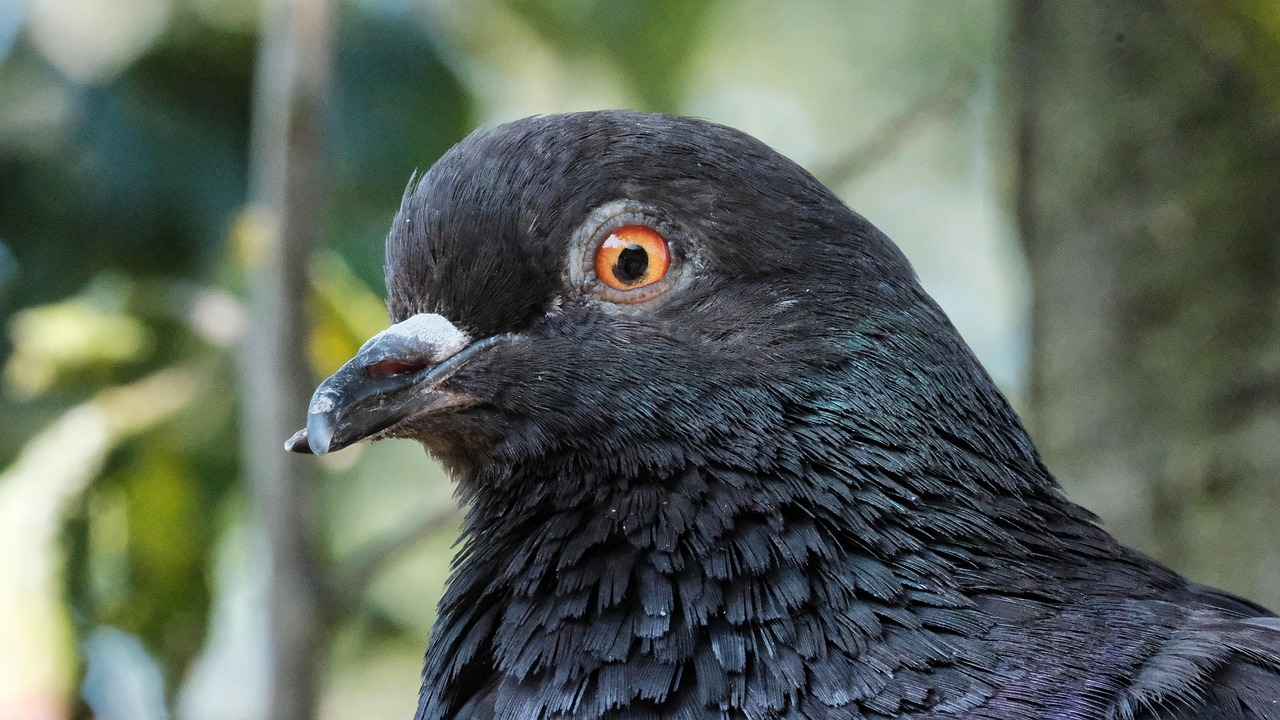
Before embarking on intensive training, conduct thorough health checks to identify any underlying issues that could hinder performance. Look for signs of respiratory infections, parasites, or injuries, and consult a veterinarian if needed. A healthy pigeon exhibits bright eyes, smooth feathers, and active behavior, indicating readiness for distance work. Regular weigh-ins can help track body condition, ensuring birds maintain optimal weight without becoming under or overweight.
Behavioral assessments are also crucial; observe how pigeons interact during training flights and in the loft. Birds that show eagerness to fly and quick recovery times are likely well-suited for distance events. Use this information to tailor your race preparation grid, focusing on individual needs rather than a one-size-fits-all approach. Early detection of health problems allows for timely interventions, preventing setbacks and ensuring a smooth training progression toward the 100-kilometer goal.
Designing Your Race Preparation Grid
A race preparation grid is a strategic blueprint that outlines training schedules, distances, and recovery periods. It serves as a roadmap to systematically build up to 100 kilometers, balancing intensity with rest to maximize results. Start by mapping out a 8-12 week plan, breaking it into phases that focus on different aspects of conditioning. This structured approach helps avoid common pitfalls like plateauing or injury, keeping your pigeons on track for peak race day performance.
Phased Training Approach for Optimal Results
The first phase, lasting 2-3 weeks, should emphasize base building with short, frequent flights to establish a foundation. Aim for distances of 20-30 kilometers, gradually increasing as pigeons adapt. During this stage, focus on consistency rather than speed, allowing birds to develop stamina and familiarity with release points. Incorporate varied weather conditions to build adaptability, but avoid extreme conditions that could cause stress or disorientation.
In the second phase, spanning 4-6 weeks, intensify training by extending distances to 40-70 kilometers and introducing speed work. Use interval training, such as alternating between fast and moderate-paced flights, to enhance aerobic capacity and sprinting ability. This phase is critical for simulating race scenarios, so include practice releases from different directions to improve navigation skills. Monitor fatigue levels closely, adjusting the grid as needed to prevent overexertion while pushing boundaries safely.
Integrating Recovery and Adaptation Strategies
Recovery is an often-overlooked component of the race preparation grid, yet it is vital for long-term success. Schedule rest days after intense training sessions, allowing pigeons to repair muscles and replenish energy stores. Active recovery, like light loft flying or short walks, can promote circulation without adding strain. Pay attention to environmental factors, such as temperature and humidity, which can impact recovery rates; provide shaded, well-ventilated spaces to aid in cooling down post-flight.
Adaptation strategies involve tweaking the grid based on real-time feedback from your pigeons. If a bird shows signs of stress or poor performance, consider reducing distance or increasing rest periods. Conversely, if pigeons excel, you might cautiously advance the schedule. This flexible approach ensures that the training remains responsive to individual needs, fostering a supportive environment that encourages growth. By prioritizing recovery and adaptation, you build a resilient flock capable of handling the demands of 100-kilometer races.
Advanced Techniques for Distance Training Pigeons
Beyond basic conditioning, advanced techniques can give your pigeons an edge in long-distance competitions. These methods leverage insights from sports science and pigeon behavior to optimize performance. Incorporate elements like altitude training, if feasible, to enhance oxygen utilization, or use technology such as GPS trackers to analyze flight patterns and identify areas for improvement. Experimenting with these approaches within your race preparation grid can lead to breakthroughs in speed and endurance.
Utilizing Technology and Data Analysis
Modern tools like GPS devices and fitness monitors provide detailed data on flight metrics, including speed, altitude, and route efficiency. Analyze this information to identify trends, such as consistent slowdowns at certain distances or deviations from optimal paths. Use these insights to adjust training focuses, perhaps by adding specific drills to address weaknesses. Data-driven decisions remove guesswork, allowing for a more precise and effective race preparation grid tailored to your flock's unique characteristics.
In addition to hardware, software solutions can help manage training schedules and health records. Digital logs make it easier to track progress over time, spotting patterns that might indicate overtraining or success. While technology enhances precision, balance it with hands-on observation to maintain a connection with your birds. The goal is to complement traditional methods with innovative tools, creating a hybrid approach that maximizes results without losing the art of pigeon keeping.
Psychological Conditioning for Race Day
Psychological readiness is as important as physical fitness in distance training pigeons. Expose your birds to race-like conditions during training, such as simulated releases with crowds or noise, to reduce anxiety on actual race days. Positive reinforcement, like rewarding quick returns with treats, can strengthen homing instincts and boost confidence. Building a routine around training sessions helps pigeons develop a sense of predictability, reducing stress and improving focus during flights.
Social dynamics within the loft also influence psychological well-being. Ensure a harmonious environment by managing flock hierarchies and providing ample space to prevent conflicts. Birds that feel secure are more likely to perform consistently under pressure. Incorporate mental exercises, like varying release times or locations, to keep pigeons alert and adaptable. By addressing both mind and body, you create a comprehensive training approach that prepares pigeons holistically for the challenges of 100-kilometer races.
Nutrition and Health Management in Training
Proper nutrition and health management are cornerstones of successful distance training pigeons. A balanced diet supports energy needs, while proactive health care prevents illnesses that could derail training. Develop a feeding regimen aligned with your race preparation grid, adjusting portions and compositions based on training intensity. Regular health checks and preventive measures, such as vaccinations and parasite control, ensure your flock remains in peak condition throughout the season.
Tailoring Diets for Energy and Recovery
During high-intensity training phases, increase carbohydrate intake to provide quick energy for flights, while maintaining protein levels for muscle repair. Include sources like corn, peas, and wheat, and consider supplements like electrolytes to replace lost minerals. Post-flight, offer easily digestible foods to aid recovery, such as small grains or specialized pigeon mixes. Monitor body weight and adjust diets accordingly to avoid obesity or malnutrition, which can impair performance.
Hydration strategies are equally vital; ensure fresh water is available at all times, and consider adding vitamins during stressful periods. Avoid sudden dietary changes that could cause digestive issues, instead making gradual adjustments as training progresses. By customizing nutrition to match the demands of your race preparation grid, you fuel your pigeons effectively, supporting sustained effort and quicker recovery times.
Implementing Preventive Health Measures
Preventive health care reduces the risk of diseases that can compromise training outcomes. Establish a routine for cleaning the loft to minimize pathogen exposure, and quarantine new birds before introducing them to the flock. Regular deworming and vaccination schedules protect against common ailments, while observing for symptoms like lethargy or respiratory distress allows for early intervention. Partner with a veterinarian to develop a health plan tailored to your pigeons' needs and local disease risks.
Stress management is a key aspect of health; minimize disruptions in the loft environment and provide enrichment to promote mental well-being. Use natural remedies, like herbal supplements, to support immune function without over-relying on medications. By integrating these measures into your overall strategy, you create a healthy foundation that enables pigeons to thrive under the rigors of distance training, ultimately enhancing their ability to succeed in 100-kilometer races.
Conclusion
Mastering distance training pigeons up to 100 kilometers requires a meticulous race preparation grid that balances physical conditioning, psychological readiness, nutrition, and health management. By following the phased approach outlined here, you can build endurance, speed, and resilience in your flock, setting the stage for a successful new season. Remember, consistency and adaptability are key; monitor your pigeons closely and adjust strategies as needed to optimize performance. For those seeking to streamline their training efforts, consider exploring tools like Ghawy – Pigeon Manager (غاوي – إدارة الحمام), which offers innovative solutions to enhance your pigeon management experience.