In the world of fancy pigeon breeding, the difference between an average bird and a champion often lies in the subtle details of morphology, particularly in the shoulders and frontal features. By mastering the art of selecting and improving these traits through strategic breeding, enthusiasts can significantly enhance both the aesthetic appeal and market value of their pigeons. This article delves into the critical role of shoulder genetics and frontal structure in pigeon morphology improvement, offering actionable insights to help you elevate your breeding program.
The Foundation of Pigeon Morphology: Understanding Key Traits
Pigeon morphology encompasses the physical characteristics that define a breed's standard, including body shape, feather patterns, and structural features. For fancy pigeons, traits like shoulder width, frontal prominence, and overall balance are not just cosmetic; they are indicators of genetic quality and breeding potential. Focusing on these aspects can lead to substantial improvements in pigeon morphology, making your birds more desirable in competitions and sales. This section explores why morphology matters and how it ties into broader breeding goals.
Why Shoulder and Frontal Features Matter
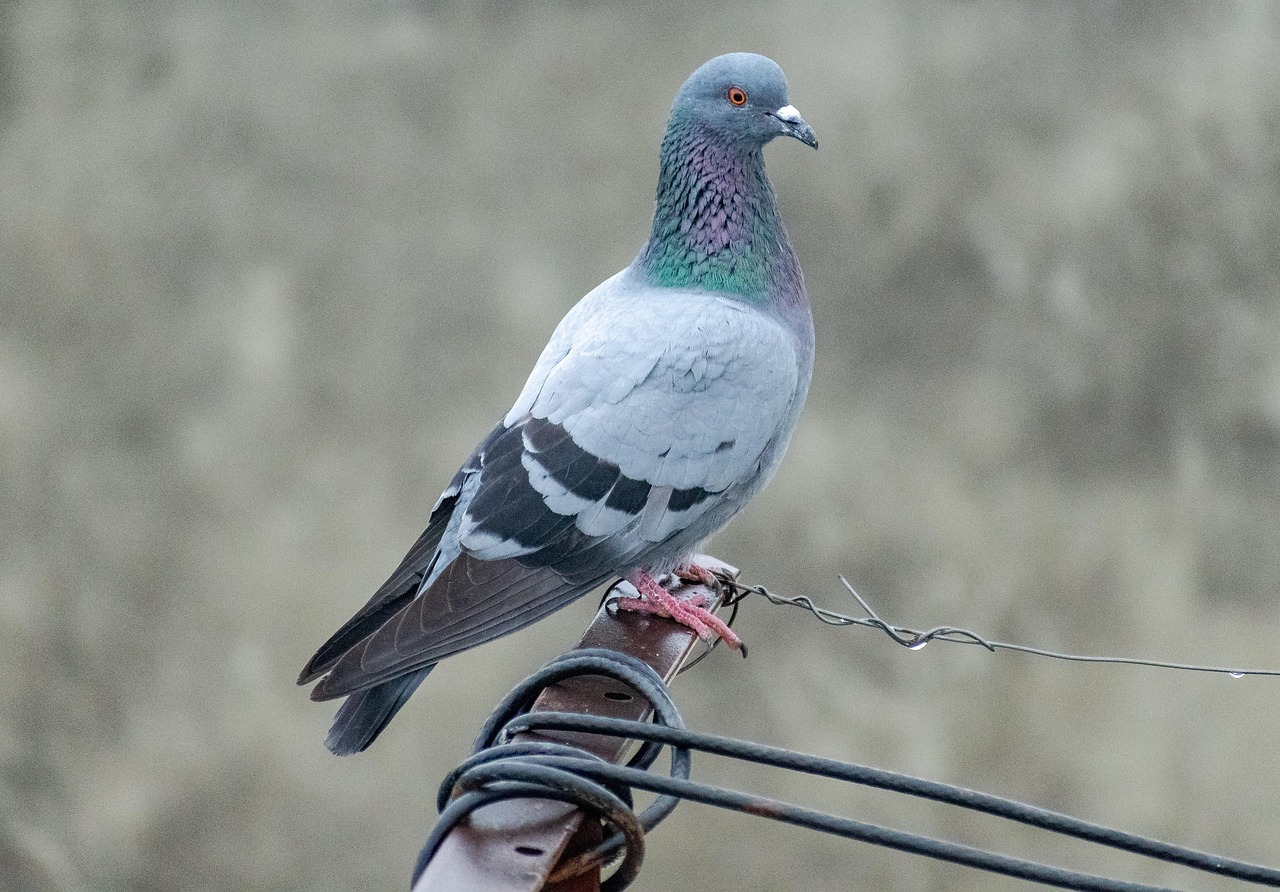
Shoulder genetics play a pivotal role in determining a pigeon's posture, movement, and overall elegance. A well-developed shoulder structure provides a solid foundation for the wings, enhancing flight capability and visual symmetry. Similarly, the frontal features, including the head shape and beak alignment, contribute to the bird's expression and breed-specific characteristics. By prioritizing these traits, breeders can achieve a more harmonious and impressive appearance, which directly impacts pigeon morphology improvement. Neglecting these aspects can result in birds that lack the refinement needed to stand out in competitive circles.
In practical terms, focusing on shoulder genetics and frontal traits allows breeders to target specific improvements that align with breed standards. For example, in breeds like the Modena or the Fantail, a broad shoulder and prominent frontal profile are highly prized. Understanding the genetic basis of these traits enables selective breeding that reinforces desirable characteristics over generations. This approach not only enhances individual birds but also strengthens the overall genetic pool of your flock, leading to consistent quality and increased value.
Genetic Principles Behind Morphology Enhancement
The science of pigeon genetics involves complex interactions between multiple genes that influence physical traits. Shoulder genetics, for instance, may be controlled by polygenic systems where several genes contribute to shoulder width and muscle attachment. By studying inheritance patterns and using tools like pedigree analysis, breeders can identify carriers of desirable traits and make informed mating decisions. This genetic focus is essential for sustainable pigeon morphology improvement, as it reduces the risk of introducing weaknesses or deformities.
To apply these principles effectively, breeders should maintain detailed records of their pigeons' lineage and performance. Tracking traits related to shoulder structure and frontal features over multiple generations helps in identifying trends and making adjustments. For instance, if a particular pairing consistently produces offspring with improved shoulder width, that combination can be replicated to amplify the trait. This methodical approach ensures that improvements are not accidental but the result of deliberate genetic management, ultimately doubling the value of your fancy pigeons through enhanced morphology.
Selecting for Superior Shoulder Genetics in Breeding Programs
Selecting pigeons with optimal shoulder genetics is a cornerstone of any successful breeding program aimed at morphology enhancement. This process involves evaluating both phenotypic expression and genetic background to ensure that desirable traits are heritable and stable. By focusing on shoulder width, muscle definition, and alignment, breeders can produce birds that not only look impressive but also exhibit better health and functionality. This section provides a step-by-step guide to effective selection techniques.
Evaluating Shoulder Structure in Live Birds
When assessing shoulder genetics in live pigeons, start by observing the bird at rest and in motion. A well-structured shoulder should appear broad and smoothly integrated with the body, without any signs of asymmetry or weakness. Key indicators include the angle of the wing attachment, the prominence of the shoulder blades, and the overall balance with the chest and back. Hands-on examination can reveal muscle tone and bone density, which are critical for long-term durability. This evaluation helps in identifying candidates for breeding that excel in pigeon morphology improvement.
In addition to visual inspection, consider using scoring systems or checklists based on breed standards to quantify shoulder quality. For example, assign points for shoulder width, depth, and symmetry, and compare birds within your flock. This objective approach minimizes bias and ensures that selections are based on measurable traits. By regularly evaluating shoulder structure, you can track progress over time and make adjustments to your breeding strategy, leading to continuous enhancement in shoulder genetics and overall pigeon value.
Breeding Strategies to Amplify Shoulder Traits
Once you have identified pigeons with superior shoulder genetics, the next step is to design breeding pairs that maximize the inheritance of these traits. Use a combination of linebreeding and outcrossing to maintain genetic diversity while reinforcing desired characteristics. For instance, pair birds with complementary shoulder features, such as one with excellent width and another with superior muscle definition, to create offspring that exhibit both qualities. This strategic pairing is key to achieving significant pigeon morphology improvement.
To avoid common pitfalls, monitor for inbreeding depression, which can weaken shoulder structure over time. Introduce new bloodlines periodically to refresh the gene pool, but ensure that newcomers also possess strong shoulder genetics. Keep detailed records of each pairing's outcomes, noting any improvements or setbacks in shoulder traits. Over generations, this disciplined approach will lead to a flock where superior shoulder genetics are the norm, effectively doubling the value of your fancy pigeons through consistent morphology enhancement.
Enhancing Frontal Features for Aesthetic and Functional Benefits
Frontal features, including the head, beak, and eyes, are crucial for defining a pigeon's breed identity and overall appeal. Improving these traits through selective breeding can elevate both aesthetic value and functional performance, such as in show competitions or breeding displays. This section explores the components of frontal morphology and how to enhance them for maximum impact on pigeon morphology improvement.
Key Elements of Frontal Morphology
The frontal region of a pigeon encompasses several key elements that contribute to its distinctive look. These include the shape and size of the head, the curvature and alignment of the beak, the placement and expression of the eyes, and the overall profile when viewed from the side. Each breed has specific standards for these features; for example, some breeds value a rounded head with a short beak, while others prefer a more elongated frontal structure. Understanding these standards is essential for targeted pigeon morphology improvement.
To assess frontal features effectively, use breed-specific guidelines and compare your birds to champion examples. Look for symmetry, proportionality, and clarity of expression, as these factors influence judging criteria in shows. Additionally, consider functional aspects, such as how frontal structure affects feeding or vision, to ensure that aesthetic improvements do not compromise health. By focusing on these details, you can breed pigeons that not only meet but exceed expectations, enhancing their value through superior frontal morphology.
Breeding Techniques for Frontal Enhancement
Improving frontal features requires a nuanced breeding approach that balances genetic selection with practical husbandry. Start by identifying pigeons with exemplary frontal traits, such as a well-defined head shape or a perfectly aligned beak, and use them as foundation stock. Employ techniques like selective mating based on phenotype and genotype analysis to increase the frequency of these traits in offspring. This focus on frontal enhancement is a vital part of overall pigeon morphology improvement.
Incorporate environmental factors that support frontal development, such as providing a balanced diet rich in nutrients that promote bone and feather health. Regular grooming and handling can also help in maintaining optimal frontal condition. As you breed for improved frontal features, document changes over generations to refine your strategy. Over time, these efforts will result in pigeons with striking frontal morphology that commands attention and higher prices, effectively doubling their value in the fancy pigeon market.
Integrating Shoulder and Frontal Genetics for Holistic Improvement
To truly double the value of your fancy pigeons, it's essential to integrate improvements in shoulder genetics and frontal features into a cohesive breeding strategy. This holistic approach ensures that enhancements in one area complement rather than detract from others, leading to balanced and superior pigeon morphology. This section discusses how to synchronize these efforts for maximum effect.
Balancing Traits for Overall Harmony
Achieving harmony between shoulder and frontal traits involves careful planning and observation. For instance, a pigeon with excellent shoulder width might have a less desirable frontal profile, so breeding decisions should aim to correct such imbalances without sacrificing overall quality. Use cross-generational analysis to identify how traits interact and adjust pairings accordingly. This balanced focus is crucial for sustainable pigeon morphology improvement that enhances both aesthetics and functionality.
Implement a scoring system that evaluates multiple traits simultaneously, assigning weights based on breed standards and market demand. This helps in prioritizing improvements and tracking progress across your flock. By fostering a holistic view of pigeon morphology, you can produce birds that excel in all aspects, from shoulder structure to frontal features, making them more valuable and competitive. This integrated approach not only boosts individual bird value but also elevates your entire breeding program's reputation.
Long-Term Strategies for Continuous Enhancement
Sustaining improvements in shoulder genetics and frontal features requires a long-term commitment to genetic management and record-keeping. Establish a breeding calendar that includes regular evaluations and strategic pairings, and be prepared to adapt based on outcomes. Engage with other breeders to exchange knowledge and stock, but always prioritize traits that align with your goals for pigeon morphology improvement. This proactive stance ensures that your flock remains at the forefront of quality and innovation.
Leverage technology, such as digital databases or breeding software, to streamline tracking and analysis. For example, Ghawy – Pigeon Manager (غاوي – إدارة الحمام) offers tools that can help you manage pedigrees and trait data efficiently, supporting your efforts in enhancing shoulder and frontal genetics. By combining traditional breeding wisdom with modern resources, you can achieve continuous enhancement that doubles the value of your fancy pigeons over time, securing a legacy of excellence in the world of pigeon morphology.
Conclusion
Doubling the value of your fancy pigeons through shoulder genetics and frontal enhancement is a rewarding journey that combines art and science. By focusing on key traits, applying genetic principles, and integrating improvements holistically, you can achieve significant pigeon morphology improvement that sets your birds apart. Remember, consistency and attention to detail are key; with dedication, your breeding program can produce champions that command premium prices. For expert guidance and tools to streamline this process, consider exploring Ghawy – Pigeon Manager (غاوي – إدارة الحمام) to take your efforts to the next level.